Author: shekhar@globalcust.co.uk

  • Why a Customs Clearance Agency UK Matters More Than Ever

    Why a Customs Clearance Agency UK Matters More Than Ever

    International trade is constantly evolving, and businesses that import or export goods must adapt to changing customs regulations. New documentation requirements, digital reporting systems, product classifications, and compliance standards have made customs procedures more detailed than ever before. For companies of all sizes, understanding these changes is essential to avoid delays, unexpected costs, and penalties.

    This is why partnering with a Customs Clearance Agency UK has become an important part of successful global trade operations. Whether you are importing commercial goods, exporting products to international markets, or managing a complex supply chain, professional customs support can help your business stay compliant and efficient.

    Understanding Customs Clearance

    Customs clearance is the process of obtaining permission from customs authorities for goods to enter or leave a country. Every shipment must meet specific legal and regulatory requirements before it can move through a border.

    The customs clearance process generally includes:

    • Preparing import and export documentation
    • Declaring the correct customs value
    • Identifying the appropriate commodity codes
    • Calculating duties and taxes
    • Meeting regulatory and licensing requirements
    • Submitting declarations through approved customs systems

    Even a minor mistake in paperwork or classification can result in shipment delays, additional inspections, or financial penalties.

    Why Customs Rules Continue to Change

    Global trade policies are influenced by economic conditions, international agreements, security measures, and technological advancements. As a result, customs procedures are regularly updated to improve transparency and compliance.

    Businesses now need to pay closer attention to:

    • Digital customs declarations
    • Product classification accuracy
    • Rules of origin requirements
    • Import VAT obligations
    • Safety and security declarations
    • Documentation for controlled goods

    Keeping up with these changes requires continuous monitoring and industry knowledge.

    The Challenges Businesses Commonly Face

    Many businesses assume customs clearance is simply filling out forms. In reality, it involves detailed regulations that vary depending on the type of goods, country of origin, and destination.

    Some common challenges include:

    • Incorrect Commodity Codes

    Every product is assigned a specific tariff code that determines the applicable duty rate. Using an incorrect code may lead to overpayment, underpayment, or customs investigations.

    • Incomplete Documentation

    Missing invoices, packing lists, certificates, or licences can delay shipments and increase storage costs.

    • Unexpected Customs Charges

    Improper valuation or misunderstanding duty rules may result in additional expenses that affect profitability.

    • Delayed Shipments

    Border delays can disrupt production schedules, customer deliveries, and supply chain operations.

    • Regulatory Compliance Risks

    Different products may require special certifications, inspections, or approvals before customs clearance is granted.

    Why a Customs Clearance Agency UK Matters More Than Ever

    As customs procedures become more detailed, businesses benefit from professional guidance throughout the clearance process.

    A Customs Clearance Agency UK helps companies:

    • Ensure Accurate Documentation

    Professionals verify that declarations and supporting documents are completed correctly before submission, reducing the likelihood of delays.

    • Improve Compliance

    Experienced customs specialists stay informed about changing regulations and help businesses follow current legal requirements.

    • Reduce Processing Delays

    Accurate paperwork and efficient submission procedures allow shipments to move through customs more smoothly.

    • Save Time and Resources

    Instead of dedicating internal staff to complex customs processes, businesses can focus on operations, sales, and customer service.

    • Minimise Financial Risks

    Proper customs planning helps avoid penalties, unnecessary duties, and costly shipment disruptions.

    Essential Documents for Customs Clearance

    Although requirements vary depending on the shipment, businesses should generally prepare:

    • Commercial Invoice
    • Packing List
    • Bill of Lading or Air Waybill
    • Import or Export Declaration
    • Certificate of Origin (when applicable)
    • Import or Export Licences (if required)
    • Product-specific certificates and compliance documents

    Maintaining organised records helps simplify future shipments and customs audits.

    Best Practices for Businesses Trading Internationally

    Businesses can improve customs efficiency by following several practical strategies:

    • Keep Product Information Updated

    Maintain accurate descriptions, values, weights, and classifications for every product being imported or exported.

    • Review Regulatory Changes Regularly

    Trade regulations evolve frequently, making periodic compliance reviews essential.

    • Train Internal Teams

    Employees involved in purchasing, logistics, and finance should understand the basics of customs documentation and procedures.

    • Plan Ahead

    Preparing documentation before goods arrive at the border reduces the risk of unexpected delays.

    • Work with Customs Specialists

    Professional support allows businesses to navigate changing regulations with greater confidence and accuracy.

    Supporting Long-Term Business Growth

    Efficient customs management is more than a legal requirement—it contributes directly to operational success. Faster clearance processes improve customer satisfaction, reduce supply chain disruptions, and help businesses maintain reliable delivery schedules.

    As international trade continues to expand, companies that invest in customs compliance are better positioned to compete in global markets. Professional guidance allows businesses to adapt quickly to regulatory updates while maintaining smooth import and export operations.

    Global Cust understands the importance of accurate customs procedures and supports businesses in managing complex clearance requirements with a professional and efficient approach. By helping organisations navigate documentation and compliance obligations, customs specialists contribute to more reliable international trade.

    Changing customs regulations have made international shipping more complex than ever before. Businesses that remain informed and prepared are better equipped to avoid delays, reduce unnecessary costs, and maintain compliance with current requirements.

    Working with a reliable Customs Clearance Agency UK provides valuable expertise that simplifies customs procedures, improves documentation accuracy, and supports efficient cross-border trade. Whether you are a first-time importer or an established exporter, professional customs assistance can help create a smoother and more predictable trading experience.

    As global commerce continues to evolve, businesses that prioritise customs compliance will be better prepared for future opportunities. Global Cust continues to support organisations seeking dependable customs solutions that align with modern trade requirements.

    Frequently Asked Questions (FAQs)

    1. What does a Customs Clearance Agency UK do?

    A Customs Clearance Agency UK manages customs declarations, documentation, duty calculations, and regulatory compliance to help goods move smoothly across international borders.

    2. Why is customs clearance important for businesses?

    Customs clearance ensures that imported and exported goods meet legal requirements, reducing the risk of delays, penalties, and additional costs.

    3. What documents are typically required for customs clearance?

    Common documents include commercial invoices, packing lists, transport documents, customs declarations, certificates of origin, and any required licences or permits.

    4. How can businesses reduce customs delays?

    Businesses can minimise delays by maintaining accurate product information, preparing complete documentation, staying informed about regulatory changes, and working with experienced customs professionals.

    5. Why should businesses consider using a Customs Clearance Agency UK instead of handling customs independently?

    A professional agency provides expert knowledge of customs regulations, improves documentation accuracy, reduces compliance risks, saves time, and helps businesses navigate changing trade requirements more efficiently. 
  • What Do Successful Importers Know About Customs Clearance Agents UK That Others Don’t?

    What Do Successful Importers Know About Customs Clearance Agents UK That Others Don’t?

    International trade offers significant opportunities for businesses, but it also comes with a complex set of regulations, documentation requirements, and customs procedures. While some importers struggle with delays, unexpected costs, and compliance issues, successful importers often enjoy smoother operations and faster deliveries. One of the key reasons for this difference is their understanding of the value that Customs Clearance Agents UK bring to the importing process.

    Many experienced importers recognize that customs clearance is much more than a routine administrative task. It is a critical part of supply chain management that directly affects costs, compliance, and customer satisfaction. Understanding what successful importers know can help businesses improve their importing operations and avoid common pitfalls.

    Understanding the Role of Customs Clearance

    Customs clearance is the process of ensuring that imported goods meet all legal and regulatory requirements before they enter the United Kingdom. This process involves submitting documentation, calculating duties and taxes, classifying goods correctly, and complying with border regulations.

    Failure to complete these requirements accurately can result in shipment delays, penalties, additional inspections, and increased costs. This is why many businesses rely on experienced Customs Clearance Agents UK to manage these responsibilities efficiently.

    Successful Importers Prioritize Compliance

    One of the biggest lessons successful importers understand is that compliance is not optional. Customs authorities require accurate information regarding the nature, value, origin, and classification of goods.

    Professional customs clearance agents help businesses:

    • Ensure documentation is complete and accurate
    • Comply with changing customs regulations
    • Avoid costly customs penalties
    • Maintain proper records for audits and inspections
    • Reduce the risk of shipment holds

    Importers who prioritize compliance often experience fewer disruptions and enjoy smoother trade operations.

    They Understand the Importance of Accurate Commodity Codes

    Every product entering the UK must be assigned a commodity code. These codes determine the duty rates, VAT obligations, licensing requirements, and trade restrictions that may apply.

    Incorrect classification can lead to:

    • Overpayment of duties
    • Underpayment resulting in penalties
    • Customs delays
    • Regulatory issues

    Experienced customs professionals possess extensive knowledge of commodity classification and help businesses avoid costly errors. Successful importers know that getting classification right from the beginning saves time and money.

    They Value Efficient Documentation Management

    Customs procedures require multiple documents, including:

    • Commercial invoices
    • Packing lists
    • Bills of lading
    • Certificates of origin
    • Import licenses (where applicable)
    • Customs declarations

    Even minor errors in documentation can trigger delays. Successful importers understand that proper document preparation is essential for smooth border clearance.

    By working with customs experts, businesses can ensure that paperwork is completed accurately and submitted on time, reducing the likelihood of customs intervention.

    They Stay Ahead of Regulatory Changes

    International trade regulations are constantly evolving. Changes in tariffs, customs procedures, trade agreements, and border controls can significantly impact importing activities.

    Many successful businesses rely on customs specialists to stay informed about:

    • New customs requirements
    • Updated trade agreements
    • Duty and tax changes
    • Border security measures
    • Industry-specific regulations

    Keeping up with these developments helps businesses remain compliant while minimizing disruptions to their supply chains.

    They Focus on Cost Control

    One of the lesser-known advantages of working with customs professionals is improved cost management.

    Customs clearance affects several financial aspects of importing, including:

    Duty Calculations

    Incorrect duty calculations can result in overpayments or penalties. Accurate customs declarations ensure businesses pay the correct amount.

    Avoiding Storage Charges

    Delays at ports often lead to demurrage and storage fees. Efficient customs processing helps goods move quickly through border checkpoints.

    Identifying Potential Savings

    In some cases, trade agreements, relief schemes, and customs procedures may reduce duty liabilities. Knowledgeable customs experts can identify opportunities that businesses may otherwise overlook.

    Successful importers understand that customs clearance is not merely an administrative expense; it is an area where significant savings can be achieved.

    They Appreciate the Value of Risk Management

    Importing goods involves various risks, including customs inspections, regulatory non-compliance, documentation errors, and shipment delays.

    Professional customs support helps businesses identify and mitigate these risks before they become costly problems.

    Risk management strategies may include:

    • Reviewing documentation before submission
    • Verifying product classifications
    • Monitoring regulatory requirements
    • Ensuring proper valuation of goods
    • Maintaining compliance records

    Businesses that proactively manage customs risks often experience more predictable supply chain performance.

    They Build Stronger Supply Chains

    Supply chain efficiency is closely linked to customs performance. Delays at the border can disrupt inventory levels, production schedules, and customer deliveries.

    Successful importers recognize that customs clearance should be integrated into broader supply chain planning. Efficient customs procedures help ensure:

    • Faster shipment processing
    • Improved inventory management
    • Better delivery performance
    • Reduced operational disruptions
    • Enhanced customer satisfaction

    Reliable customs management contributes directly to business continuity and long-term growth.

    They Choose Experienced Customs Partners

    Many successful importers understand that expertise matters. Customs regulations can be complex, especially for businesses importing diverse products from multiple countries.

    Partnering with knowledgeable customs professionals provides access to specialized expertise that can simplify trade operations and improve compliance.

    At Global Customs Clearance, businesses can access professional customs support designed to help navigate complex import procedures efficiently. The right guidance can make a significant difference in maintaining smooth and compliant trade operations.

    Technology and Modern Customs Processes

    Modern customs clearance increasingly relies on digital systems and electronic declarations. Successful importers embrace technology to improve visibility and efficiency throughout the customs process.

    Benefits of technology-driven customs management include:

    • Faster processing times
    • Improved accuracy
    • Real-time shipment tracking
    • Better record management
    • Reduced administrative workload

    Combining professional expertise with modern technology enables businesses to manage imports more effectively.

    What successful importers know about Customs Clearance Agents UK is that customs clearance is far more than a paperwork exercise. It is a strategic function that influences compliance, costs, efficiency, and overall business performance. By prioritizing accurate documentation, regulatory compliance, proper classification, risk management, and supply chain efficiency, businesses can significantly improve their importing operations.

    Working with experienced customs professionals allows importers to navigate complex customs requirements with confidence while reducing delays and avoiding unnecessary costs. As international trade continues to evolve, having reliable customs expertise remains one of the most valuable assets for any importing business. Global Customs Clearance continues to support businesses seeking efficient and compliant customs solutions in an increasingly complex trading environment.

    Frequently Asked Questions

    1. What do Customs Clearance Agents UK do?

    They assist businesses with customs declarations, documentation, duty calculations, compliance requirements, and communication with customs authorities to ensure goods are cleared efficiently.

    2. Why is customs clearance important for importers?

    Customs clearance ensures imported goods comply with legal requirements and can enter the country without delays, penalties, or additional costs.

    3. How can customs clearance agents help reduce costs?

    They help avoid costly mistakes, identify potential duty savings, reduce storage charges, and ensure accurate customs declarations.

    4. What documents are typically required for customs clearance?

    Common documents include commercial invoices, packing lists, bills of lading, certificates of origin, and customs declarations.

    5. How can businesses prepare for future customs changes?

    Businesses should stay informed about regulatory updates, review compliance procedures regularly, and work with customs experts who monitor changes in trade regulations and border requirements. 

  • What Are the Biggest Customs Clearance Mistakes Businesses Make in the United Kingdom?

    What Are the Biggest Customs Clearance Mistakes Businesses Make in the United Kingdom?

    International trade offers significant opportunities for businesses, but it also comes with complex regulatory requirements. One of the most important aspects of importing and exporting goods is ensuring that customs procedures are completed accurately and efficiently. Unfortunately, many businesses make avoidable errors that lead to delays, increased costs, penalties, and disruptions in their supply chains.

    Understanding the common pitfalls associated with Customs Clearance United Kingdom processes can help businesses improve compliance, reduce risks, and ensure smoother movement of goods across borders. Whether you are a small importer or a large multinational company, avoiding these mistakes can save valuable time and resources.

    Understanding Customs Clearance

    Customs clearance is the process of preparing and submitting the necessary documentation required to facilitate the import or export of goods. Customs authorities review shipments to ensure compliance with regulations, assess duties and taxes, and verify that goods meet legal requirements before they enter or leave the country.

    Effective customs clearance involves accurate paperwork, correct classification of goods, payment of applicable duties, and adherence to customs regulations.

    1. Providing Inaccurate or Incomplete Documentation

    One of the most common mistakes businesses make is submitting incorrect or incomplete paperwork. Customs authorities require detailed information about shipments, including invoices, packing lists, certificates of origin, and transportation documents.

    Even minor errors such as incorrect product descriptions, missing information, or discrepancies between documents can result in delays and additional inspections.

    To avoid this issue:

    • Double-check all documents before submission.
    • Ensure consistency across all paperwork.
    • Maintain organized records of import and export transactions.

    2. Using Incorrect Commodity Codes

    Commodity codes, often referred to as tariff classification codes, determine the duties, taxes, and regulatory requirements applicable to imported or exported goods.

    Misclassifying products can lead to:

    • Overpayment or underpayment of duties.
    • Customs investigations.
    • Financial penalties.
    • Shipment delays.

    Businesses should invest time in understanding the correct classification of their products and seek expert guidance when necessary.

    3. Underestimating Customs Duties and Taxes

    Many businesses fail to accurately calculate the duties, taxes, and fees associated with importing goods. This can create budgeting problems and unexpected expenses.

    A proper understanding of customs valuation methods is essential. Importers should ensure that the declared value reflects the actual transaction value and includes all required cost components where applicable.

    Accurate financial planning helps businesses avoid cash flow issues and maintain smooth operations.

    4. Ignoring Rules of Origin Requirements

    Rules of origin determine where a product is considered to have been manufactured or substantially transformed. These rules play a critical role in determining eligibility for preferential tariff rates under trade agreements.

    Failure to provide appropriate proof of origin may result in higher duty rates or denied preferential treatment.

    Businesses involved in international trade should understand origin requirements and maintain proper supporting documentation.

    5. Failing to Stay Updated with Regulatory Changes

    Customs regulations can change frequently due to new trade agreements, government policies, security measures, and economic developments.

    Businesses that rely on outdated information risk non-compliance and operational disruptions.

    To stay compliant:

    • Monitor regulatory updates regularly.
    • Train employees involved in trade operations.
    • Review internal customs procedures periodically.

    Keeping up with changes is essential for successful Customs Clearance United Kingdom operations.

    6. Poor Record-Keeping Practices

    Customs authorities may require businesses to retain records for several years. Inadequate record management can create challenges during audits or compliance reviews.

    Important records include:

    • Commercial invoices
    • Customs declarations
    • Shipping documents
    • Duty payment records
    • Certificates and licenses

    Implementing a structured record-keeping system improves transparency and simplifies future audits.

    7. Delaying Customs Declarations

    Some businesses wait until the last minute to prepare customs documentation. This often leads to rushed submissions and preventable errors.

    Early preparation allows sufficient time to:

    • Verify documentation accuracy.
    • Resolve discrepancies.
    • Obtain required permits or certificates.

    Proactive planning helps prevent unnecessary shipment delays and storage costs.

    8. Not Understanding Restricted or Controlled Goods Requirements

    Certain products are subject to additional controls, licensing requirements, or import restrictions. These may include food products, chemicals, pharmaceuticals, agricultural goods, and certain technologies.

    Failure to comply with these requirements can result in:

    • Seized shipments.
    • Regulatory penalties.
    • Increased inspections.

    Businesses should thoroughly research any special requirements applicable to their goods before shipping.

    9. Overlooking Supply Chain Communication

    Customs clearance involves multiple parties, including suppliers, freight forwarders, carriers, customs brokers, and importers.

    Poor communication between stakeholders can lead to:

    • Missing documents.
    • Incorrect shipment information.
    • Delays at border checkpoints.

    Establishing clear communication channels helps ensure all parties have the necessary information to facilitate efficient customs processing.

    10. Treating Customs Compliance as a One-Time Task

    Many businesses view customs compliance as something that only needs attention when a shipment is being processed. In reality, customs compliance should be an ongoing part of business operations.

    A long-term compliance strategy should include:

    • Regular audits.
    • Employee training.
    • Risk assessments.
    • Process improvements.

    This proactive approach helps reduce errors and supports sustainable international trade activities.

    The Importance of Professional Customs Support

    Navigating customs regulations can be challenging, especially for businesses handling large volumes of international shipments or entering new markets. Professional customs specialists can help identify risks, improve compliance procedures, and streamline documentation processes.

    Organizations such as Global Customs Services assist businesses by guiding customs requirements, helping them manage complex trade procedures more effectively. Working with experienced professionals can significantly reduce the likelihood of costly mistakes.

    Customs clearance is a critical component of international trade, and even small mistakes can have significant consequences. From incorrect documentation and product classification errors to poor record-keeping and regulatory non-compliance, businesses face numerous challenges that can impact efficiency and profitability.

    By understanding these common mistakes and implementing robust compliance procedures, businesses can improve operational performance and minimize disruptions. Effective Customs Clearance United Kingdom practices not only help avoid penalties and delays but also contribute to stronger supply chain reliability and long-term business success. Companies such as Global Customs Services play an important role in helping businesses navigate the complexities of customs regulations and maintain smooth cross-border operations.

    Frequently Asked Questions (FAQs)

    1. What is customs clearance?

    Customs clearance is the process of obtaining approval from customs authorities to import or export goods after meeting all legal and regulatory requirements.

    2. Why do customs delays occur?

    Customs delays commonly occur due to incomplete documentation, incorrect commodity codes, valuation issues, missing permits, or additional inspections.

    3. How can businesses improve customs compliance?

    Businesses can improve compliance through accurate record-keeping, employee training, regular audits, proper documentation management, and staying updated on regulatory changes.

    4. What happens if a product is classified incorrectly?

    Incorrect classification can result in overpaid or underpaid duties, customs penalties, shipment delays, and potential investigations by customs authorities.

    5. Why is customs compliance becoming more important for the future?

    As global trade regulations continue to evolve and supply chains become increasingly interconnected, businesses will need stronger customs compliance strategies to maintain efficiency, reduce risks, and remain competitive in international markets. 

  • Why Are UK Importers Paying Closer Attention to Customs Clearance Southampton in 2026?

    Why Are UK Importers Paying Closer Attention to Customs Clearance Southampton in 2026?

    International trade in the UK has changed significantly over the last few years. In 2026, importers are facing a business environment shaped by changing customs regulations, rising shipping costs, stricter border checks, and increasing pressure to deliver goods quickly. Because of these challenges, many businesses are now paying closer attention to Customs clearance in Southampton and how it impacts their supply chains.

    Southampton remains one of the UK’s busiest and most important ports for international cargo movement. Thousands of containers arrive through the port every week, carrying products ranging from electronics and machinery to retail goods and industrial supplies. As trade volumes continue to grow, efficient customs clearance has become more important than ever for UK businesses that depend on smooth imports and exports.

    The Growing Importance of Southampton Port

    Southampton has become a key gateway for UK trade because of its strategic location and strong shipping connections with Europe, Asia, and other global markets. The port handles a wide variety of cargo and supports businesses across multiple industries.

    However, increasing trade activity also means stricter monitoring and greater documentation requirements. Importers can no longer afford delays caused by incomplete paperwork, incorrect commodity codes, or compliance errors. Even small mistakes can lead to storage charges, shipment delays, and additional customs inspections.

    This is one reason why businesses are focusing more carefully on Customs clearance procedures in Southampton in 2026.

    Rising Customs Regulations and Compliance Requirements

    Customs procedures in the UK continue to evolve as global trade rules change. Importers now need to stay updated with:

    • Import duty calculations
    • VAT requirements
    • Commodity classifications
    • Rules of origin
    • Safety and security declarations
    • Product-specific regulations

    Many businesses have realized that customs compliance is no longer just an administrative task. It directly affects operational efficiency, delivery timelines, and overall profitability.

    Incorrect customs declarations can result in penalties, delayed cargo release, or even seized goods. As a result, companies are becoming more cautious and are investing more time in understanding the customs process.

    Faster Supply Chains Are Now Essential

    Customer expectations in 2026 are higher than ever. Businesses are expected to deliver products faster while maintaining competitive pricing. Delays at ports can damage customer relationships and disrupt inventory management.

    Efficient Customs clearance processes in Southampton help importers reduce waiting times and improve supply chain reliability. Faster customs processing allows businesses to:

    • Avoid costly demurrage and storage fees
    • Keep shelves stocked consistently
    • Improve delivery schedules
    • Maintain better customer satisfaction
    • Reduce operational disruptions

    In industries such as retail, automotive, healthcare, and manufacturing, even a short delay can create serious business challenges.

    Technology Is Changing Customs Processes

    Technology is playing a major role in modern customs clearance operations. Digital documentation systems, automated customs declarations, and real-time cargo tracking have improved efficiency across UK ports.

    Importers are increasingly using software systems to manage shipping documentation, calculate duties, and monitor customs status updates. This digital transformation helps businesses reduce manual errors and improve communication between shipping agents, freight forwarders, and customs authorities.

    Professional customs specialists also use advanced systems to ensure declarations are submitted accurately and on time. Companies such as Global Custodians help businesses navigate complex customs procedures with greater accuracy and efficiency.

    The Financial Impact of Customs Delays

    One of the biggest reasons importers are paying closer attention to customs clearance is the financial risk associated with delays. When shipments are held at the port, businesses may face:

    • Container detention charges
    • Storage costs
    • Missed delivery deadlines
    • Production interruptions
    • Increased transportation expenses

    For small and medium-sized businesses, these unexpected costs can have a significant impact on cash flow and profitability.

    Efficient customs management helps companies avoid these financial risks while improving overall business planning.

    Increased Focus on Trade Accuracy

    In 2026, customs authorities are paying closer attention to data accuracy and compliance standards. Businesses are expected to provide detailed and correct information for every shipment entering the UK.

    This includes:

    • Accurate invoice values
    • Correct HS commodity codes
    • Proper licensing documentation
    • Complete shipping records
    • Compliance with import restrictions

    Errors in customs declarations can trigger inspections or penalties that delay cargo clearance. As international trade becomes more regulated, importers are realizing the importance of proper preparation before goods arrive at Southampton port.

    Sustainability and Smarter Logistics Planning

    Environmental concerns are also influencing logistics and customs strategies. Businesses are working to reduce unnecessary transportation delays and improve fuel efficiency within their supply chains.

    Smooth customs clearance improves logistics planning by reducing wait times for trucks, containers, and shipping vessels. Faster cargo movement helps companies reduce operational waste and improve overall sustainability performance.

    Importers are now viewing customs clearance as part of a larger supply chain strategy rather than a standalone process.

    Why Professional Customs Support Matters

    Many businesses lack the internal resources or expertise to manage complex customs procedures independently. This has increased demand for professional customs support services in Southampton.

    Experienced customs professionals can assist businesses with:

    • Customs declarations
    • Import and export documentation
    • Tariff classifications
    • Duty calculations
    • Regulatory compliance
    • Customs audits and advice

    Reliable support reduces the risk of errors and helps businesses keep their shipments moving efficiently through UK borders.

    As international trade becomes more complex, working with experienced providers like Global Custodians can help businesses improve compliance and reduce operational stress.

    In 2026, UK importers are paying much closer attention to Customs clearance in Southampton because customs procedures now play a major role in business success. Faster deliveries, rising compliance requirements, growing trade volumes, and increasing financial risks have made efficient customs management essential for companies of all sizes.

    Businesses that understand customs regulations, prepare accurate documentation, and use professional support services are better positioned to avoid delays and maintain smooth supply chain operations. As Southampton continues to serve as a major UK trading hub, effective customs clearance will remain a critical factor for successful importing and exporting in the years ahead.

    FAQs

    1. Why is Customs clearance Southampton important for UK businesses?

    It helps businesses move imported and exported goods efficiently through Southampton port while avoiding delays, penalties, and additional costs.

    2. What documents are required for customs clearance?

    Common documents include commercial invoices, packing lists, bills of lading, customs declarations, and import or export licenses when applicable.

    3. What causes delays during customs clearance?

    Delays can happen due to incomplete paperwork, incorrect commodity codes, unpaid duties, missing licenses, or customs inspections.

    4. How can businesses improve customs clearance efficiency?

    Businesses can improve efficiency by preparing accurate documentation, staying updated on regulations, and working with experienced customs specialists.

    5. Why are importers more focused on customs clearance in 2026?

    Changing trade regulations, rising shipping costs, stricter compliance checks, and faster delivery expectations have made customs clearance more important than ever. 

  • Can Faster Customs Clearance in Felixstowe Save UK Businesses Money in Today’s Market?

    Can Faster Customs Clearance in Felixstowe Save UK Businesses Money in Today’s Market?

    In today’s competitive business environment, time and efficiency play a major role in profitability. For companies involved in importing and exporting goods, delays at ports can lead to increased operational costs, disrupted supply chains, and dissatisfied customers. This is why many businesses are now focusing on improving their logistics strategies, especially when it comes to Customs clearance in Felixstowe services.

    As one of the busiest container ports in the United Kingdom, Felixstowe handles a large percentage of the country’s international trade. Faster customs procedures at this key gateway can significantly reduce costs and improve business performance. But how exactly does efficient customs clearance help businesses save money in today’s market? Let’s explore.

    Understanding Customs Clearance in Felixstowe

    Customs clearance is the process of preparing and submitting documentation required for importing or exporting goods across international borders. The process includes customs declarations, duty and tax calculations, inspections, compliance checks, and approvals from customs authorities.

    Felixstowe is a major entry point for goods arriving from Europe, Asia, and other international markets. Due to the high volume of cargo moving through the port every day, delays can occur if paperwork is incomplete, declarations are inaccurate, or regulations are not properly followed.

    Efficient Customs clearance Felixstowe procedures help ensure that shipments move quickly from the port to their final destination without unnecessary interruptions.

    Why Speed Matters in Customs Clearance

    Time-sensitive industries such as retail, manufacturing, automotive, healthcare, and e-commerce rely heavily on fast shipping and timely deliveries. Even a small delay at customs can create a chain reaction across the supply chain.

    Here are some ways faster customs clearance benefits businesses financially:

    • Reduced Storage and Demurrage Charges

    When cargo remains at the port longer than expected, businesses may face storage fees and demurrage charges. These costs can increase quickly, especially for large shipments or container-based cargo.

    Faster customs processing allows goods to leave the port sooner, helping companies avoid unnecessary expenses.

    • Improved Supply Chain Efficiency

    A smooth customs process keeps the supply chain moving without disruption. Businesses can maintain inventory levels, meet customer demand, and avoid production delays caused by missing materials or stock shortages.

    This efficiency can reduce emergency shipping costs and prevent financial losses linked to delayed deliveries.

    • Better Customer Satisfaction

    Customers expect timely deliveries in today’s fast-paced market. Delayed imports can impact product availability and lead to customer dissatisfaction.

    Efficient customs procedures support faster delivery schedules, helping businesses maintain strong customer relationships and brand reputation.

    • Lower Administrative Costs

    Incorrect documentation or compliance errors often lead to additional administrative work, penalties, or shipment inspections. Faster and more accurate customs clearance reduces the risk of these issues.

    Businesses can save money by minimising paperwork corrections, customs disputes, and delays.

    Common Challenges in Customs Clearance

    Despite technological improvements, customs clearance can still be complex. Importers often face challenges such as:

    • Incomplete or inaccurate documentation
    • Incorrect tariff classification codes
    • Delays due to customs inspections
    • Changing import and export regulations
    • VAT and duty calculation errors
    • Supply chain disruptions caused by global events

    Businesses that fail to stay updated with customs requirements may experience delays that increase operational costs.

    The Importance of Compliance

    Customs compliance is one of the most important aspects of international trade. Authorities require businesses to follow strict rules related to product classification, valuation, duties, taxes, and import regulations.

    Failure to comply with customs regulations can result in:

    • Financial penalties
    • Shipment delays
    • Cargo seizures
    • Increased inspection frequency
    • Damage to business reputation

    Professional customs support can help businesses avoid these risks while ensuring smoother operations at ports like Felixstowe.

    How Technology Is Improving Customs Clearance

    Digital systems and automation are changing the customs industry. Many customs processes are now handled electronically, allowing faster submission and approval of documentation.

    Modern customs solutions may include:

    • Electronic customs declarations
    • Automated duty calculations
    • Real-time shipment tracking
    • Digital document management
    • Integrated logistics software

    These technologies help reduce human error and improve processing times. Businesses using modern customs systems are often better prepared to handle changing trade requirements efficiently.

    Brexit and Its Impact on UK Customs Procedures

    Since Brexit, UK importers and exporters have experienced significant changes in customs regulations and border procedures. Additional declarations, compliance checks, and VAT requirements have added complexity to international trade.

    As a result, businesses now place greater importance on reliable Customs clearance Felixstowe services to navigate these evolving regulations.

    Companies that understand the post-Brexit customs landscape can reduce delays and maintain smoother trade operations.

    The Role of Professional Customs Support

    Managing customs clearance internally can be challenging, especially for businesses handling large shipment volumes or trading internationally for the first time.

    Professional customs specialists help businesses by:

    • Preparing accurate customs documentation
    • Ensuring compliance with UK regulations
    • Calculating duties and VAT correctly
    • Managing import and export declarations
    • Reducing delays at ports
    • Advising on changing customs requirements

    Working with experienced customs professionals can improve operational efficiency while helping businesses avoid unnecessary costs.

    Businesses looking for reliable customs guidance often turn to companies such as Global Customs Consultancy for support with import and export procedures.

    Why Felixstowe Remains Important for UK Trade

    Felixstowe continues to play a vital role in the UK economy. Its strategic location, advanced infrastructure, and high cargo capacity make it one of the country’s most important trade gateways.

    Many businesses choose Felixstowe because of its:

    • Strong transport connections
    • Access to major shipping routes
    • Large container handling capacity
    • Efficient logistics infrastructure
    • Advanced port technology

    However, the growing volume of global trade also increases pressure on customs operations, making efficient clearance processes more important than ever.

    In today’s competitive and cost-sensitive market, faster customs clearance can make a significant difference for UK businesses. Efficient customs procedures help reduce storage charges, improve supply chain performance, minimise delays, and enhance customer satisfaction.

    As global trade regulations continue to evolve, businesses must focus on compliance, accuracy, and speed when managing imports and exports. Reliable Customs clearance in Felixstowe services can support smoother operations while helping companies remain competitive in a fast-moving business environment.

    For businesses seeking professional assistance with customs processes, Global Customs Consultancy provides support designed to simplify international trade procedures and improve operational efficiency.

    FAQs

    1. What is customs clearance?

    Customs clearance is the process of preparing and submitting documents required for importing or exporting goods through customs authorities.

    2. Why is Felixstowe important for UK imports?

    Felixstowe is one of the UK’s busiest container ports and handles a large share of international cargo entering the country.

    3. How can faster customs clearance save businesses money?

    Faster clearance reduces storage fees, prevents supply chain delays, lowers administrative costs, and improves delivery efficiency.

    4. What documents are required for customs clearance?

    Common documents include commercial invoices, packing lists, bills of lading, customs declarations, and import/export licences when required.

    5. Why do businesses use customs clearance specialists?

    Customs specialists help businesses comply with regulations, reduce delays, manage documentation accurately, and improve overall trade efficiency. 

  • Is Your Freight Facing Unexpected Delays at UK Ports and Borders?

    Is Your Freight Facing Unexpected Delays at UK Ports and Borders?

    International trade has become more complex in recent years, and businesses moving goods in and out of the United Kingdom are increasingly facing unexpected delays at ports and borders. From changing regulations and customs documentation issues to port congestion and inspection procedures, even a small mistake can slow down the movement of freight. For importers, exporters, logistics providers, and retailers, understanding the modern customs process is essential to maintaining smooth supply chain operations.

    Efficient Customs Clearance UK procedures are now more important than ever. Delays not only increase operational costs but can also affect customer satisfaction, delivery schedules, and business reputation. Whether goods arrive by sea, road, rail, or air, businesses must stay informed about the customs requirements that influence freight movement across UK borders.

    Understanding Why Freight Delays Happen

    Freight delays at UK ports and borders can occur for many reasons. In many cases, delays are caused by incomplete or inaccurate customs declarations. Customs authorities require detailed information about shipments, including product descriptions, commodity codes, customs values, country of origin, and supporting documents.

    If any information is incorrect or missing, shipments may be held for further inspection. This can result in storage fees, additional handling charges, and missed delivery timelines.

    Other common causes of delays include:

    • Incorrect tariff classifications
    • Missing import or export licenses
    • Delayed payment of duties and taxes
    • Increased border inspections
    • Port congestion during peak periods
    • Changes in customs regulations
    • Lack of communication between freight forwarders and customs agents

    Businesses involved in international trade should understand that customs procedures are no longer just administrative tasks. They are a critical part of supply chain management.

    The Growing Importance of Customs Compliance

    Compliance with customs regulations plays a major role in preventing delays. UK customs authorities carefully monitor imported and exported goods to ensure legal, safety, and taxation requirements are met.

    Proper compliance includes:

    • Accurate customs declarations
    • Correct HS commodity codes
    • Valid invoices and shipping documents
    • Product certifications where required
    • Proper valuation of goods
    • Timely submission of paperwork

    Failure to comply with regulations can lead to shipment holds, penalties, or even seizure of goods. Companies that regularly trade internationally should invest time in understanding customs processes or work with experienced customs specialists to reduce risk.

    How Technology Is Changing Customs Procedures

    Digital systems are transforming the way customs clearance operates across the UK. Many customs processes are now completed electronically, allowing faster submission and verification of documents. However, businesses unfamiliar with these systems may still experience delays.

    Modern customs platforms help authorities track shipments more efficiently, identify high-risk cargo, and improve border security. Businesses that adopt digital customs management tools often benefit from:

    • Faster document processing
    • Improved shipment visibility
    • Reduced paperwork errors
    • Better communication with customs authorities
    • More accurate duty calculations

    As regulations continue evolving, companies that stay updated with digital customs procedures will likely experience fewer disruptions.

    The Impact of Port Congestion on Freight Movement

    Port congestion remains another major issue affecting freight movement across the UK. High cargo volumes, staffing shortages, seasonal demand spikes, and transportation bottlenecks can all contribute to delays at major ports.

    When ports become congested, shipments may face:

    • Longer unloading times
    • Delayed customs inspections
    • Increased storage costs
    • Truck and driver scheduling problems
    • Supply chain disruptions

    Businesses relying on just-in-time inventory systems are particularly vulnerable to these delays. Planning shipments and maintaining flexible logistics strategies can help minimize the impact of congestion.

    Why Accurate Documentation Matters

    One of the simplest yet most critical aspects of Customs Clearance UK is documentation accuracy. Customs authorities require multiple documents depending on the nature of the shipment.

    Commonly required documents include:

    • Commercial invoices
    • Packing lists
    • Bills of lading
    • Import/export declarations
    • Certificates of origin
    • Shipping instructions
    • Customs authorizations

    Even minor inconsistencies between documents can trigger customs queries or inspections. For example, mismatched product descriptions or incorrect commodity codes may cause authorities to pause clearance until clarification is provided.

    Careful preparation and review of shipping documents can significantly reduce delays.

    Managing Customs Duties and Taxes

    Customs duties and import VAT are important financial considerations for businesses importing goods into the UK. Incorrect duty calculations or delayed payments may result in customs holds.

    Understanding tariff classifications and applicable tax rates is essential for smooth customs processing. Businesses should also stay informed about trade agreements and preferential duty schemes that may reduce import costs.

    Proper financial planning helps companies avoid unexpected expenses and maintain compliance with customs requirements.

    The Role of Professional Customs Support

    Many businesses choose to work with customs specialists to simplify the import and export process. Experienced customs professionals understand changing regulations, documentation requirements, and border procedures.

    Working with a trusted customs partner can help businesses:

    • Reduce customs-related errors
    • Improve shipment efficiency
    • Stay compliant with regulations
    • Handle complex declarations
    • Resolve border issues quickly

    Companies such as Global Custodial Services Ltd provide professional support for businesses navigating complex customs procedures. With increasing international trade challenges, expert guidance can help reduce delays and improve operational efficiency.

    Preparing for Future Customs Challenges

    Global trade conditions continue to evolve, and businesses must remain adaptable. Regulatory updates, economic changes, security measures, and technological advancements will continue shaping border operations in the years ahead.

    To prepare for future customs challenges, businesses should:

    • Regularly review customs procedures
    • Train staff on compliance requirements
    • Maintain accurate shipment records
    • Monitor regulatory updates
    • Invest in digital customs systems
    • Build relationships with experienced customs professionals

    Proactive planning can help businesses remain competitive while minimizing disruptions at UK ports and borders.

    Unexpected freight delays can create serious operational and financial challenges for businesses involved in international trade. From inaccurate documentation and customs compliance issues to port congestion and changing regulations, several factors can slow down the movement of goods across UK borders.

    Understanding the full customs process is essential for avoiding delays and maintaining efficient supply chains. By focusing on accurate documentation, regulatory compliance, proper duty management, and digital customs systems, businesses can improve their shipping operations and reduce unnecessary disruptions.

    As international trade becomes increasingly complex, companies like Global Custodial Services Ltd continue to support businesses through reliable customs expertise and professional guidance. Strong customs planning today can help businesses achieve smoother trade operations tomorrow.

    FAQs

    1. What is Customs Clearance UK?

    Customs Clearance UK refers to the process of preparing and submitting documents required for importing or exporting goods through UK borders while complying with customs regulations and duty requirements.

    2. Why do shipments get delayed at UK ports?

    Shipments may be delayed due to incorrect documentation, customs inspections, unpaid duties, port congestion, inaccurate commodity codes, or missing licenses.

    3. How can businesses reduce customs delays?

    Businesses can reduce delays by ensuring accurate paperwork, using correct tariff codes, staying compliant with regulations, and working with experienced customs professionals.

    4. What documents are required for customs clearance?

    Common documents include commercial invoices, packing lists, bills of lading, customs declarations, and certificates of origin depending on the shipment type.

    5. Why is customs compliance important for international trade?

    Customs compliance helps businesses avoid penalties, shipment holds, financial losses, and operational disruptions while ensuring goods move smoothly across borders.

  • Is Your Cargo Prepared for the Latest Customs Clearance Changes at London Gateway?

    Is Your Cargo Prepared for the Latest Customs Clearance Changes at London Gateway?

    As global trade regulations continue to evolve, businesses involved in importing and exporting goods through UK ports must stay informed about the latest customs requirements. One of the busiest trade hubs in the country, London Gateway, has become increasingly important for international shipping and logistics operations. However, with changing customs procedures, digital documentation systems, and compliance regulations, many businesses are now asking an important question: Is your cargo truly prepared for the latest changes?

    Understanding the recent developments in Customs Clearance UK procedures is essential for avoiding delays, reducing costs, and maintaining smooth supply chain operations. Whether you are a first-time importer or an experienced logistics manager, keeping up with customs updates can help your business remain compliant and competitive.

    Understanding the Importance of Customs Clearance

    Customs clearance is the process of ensuring that goods entering or leaving the country meet all legal and regulatory requirements. This process includes:

    • Submitting customs declarations
    • Paying duties and taxes
    • Providing shipping and commercial documents
    • Meeting import/export regulations
    • Passing inspections if required

    At major ports such as London Gateway, customs processes have become more digitised and compliance-focused. Businesses that fail to prepare properly may face shipment delays, unexpected charges, or even cargo holds.

    Efficient Customs Clearance UK procedures are not only important for legal compliance but also for maintaining customer satisfaction and operational efficiency.

    Why London Gateway Is a Key Trade Hub

    London Gateway has become one of the UK’s most advanced deep-sea ports due to its strategic location, modern infrastructure, and integrated logistics facilities. The port handles a large volume of container traffic and supports businesses across industries including retail, manufacturing, pharmaceuticals, automotive, and food distribution.

    As cargo volumes increase, customs authorities are implementing stricter procedures to improve security, streamline trade, and reduce fraud. This means businesses must now pay greater attention to documentation accuracy and shipment planning.

    Latest Customs Clearance Changes Businesses Should Know

    1. Increased Focus on Digital Documentation

    One of the biggest changes in customs operations is the shift toward digital customs systems. Importers and exporters are now expected to submit declarations electronically with accurate and complete information.

    Incorrect or incomplete digital entries can lead to:

    • Delayed cargo release
    • Additional inspections
    • Financial penalties
    • Increased storage costs

    Businesses should ensure that all invoices, packing lists, commodity codes, and certificates are updated and correctly submitted before cargo arrives.

    2. Stricter Commodity Code Verification

    Commodity codes play a major role in determining customs duties, VAT rates, and regulatory requirements. Customs authorities are paying closer attention to classification errors.

    Incorrect codes may result in:

    • Overpayment or underpayment of duties
    • Customs disputes
    • Shipment delays
    • Compliance risks

    Proper classification is now an essential part of successful Customs Clearance UK operations.

    3. Greater Emphasis on Import Compliance

    Authorities are increasingly monitoring compliance standards for imported goods. Businesses must ensure that products meet UK regulations related to safety, labelling, packaging, and certification.

    Industries such as food, electronics, chemicals, and medical supplies may face additional checks. Importers should verify all compliance requirements before shipping goods to avoid complications at London Gateway.

    4. Enhanced Border Security Measures

    Security screening and cargo inspections have become more advanced in recent years. Customs authorities may conduct random or targeted inspections depending on the shipment type, country of origin, or documentation accuracy.

    Preparing complete and transparent documentation can help reduce the risk of delays caused by inspections.

    5. Changes in Duty and VAT Procedures

    Duty calculations and VAT handling procedures continue to evolve under updated trade frameworks. Businesses must understand how import taxes apply to their goods and maintain proper financial records.

    Failure to manage duty payments correctly can affect cash flow and lead to compliance issues during audits.

    How Businesses Can Prepare for Customs Changes

    Keep Documentation Accurate

    Accurate paperwork is one of the most important factors in smooth customs processing. Businesses should regularly review:

    • Commercial invoices
    • Packing lists
    • Bills of lading
    • Certificates of origin
    • Commodity classifications

    Even small errors can create significant delays during customs checks.

    Stay Updated on Regulatory Changes

    Customs regulations can change frequently. Businesses involved in international trade should regularly monitor updates related to:

    • Import/export policies
    • Duty rates
    • Trade agreements
    • Restricted goods
    • Documentation standards

    Staying informed helps companies avoid unexpected disruptions.

    Work With Experienced Customs Professionals

    Professional customs specialists can help businesses navigate complex procedures and maintain compliance. An experienced customs team understands port-specific requirements and can assist with documentation, declarations, and duty management.

    Many companies rely on trusted customs service providers such as Global Custodians to support efficient customs operations and reduce the risk of delays.

    Plan Shipments in Advance

    Last-minute documentation or incomplete shipment planning can create costly disruptions. Businesses should allow sufficient time for customs processing, inspections, and transportation scheduling.

    Advance planning becomes especially important during peak shipping seasons when ports experience high cargo volumes.

    Train Internal Teams

    Employees involved in shipping, procurement, and logistics should understand the basics of customs procedures and compliance requirements. Proper training can help reduce mistakes and improve operational efficiency.

    Common Challenges Businesses Face

    Despite improved technology, businesses still encounter several customs-related challenges, including:

    • Documentation errors
    • Delayed cargo release
    • Incorrect tariff classifications
    • Unexpected duty charges
    • Compliance misunderstandings
    • Communication gaps between suppliers and logistics providers

    Proactive preparation and professional support can help minimise these issues.

    The Future of Customs Clearance at London Gateway

    The future of customs operations is expected to become even more technology-driven. Automation, artificial intelligence, and advanced cargo tracking systems may continue transforming how goods are processed at UK ports.

    Businesses that adapt early to changing customs procedures will likely experience faster processing times and improved supply chain reliability. Maintaining compliance and investing in efficient customs management strategies will remain essential for long-term success.

    Companies such as Global Custodians continue to support businesses in managing modern customs requirements efficiently and professionally.

    Preparing cargo for the latest customs changes at London Gateway is no longer optional for businesses involved in international trade. Accurate documentation, proper compliance management, correct commodity classification, and proactive shipment planning are now essential components of successful Customs Clearance UK operations.

    As customs regulations continue evolving, businesses that stay informed and prepared can reduce delays, control costs, and maintain smoother supply chain performance. By understanding current customs procedures and adopting efficient practices, importers and exporters can navigate London Gateway with greater confidence and operational success.

    FAQs

    1. What is customs clearance in the UK?

    Customs clearance is the legal process of declaring goods to customs authorities when importing or exporting products into or out of the UK.

    2. Why are customs changes important at London Gateway?

    London Gateway handles a large volume of international cargo, and updated customs procedures help improve security, compliance, and trade efficiency.

    3. What documents are required for Customs Clearance UK?

    Common documents include commercial invoices, packing lists, bills of lading, certificates of origin, and customs declarations.

    4. How can incorrect commodity codes affect shipments?

    Incorrect commodity codes may result in customs delays, incorrect duty payments, penalties, or additional inspections.

    5. How can businesses avoid customs delays at London Gateway?

    Businesses can reduce delays by maintaining accurate documentation, staying updated on regulations, planning shipments early, and working with experienced customs professionals. 

  • Why Are More Importers Turning to Customs Clearance Limited UK During Supply Chain Disruptions?

    Why Are More Importers Turning to Customs Clearance Limited UK During Supply Chain Disruptions?

    Global trade has become increasingly unpredictable in recent years. From shipping delays and port congestion to changing customs regulations and rising transportation costs, importers across the UK are facing significant challenges in keeping goods moving efficiently. Supply chain disruptions are no longer occasional events; they have become an ongoing concern for businesses that rely on international trade.

    In this changing environment, many businesses are seeking reliable customs support to avoid delays, penalties, and compliance issues. This is one of the key reasons why more importers are turning to Customs Clearance Limited UK for professional customs clearance services and trade support.

    The Impact of Supply Chain Disruptions

    Supply chain disruptions can affect businesses in many ways. Delayed shipments may lead to stock shortages, missed deadlines, increased costs, and dissatisfied customers. Importers often struggle with customs documentation, tariff classifications, VAT procedures, and compliance with UK import regulations.

    After Brexit, customs procedures between the UK and the EU also became more complex. Businesses that previously traded freely across borders suddenly needed to manage declarations, inspections, and additional paperwork. This shift created a greater demand for experienced customs professionals who understand the latest rules and procedures.

    Today, importers must manage several important areas simultaneously, including:

    • Accurate customs declarations
    • Import VAT and duty calculations
    • Commodity code classification
    • Border compliance requirements
    • Freight coordination
    • Regulatory documentation
    • Cargo inspections and checks

    Even a small error in customs paperwork can lead to costly delays or financial penalties.

    The Growing Importance of Customs Clearance Services

    Customs clearance is one of the most critical stages in international shipping. It ensures that goods entering or leaving the country comply with all customs regulations and legal requirements. During periods of supply chain disruption, customs efficiency becomes even more important because delays at ports or borders can quickly affect the entire supply chain.

    Professional customs support helps businesses reduce risks and maintain smoother import operations. Importers are increasingly looking for service providers that can simplify the customs process while helping them stay compliant with changing regulations.

    Many businesses now understand that customs clearance is not simply about submitting forms. It involves strategic planning, proper documentation, tariff management, and communication with border authorities.

    Why Importers Are Seeking Reliable Customs Partners

    Importers are choosing experienced customs service providers for several practical reasons.

    • Faster Processing During Delays

    When ports are congested or border systems are under pressure, properly prepared documentation can help avoid unnecessary hold-ups. Customs specialists help ensure that declarations are submitted accurately and on time, reducing the risk of goods being delayed.

    • Better Compliance with UK Regulations

    UK customs regulations continue to evolve, especially after Brexit and changing global trade agreements. Businesses need support to remain compliant with import procedures, duty requirements, and product-specific regulations.

    A knowledgeable customs partner helps businesses stay updated with current rules and avoid compliance mistakes.

    • Reduced Administrative Burden

    Managing customs paperwork internally can be time-consuming, especially for growing businesses importing goods regularly. Outsourcing customs clearance allows companies to focus on operations, customer service, and sales instead of handling complicated administrative tasks.

    • Cost Management and Duty Accuracy

    Incorrect tariff classifications or duty calculations can result in overpayments or penalties. Customs experts help businesses classify products correctly and calculate duties accurately, helping reduce unnecessary expenses.

    • Improved Supply Chain Visibility

    Efficient customs coordination improves communication between freight forwarders, shipping companies, warehouses, and border authorities. This can improve shipment tracking and overall supply chain visibility.

    The Role of Technology in Modern Customs Clearance

    Technology is playing a major role in improving customs operations across the UK. Digital customs systems, automated declarations, and electronic document processing are helping businesses reduce paperwork and improve efficiency.

    Modern customs providers use digital tools to:

    • Submit declarations electronically
    • Monitor shipment progress
    • Track customs status updates
    • Reduce manual processing errors
    • Improve response times
    • Maintain documentation records

    As global trade becomes more data-driven, importers are prioritising customs partners that combine industry expertise with modern technology solutions.

    • Industry Challenges Facing UK Importers

    Several ongoing challenges continue to affect UK importers today.

    • Port Congestion

    Busy ports can experience delays due to high cargo volumes, staffing shortages, or inspection backlogs. Delayed customs processing can increase storage costs and affect delivery schedules.

    • Regulatory Changes

    Import regulations can change frequently depending on trade agreements, economic conditions, and government policies. Businesses must stay informed about new requirements to avoid disruptions.

    • Rising Freight Costs

    Global shipping costs have increased significantly in recent years. Businesses are looking for ways to reduce unnecessary expenses through better customs planning and efficient logistics management.

    • Documentation Complexity

    International shipping involves multiple documents such as invoices, packing lists, import declarations, certificates, and transport records. Accurate documentation is essential for smooth customs clearance.

    How Professional Customs Support Benefits Businesses

    Businesses that invest in professional customs clearance support often experience several long-term benefits.

    • Increased Operational Efficiency

    Efficient customs processes help reduce shipment delays and improve inventory planning.

    • Lower Risk of Penalties

    Proper compliance reduces the chances of customs fines, inspections, and shipment holds.

    • Stronger Customer Satisfaction

    Timely deliveries help businesses maintain reliable customer service and stronger client relationships.

    Better Business Continuity

    Reliable customs support helps businesses remain operational even during periods of global supply chain disruption.

    As international trade continues to evolve, importers increasingly recognise the value of experienced customs professionals who can manage complex procedures efficiently. This growing demand explains why many businesses rely on Customs Clearance Limited UK to help maintain smooth import operations during uncertain market conditions.

    Supply chain disruptions have changed the way businesses approach international trade and customs management. Importers now understand that efficient customs clearance is essential for maintaining reliable operations, reducing delays, and protecting profitability.

    Professional customs support plays a major role in helping businesses navigate changing regulations, manage documentation accurately, and keep goods moving through borders efficiently. In today’s fast-changing trade environment, businesses are prioritising customs expertise, digital efficiency, and compliance support more than ever before.

    As global trade challenges continue, companies that invest in strong customs management strategies will be better positioned to maintain stable and successful supply chains.

    FAQs

    1. What is customs clearance?

    Customs clearance is the process of preparing and submitting documents required for importing or exporting goods through customs authorities.

    2. Why are supply chain disruptions affecting importers?

    Supply chain disruptions can be caused by port congestion, transportation delays, staffing shortages, regulatory changes, and global economic challenges.

    3. How can customs clearance services help reduce delays?

    Professional customs services help ensure accurate documentation, timely declarations, and compliance with import regulations, reducing the chances of shipment holds.

    4. Why is customs compliance important for UK importers?

    Non-compliance can lead to financial penalties, shipment delays, inspections, and legal complications during the import process.

    5. How has Brexit affected UK customs procedures?

    Brexit introduced additional customs checks, declarations, and documentation requirements for goods moving between the UK and EU countries.

  • How Will AI and Automation Shape Customs Clearance in Liverpool?

    How Will AI and Automation Shape Customs Clearance in Liverpool?

    International trade is evolving rapidly, and technology is becoming one of the biggest drivers of change in the logistics and shipping industry. From digital documentation to automated compliance checks, artificial intelligence (AI) and automation are transforming the way goods move across borders. For businesses involved in imports and exports, understanding these changes is becoming increasingly important.

    As one of the UK’s key trading hubs, Liverpool continues to play a major role in maritime trade and cargo handling. With growing trade volumes and stricter regulatory requirements, businesses are now looking for faster, smarter, and more reliable customs processes. This is where AI and automation are expected to make a significant impact on Customs clearance in Liverpool services in the coming years.

    The Growing Importance of Technology in Customs Operations

    Traditional customs clearance processes often involve extensive paperwork, manual verification, and time-consuming communication between multiple parties. Delays can occur due to documentation errors, incorrect tariff classifications, or compliance issues. These challenges not only increase operational costs but can also disrupt supply chains.

    AI and automation aim to reduce these inefficiencies by streamlining customs procedures. Automated systems can process large amounts of data quickly, identify potential issues in real time, and improve the accuracy of customs declarations. This helps businesses save time while reducing the risk of penalties and shipment delays.

    For ports and logistics hubs like Liverpool, where goods move in high volumes every day, adopting advanced technologies can improve overall operational efficiency and trade management.

    Faster Document Processing and Data Management

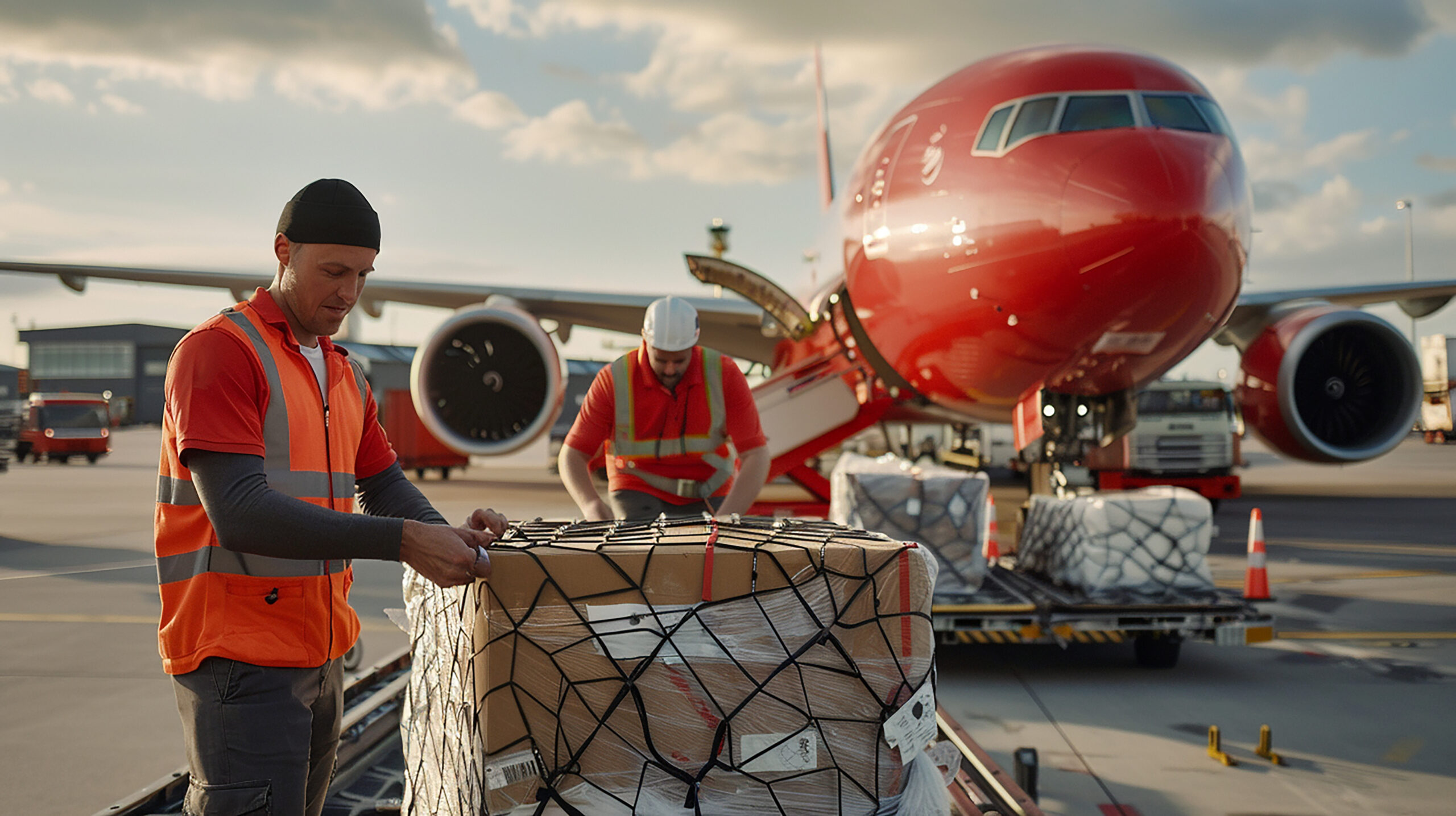
    One of the most noticeable impacts of automation is in document handling. Customs clearance requires various forms, invoices, shipping documents, certificates, and declarations. Manual processing of these documents can slow down shipments and increase the likelihood of human error.

    AI-powered systems can now extract information from digital documents, verify details, and automatically populate customs forms. This significantly reduces administrative workloads and speeds up clearance procedures.

    In Customs clearance Liverpool operations, automated document management systems can help importers and exporters handle complex international shipping requirements more efficiently. Businesses can also track document status in real time, improving visibility throughout the shipping process.
    Improved Accuracy in Customs Declarations

    Incorrect customs declarations are one of the most common causes of delays and penalties in international trade. Errors in commodity codes, valuation, or duty calculations can lead to inspections, fines, or rejected shipments.

    AI systems are capable of analysing historical shipping data, identifying patterns, and recommending accurate classifications for goods. Automation tools can also cross-check declarations against regulatory requirements before submission.

    This level of accuracy can help businesses maintain compliance with UK customs regulations while reducing unnecessary delays. As trade regulations continue to evolve, AI-driven compliance systems will become increasingly valuable for companies involved in international logistics.

    Real-Time Risk Assessment and Compliance Monitoring

    Customs authorities worldwide are placing greater emphasis on risk management and security checks. AI technology enables customs systems to identify suspicious shipments, detect anomalies, and flag potential compliance risks much faster than manual processes.

    Machine learning algorithms can analyse cargo data, shipping routes, and transaction histories to identify unusual patterns that may require additional inspection. This allows customs authorities to focus resources on high-risk shipments while allowing compliant goods to move more efficiently.

    For businesses using Customs clearance Liverpool services, automated compliance monitoring can reduce uncertainty and improve shipment predictability. Companies can proactively address issues before goods reach customs checkpoints, minimising disruptions to supply chains.

    Enhanced Supply Chain Visibility

    Modern supply chains require greater transparency and coordination between suppliers, freight forwarders, customs brokers, and transport providers. AI-powered tracking systems can provide real-time updates on shipment status, customs progress, and estimated clearance times.

    Automation also improves communication between stakeholders by integrating customs platforms with logistics management systems. Businesses can receive alerts about delays, missing documents, or regulatory updates instantly.

    This improved visibility helps companies make better operational decisions and maintain more reliable delivery schedules. In competitive industries, faster and more transparent customs processing can become a significant business advantage.

    Reducing Delays at Ports

    Port congestion and shipment delays remain major challenges in global trade. Automation can help reduce bottlenecks by speeding up customs inspections, cargo screening, and approval procedures.

    Smart systems can prioritise low-risk shipments, automate cargo routing, and reduce manual intervention during inspections. AI-assisted scanning technologies can also improve the speed and accuracy of cargo examinations.

    As shipping volumes continue to grow, ports like Liverpool may increasingly rely on automated technologies to maintain efficient cargo movement and minimise delays.

    The Role of Human Expertise

    Although AI and automation are transforming customs operations, human expertise remains essential. Customs regulations can be highly complex, especially for businesses dealing with specialised goods, international trade agreements, or changing compliance rules.

    Technology should be viewed as a support tool rather than a complete replacement for experienced customs professionals. Human oversight is still required for decision-making, problem-solving, and handling unique shipping situations.

    Professional customs service providers, such as Global Customs Services, continue to play an important role in helping businesses navigate customs procedures while adopting modern technologies effectively.

    Challenges of AI and Automation in Customs Clearance

    Despite its benefits, implementing AI and automation also comes with challenges. Smaller businesses may face difficulties adapting to new systems due to cost, training requirements, or limited technical knowledge.

    Data security is another important concern. Since customs systems process sensitive trade and financial information, businesses must ensure that digital platforms are secure and compliant with data protection regulations.

    In addition, technology adoption requires ongoing updates and maintenance to keep pace with changing customs rules and international trade standards.

    However, as digital solutions become more accessible and user-friendly, more businesses are expected to adopt automated customs management systems in the future.

    The Future of Customs Clearance in Liverpool

    The future of Customs clearance in Liverpool services is likely to become increasingly digital, data-driven, and automated. AI technologies will continue improving speed, accuracy, and compliance across international trade operations.

    Businesses that embrace digital customs solutions may benefit from reduced administrative workloads, faster shipment processing, and improved supply chain reliability. At the same time, the expertise of experienced customs professionals will remain crucial for ensuring compliance and managing complex trade requirements.

    Companies like Global Customs Services are part of a growing industry adapting to these technological changes while supporting businesses involved in international shipping and logistics.

    AI and automation are reshaping the customs clearance industry by improving efficiency, reducing errors, and enhancing compliance management. As international trade becomes more complex, businesses are increasingly relying on technology to streamline customs procedures and maintain smooth supply chain operations.

    For Liverpool’s growing trade sector, these innovations could lead to faster cargo processing, reduced delays, and greater operational transparency. While challenges remain, the integration of AI and automation is expected to play a major role in the future of customs clearance, helping businesses adapt to the demands of modern global trade.

    FAQs

    1. What is AI in customs clearance?

    AI in customs clearance refers to the use of artificial intelligence technologies to automate tasks such as document verification, compliance checks, risk analysis, and customs declarations.

    2. How does automation improve customs clearance?

    Automation reduces manual paperwork, speeds up document processing, improves accuracy, and helps minimise shipment delays during customs procedures.

    3. Why is Customs clearance Liverpool important for businesses?

    Liverpool is a major UK trading hub with strong maritime connections, making efficient customs clearance essential for smooth import and export operations.

    4. Can AI reduce customs delays?

    Yes, AI can help reduce delays by identifying errors early, improving risk assessments, and automating repetitive customs processes.

    5. Will automation replace customs professionals?

    No, automation supports customs professionals by improving efficiency, but human expertise is still necessary for handling complex regulations, compliance decisions, and specialised trade requirements.

  • Are Businesses Missing Opportunities Without Air Freight Customs Clearance Agents Today?

    Are Businesses Missing Opportunities Without Air Freight Customs Clearance Agents Today?

    In today’s fast-moving global economy, speed, compliance, and efficiency are critical to business success. Air freight has become one of the most preferred modes of transport for time-sensitive shipments, high-value goods, and international trade operations. However, while air freight offers unmatched speed, the complexity of customs regulations can often slow businesses down. This raises an important question: are businesses missing valuable opportunities by not working with Air Freight Customs Clearance Agents?

    This blog explores the role of customs clearance in air freight, the challenges involved, and how expert assistance can unlock new growth potential for businesses operating in international markets.

    Air Freight Customs Clearance

    Customs clearance is the process of preparing and submitting documentation required to facilitate the import or export of goods across international borders. For air freight, this process is often more time-sensitive due to tight delivery schedules and strict airline regulations.

    The process typically includes:

    • Accurate classification of goods (HS codes)
    • Preparation of invoices and shipping documents
    • Calculation and payment of duties and taxes
    • Compliance with country-specific regulations
    • Inspection and approval by customs authorities

    Even a minor error in documentation can lead to shipment delays, penalties, or even confiscation of goods. This is where Air Freight Customs Clearance Agents play a vital role.

    The Challenges Businesses Face Without Experts

    Many businesses attempt to manage customs clearance internally to save costs. However, this approach often leads to hidden challenges that can outweigh the initial savings.

    1. Complex Regulations

    Customs laws vary from country to country and are frequently updated. Staying compliant without expert knowledge can be difficult and risky.

    2. Documentation Errors

    Incorrect or incomplete documentation is one of the most common causes of shipment delays. These errors can disrupt supply chains and affect customer satisfaction.

    3. Delays in Clearance

    Without professional guidance, shipments can be held at customs for extended periods, leading to missed deadlines and financial losses.

    4. Unexpected Costs

    Improper classification of goods or miscalculated duties can result in fines, penalties, or additional charges.

    5. Limited Scalability

    As businesses grow and expand internationally, managing customs clearance internally becomes increasingly complex and inefficient.

    How Air Freight Customs Clearance Agents Add Value

    Partnering with experienced Air Freight Customs Clearance Agents can significantly improve operational efficiency and reduce risks associated with international shipping.

    • Expertise and Compliance

    Agents have in-depth knowledge of global customs regulations and ensure that shipments comply with all legal requirements. This minimizes the risk of penalties and delays.

    • Faster Clearance

    With established relationships and familiarity with customs procedures, agents can expedite the clearance process, ensuring timely delivery of goods.

    • Accurate Documentation

    Professional agents handle all paperwork with precision, reducing the chances of errors and ensuring smooth processing.

    • Cost Efficiency

    By correctly classifying goods and calculating duties, agents help businesses avoid unnecessary expenses and optimize costs.

    • Risk Management

    Agents identify potential risks in advance and provide solutions to prevent disruptions in the supply chain.

    The Impact on Business Growth

    Businesses that leverage Air Freight Customs Clearance Agents often gain a competitive edge in the global market. Efficient customs clearance directly contributes to improved supply chain performance and customer satisfaction.

    • Enhanced Speed to Market

    Faster clearance means products reach customers more quickly, which is crucial in industries like e-commerce, pharmaceuticals, and electronics.

    • Improved Customer Experience

    Timely deliveries and fewer disruptions lead to higher customer trust and retention.

    • Global Expansion Opportunities

    With expert support, businesses can confidently explore new international markets without worrying about regulatory complexities.

    • Focus on Core Operations

    Outsourcing customs clearance allows businesses to focus on their core activities such as production, marketing, and sales.

    The Role of Technology in Modern Customs Clearance

    Technology is transforming the way customs clearance is managed. Digital platforms, automated documentation systems, and real-time tracking are making the process more transparent and efficient.

    Air Freight Customs Clearance Agents are increasingly adopting these technologies to provide better services. This includes:

    • Electronic data interchange (EDI) systems
    • Automated compliance checks
    • Real-time shipment tracking
    • Digital document management

    Businesses that partner with tech-enabled agents can benefit from faster processing times and improved visibility across their supply chains.

    Why Choose Professional Support?

    Working with a trusted service provider like Global Customs Services can make a significant difference in how efficiently your shipments are handled. Their expertise in managing complex customs procedures ensures that businesses can navigate international trade with confidence.

    Global Customs Services understands the nuances of air freight operations and offers tailored solutions to meet specific business needs. By leveraging professional support, companies can reduce risks, save time, and enhance overall efficiency.

    In a highly competitive global marketplace, efficiency in logistics can determine the success or failure of a business. While air freight offers speed and reliability, the complexities of customs clearance can create significant challenges. Businesses that choose not to work with Air Freight Customs Clearance Agents may unknowingly face delays, increased costs, and missed growth opportunities.

    On the other hand, partnering with experienced professionals ensures compliance, reduces risks, and enhances operational efficiency. As international trade continues to evolve, investing in expert customs clearance support is no longer just an option; it is a strategic necessity for businesses aiming to grow and succeed globally.

    FAQs

    1. What do Air Freight Customs Clearance Agents do?

    They handle all aspects of customs clearance, including documentation, compliance, duty calculations, and coordination with customs authorities to ensure smooth import and export processes.

    2. Why is customs clearance important in air freight?

    Customs clearance ensures that goods meet all legal requirements for international trade, preventing delays, penalties, and disruptions in the supply chain.

    3. Can businesses handle customs clearance on their own?

    While it is possible, it can be complex and risky without proper expertise. Errors in documentation or compliance can lead to delays and additional costs.

    4. How do Air Freight Customs Clearance Agents reduce costs?

    They ensure accurate classification of goods, correct duty calculations, and compliance with regulations, helping businesses avoid fines and unnecessary expenses.

    5. How do I choose the right customs clearance agent?

    Look for experience, industry knowledge, use of technology, and a proven track record in handling air freight shipments efficiently.