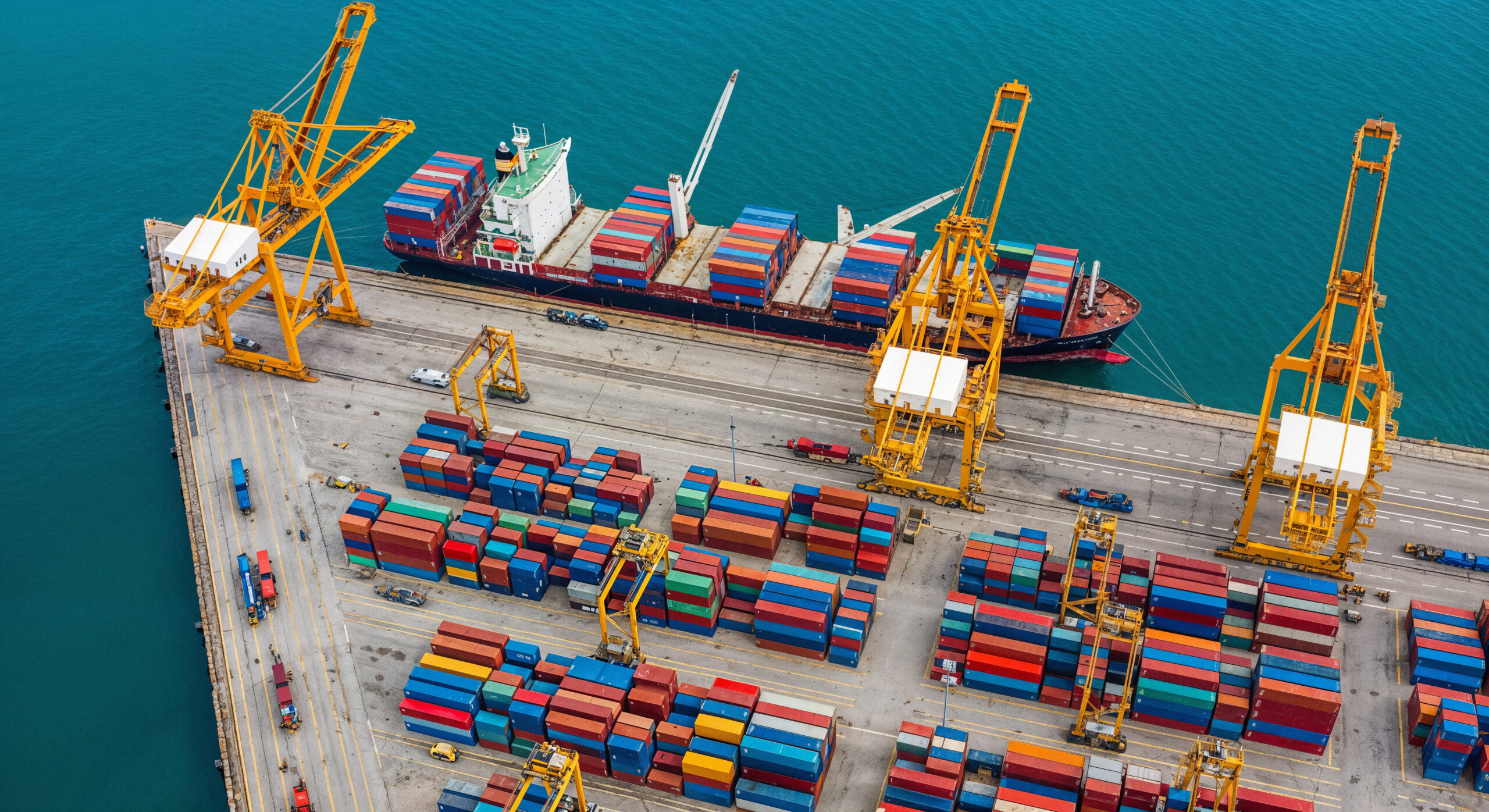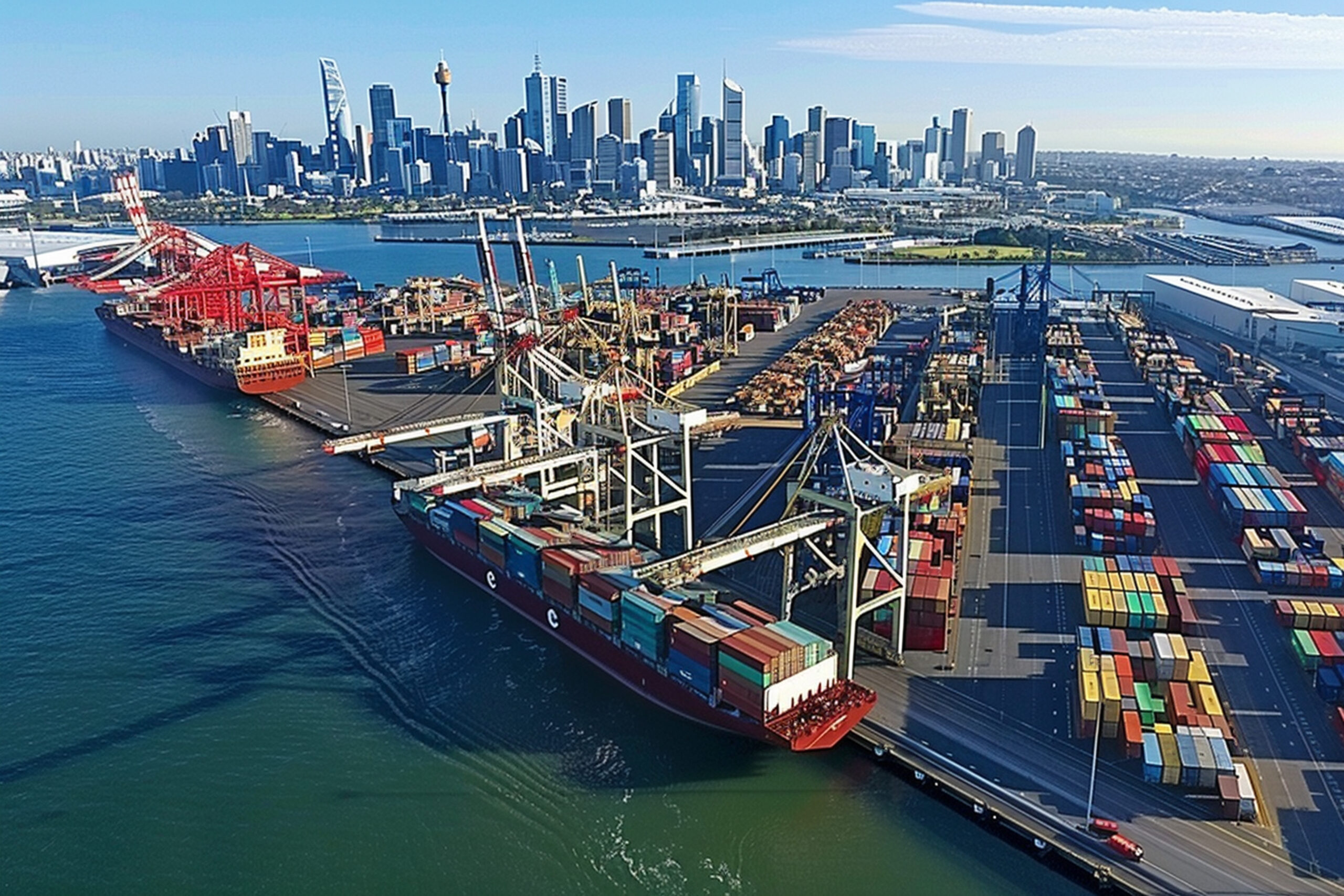
Category: Customs Clearance Agents UK

  • Why Are More Importers Turning to Customs Clearance Limited UK During Supply Chain Disruptions?

    Why Are More Importers Turning to Customs Clearance Limited UK During Supply Chain Disruptions?

    Global trade has become increasingly unpredictable in recent years. From shipping delays and port congestion to changing customs regulations and rising transportation costs, importers across the UK are facing significant challenges in keeping goods moving efficiently. Supply chain disruptions are no longer occasional events; they have become an ongoing concern for businesses that rely on international trade.

    In this changing environment, many businesses are seeking reliable customs support to avoid delays, penalties, and compliance issues. This is one of the key reasons why more importers are turning to Customs Clearance Limited UK for professional customs clearance services and trade support.

    The Impact of Supply Chain Disruptions

    Supply chain disruptions can affect businesses in many ways. Delayed shipments may lead to stock shortages, missed deadlines, increased costs, and dissatisfied customers. Importers often struggle with customs documentation, tariff classifications, VAT procedures, and compliance with UK import regulations.

    After Brexit, customs procedures between the UK and the EU also became more complex. Businesses that previously traded freely across borders suddenly needed to manage declarations, inspections, and additional paperwork. This shift created a greater demand for experienced customs professionals who understand the latest rules and procedures.

    Today, importers must manage several important areas simultaneously, including:

    • Accurate customs declarations
    • Import VAT and duty calculations
    • Commodity code classification
    • Border compliance requirements
    • Freight coordination
    • Regulatory documentation
    • Cargo inspections and checks

    Even a small error in customs paperwork can lead to costly delays or financial penalties.

    The Growing Importance of Customs Clearance Services

    Customs clearance is one of the most critical stages in international shipping. It ensures that goods entering or leaving the country comply with all customs regulations and legal requirements. During periods of supply chain disruption, customs efficiency becomes even more important because delays at ports or borders can quickly affect the entire supply chain.

    Professional customs support helps businesses reduce risks and maintain smoother import operations. Importers are increasingly looking for service providers that can simplify the customs process while helping them stay compliant with changing regulations.

    Many businesses now understand that customs clearance is not simply about submitting forms. It involves strategic planning, proper documentation, tariff management, and communication with border authorities.

    Why Importers Are Seeking Reliable Customs Partners

    Importers are choosing experienced customs service providers for several practical reasons.

    • Faster Processing During Delays

    When ports are congested or border systems are under pressure, properly prepared documentation can help avoid unnecessary hold-ups. Customs specialists help ensure that declarations are submitted accurately and on time, reducing the risk of goods being delayed.

    • Better Compliance with UK Regulations

    UK customs regulations continue to evolve, especially after Brexit and changing global trade agreements. Businesses need support to remain compliant with import procedures, duty requirements, and product-specific regulations.

    A knowledgeable customs partner helps businesses stay updated with current rules and avoid compliance mistakes.

    • Reduced Administrative Burden

    Managing customs paperwork internally can be time-consuming, especially for growing businesses importing goods regularly. Outsourcing customs clearance allows companies to focus on operations, customer service, and sales instead of handling complicated administrative tasks.

    • Cost Management and Duty Accuracy

    Incorrect tariff classifications or duty calculations can result in overpayments or penalties. Customs experts help businesses classify products correctly and calculate duties accurately, helping reduce unnecessary expenses.

    • Improved Supply Chain Visibility

    Efficient customs coordination improves communication between freight forwarders, shipping companies, warehouses, and border authorities. This can improve shipment tracking and overall supply chain visibility.

    The Role of Technology in Modern Customs Clearance

    Technology is playing a major role in improving customs operations across the UK. Digital customs systems, automated declarations, and electronic document processing are helping businesses reduce paperwork and improve efficiency.

    Modern customs providers use digital tools to:

    • Submit declarations electronically
    • Monitor shipment progress
    • Track customs status updates
    • Reduce manual processing errors
    • Improve response times
    • Maintain documentation records

    As global trade becomes more data-driven, importers are prioritising customs partners that combine industry expertise with modern technology solutions.

    • Industry Challenges Facing UK Importers

    Several ongoing challenges continue to affect UK importers today.

    • Port Congestion

    Busy ports can experience delays due to high cargo volumes, staffing shortages, or inspection backlogs. Delayed customs processing can increase storage costs and affect delivery schedules.

    • Regulatory Changes

    Import regulations can change frequently depending on trade agreements, economic conditions, and government policies. Businesses must stay informed about new requirements to avoid disruptions.

    • Rising Freight Costs

    Global shipping costs have increased significantly in recent years. Businesses are looking for ways to reduce unnecessary expenses through better customs planning and efficient logistics management.

    • Documentation Complexity

    International shipping involves multiple documents such as invoices, packing lists, import declarations, certificates, and transport records. Accurate documentation is essential for smooth customs clearance.

    How Professional Customs Support Benefits Businesses

    Businesses that invest in professional customs clearance support often experience several long-term benefits.

    • Increased Operational Efficiency

    Efficient customs processes help reduce shipment delays and improve inventory planning.

    • Lower Risk of Penalties

    Proper compliance reduces the chances of customs fines, inspections, and shipment holds.

    • Stronger Customer Satisfaction

    Timely deliveries help businesses maintain reliable customer service and stronger client relationships.

    Better Business Continuity

    Reliable customs support helps businesses remain operational even during periods of global supply chain disruption.

    As international trade continues to evolve, importers increasingly recognise the value of experienced customs professionals who can manage complex procedures efficiently. This growing demand explains why many businesses rely on Customs Clearance Limited UK to help maintain smooth import operations during uncertain market conditions.

    Supply chain disruptions have changed the way businesses approach international trade and customs management. Importers now understand that efficient customs clearance is essential for maintaining reliable operations, reducing delays, and protecting profitability.

    Professional customs support plays a major role in helping businesses navigate changing regulations, manage documentation accurately, and keep goods moving through borders efficiently. In today’s fast-changing trade environment, businesses are prioritising customs expertise, digital efficiency, and compliance support more than ever before.

    As global trade challenges continue, companies that invest in strong customs management strategies will be better positioned to maintain stable and successful supply chains.

    FAQs

    1. What is customs clearance?

    Customs clearance is the process of preparing and submitting documents required for importing or exporting goods through customs authorities.

    2. Why are supply chain disruptions affecting importers?

    Supply chain disruptions can be caused by port congestion, transportation delays, staffing shortages, regulatory changes, and global economic challenges.

    3. How can customs clearance services help reduce delays?

    Professional customs services help ensure accurate documentation, timely declarations, and compliance with import regulations, reducing the chances of shipment holds.

    4. Why is customs compliance important for UK importers?

    Non-compliance can lead to financial penalties, shipment delays, inspections, and legal complications during the import process.

    5. How has Brexit affected UK customs procedures?

    Brexit introduced additional customs checks, declarations, and documentation requirements for goods moving between the UK and EU countries.
  • How Will AI and Automation Shape Customs Clearance in Liverpool?

    How Will AI and Automation Shape Customs Clearance in Liverpool?

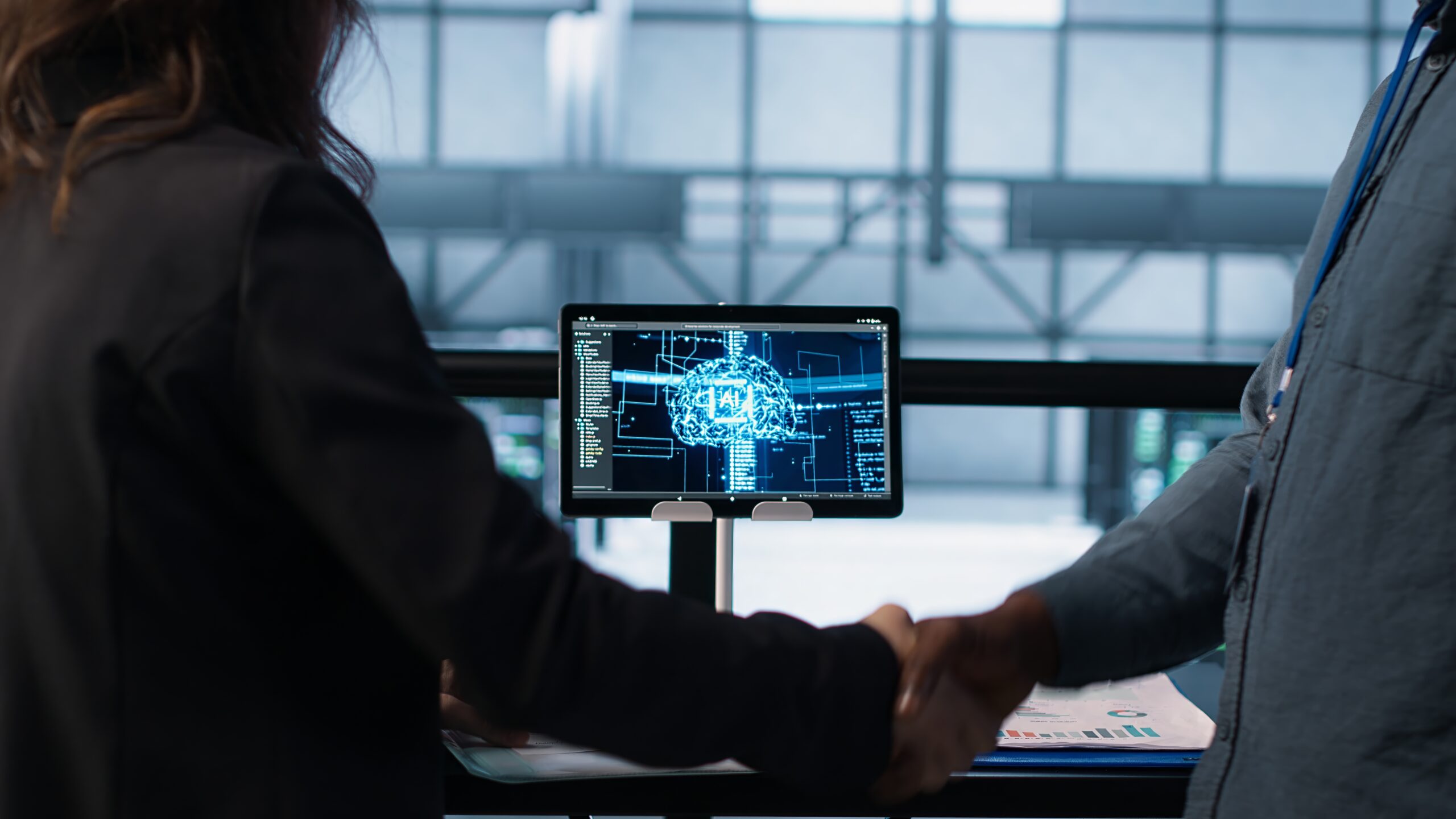
    International trade is evolving rapidly, and technology is becoming one of the biggest drivers of change in the logistics and shipping industry. From digital documentation to automated compliance checks, artificial intelligence (AI) and automation are transforming the way goods move across borders. For businesses involved in imports and exports, understanding these changes is becoming increasingly important.

    As one of the UK’s key trading hubs, Liverpool continues to play a major role in maritime trade and cargo handling. With growing trade volumes and stricter regulatory requirements, businesses are now looking for faster, smarter, and more reliable customs processes. This is where AI and automation are expected to make a significant impact on Customs clearance in Liverpool services in the coming years.

    The Growing Importance of Technology in Customs Operations

    Traditional customs clearance processes often involve extensive paperwork, manual verification, and time-consuming communication between multiple parties. Delays can occur due to documentation errors, incorrect tariff classifications, or compliance issues. These challenges not only increase operational costs but can also disrupt supply chains.

    AI and automation aim to reduce these inefficiencies by streamlining customs procedures. Automated systems can process large amounts of data quickly, identify potential issues in real time, and improve the accuracy of customs declarations. This helps businesses save time while reducing the risk of penalties and shipment delays.

    For ports and logistics hubs like Liverpool, where goods move in high volumes every day, adopting advanced technologies can improve overall operational efficiency and trade management.

    Faster Document Processing and Data Management

    One of the most noticeable impacts of automation is in document handling. Customs clearance requires various forms, invoices, shipping documents, certificates, and declarations. Manual processing of these documents can slow down shipments and increase the likelihood of human error.

    AI-powered systems can now extract information from digital documents, verify details, and automatically populate customs forms. This significantly reduces administrative workloads and speeds up clearance procedures.

    In Customs clearance Liverpool operations, automated document management systems can help importers and exporters handle complex international shipping requirements more efficiently. Businesses can also track document status in real time, improving visibility throughout the shipping process.

    Improved Accuracy in Customs Declarations

    Incorrect customs declarations are one of the most common causes of delays and penalties in international trade. Errors in commodity codes, valuation, or duty calculations can lead to inspections, fines, or rejected shipments.

    AI systems are capable of analysing historical shipping data, identifying patterns, and recommending accurate classifications for goods. Automation tools can also cross-check declarations against regulatory requirements before submission.

    This level of accuracy can help businesses maintain compliance with UK customs regulations while reducing unnecessary delays. As trade regulations continue to evolve, AI-driven compliance systems will become increasingly valuable for companies involved in international logistics.

    Real-Time Risk Assessment and Compliance Monitoring

    Customs authorities worldwide are placing greater emphasis on risk management and security checks. AI technology enables customs systems to identify suspicious shipments, detect anomalies, and flag potential compliance risks much faster than manual processes.

    Machine learning algorithms can analyse cargo data, shipping routes, and transaction histories to identify unusual patterns that may require additional inspection. This allows customs authorities to focus resources on high-risk shipments while allowing compliant goods to move more efficiently.

    For businesses using Customs clearance Liverpool services, automated compliance monitoring can reduce uncertainty and improve shipment predictability. Companies can proactively address issues before goods reach customs checkpoints, minimising disruptions to supply chains.

    Enhanced Supply Chain Visibility

    Modern supply chains require greater transparency and coordination between suppliers, freight forwarders, customs brokers, and transport providers. AI-powered tracking systems can provide real-time updates on shipment status, customs progress, and estimated clearance times.

    Automation also improves communication between stakeholders by integrating customs platforms with logistics management systems. Businesses can receive alerts about delays, missing documents, or regulatory updates instantly.

    This improved visibility helps companies make better operational decisions and maintain more reliable delivery schedules. In competitive industries, faster and more transparent customs processing can become a significant business advantage.

    Reducing Delays at Ports

    Port congestion and shipment delays remain major challenges in global trade. Automation can help reduce bottlenecks by speeding up customs inspections, cargo screening, and approval procedures.

    Smart systems can prioritise low-risk shipments, automate cargo routing, and reduce manual intervention during inspections. AI-assisted scanning technologies can also improve the speed and accuracy of cargo examinations.

    As shipping volumes continue to grow, ports like Liverpool may increasingly rely on automated technologies to maintain efficient cargo movement and minimise delays.

    The Role of Human Expertise

    Although AI and automation are transforming customs operations, human expertise remains essential. Customs regulations can be highly complex, especially for businesses dealing with specialised goods, international trade agreements, or changing compliance rules.

    Technology should be viewed as a support tool rather than a complete replacement for experienced customs professionals. Human oversight is still required for decision-making, problem-solving, and handling unique shipping situations.

    Professional customs service providers, such as Global Customs Services, continue to play an important role in helping businesses navigate customs procedures while adopting modern technologies effectively.

    Challenges of AI and Automation in Customs Clearance

    Despite its benefits, implementing AI and automation also comes with challenges. Smaller businesses may face difficulties adapting to new systems due to cost, training requirements, or limited technical knowledge.

    Data security is another important concern. Since customs systems process sensitive trade and financial information, businesses must ensure that digital platforms are secure and compliant with data protection regulations.

    In addition, technology adoption requires ongoing updates and maintenance to keep pace with changing customs rules and international trade standards.

    However, as digital solutions become more accessible and user-friendly, more businesses are expected to adopt automated customs management systems in the future.

    The Future of Customs Clearance in Liverpool

    The future of Customs clearance in Liverpool services is likely to become increasingly digital, data-driven, and automated. AI technologies will continue improving speed, accuracy, and compliance across international trade operations.

    Businesses that embrace digital customs solutions may benefit from reduced administrative workloads, faster shipment processing, and improved supply chain reliability. At the same time, the expertise of experienced customs professionals will remain crucial for ensuring compliance and managing complex trade requirements.

    Companies like Global Customs Services are part of a growing industry adapting to these technological changes while supporting businesses involved in international shipping and logistics.

    AI and automation are reshaping the customs clearance industry by improving efficiency, reducing errors, and enhancing compliance management. As international trade becomes more complex, businesses are increasingly relying on technology to streamline customs procedures and maintain smooth supply chain operations.

    For Liverpool’s growing trade sector, these innovations could lead to faster cargo processing, reduced delays, and greater operational transparency. While challenges remain, the integration of AI and automation is expected to play a major role in the future of customs clearance, helping businesses adapt to the demands of modern global trade.

    FAQs

    1. What is AI in customs clearance?

    AI in customs clearance refers to the use of artificial intelligence technologies to automate tasks such as document verification, compliance checks, risk analysis, and customs declarations.

    2. How does automation improve customs clearance?

    Automation reduces manual paperwork, speeds up document processing, improves accuracy, and helps minimise shipment delays during customs procedures.

    3. Why is Customs clearance Liverpool important for businesses?

    Liverpool is a major UK trading hub with strong maritime connections, making efficient customs clearance essential for smooth import and export operations.

    4. Can AI reduce customs delays?

    Yes, AI can help reduce delays by identifying errors early, improving risk assessments, and automating repetitive customs processes.

    5. Will automation replace customs professionals?

    No, automation supports customs professionals by improving efficiency, but human expertise is still necessary for handling complex regulations, compliance decisions, and specialised trade requirements.

  • Are Businesses Missing Opportunities Without Air Freight Customs Clearance Agents Today?

    Are Businesses Missing Opportunities Without Air Freight Customs Clearance Agents Today?

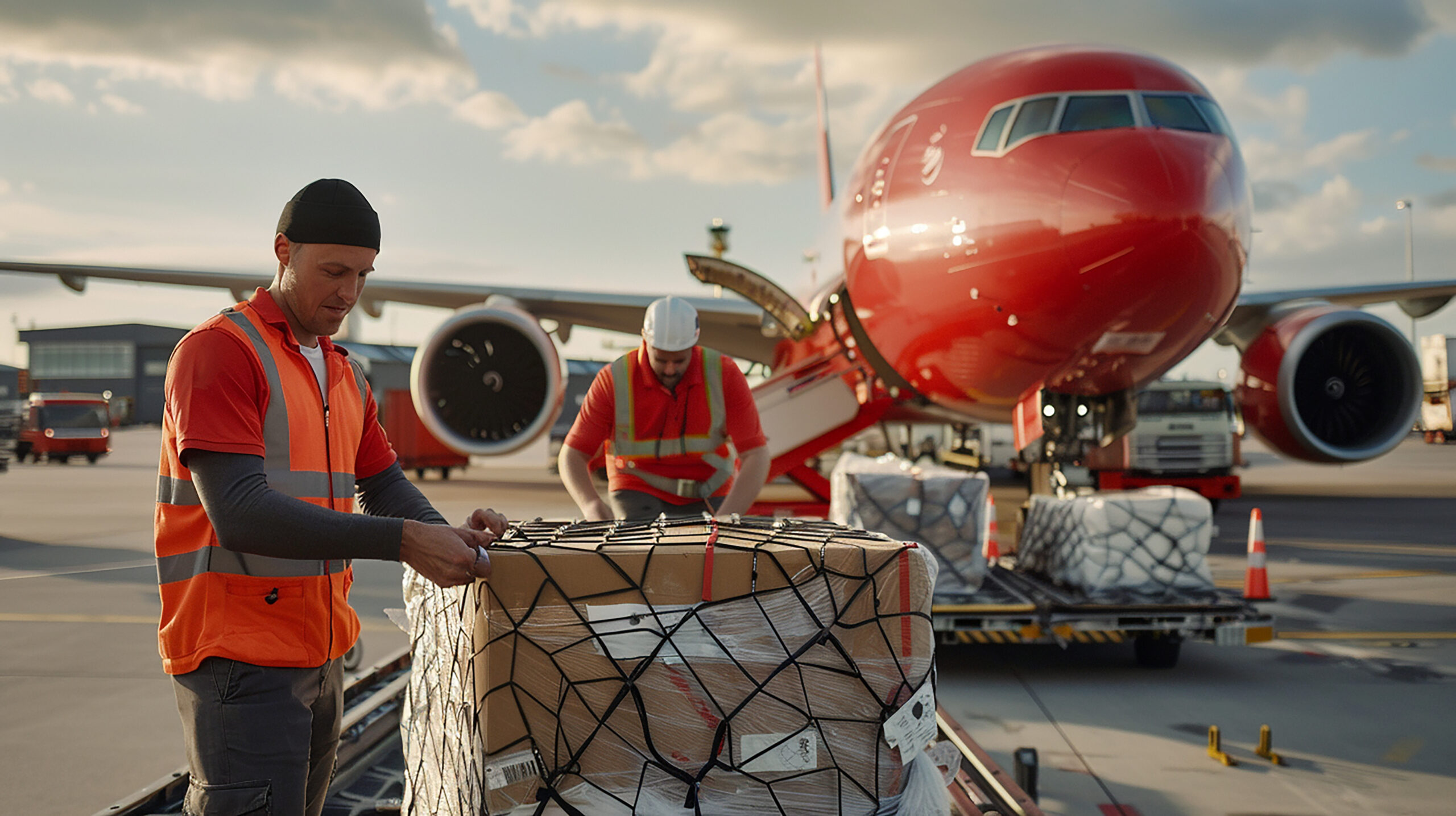
    In today’s fast-moving global economy, speed, compliance, and efficiency are critical to business success. Air freight has become one of the most preferred modes of transport for time-sensitive shipments, high-value goods, and international trade operations. However, while air freight offers unmatched speed, the complexity of customs regulations can often slow businesses down. This raises an important question: are businesses missing valuable opportunities by not working with Air Freight Customs Clearance Agents?

    This blog explores the role of customs clearance in air freight, the challenges involved, and how expert assistance can unlock new growth potential for businesses operating in international markets.

    Air Freight Customs Clearance

    Customs clearance is the process of preparing and submitting documentation required to facilitate the import or export of goods across international borders. For air freight, this process is often more time-sensitive due to tight delivery schedules and strict airline regulations.

    The process typically includes:

    • Accurate classification of goods (HS codes)
    • Preparation of invoices and shipping documents
    • Calculation and payment of duties and taxes
    • Compliance with country-specific regulations
    • Inspection and approval by customs authorities

    Even a minor error in documentation can lead to shipment delays, penalties, or even confiscation of goods. This is where Air Freight Customs Clearance Agents play a vital role.

    The Challenges Businesses Face Without Experts

    Many businesses attempt to manage customs clearance internally to save costs. However, this approach often leads to hidden challenges that can outweigh the initial savings.

    1. Complex Regulations

    Customs laws vary from country to country and are frequently updated. Staying compliant without expert knowledge can be difficult and risky.

    2. Documentation Errors

    Incorrect or incomplete documentation is one of the most common causes of shipment delays. These errors can disrupt supply chains and affect customer satisfaction.

    3. Delays in Clearance

    Without professional guidance, shipments can be held at customs for extended periods, leading to missed deadlines and financial losses.

    4. Unexpected Costs

    Improper classification of goods or miscalculated duties can result in fines, penalties, or additional charges.

    5. Limited Scalability

    As businesses grow and expand internationally, managing customs clearance internally becomes increasingly complex and inefficient.

    How Air Freight Customs Clearance Agents Add Value

    Partnering with experienced Air Freight Customs Clearance Agents can significantly improve operational efficiency and reduce risks associated with international shipping.

    • Expertise and Compliance

    Agents have in-depth knowledge of global customs regulations and ensure that shipments comply with all legal requirements. This minimizes the risk of penalties and delays.

    • Faster Clearance

    With established relationships and familiarity with customs procedures, agents can expedite the clearance process, ensuring timely delivery of goods.

    • Accurate Documentation

    Professional agents handle all paperwork with precision, reducing the chances of errors and ensuring smooth processing.

    • Cost Efficiency

    By correctly classifying goods and calculating duties, agents help businesses avoid unnecessary expenses and optimize costs.

    • Risk Management

    Agents identify potential risks in advance and provide solutions to prevent disruptions in the supply chain.

    The Impact on Business Growth

    Businesses that leverage Air Freight Customs Clearance Agents often gain a competitive edge in the global market. Efficient customs clearance directly contributes to improved supply chain performance and customer satisfaction.

    • Enhanced Speed to Market

    Faster clearance means products reach customers more quickly, which is crucial in industries like e-commerce, pharmaceuticals, and electronics.

    • Improved Customer Experience

    Timely deliveries and fewer disruptions lead to higher customer trust and retention.

    • Global Expansion Opportunities

    With expert support, businesses can confidently explore new international markets without worrying about regulatory complexities.

    • Focus on Core Operations

    Outsourcing customs clearance allows businesses to focus on their core activities such as production, marketing, and sales.

    The Role of Technology in Modern Customs Clearance

    Technology is transforming the way customs clearance is managed. Digital platforms, automated documentation systems, and real-time tracking are making the process more transparent and efficient.

    Air Freight Customs Clearance Agents are increasingly adopting these technologies to provide better services. This includes:

    • Electronic data interchange (EDI) systems
    • Automated compliance checks
    • Real-time shipment tracking
    • Digital document management

    Businesses that partner with tech-enabled agents can benefit from faster processing times and improved visibility across their supply chains.

    Why Choose Professional Support?

    Working with a trusted service provider like Global Customs Services can make a significant difference in how efficiently your shipments are handled. Their expertise in managing complex customs procedures ensures that businesses can navigate international trade with confidence.

    Global Customs Services understands the nuances of air freight operations and offers tailored solutions to meet specific business needs. By leveraging professional support, companies can reduce risks, save time, and enhance overall efficiency.

    In a highly competitive global marketplace, efficiency in logistics can determine the success or failure of a business. While air freight offers speed and reliability, the complexities of customs clearance can create significant challenges. Businesses that choose not to work with Air Freight Customs Clearance Agents may unknowingly face delays, increased costs, and missed growth opportunities.

    On the other hand, partnering with experienced professionals ensures compliance, reduces risks, and enhances operational efficiency. As international trade continues to evolve, investing in expert customs clearance support is no longer just an option; it is a strategic necessity for businesses aiming to grow and succeed globally.

    FAQs

    1. What do Air Freight Customs Clearance Agents do?

    They handle all aspects of customs clearance, including documentation, compliance, duty calculations, and coordination with customs authorities to ensure smooth import and export processes.

    2. Why is customs clearance important in air freight?

    Customs clearance ensures that goods meet all legal requirements for international trade, preventing delays, penalties, and disruptions in the supply chain.

    3. Can businesses handle customs clearance on their own?

    While it is possible, it can be complex and risky without proper expertise. Errors in documentation or compliance can lead to delays and additional costs.

    4. How do Air Freight Customs Clearance Agents reduce costs?

    They ensure accurate classification of goods, correct duty calculations, and compliance with regulations, helping businesses avoid fines and unnecessary expenses.

    5. How do I choose the right customs clearance agent?

    Look for experience, industry knowledge, use of technology, and a proven track record in handling air freight shipments efficiently.

  • Is Partnering with a Customs Clearance Agency UK the Smartest Move for Future Global Expansion?

    Is Partnering with a Customs Clearance Agency UK the Smartest Move for Future Global Expansion?

    In today’s rapidly evolving global trade environment, businesses aiming to expand internationally face a complex web of regulations, documentation, and compliance requirements. The United Kingdom, in particular, has seen significant changes in its trade landscape in recent years, making customs processes more detailed and, at times, challenging to navigate. This raises an important question for growing businesses: is working with a Customs Clearance Agency UK the smartest move for future global expansion?

    This blog explores the role of customs clearance, its importance in international trade, and how partnering with experts can help businesses streamline operations, reduce risks, and unlock new opportunities.

    Customs Clearance in the UK

    Customs clearance is the process of preparing and submitting documentation required to facilitate the import or export of goods across international borders. It involves ensuring that shipments comply with all legal and regulatory requirements, including duties, taxes, and trade policies.

    In the UK, customs procedures have become more detailed due to evolving trade agreements and regulatory frameworks. Businesses must now ensure accuracy in declarations, tariff classifications, and compliance with rules of origin. Even minor errors can result in delays, penalties, or shipment rejections.

    Why Customs Clearance Matters for Global Expansion

    For businesses planning to expand internationally, customs clearance is not just a procedural step – it is a critical component of supply chain efficiency. Here’s why:

    1. Ensures Regulatory Compliance

    Every country has its own import and export regulations. A proper customs process ensures that your goods meet all legal requirements, avoiding fines or disruptions.

    2. Prevents Costly Delays

    Incorrect documentation or missing information can cause shipments to be held at borders. Efficient customs handling ensures timely delivery, which is essential for maintaining customer satisfaction.

    3. Optimizes Cost Management

    Understanding tariffs, duties, and tax structures helps businesses avoid overpayments and identify cost-saving opportunities.

    4. Builds Business Credibility

    Smooth and reliable logistics enhance your reputation with international partners and customers.

    The Role of a Customs Clearance Agency

    A Customs Clearance Agency UK acts as an intermediary between businesses and customs authorities. Their role is to simplify the entire process by managing documentation, ensuring compliance, and facilitating smooth movement of goods.

    Key Responsibilities Include:

    • Preparing and submitting customs declarations
    • Classifying goods under the correct tariff codes
    • Calculating duties and taxes
    • Ensuring compliance with trade regulations
    • Handling communication with customs authorities
    • Advising on import/export restrictions and requirements

    By handling these complex tasks, agencies allow businesses to focus on their core operations rather than administrative hurdles.

    Benefits of Partnering with Experts

    1. Expertise and Industry Knowledge

    Customs regulations are constantly evolving. Partnering with professionals ensures that your business stays updated and compliant with the latest requirements.

    2. Reduced Risk of Errors

    Even small mistakes in documentation can lead to significant delays or penalties. Experts minimize these risks through accuracy and attention to detail.

    3. Time Efficiency

    Outsourcing customs processes saves time, allowing businesses to focus on growth strategies and market expansion.

    4. Improved Supply Chain Efficiency

    A streamlined customs process ensures that goods move quickly and efficiently across borders, reducing disruptions.

    5. Strategic Guidance

    Beyond documentation, agencies provide insights into trade opportunities, helping businesses make informed decisions.

    Future Trends in Customs Clearance

    As global trade continues to evolve, several trends are shaping the future of customs processes:

    Digital Transformation

    Automation and digital platforms are making customs procedures faster and more transparent. Electronic documentation and real-time tracking are becoming standard.

    Increased Compliance Requirements

    Governments are tightening regulations to ensure security and transparency in trade. Businesses must adapt to stricter compliance measures.

    Sustainability and Ethical Trade

    Environmental and ethical considerations are influencing trade policies, requiring businesses to align with new standards.

    Integration with Supply Chain Systems

    Customs processes are becoming more integrated with logistics and supply chain management systems, enabling seamless operations.

    These trends highlight the growing importance of working with a reliable Customs Clearance Agency UK that can adapt to changing requirements and technologies.

    Choosing the Right Partner

    Selecting the right customs clearance partner is crucial for long-term success. Businesses should consider the following factors:

    • Experience and Expertise: Look for agencies with a strong track record in handling diverse shipments.
    • Technology Capabilities: Modern tools and systems can enhance efficiency and accuracy.
    • Compliance Knowledge: Ensure the agency stays updated with current regulations.
    • Customer Support: Reliable communication and support are essential for smooth operations.

    For example, Global Cust has positioned itself as a professional service provider in this space, helping businesses navigate complex customs procedures with clarity and efficiency.

    Is It the Smartest Move for Future Expansion?

    The answer largely depends on your business goals and resources. However, for most companies aiming to expand globally, partnering with a Customs Clearance Agency UK is not just a smart move; it is a strategic necessity.

    By outsourcing customs processes, businesses can:

    • Reduce operational risks
    • Improve efficiency
    • Ensure compliance
    • Focus on growth and innovation

    Global Cust continues to support businesses in managing these challenges effectively, making international trade more accessible and manageable.

    Global expansion offers immense opportunities, but it also comes with complexities – especially when it comes to customs clearance. Navigating these challenges requires expertise, precision, and up-to-date knowledge of regulations.

    Partnering with a Customs Clearance Agency UK can simplify this journey, enabling businesses to operate confidently in international markets. From ensuring compliance to optimizing logistics, the right partner plays a crucial role in long-term success.

    As global trade continues to evolve, businesses that invest in professional customs support will be better positioned to adapt, grow, and thrive in the competitive international landscape.

    FAQs

    1. What does a Customs Clearance Agency UK do?

    A Customs Clearance Agency UK handles documentation, compliance, and communication with customs authorities to ensure smooth import and export of goods.

    2. Why is customs clearance important for international trade?

    It ensures that goods meet all legal requirements, prevents delays, and helps businesses avoid penalties or additional costs.

    3. Can small businesses benefit from customs clearance services?

    Yes, small businesses can greatly benefit as it reduces complexity and allows them to focus on growth rather than regulatory challenges.

    4. How do customs agencies help reduce costs?

    They ensure accurate tariff classification, prevent overpayments, and identify cost-saving opportunities within trade regulations.

    5. Is customs clearance becoming more complex in the UK?

    Yes, evolving trade policies and regulatory changes have made customs processes more detailed, increasing the need for expert assistance. 

  • How Will Customs Clearance Agents UK Shape the Next Era of International Trade?

    How Will Customs Clearance Agents UK Shape the Next Era of International Trade?

    International trade is evolving at an unprecedented pace, driven by digital transformation, shifting regulations, and increasing global connectivity. Amid these changes, Customs Clearance Agents UK are becoming more critical than ever in ensuring smooth and compliant cross-border transactions. As businesses expand beyond borders, the role of customs professionals is no longer limited to paperwork; it now involves strategy, compliance, and efficiency.

    This blog explores how Customs Clearance Agents UK are set to shape the future of international trade and why their expertise will remain indispensable in the years ahead.

    Understanding Customs Clearance in the Modern Era

    Customs clearance is the process of preparing and submitting documentation required to facilitate the import or export of goods. It involves compliance with regulations, payment of duties and taxes, and coordination with customs authorities.

    In the past, customs clearance was largely manual and time-consuming. However, with the introduction of advanced technologies and stricter global regulations, the process has become more complex. This is where professional agents step in, offering expertise that ensures goods move seamlessly across borders.

    The Evolving Role of Customs Clearance Agents

    The responsibilities of customs agents have expanded significantly. Today, they are not just intermediaries but strategic partners in international trade.

    1. Ensuring Regulatory Compliance

    Global trade regulations are constantly changing, especially in the UK’s post-Brexit environment. Customs clearance agents help businesses stay compliant with evolving rules, reducing the risk of penalties, delays, or shipment rejections.

    2. Managing Documentation and Procedures

    Accurate documentation is critical for successful customs clearance. Agents handle import/export declarations, tariff classifications, and other essential paperwork, ensuring that every detail is correct.

    3. Minimising Delays and Costs

    Delays at borders can be costly. Experienced agents streamline processes, reducing waiting times and avoiding unnecessary expenses related to storage or fines.

    4. Providing Strategic Advice

    Customs agents now play an advisory role, helping businesses optimise supply chains, reduce duties, and choose the most efficient shipping routes.

    The Impact of Technology on Customs Clearance

    Technology is transforming the customs landscape. Digital platforms, automation, and data analytics are making processes faster and more transparent.

    Automation and Digital Documentation

    Automation reduces manual errors and speeds up clearance processes. Electronic documentation systems allow real-time tracking and faster approvals.

    Data-Driven Decision Making

    Customs agents use data analytics to predict potential issues, optimise logistics, and improve efficiency.

    Integration with Supply Chains

    Modern customs solutions integrate seamlessly with logistics and supply chain systems, enabling better coordination and visibility.

    Despite these advancements, human expertise remains crucial. Technology supports the process, but it cannot replace the knowledge and judgment of experienced professionals.

    Post-Brexit Trade and Its Influence

    The UK’s exit from the European Union has significantly changed the customs landscape. Businesses now face additional documentation, regulatory requirements, and border checks.

    Customs Clearance Agents UK have become essential in navigating these complexities. They help businesses adapt to new trade agreements, understand tariffs, and comply with UK-specific regulations. Their role in ensuring smooth trade between the UK and the EU cannot be overstated.

    Supporting Small and Medium Enterprises (SMEs)

    For small and medium-sized businesses, international trade can be challenging due to limited resources and expertise. Customs clearance agents provide the support needed to expand globally.

    They simplify complex processes, allowing SMEs to focus on growth rather than administrative burdens. By ensuring compliance and efficiency, agents enable smaller businesses to compete in international markets.

    Risk Management and Compliance

    Non-compliance in international trade can lead to severe consequences, including fines, shipment delays, or even legal action.

    Customs clearance agents mitigate these risks by:

    • Ensuring accurate classification of goods
    • Managing duty payments correctly
    • Keeping up with regulatory updates
    • Conducting compliance checks

    Their expertise helps businesses avoid costly mistakes and maintain a strong reputation in global markets.

    Sustainability and Ethical Trade

    Sustainability is becoming a key focus in international trade. Governments and organisations are introducing regulations to promote environmentally responsible practices.

    Customs agents play a role in ensuring compliance with these regulations, including:

    • Monitoring restricted or prohibited goods
    • Supporting eco-friendly supply chains
    • Ensuring adherence to international standards

    Their involvement helps businesses align with global sustainability goals.

    The Future of Customs Clearance

    The future of customs clearance will be shaped by innovation, collaboration, and expertise. While automation will continue to improve efficiency, the need for skilled professionals will remain strong.

    Key trends include:

    • Increased use of artificial intelligence and machine learning
    • Greater emphasis on compliance and transparency
    • Expansion of digital trade platforms
    • Enhanced collaboration between customs authorities and businesses

    In this evolving landscape, Customs Clearance Agents UK will continue to act as vital facilitators of international trade.

    Why Professional Expertise Matters

    Partnering with experienced professionals ensures that businesses can navigate the complexities of global trade with confidence. Companies like Global Customs Services provide tailored solutions that simplify customs processes and enhance efficiency.

    By leveraging industry knowledge and advanced tools, Global Customs Services supports businesses in achieving seamless international operations.

    As international trade becomes more complex and interconnected, the importance of customs clearance agents continues to grow. Their role has evolved from handling paperwork to providing strategic guidance, ensuring compliance, and improving efficiency.

    Customs Clearance Agents UK are set to play a pivotal role in shaping the future of global trade. By embracing technology, adapting to regulatory changes, and offering expert support, they enable businesses to thrive in an increasingly competitive environment.

    For businesses looking to expand globally, partnering with experienced customs professionals is a necessity.

    FAQs

    1. What do Customs Clearance Agents UK do?
    They manage the documentation, compliance, and procedures required for importing and exporting goods, ensuring smooth and legal cross-border trade.

    2. Why are customs clearance agents important after Brexit?
    They help businesses navigate new regulations, tariffs, and documentation requirements introduced after the UK left the EU.

    3. Can customs clearance agents reduce shipping delays?
    Yes, by ensuring accurate documentation and compliance, they minimise the risk of delays at borders.

    4. How do customs agents help with cost savings?
    They optimise tariff classifications, avoid penalties, and streamline processes, reducing unnecessary expenses.

    5. Are customs clearance services necessary for small businesses?
    Absolutely. They simplify complex procedures, allowing small businesses to focus on growth while ensuring compliance with international trade regulations.

  • Could Digital Transformation Eliminate Errors in United Kingdom Customs Clearance?

    Could Digital Transformation Eliminate Errors in United Kingdom Customs Clearance?

    In today’s fast-moving global trade environment, accuracy and speed are no longer optional; they are essential. Businesses involved in import and export activities are increasingly facing complex regulations, documentation requirements, and compliance checks. This is especially true for Customs Clearance United Kingdom, where evolving trade rules and post-Brexit frameworks have added new layers of responsibility.

    As a result, digital transformation is emerging as a powerful solution. But can it truly eliminate errors in customs clearance, or does it simply reduce them? Let’s explore how technology is reshaping the customs landscape and what it means for businesses.

    Customs Clearance in the United Kingdom

    Customs clearance is the process of preparing and submitting documentation required to facilitate the import or export of goods. It involves duties, taxes, compliance with regulations, and verification of shipments. In the United Kingdom, this process has become more detailed due to regulatory changes, making accuracy critical.

    Errors in customs clearance can lead to delays, financial penalties, shipment seizures, or even reputational damage. Common mistakes include incorrect commodity codes, inaccurate valuation, incomplete paperwork, and non-compliance with trade regulations. These challenges highlight the importance of efficient systems and reliable processes.

    The Role of Digital Transformation

    Digital transformation refers to the integration of digital technologies into all areas of business operations. In the context of Customs Clearance United Kingdom, it involves replacing manual processes with automated systems, improving data accuracy, and enabling real-time tracking.

    Key technologies driving this transformation include:

    • Automation Tools: Reduce manual data entry and minimize human error.
    • Artificial Intelligence (AI): Assists in classification, risk assessment, and predictive analysis.
    • Cloud-Based Platforms: Enable seamless data sharing across stakeholders.
    • Electronic Data Interchange (EDI): Facilitates faster communication with customs authorities.

    These technologies are redefining how customs clearance is managed.

    How Digital Systems Reduce Errors

    One of the biggest advantages of digital transformation is error reduction. Manual processes are often prone to mistakes due to repetitive tasks and complex documentation. Digital systems address these issues in several ways:

    1. Automated Data Entry
    Automation eliminates the need for repetitive manual input, reducing typographical errors and inconsistencies.

    2. Real-Time Validation
    Digital platforms can instantly verify data against regulatory requirements, ensuring compliance before submission.

    3. Accurate Classification
    AI-powered tools can suggest correct commodity codes, minimizing the risk of misclassification.

    4. Centralized Data Management
    All documents and data are stored in one place, reducing duplication and confusion.

    5. Audit Trails
    Digital systems maintain records of all transactions, making it easier to track and correct errors if they occur.

    Benefits Beyond Error Reduction

    While reducing errors is a major advantage, digital transformation offers several additional benefits for Customs Clearance United Kingdom:

    • Faster Processing Times: Automated systems significantly reduce clearance delays.
    • Improved Compliance: Built-in regulatory updates ensure businesses stay aligned with current laws.
    • Cost Efficiency: Fewer errors mean fewer penalties and reduced operational costs.
    • Enhanced Transparency: Real-time tracking provides visibility across the supply chain.
    • Better Decision-Making: Data analytics helps businesses make informed logistics and compliance decisions.

    Challenges in Digital Adoption

    Despite its advantages, digital transformation is not without challenges. Businesses must consider:

    • Initial Investment: Implementing digital systems can require significant upfront costs.
    • Training Requirements: Employees need to adapt to new technologies and workflows.
    • Integration Issues: Aligning new systems with existing infrastructure can be complex.
    • Cybersecurity Risks: Protecting sensitive trade data is a growing concern.

    However, these challenges are often outweighed by the long-term benefits, especially for businesses dealing with frequent international shipments.

    The Human Element Still Matters

    While digital tools can significantly reduce errors, they cannot eliminate them. Human oversight remains essential. Customs regulations can be nuanced, and certain decisions require professional judgment and expertise.

    This is where experienced service providers play a crucial role. Companies like Global Customs Services UK combine technology with industry expertise to ensure smooth and compliant operations. By leveraging both digital systems and human knowledge, businesses can achieve the best possible outcomes.

    The Future of Customs Clearance in the United Kingdom

    Looking ahead, the future of Customs Clearance United Kingdom is undoubtedly digital. Governments and regulatory bodies are increasingly adopting electronic systems to streamline processes. Initiatives such as single-window platforms and digital customs declarations are expected to become standard.

    Emerging technologies like blockchain could further enhance transparency and security, while AI will continue to improve accuracy and efficiency. As these innovations evolve, the margin for error will continue to shrink.

    Businesses that embrace digital transformation early will be better positioned to adapt to changing regulations and maintain a competitive edge.

    So, could digital transformation eliminate errors in United Kingdom customs clearance? By automating processes, improving data accuracy, and enhancing compliance, digital systems are transforming the way customs clearance operates. However, technology alone is not enough. A balanced approach that combines digital tools with human expertise is key to achieving optimal results. Organizations like Global Customs Services UK demonstrate how this synergy can lead to efficient, reliable, and compliant customs operations.

    For businesses engaged in international trade, investing in digital transformation is no longer optional – it is a strategic necessity.

    FAQs

    1. What is customs clearance in the United Kingdom?
    Customs clearance is the process of preparing and submitting documents required for importing or exporting goods, ensuring compliance with UK regulations and payment of applicable duties and taxes.

    2. How does digital transformation improve customs clearance?
    It reduces manual errors, speeds up processing, ensures compliance, and provides real-time tracking and data validation.

    3. Can digital systems eliminate customs errors?
    No, but they can significantly reduce errors. Human oversight is still necessary for complex decisions and regulatory interpretation.

    4. What are the common errors in customs clearance?
    Common mistakes include incorrect commodity codes, inaccurate valuation, incomplete documentation, and non-compliance with regulations.

    5. Is digital customs clearance suitable for small businesses?
    Yes, digital solutions can benefit businesses of all sizes by improving efficiency, reducing costs, and ensuring compliance with evolving trade regulations.

  • How Will Sustainability Policies Impact Customs Clearance UK in the Coming Years?

    How Will Sustainability Policies Impact Customs Clearance UK in the Coming Years?

    In recent years, sustainability has moved from being a corporate responsibility initiative to a regulatory priority across global trade. Governments, regulatory bodies, and international organisations are increasingly introducing policies to reduce environmental impact, promote ethical sourcing, and ensure transparent supply chains. As a result, Customs Clearance UK processes are evolving to align with these sustainability-driven expectations.

    Understanding how these policies will shape customs procedures is essential for businesses involved in importing and exporting goods. This blog explores the key ways sustainability policies are expected to influence customs clearance in the UK in the coming years.

    The Growing Importance of Sustainability in Trade

    Sustainability in trade refers to reducing environmental harm, ensuring ethical sourcing, and promoting long-term economic balance. The UK government has committed to achieving net-zero emissions, and trade policies are being aligned with this goal.

    This means that customs procedures are no longer limited to verifying documentation and duties. They now play a role in ensuring that imported and exported goods comply with environmental standards, carbon regulations, and sustainability certifications.

    Stricter Environmental Regulations and Compliance

    One of the most significant impacts on Customs Clearance UK will be the introduction of stricter environmental regulations. Goods entering or leaving the UK may be subject to additional checks to ensure they comply with environmental standards.

    This includes:

    • Verification of eco-friendly materials
    • Restrictions on hazardous substances
    • Compliance with packaging and waste regulations

    Customs authorities are expected to increase scrutiny on shipments that may have a high environmental impact. As a result, businesses will need to maintain accurate and detailed documentation to avoid delays or penalties.

    Carbon Border Adjustments and Their Role

    Carbon border adjustment mechanisms (CBAMs) are becoming a major factor in global trade. These policies impose costs on imports based on their carbon footprint, ensuring that domestic industries are not disadvantaged by stricter environmental laws.

    For Customs Clearance UK, this means:

    • Importers may need to declare the carbon emissions associated with their goods
    • Additional duties or taxes may apply to high-emission products
    • More detailed reporting requirements will become standard

    This shift will make customs clearance more data-driven and complex, requiring businesses to adopt better tracking and reporting systems.

    Digital Transformation and Green Documentation

    Sustainability policies are also accelerating the shift toward digitalisation in customs processes. Paper-based documentation is gradually being replaced with electronic systems, reducing environmental impact and improving efficiency.

    Key developments include:

    • Electronic customs declarations
    • Digital certificates of origin
    • Automated compliance checks

    Digital transformation not only supports sustainability goals but also enhances the speed and accuracy of Customs Clearance UK procedures. Businesses that adopt digital tools early will likely benefit from smoother operations.

    Supply Chain Transparency and Ethical Sourcing

    Another critical aspect of sustainability is supply chain transparency. Authorities are placing greater emphasis on ensuring that goods are ethically sourced and produced under fair conditions.

    This means customs processes may involve:

    • Verification of supply chain origins
    • Checks on labour practices
    • Certification of sustainable sourcing

    For businesses, this adds another layer of responsibility. They must ensure that their suppliers comply with sustainability standards, as non-compliance can lead to shipment delays or rejection at customs.

    Impact on Importers and Exporters

    Sustainability policies will significantly affect how importers and exporters manage their operations. While these changes may initially increase complexity, they also present opportunities for businesses to enhance their reputation and competitiveness.

    Key impacts include:

    • Increased compliance costs
    • Greater need for accurate data management
    • Investment in sustainable practices and technologies

    Companies that proactively adapt to these changes will find it easier to navigate evolving customs requirements and maintain smooth trade operations.

    The Role of Customs Experts

    As sustainability policies continue to evolve, the role of customs experts becomes even more critical. Navigating complex regulations, ensuring compliance, and managing documentation require specialised knowledge.

    Working with experienced providers like Global Customs Clearance can help businesses stay updated with regulatory changes and streamline their customs processes. Their expertise ensures that shipments meet all necessary requirements, reducing the risk of delays and penalties.

    Preparing for the Future

    To stay ahead in the changing landscape of Customs Clearance UK, businesses should focus on:

    • Investing in digital solutions to manage documentation and compliance
    • Understanding sustainability regulations relevant to their industry
    • Building transparent supply chains with reliable partners
    • Training staff on new customs procedures and requirements

    Proactive preparation will not only ensure compliance but also create a competitive advantage in an increasingly sustainability-focused market.

    Sustainability policies are set to reshape the future of Customs Clearance UK in profound ways. From stricter environmental regulations and carbon reporting requirements to digital transformation and supply chain transparency, customs processes are becoming more comprehensive and data-driven.

    While these changes may present challenges, they also offer opportunities for businesses to align with global sustainability goals and improve operational efficiency. By staying informed and adapting to new regulations, companies can ensure smooth customs clearance and long-term success in international trade.

    FAQs

    1. What is the impact of sustainability policies on Customs Clearance UK?

    Sustainability policies introduce stricter environmental checks, carbon reporting requirements, and increased compliance measures, making customs processes more detailed and regulated.

    2. Will sustainability regulations slow down customs clearance?

    Initially, they may cause delays due to additional checks. However, digital systems and proper compliance can help maintain efficiency.

    3. What is a carbon border adjustment mechanism (CBAM)?

    CBAM is a policy that imposes costs on imports based on their carbon emissions, ensuring fair competition with domestic industries.

    4. How can businesses prepare for sustainable customs requirements?

    Businesses should invest in digital tools, ensure supply chain transparency, and stay updated on environmental regulations.

    5. Why is supply chain transparency important in customs clearance?

    It ensures that goods are ethically sourced and comply with sustainability standards, which is increasingly required during customs inspections.

  • How Is London Gateway Preparing for the Next Generation of Customs Clearance Challenges?

    How Is London Gateway Preparing for the Next Generation of Customs Clearance Challenges?

    Global trade is evolving rapidly, and ports across the UK are under increasing pressure to adapt to changing regulations, technological advancements, and rising customer expectations. One such port leading this transformation is London Gateway. As businesses face complex import and export procedures, Customs clearance London Gateway has become a critical area of focus for ensuring seamless supply chain operations.

    This blog explores how London Gateway is preparing for the next generation of customs clearance challenges, the key developments shaping its future, and what businesses need to know to stay compliant and competitive.

    Modern Customs Clearance Challenges

    Customs clearance today is far more complex than simply submitting documents and paying duties. Several factors are contributing to this complexity:

    • Post-Brexit regulatory changes requiring stricter compliance
    • Increased global trade volumes putting pressure on port infrastructure
    • Heightened security measures for goods entering the UK
    • Demand for faster processing times from businesses and consumers

    At London Gateway, addressing these challenges requires a combination of technology, infrastructure, and strategic planning.

    Investment in Digital Transformation

    One of the most significant ways London Gateway is preparing for the future is through digital innovation. Automation and digitisation are transforming Customs clearance London Gateway processes by reducing manual intervention and improving accuracy.

    Key advancements include:

    • Electronic documentation systems to streamline submissions
    • Automated customs declarations to reduce processing time
    • Real-time tracking systems for better shipment visibility

    These technologies not only speed up customs procedures but also minimise errors, ensuring compliance with UK regulations.

    Enhanced Infrastructure and Capacity

    To handle increasing trade volumes, London Gateway has made substantial investments in expanding its infrastructure. This includes:

    • Larger container handling capacity
    • Advanced cargo handling equipment
    • Efficient storage and logistics facilities

    Such improvements ensure that Customs clearance London Gateway can manage higher volumes without delays, making it a preferred choice for importers and exporters.

    Focus on Compliance and Regulatory Adaptation

    Regulatory compliance remains one of the most critical aspects of customs clearance. With evolving UK customs laws, London Gateway is continuously adapting its processes to meet new requirements.

    Key compliance measures include:

    • Adherence to HMRC guidelines
    • Implementation of updated customs procedures
    • Support for traders navigating complex regulations

    By staying aligned with regulatory frameworks, the port ensures smoother customs clearance while reducing the risk of penalties or shipment delays.

    Integration with Supply Chain Networks

    Modern logistics require seamless integration between ports, warehouses, and transportation systems. London Gateway is enhancing its connectivity with:

    • Road and rail networks across the UK
    • Inland distribution centres
    • Digital logistics platforms

    This integration allows goods to move efficiently beyond the port, making Customs clearance London Gateway part of a larger, streamlined supply chain ecosystem.

    Embracing Sustainability in Operations

    Sustainability is becoming increasingly important in global trade. London Gateway is adopting environmentally friendly practices while improving operational efficiency.

    Initiatives include:

    • Reduced carbon emissions through efficient logistics
    • Use of energy-efficient equipment
    • Optimised transport routes to minimise delays

    These efforts not only support environmental goals but also enhance the overall efficiency of customs clearance processes.

    Workforce Training and Expertise

    Technology alone cannot solve customs challenges, skilled professionals play a crucial role. London Gateway is investing in workforce development by:

    • Training staff on updated customs procedures
    • Enhancing knowledge of international trade regulations
    • Promoting expertise in digital systems

    A well-trained workforce ensures that Customs clearance London Gateway remains efficient, accurate, and compliant.

    Preparing Businesses for Future Challenges

    As customs processes evolve, businesses must also adapt. Working with experienced customs consultants can make a significant difference in navigating these complexities.

    Global Customs Clearance Limited provides expert guidance to businesses dealing with imports and exports through London Gateway. Their knowledge helps companies stay compliant while avoiding costly delays.

    Additionally, Global Customs Clearance Limited supports businesses in understanding documentation, duties, and regulatory requirements, ensuring smooth customs clearance operations.

    The Role of Automation and AI in the Future

    Looking ahead, automation and artificial intelligence (AI) are expected to play a major role in customs clearance. London Gateway is positioning itself to adopt these technologies by:

    • Implementing predictive analytics for risk assessment
    • Using AI for document verification
    • Enhancing automation in cargo inspections

    These advancements will further streamline Customs clearance London Gateway, making it faster and more reliable.

    London Gateway is actively preparing for the next generation of customs clearance challenges through a combination of digital transformation, infrastructure development, regulatory compliance, and workforce training. As global trade continues to evolve, the port’s proactive approach ensures that it remains a key player in the UK’s logistics landscape.

    For businesses, understanding these developments is essential to staying competitive. By leveraging expert support and adapting to new processes, companies can navigate the complexities of Customs clearance London Gateway with confidence and efficiency.

    FAQs

    1. What is customs clearance at London Gateway?

    Customs clearance at London Gateway involves the process of submitting documentation, paying duties, and obtaining approval for goods entering or leaving the UK through the port.

    2. Why is London Gateway important for UK trade?

    London Gateway is a major deep-sea port with advanced infrastructure, making it a key hub for efficient cargo handling and customs clearance in the UK.

    3. How is technology improving customs clearance at London Gateway?

    Technology such as automation, digital documentation, and real-time tracking is reducing delays, improving accuracy, and speeding up customs processes.

    4. What challenges do businesses face in customs clearance?

    Businesses often face challenges like complex regulations, documentation errors, delays, and compliance issues, especially after Brexit.

    5. How can businesses ensure smooth customs clearance at London Gateway?

    Businesses can ensure smooth clearance by maintaining accurate documentation, staying updated with regulations, and working with experienced customs consultants.

  • Can Faster Customs Clearance in Liverpool Unlock New Trade Opportunities?

    Can Faster Customs Clearance in Liverpool Unlock New Trade Opportunities?

    In today’s fast-paced global economy, efficiency is everything, especially when it comes to international trade. Businesses that rely on imports and exports understand that delays at borders can lead to increased costs, disrupted supply chains, and lost opportunities. This raises an important question: can faster Customs clearance Liverpool unlock new trade opportunities? The answer is a resounding yes.

    Liverpool, as one of the UK’s key port cities, plays a vital role in connecting businesses to global markets. With the right customs processes in place, companies can significantly enhance their operational efficiency and competitiveness.

    Understanding Customs Clearance in Liverpool

    Customs clearance is the process of preparing and submitting documentation required to facilitate the import or export of goods. It ensures that shipments comply with local laws and regulations, and that any applicable duties and taxes are paid.

    In Liverpool, customs clearance involves coordination between importers, exporters, freight forwarders, and customs authorities. With evolving regulations, particularly after Brexit, businesses must stay updated with compliance requirements to avoid delays and penalties.

    Why Speed Matters in Customs Clearance

    Faster customs clearance is not just about saving time; it directly impacts business performance. Here’s how:

    1. Reduced Operational Costs

    Delays in customs can lead to storage fees, demurrage charges, and additional handling costs. Faster clearance minimizes these expenses and helps businesses maintain better cost control.

    2. Improved Supply Chain Efficiency

    A smooth and quick customs process ensures that goods move seamlessly from port to destination. This improves inventory management and reduces the risk of stock shortages.

    3. Enhanced Customer Satisfaction

    Timely delivery is crucial in today’s competitive market. Faster customs clearance ensures that customers receive their products on time, improving trust and brand reputation.

    4. Competitive Advantage

    Businesses that can move goods quickly across borders gain an edge over competitors. Efficient Customs clearance Liverpool processes enable companies to respond faster to market demands.

    Key Components of Efficient Customs Clearance

    To achieve faster customs clearance, businesses must understand and optimize several critical components:

    • Accurate Documentation

    Incomplete or incorrect documentation is one of the most common causes of delays. Essential documents include commercial invoices, packing lists, bills of lading, and certificates of origin.

    • Proper Classification of Goods

    Goods must be classified correctly using the Harmonized System (HS) codes. Incorrect classification can lead to delays, fines, or additional inspections.

    • Compliance with Regulations

    Every shipment must comply with UK import/export laws, including product standards, safety requirements, and licensing regulations.

    • Payment of Duties and Taxes

    Timely payment of customs duties and VAT is essential to avoid clearance delays. Understanding tariff rates in advance can help businesses plan better.

    The Role of Technology in Faster Customs Clearance

    Technology is transforming the way customs processes are managed. Digital platforms, automation, and data integration are making Customs clearance Liverpool more efficient than ever before.

    • Electronic Data Interchange (EDI)

    EDI systems allow businesses to submit documents electronically, reducing paperwork and processing time.

    • Automated Customs Systems

    Automation minimizes human errors and speeds up decision-making processes, enabling faster clearance.

    • Real-Time Tracking

    Advanced tracking systems provide visibility into shipment status, helping businesses anticipate and address potential delays.

    Post-Brexit Challenges and Opportunities

    The UK’s departure from the European Union has introduced new customs procedures and documentation requirements. While this initially created challenges, it also opened up opportunities for businesses willing to adapt.

    Companies that invest in understanding new regulations and optimizing their customs processes can benefit from smoother trade operations. Faster Customs clearance Liverpool becomes even more critical in navigating this new landscape.

    How Businesses Can Achieve Faster Customs Clearance

    To unlock new trade opportunities, businesses must take a proactive approach:

    • Partner with Experts

    Working with experienced customs consultants can help businesses navigate complex regulations and avoid costly mistakes. Firms like Global Customs Services provide guidance and support to streamline the clearance process.

    • Invest in Training

    Ensuring that staff are well-trained in customs procedures and documentation can significantly reduce errors and delays.

    • Leverage Technology

    Adopting digital tools and automation systems can enhance efficiency and accuracy in customs operations.

    • Plan Ahead

    Planning, including pre-submission of documents and early payment of duties, can help expedite the clearance process.

    Unlocking New Trade Opportunities

    Faster customs clearance does more than improve efficiency, it opens doors to new possibilities:

    • Expanded Market Reach: Businesses can explore new international markets with confidence.
    • Increased Trade Volume: Faster processing allows companies to handle higher shipment volumes.
    • Stronger Business Relationships: Reliable delivery schedules build trust with global partners.
    • Greater Flexibility: Businesses can respond quickly to changing market demands and opportunities.

    In a city like Liverpool, where trade is a cornerstone of the economy, efficient customs processes can significantly boost economic growth and business success.

    So, can faster Customs clearance Liverpool unlock new trade opportunities? Absolutely. By reducing delays, cutting costs, and improving supply chain efficiency, businesses can position themselves for growth in an increasingly competitive global market.

    As regulations continue to evolve and trade volumes increase, the importance of efficient customs processes cannot be overstated. Companies that invest in expertise, technology, and strategic planning will be better equipped to navigate the complexities of international trade.

    With the right approach, and support from experienced providers like Global Customs Services, businesses can turn customs clearance from a challenge into a powerful advantage.

    FAQs

    1. What is customs clearance, and why is it important?

    Customs clearance is the process of ensuring that goods meet all legal requirements for import or export. It is essential for avoiding delays, penalties, and disruptions in trade.

    2. How can businesses speed up customs clearance in Liverpool?

    Businesses can speed up the process by ensuring accurate documentation, proper classification of goods, timely payment of duties, and using digital tools.

    3. What are common causes of delays in customs clearance?

    Common causes include incorrect paperwork, misclassification of goods, unpaid duties, and non-compliance with regulations.

    4. How has Brexit affected customs clearance in Liverpool?

    Brexit introduced new documentation and compliance requirements, making the process more complex but also creating opportunities for businesses that adapt effectively.

    5. Why should businesses work with customs clearance experts?

    Experts provide guidance on regulations, help avoid errors, and streamline the process, saving time and reducing costs.

  • Can Customs Clearance Limited UK Turn Red Tape into a Competitive Advantage?

    Can Customs Clearance Limited UK Turn Red Tape into a Competitive Advantage?

    In today’s fast-moving global economy, customs clearance is no longer just a regulatory requirement, it has become a critical factor in determining how efficiently businesses operate across borders. With evolving trade rules, increased documentation, and stricter compliance standards, many companies see customs procedures as a burden. But what if this so-called “red tape” could actually be transformed into a strategic advantage?

    This is where Customs Clearance Limited UK comes into focus. By understanding and leveraging customs processes effectively, businesses can reduce delays, optimize costs, and gain a competitive edge in international trade.

    Understanding Customs Clearance in the UK

    Customs clearance refers to the process of preparing and submitting documentation required to facilitate imports and exports into and out of a country. In the UK, this process has become more complex in recent years due to regulatory changes, particularly following Brexit.

    Key elements of customs clearance include:

    • Accurate documentation (commercial invoices, packing lists, certificates of origin)
    • Tariff classification using commodity codes
    • Duty and tax calculations including VAT
    • Compliance with import/export regulations
    • Customs declarations through systems like CDS (Customs Declaration Service)

    Failure to manage any of these components properly can result in delays, penalties, or even shipment seizures.

    Why “Red Tape” Exists and Why It Matters

    Regulations often get a bad reputation, but they serve important purposes:

    • Ensuring fair trade practices
    • Protecting national security and public health
    • Maintaining accurate taxation systems
    • Preventing illegal or restricted goods movement

    Instead of viewing these regulations as obstacles, businesses can treat them as a structured framework. When navigated correctly, this framework brings predictability and consistency, two essential ingredients for successful global trade.

    Turning Compliance into Competitive Advantage

    1. Faster Clearance Through Expertise

    Companies that understand customs processes thoroughly can significantly reduce clearance times. Proper classification, accurate declarations, and complete documentation ensure shipments move smoothly across borders.

    Businesses leveraging Customs Clearance Limited UK often experience fewer disruptions because of streamlined procedures and proactive compliance strategies.

    2. Cost Optimization

    Customs duties and taxes can make up a substantial portion of import/export costs. However, with the right knowledge, businesses can:

    • Use correct tariff codes to avoid overpaying
    • Benefit from trade agreements and reduced duty rates
    • Apply for duty relief schemes where applicable

    Strategic customs planning transforms compliance into cost savings.

    3. Risk Reduction

    Errors in customs documentation can lead to penalties, shipment delays, or reputational damage. A strong customs strategy minimizes these risks by ensuring:

    • Regulatory compliance
    • Accurate reporting
    • Proper record-keeping

    By reducing uncertainty, businesses can focus more on growth and less on firefighting issues.

    4. Improved Supply Chain Efficiency

    Efficient customs clearance contributes to a smoother supply chain. When goods move without unnecessary delays, businesses benefit from:

    • Better inventory management
    • Reduced storage and demurrage costs
    • Improved customer satisfaction

    In competitive markets, faster delivery can be a major differentiator.

    5. Leveraging Technology and Automation

    Modern customs clearance is increasingly driven by technology. Digital systems allow for:

    • Faster submission of declarations
    • Real-time tracking of shipments
    • Automated compliance checks

    Businesses that adopt these tools can stay ahead of competitors still relying on manual processes.

    Key Aspects Businesses Must Focus On

    To turn customs clearance into a strategic advantage, businesses should pay attention to the following:

    Accurate Classification

    Assigning the correct commodity code is essential. Misclassification can lead to incorrect duty payments or compliance issues.

    Documentation Management

    Incomplete or incorrect paperwork is one of the most common causes of delays. Maintaining organized and accurate records is crucial.

    Regulatory Awareness

    Trade regulations are constantly evolving. Staying updated helps businesses remain compliant and avoid unexpected disruptions.

    Partnering with Experts

    Working with experienced customs professionals ensures that businesses can navigate complexities efficiently and confidently.

    The Role of Professional Support

    Navigating customs procedures independently can be challenging, especially for businesses dealing with high volumes or complex supply chains. This is why many companies rely on expert support.

    A professional service like Customs Clearance Limited UK can help businesses:

    • Handle complex documentation
    • Ensure regulatory compliance
    • Optimize duty and tax structures
    • Guide changing regulations

    With expert assistance, companies can focus on their core operations while ensuring their logistics processes run smoothly.

    Preparing for the Future of Trade

    Global trade is evolving rapidly, driven by digital transformation, geopolitical changes, and sustainability concerns. Customs processes are also becoming more sophisticated, with increased emphasis on:

    • Digital documentation and paperless trade
    • Advanced risk assessment systems
    • Stricter compliance and auditing requirements

    Businesses that invest in understanding and optimizing customs clearance today will be better positioned to adapt to future changes.

    Customs clearance may seem like a complex and time-consuming process, but it holds the potential to become a powerful business advantage. By embracing compliance, leveraging technology, and working with experienced professionals, companies can transform regulatory challenges into operational strengths.

    Rather than viewing customs procedures as red tape, forward-thinking businesses recognize them as a structured pathway to efficiency, cost savings, and reliability. In a competitive global market, those who master customs clearance are not just keeping up, they are staying ahead.

    FAQs

    1. What is customs clearance, and why is it important?

    Customs clearance is the process of preparing and submitting documents to allow goods to enter or leave a country. It is important because it ensures compliance with regulations and prevents delays or penalties.

    2. How can businesses reduce customs delays?

    Businesses can reduce delays by ensuring accurate documentation, correct tariff classification, and timely submission of customs declarations.

    3. What are the common challenges in UK customs clearance?

    Common challenges include complex regulations, incorrect documentation, misclassification of goods, and frequent policy updates.

    4. Can customs clearance help reduce costs?

    Yes, proper customs management can help businesses take advantage of trade agreements, duty relief schemes, and accurate tariff classifications, leading to cost savings.


    5. Why should businesses use professional customs services?

    Professional services provide expertise, reduce the risk of errors, ensure compliance, and help streamline the entire import/export process, saving time and resources.