Tag: Customs Clearance

  • Customs Clearance Liverpool: A Complete Guide for Hassle-Free Trade

    Customs Clearance Liverpool: A Complete Guide for Hassle-Free Trade

    Liverpool, a historic port city in the United Kingdom, continues to play a crucial role in global trade. With its strategic location, excellent infrastructure, and connectivity to international shipping routes, Liverpool is a key gateway for imports and exports. For businesses engaged in global commerce, understanding and managing customs clearance in Liverpool is essential for smooth, timely, and compliant logistics operations.

    This article provides an in-depth look at customs clearance in Liverpool—what it involves, why it matters, and how businesses can benefit from outsourcing this critical function to professionals.


    What is Customs Clearance?

    Customs clearance is the process by which goods are officially approved for import or export across international borders. This involves:

    • Submitting relevant documentation
    • Declaring the nature and value of goods
    • Paying any applicable duties and taxes
    • Complying with local and international regulations

    Without proper customs clearance, shipments may be delayed, fined, or even confiscated. In Liverpool, which handles a significant volume of sea freight and container traffic, efficient customs processes are especially critical.


    Why Liverpool is a Key Hub for Customs Clearance

    1. Strategic Port Location

    Liverpool’s port is one of the busiest in the UK and is directly connected to over 100 global ports. Its proximity to Ireland, continental Europe, and transatlantic routes makes it a favoured entry and exit point for goods.

    2. Multimodal Infrastructure

    The Port of Liverpool offers seamless integration with road, rail, and inland waterway networks. This enables faster movement of goods post-clearance, reducing overall shipping costs and transit time.

    3. Established Logistics Network

    Liverpool has a well-developed network of customs brokers, freight forwarders, and logistics providers who are familiar with local procedures and international requirements.


    The Customs Clearance Process in Liverpool

    Understanding the basic steps involved in customs clearance can help you manage expectations and timelines better:

    Step 1: Documentation Preparation

    Essential documents include:

    • Commercial invoice
    • Packing list
    • Bill of lading or airway bill
    • Import/export license (if applicable)
    • Certificate of origin
    • Customs declaration forms (e.g., C88 for the UK)

    Step 2: Customs Declaration Submission

    These documents are submitted electronically through HMRC’s Customs Declaration Service (CDS) or the older CHIEF system, depending on the trader’s setup.

    Step 3: Duties & Taxes Payment

    HMRC calculates any applicable:

    • Import duty
    • VAT
    • Excise duties (for specific goods like alcohol or tobacco)

    These must be paid before goods are released.

    Step 4: Inspection & Clearance

    Goods may be subject to random or risk-based inspection. If all is in order, customs clearance is granted, and goods can move freely within the UK.


    Challenges in Customs Clearance

    Despite a streamlined process, businesses can face several challenges:

    ❌ Complex Documentation

    Errors in paperwork or missing documents can lead to delays and penalties.

    ❌ Changing Regulations

    Post-Brexit changes and evolving international trade laws make staying updated a full-time job.

    ❌ Classification Issues

    Incorrect HS codes or product classification can result in overpayment of duties or legal complications.

    ❌ Port Congestion

    High traffic at the Port of Liverpool can delay physical clearance and delivery if not managed efficiently.


    Why Outsource Customs Clearance in Liverpool?

    Outsourcing customs clearance to an experienced professional or agency has several benefits:

    ✅ Expertise & Compliance

    Customs agents stay updated with changing regulations and ensure your shipments meet all legal requirements.

    ✅ Speed & Efficiency

    Experienced brokers streamline the process, reducing delays caused by incorrect filings or missed documents.

    ✅ Cost-Effectiveness

    Avoid penalties and reduce overheads by letting experts handle your customs operations.

    ✅ Real-Time Updates

    Professional agencies provide tracking and status updates, offering peace of mind and better planning.


    Choosing the Right Customs Clearance Agent in Liverpool

    When selecting a customs clearance provider, consider the following:

    ✔ Experience & Local Knowledge

    Choose a company that knows the ins and outs of Liverpool’s port operations.

    ✔ Digital Capability

    Ensure they use HMRC-compliant software and offer digital documentation services.

    ✔ Transparent Pricing

    Avoid hidden charges. Get a clear breakdown of service costs, duties, and taxes.

    ✔ Range of Services

    Look for value-added offerings like warehousing, freight forwarding, and compliance consulting.

    ✔ Customer Support

    24/7 customer service can make a huge difference, especially during time-sensitive shipments.


    Top Industries Using Customs Clearance in Liverpool

    📦 E-commerce

    Fast-growing online retailers rely on efficient import clearance for international sourcing.

    🚗 Automotive

    Liverpool is a hub for automotive imports and parts distribution across the UK.

    🏥 Pharmaceuticals

    The pharma sector demands speed and compliance due to sensitive shipment requirements.

    🧥 Fashion & Textiles

    Quick turnaround is critical for seasonal goods and trend-driven imports.


    Customs Clearance Tips for Smooth Trade

    1. Plan Ahead
      Always factor customs clearance into your overall shipping timeline.
    2. Stay Updated on Tariffs
      Use HMRC’s online tools or your broker’s guidance to stay aware of duty rates.
    3. Use Correct Product Codes
      Accurately classify goods to avoid penalties or shipment holds.
    4. Keep Records
      Maintain records for at least six years as required by HMRC.
    5. Work with a Reputable Agent
      The right customs clearance partner can make or break your logistics chain.

    Conclusion

    Customs clearance in Liverpool is a vital component of successful international trade. Whether you’re a small business or a multinational importer, ensuring efficient and compliant customs processes is non-negotiable. By working with experienced customs brokers in Liverpool, you not only simplify the complexities of border regulations but also save time, reduce costs, and stay focused on growing your business.

    As global trade continues to evolve, having the right partner for customs clearance in Liverpool will give you a strategic advantage—making your supply chain faster, smoother, and more resilient.


    📢 Need Help With Customs Clearance in Liverpool?

    Get in touch with trusted experts who understand Liverpool’s port operations and UK customs laws. Whether you’re shipping containers, air cargo, or special goods, streamline your clearance process today!
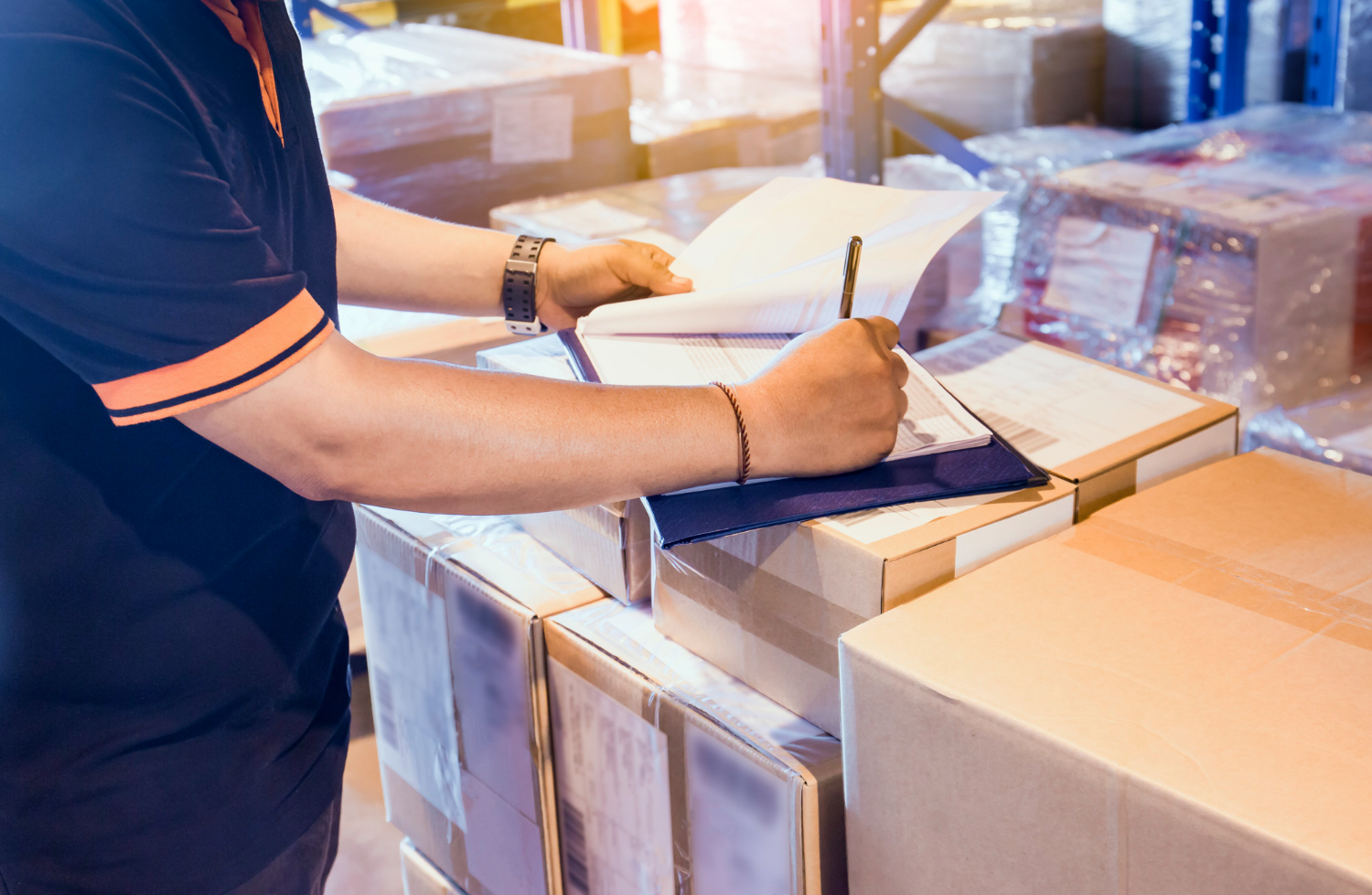
  • Smooth Sailing Through Borders: Expert Customs Clearance Solutions for Global Trade

    Smooth Sailing Through Borders: Expert Customs Clearance Solutions for Global Trade

    In the ever-evolving landscape of global trade, the efficient movement of goods across international borders is vital for businesses aiming to expand their reach and remain competitive. At the heart of this seamless logistics network lies a crucial service: customs clearance. Customs clearance is the process that ensures goods successfully comply with all legal and regulatory requirements of a particular country before they are imported or exported. Without it, businesses could face significant delays, penalties, or even the confiscation of goods.

    This article explores the importance of expert customs clearance solutions in global trade, the challenges involved, and how businesses can leverage professional services to ensure smooth and timely deliveries.

    What is Customs Clearance?

    Customs clearance refers to the preparation and submission of documentation required to facilitate the import or export of goods into or out of a country. The process involves the classification of goods, payment of duties and taxes, and the clearance of goods by customs authorities. For companies involved in international shipping, understanding and efficiently managing customs clearance is crucial.

    The documentation typically includes:

    • Commercial Invoice
    • Bill of Lading
    • Packing List
    • Certificate of Origin
    • Import/Export Licenses

    These documents must be accurate and complete to avoid delays, fines, or non-compliance penalties.

    Why is Customs Clearance Crucial in Global Trade?

    1. Regulatory Compliance: Every country has its own set of customs regulations, tariffs, and import/export restrictions. Customs clearance ensures that businesses comply with these regulations, avoiding legal complications.
    2. Avoiding Delays: Inaccurate or incomplete documentation can lead to goods being held up at the border. This disrupts supply chains and increases costs.
    3. Cost Management: Expert customs clearance solutions help in calculating the correct duties and taxes, preventing overpayment and unexpected costs.
    4. Efficient Supply Chain: A seamless customs process ensures timely delivery, maintaining customer satisfaction and business continuity.
    5. Risk Reduction: Professional customs brokers understand the complexities and can mitigate risks related to compliance, penalties, or shipment rejections.

    Challenges in Customs Clearance

    Navigating the customs process can be complex and time-consuming, especially for businesses new to international trade. Common challenges include:

    • Changing Regulations: Trade policies and regulations often change. Keeping up with these changes is essential to remain compliant.
    • Complex Tariff Structures: Classifying goods correctly under the Harmonized System (HS) codes can be complicated and errors can lead to miscalculated duties.
    • Language Barriers: Dealing with customs in different countries may involve understanding foreign languages and terminologies.
    • Documentation Errors: Even small errors in documentation can result in significant delays or penalties.
    • Fraud and Security Issues: The risk of counterfeit goods or misdeclared shipments can pose serious legal and reputational risks.

    Role of Expert Customs Clearance Providers

    To overcome these challenges, many businesses turn to expert customs clearance providers. These professionals, often licensed customs brokers or freight forwarding companies, offer a range of services including:

    1. Documentation Preparation and Review: Ensuring all paperwork is accurate, complete, and compliant with local regulations.
    2. Duty and Tax Calculation: Helping businesses understand and plan for the cost of duties and taxes, and exploring opportunities for exemptions or reductions.
    3. Goods Classification: Accurately classifying goods using HS codes to ensure correct tariff application.
    4. Customs Negotiation and Communication: Acting as intermediaries between the business and customs authorities to resolve issues quickly.
    5. Real-time Tracking and Reporting: Providing businesses with updates on shipment status and customs clearance progress.
    6. Consultation and Advisory: Offering strategic advice on how to optimize the shipping and clearance process.

    Technology and Customs Clearance

    Modern customs clearance services increasingly rely on technology to streamline operations. Automated systems and digital platforms reduce manual errors and speed up processes. Some key technologies include:

    • Electronic Data Interchange (EDI): Enables faster submission and processing of documents.
    • Customs Management Software: Offers end-to-end visibility and control over the customs process.
    • AI and Machine Learning: Helps in predicting delays, identifying compliance issues, and classifying goods.
    • Blockchain: Enhances transparency and security in the trade process by providing an immutable record of transactions.

    These technologies help customs clearance providers offer faster, more reliable, and more transparent services.

    Choosing the Right Customs Clearance Partner

    Selecting the right customs clearance partner is crucial to ensuring a smooth global trade experience. Here are some factors to consider:

    1. Experience and Expertise: Look for providers with a strong track record and knowledge of specific countries or regions you trade with.
    2. Regulatory Knowledge: The partner should be well-versed in international trade laws and customs regulations.
    3. Technology Integration: Opt for providers that leverage modern technology to enhance service efficiency.
    4. Network and Reach: A global network allows for better coordination and support across multiple borders.
    5. Customer Support: Responsive and knowledgeable support can help resolve issues quickly and efficiently.

    Future of Customs Clearance

    As global trade continues to evolve, so will customs clearance practices. Emerging trends include:

    • Increased Digitalization: Governments and customs authorities are adopting digital systems for greater efficiency.
    • Green Customs Initiatives: Environmental concerns are leading to regulations on the carbon footprint of imports/exports.
    • Post-Brexit Adjustments: Ongoing changes in trade agreements like Brexit require businesses to remain agile and informed.
    • Greater Emphasis on Security: Ensuring secure and fraud-free shipments will remain a priority.

    Conclusion

    In the dynamic world of international trade, having reliable customs clearance solutions is not just beneficial—it’s essential. From ensuring compliance and minimizing delays to enhancing supply chain efficiency and reducing costs, expert customs clearance providers play a pivotal role in the smooth movement of goods across borders.

    For businesses aiming to expand globally, investing in professional customs clearance services is a smart move. With the right partner, your goods can navigate borders seamlessly, ensuring that your international trade journey is as smooth as possible.

    Whether you’re a seasoned importer/exporter or just stepping into global markets, understanding and leveraging customs clearance expertise will set the foundation for long-term success in global trade.

  • Why Efficient Customs Clearance at London Gateway is Crucial for Your Business

    Why Efficient Customs Clearance at London Gateway is Crucial for Your Business

    London Gateway is one of the UK’s most advanced deep-sea ports, serving as a vital hub for international trade. Businesses importing and exporting goods through this port must navigate a complex customs clearance process. Efficient customs clearance London Gateway services are essential to ensure smooth operations, reduce delays, and maintain compliance. Here’s why optimizing your customs clearance process at London Gateway is critical for your business success.

    1. Avoid Costly Delays and Supply Chain Disruptions

    Delays in customs clearance can lead to severe disruptions in your supply chain. Whether you are dealing with perishable goods, time-sensitive shipments, or large inventory volumes, inefficient customs processes can result in extended storage fees, increased shipping costs, and unhappy customers. A streamlined customs clearance process ensures that your goods move quickly through the port, minimizing hold-ups and financial losses.

    2. Ensure Compliance with UK Regulations

    The UK’s customs regulations are stringent, requiring businesses to comply with various legal requirements, including import duties, VAT payments, and trade documentation. Failure to adhere to these regulations can lead to fines, penalties, or even confiscation of goods. Experienced customs clearance professionals help businesses stay compliant with UK laws, reducing the risk of legal issues.

    3. Reduce Administrative Burden

    Customs clearance involves extensive paperwork, including import/export declarations, HS codes, and tax calculations. Handling these processes manually can be time-consuming and error-prone. By outsourcing to a customs clearance specialist at London Gateway, businesses can reduce their administrative workload and focus on core operations.

    4. Enhance Business Reputation and Customer Satisfaction

    Timely deliveries are crucial for maintaining customer trust and satisfaction. Any delay caused by inefficient customs procedures can impact client relationships and brand reputation. With a well-managed customs clearance strategy, businesses can ensure smooth and prompt delivery of goods, enhancing customer experience and loyalty.

    5. Optimize Cost Efficiency

    Efficient customs clearance services help businesses minimize unnecessary costs associated with delays, incorrect documentation, and storage fees. Professionals in customs clearance London Gateway are well-versed in tariff classifications, duty exemptions, and trade agreements, helping businesses save money and optimize their logistics budget.

    6. Facilitate International Trade Growth

    For businesses looking to expand globally, having a reliable customs clearance process at London Gateway is essential. Smooth customs operations ensure that businesses can scale their international trade without being hindered by regulatory complexities. This enhances competitiveness in the global market and opens new trade opportunities.

    Conclusion

    Efficient customs clearance London Gateway services play a pivotal role in ensuring smooth trade operations, compliance with UK laws, and cost-effective logistics. Partnering with experienced customs brokers can help businesses streamline their processes, reduce risks, and maintain a strong reputation in the market. Whether you’re an importer or exporter, prioritizing a seamless customs clearance strategy is key to business success.

    For expert customs clearance solutions at London Gateway, consult professionals who specialize in handling customs procedures with precision and efficiency.

  • Felixstowe Customs Clearance Solutions: Get Your Shipments Cleared Fast

    Felixstowe Customs Clearance Solutions: Get Your Shipments Cleared Fast

    Felixstowe is the UK’s busiest and most important container port, handling millions of shipments annually. With this high volume of trade, navigating customs clearance efficiently is essential for businesses. Whether you’re importing or exporting, delays in customs can be costly. This is where customs clearance Felixstowe come in, ensuring your shipments pass through smoothly, avoiding unnecessary hold-ups and extra charges.

    Why Efficient Customs Clearance Matters

    Customs clearance is a crucial step in global trade. It involves processing documents, paying duties, and ensuring that shipments comply with government regulations. Delays in clearance can lead to:

    ✅ Increased storage costs
    ✅ Disruptions in supply chains
    ✅ Missed delivery deadlines
    ✅ Additional penalties and fees

    To prevent these issues, choosing the right customs clearance service is essential.

    Key Customs Clearance Solutions in Felixstowe

    1. Expert Documentation Handling

    One of the biggest reasons for customs delays is incorrect paperwork. Professional customs brokers in Felixstowe ensure all documents, including import/export declarations, invoices, and licenses, are correctly filled and submitted on time.

    2. Fast-Track Clearance for Time-Sensitive Shipments

    Urgent shipments require special handling. Reputable customs agents offer priority clearance services, reducing processing time and ensuring quick release from customs.

    3. Duty & Tax Calculations

    Understanding import duties and taxes can be complex. Customs clearance specialists provide accurate duty and VAT calculations to help businesses avoid unexpected costs.

    4. Compliance with UK and International Regulations

    Post-Brexit trade regulations have changed customs procedures significantly. Customs clearance services in Felixstowe keep up with the latest trade laws to ensure smooth compliance with UK and global trade regulations.

    5. Customs Bonded Warehousing

    For businesses looking to defer duty payments, bonded warehousing solutions allow storage of goods without immediate tax payments. This can help manage cash flow while ensuring inventory is ready for dispatch.

    6. Freight Forwarding & Logistics Support

    Customs clearance goes hand in hand with logistics. Many service providers in Felixstowe offer end-to-end solutions, including freight forwarding, transportation, and supply chain management.

    Choosing the Right Customs Clearance Partner

    When selecting a customs clearance provider in Felixstowe, look for:

    Experience & Expertise – A knowledgeable agent can navigate complex regulations with ease.
    Speed & Efficiency – Fast processing reduces downtime and prevents delays.
    Transparent Pricing – No hidden fees or unexpected charges.
    Reliable Customer Support – Assistance when you need it most.

    Conclusion

    Efficient Felixstowe customs clearance solutions ensure that your shipments move through customs quickly and compliantly. By working with experienced customs brokers, businesses can avoid costly delays, stay compliant with regulations, and focus on smooth trading operations.

    If you’re looking for reliable customs clearance services in Felixstowe, choose a trusted provider to keep your supply chain moving without disruption. 🚢✅

  • Mastering Customs Clearance: Essential Documents & Procedures You Should Know

    Mastering Customs Clearance: Essential Documents & Procedures You Should Know

    Navigating customs clearance can be a daunting task, especially if you’re unfamiliar with the necessary procedures and documentation. Whether you’re importing or exporting goods, ensuring smooth customs clearance is crucial for avoiding delays, penalties, and additional costs. In this guide, we will explore the essential documents and procedures required for effective customs clearance, with a special focus on customs clearance Liverpool.

    Understanding Customs Clearance

    Customs clearance is the process of submitting the necessary documents, paying duties and taxes, and complying with regulations to allow goods to enter or exit a country legally. Without proper customs clearance, shipments can be delayed or even rejected, leading to significant financial and operational setbacks.

    Essential Documents for Customs Clearance

    To ensure seamless customs clearance, businesses and individuals must prepare the following essential documents:

    1. Bill of Lading (BOL)

    The Bill of Lading is a legally binding document issued by the carrier to acknowledge the receipt of goods for shipment. It includes details about the type, quantity, and destination of the goods.

    2. Commercial Invoice

    This document provides a detailed description of the shipped goods, including their value, quantity, and buyer-seller details. It is crucial for determining customs duties and taxes.

    3. Packing List

    A packing list outlines the contents of the shipment, including weight, dimensions, and packaging details. It helps customs officials verify the accuracy of the shipment.

    4. Import/Export License

    Certain goods require an import or export license issued by the respective government authority. Ensure compliance with licensing requirements before shipping.

    5. Customs Declaration Form

    A customs declaration form provides information about the shipment, including its origin, value, and classification under the Harmonized System (HS) code.

    6. Certificate of Origin

    This document certifies the country where the goods were manufactured. It may be required to determine eligibility for preferential trade agreements.

    7. Insurance Certificate

    The insurance certificate provides coverage details for the shipment, ensuring protection against potential losses during transit.

    8. Duty Payment Receipts

    Proof of payment for applicable customs duties and taxes is necessary for clearing goods through customs.

    Key Procedures for Customs Clearance

    The customs clearance process involves several important steps:

    1. Documentation Submission

    Ensure all required documents are accurately completed and submitted to customs authorities for review.

    2. Goods Classification

    Assign the correct HS code to the goods to determine applicable duties and taxes.

    3. Duty & Tax Calculation

    Customs authorities assess the applicable duties, taxes, and other charges based on the shipment details.

    4. Customs Inspection

    Goods may be subjected to inspection to verify compliance with regulations. Random checks or targeted inspections can occur.

    5. Payment of Duties & Taxes

    The importer/exporter must pay the assessed duties and taxes before the goods are released.

    6. Release of Goods

    Once all requirements are met, customs authorities grant clearance, and the goods are released for delivery.

    Customs Clearance in Liverpool

    Liverpool is a major hub for international trade, making customs clearance a critical process for businesses operating in the region. Efficient customs clearance Liverpool services ensure that shipments move smoothly through the port, reducing delays and costs.

    Companies specializing in customs brokerage can assist with document preparation, duty calculations, and compliance with UK import/export regulations. Whether you are shipping by sea, air, or land, working with experienced customs clearance professionals in Liverpool can streamline the process and prevent costly errors.

    Final Thoughts

    Mastering customs clearance requires a thorough understanding of the required documents and procedures. By preparing the necessary paperwork, ensuring regulatory compliance, and leveraging expert customs clearance services, businesses can facilitate smooth trade operations.

    For businesses dealing with customs clearance Liverpool, partnering with an experienced brokerage service can make the process more efficient and hassle-free. Stay informed, stay prepared, and ensure seamless customs clearance for all your shipments.

  • Customs Clearance Southampton: A Comprehensive Guide

    Customs Clearance Southampton: A Comprehensive Guide

    Southampton is one of the UK’s busiest and most important ports, handling millions of tonnes of cargo each year. With its strategic location and excellent connectivity, it serves as a crucial hub for international trade. However, businesses importing and exporting goods through Southampton must navigate the complexities of customs clearance to ensure smooth and compliant operations.

    In this article, we provide a comprehensive guide to customs clearance in Southampton, covering key aspects such as procedures, regulations, documentation, and the role of customs brokers. Whether you’re a business owner, freight forwarder, or logistics manager, understanding these processes will help you avoid delays, reduce costs, and ensure compliance with UK and international trade laws.

    Understanding Customs Clearance

    Customs clearance is the process by which goods are authorized for entry or exit in a country. This process involves verifying documents, assessing duties and taxes, and ensuring compliance with import and export regulations.

    For businesses using Southampton Port, customs clearance is a critical step in their supply chain. Failure to comply with regulations can result in delays, penalties, or even seizure of goods.

    Why Is Customs Clearance Important?

    • Compliance with Laws and Regulations: Ensures adherence to UK customs laws and international trade agreements.
    • Prevention of Delays: Proper documentation and declaration can expedite cargo movement.
    • Avoidance of Fines and Penalties: Incorrect filing or misdeclaration can lead to significant fines.
    • Cost Efficiency: Timely clearance helps reduce demurrage and storage costs at the port.

    Key Steps in the Customs Clearance Process

    1. Import Customs Clearance

    Importing goods into Southampton involves several steps, including:

    • Customs Declaration: Filing an import declaration with HM Revenue & Customs (HMRC) through the Customs Declaration Service (CDS).
    • Duty and VAT Calculation: Determining applicable duties and Value Added Tax (VAT) based on the commodity code.
    • Border Inspection: Some goods require physical examination or additional certifications.
    • Customs Approval: Once approved, goods are released for further transportation.

    2. Export Customs Clearance

    For businesses exporting goods from Southampton, the steps include:

    • Export Declaration: Submitting an export declaration to HMRC via CDS.
    • Licensing and Certification: Ensuring that the goods meet UK and destination country requirements.
    • Export Duties (if applicable): Some exports may be subject to specific duties.
    • Customs Check: Ensuring compliance before the cargo is loaded onto vessels.

    Essential Documents for Customs Clearance

    The customs clearance process requires several key documents, including:

    1. Bill of Lading (B/L)

    Issued by the shipping line, this document confirms the receipt of goods for shipment.

    2. Commercial Invoice

    Details the transaction, including the value, quantity, and nature of goods.

    3. Packing List

    Provides specifics on the shipment, including weight and packaging details.

    4. Customs Declaration Form

    Submitted electronically via CDS, detailing the nature of goods for import/export.

    5. Certificates and Licenses

    Certain goods, such as food, pharmaceuticals, and hazardous materials, require additional certifications.

    6. Proof of Origin (e.g., EUR1 or Certificate of Origin)

    Required for preferential trade agreements to benefit from reduced tariffs.

    The Role of Customs Brokers in Southampton

    Given the complexities of customs clearance, many businesses turn to customs brokers for assistance. A customs broker helps with:

    • Filing and Submitting Customs Declarations
    • Calculating Duties and Taxes
    • Ensuring Compliance with Regulations
    • Facilitating Faster Clearance
    • Handling Tariff Classification and Valuation

    Choosing the Right Customs Broker

    When selecting a customs broker in Southampton, consider:

    • Experience in Your Industry
    • HMRC Certification and Accreditation
    • Knowledge of UK and International Trade Laws
    • Transparent Pricing and Fees

    Challenges in Customs Clearance

    Businesses face several challenges when dealing with customs clearance in Southampton, including:

    1. Post-Brexit Trade Changes

    The UK’s departure from the EU has led to new import/export requirements, including additional paperwork, duties, and border checks.

    2. Tariff and Duty Fluctuations

    Changes in government policies and trade agreements impact duty rates, making it essential to stay updated.

    3. Compliance Risks

    Failing to provide accurate information can result in penalties and delays.

    4. Congestion and Delays

    High cargo volume at Southampton Port sometimes leads to processing delays, especially during peak seasons.

    Best Practices for Smooth Customs Clearance

    To ensure a hassle-free customs clearance process, businesses should follow these best practices:

    1. Ensure Complete and Accurate Documentation

    Incomplete or incorrect paperwork is the leading cause of delays. Always double-check all documents before submission.

    2. Use a Reliable Customs Broker

    A professional customs broker can streamline the clearance process and help with compliance.

    3. Stay Updated on Regulations

    UK customs rules frequently change, particularly post-Brexit. Keep track of HMRC updates to avoid surprises.

    4. Plan for Possible Delays

    Unexpected delays can occur, so build buffer time into your shipping schedule.

    5. Classify Goods Correctly

    Incorrect tariff classification can lead to incorrect duty charges. Use HMRC’s Trade Tariff Tool to find the correct codes.

    Future of Customs Clearance in Southampton

    With advancements in technology and evolving trade policies, the future of customs clearance in Southampton is set to become more efficient. Key trends include:

    1. Automation and AI in Customs Processing

    Digital customs systems and AI-driven risk assessments will reduce manual processing times.

    2. Blockchain for Trade Transparency

    Blockchain technology is being explored for secure and transparent tracking of shipments.

    3. Stronger Post-Brexit Trade Agreements

    The UK government continues to negotiate new trade deals, which may impact customs regulations.

    4. Green Logistics Initiatives

    Sustainability efforts are pushing for eco-friendly customs procedures and reduced carbon footprints in freight transportation.

    Conclusion

    Navigating customs clearance in Southampton can be a complex but manageable process when approached correctly. By understanding regulations, preparing the necessary documentation, and seeking assistance from experienced customs brokers, businesses can ensure smooth and efficient trade operations.

    With the right knowledge and proactive planning, companies can avoid costly delays, minimize risks, and maximize profitability when importing and exporting through Southampton. As trade regulations continue to evolve, staying informed and adopting best practices will be key to seamless customs operations in the future.

    If you’re looking for professional support in customs clearance at Southampton Port, consider partnering with a trusted customs broker to handle your import/export needs efficiently!

    Write something…

  • Customs Clearance: A Comprehensive Guide to Smooth International Trade

    Customs Clearance: A Comprehensive Guide to Smooth International Trade

    In the dynamic world of international trade, customs clearance is a crucial process that ensures the seamless movement of goods across borders. Whether you’re an importer, exporter, or logistics professional, understanding customs clearance is essential to avoid delays, fines, and disruptions in your supply chain.

    This article delves into the significance of customs clearance, its key processes, challenges businesses face, and best practices to streamline international shipments effectively.


    What is Customs Clearance?

    Customs clearance refers to the official process of passing goods through customs authorities to allow them to enter or exit a country legally. It involves the submission of necessary documentation, payment of applicable duties and taxes, and compliance with import and export regulations.

    Customs authorities ensure that imported and exported goods meet the country’s legal and safety requirements while generating revenue through tariffs and duties.


    The Importance of Customs Clearance

    1. Ensures Legal Compliance

    Failure to adhere to customs regulations can result in severe penalties, including fines, confiscation of goods, and even legal action. Proper customs clearance ensures full compliance with international trade laws.

    2. Prevents Delays in Supply Chain

    A delayed customs clearance process can disrupt supply chains, leading to financial losses and dissatisfied customers. Efficient clearance helps businesses maintain timely deliveries.

    3. Facilitates Smooth International Trade

    Customs clearance ensures that goods move seamlessly between countries, enabling global commerce and strengthening international business relationships.

    4. Helps Avoid Unnecessary Costs

    Errors in documentation or incorrect tariff classifications can lead to additional duties and penalties. Proper customs procedures help businesses minimize unnecessary expenses.


    Key Steps in the Customs Clearance Process

    1. Document Preparation

    Accurate documentation is the foundation of a hassle-free customs clearance process. Key documents include:

    • Bill of Lading (BOL) or Airway Bill (AWB): Proof of shipment.
    • Commercial Invoice: Specifies the goods’ value and description.
    • Packing List: Details about packaging, quantity, and weight.
    • Import/Export License: Required in some countries for regulated goods.
    • Customs Declaration Form: Provides details on the shipment.
    • Certificates of Origin: Required for tariff exemptions or trade agreements.

    2. Customs Duty and Tax Assessment

    Customs authorities assess import duties and taxes based on:

    • The Harmonized System (HS) Code classification of goods.
    • The customs value (CIF or FOB pricing).
    • Any applicable trade agreements or exemptions.

    3. Customs Inspection and Clearance

    Authorities may conduct random inspections to verify compliance with regulations. Depending on the country, goods may be:

    • Cleared immediately if all documentation is in order.
    • Held for additional inspection if discrepancies arise.
    • Quarantined or confiscated if they violate trade laws.

    4. Payment of Duties and Taxes

    Importers must pay applicable customs duties and taxes before the goods are released. This is usually done through the importer’s customs broker or freight forwarder.

    5. Release of Goods

    Once all requirements are met, customs authorities release the goods, allowing them to proceed to their final destination.


    Challenges in Customs Clearance

    Despite its importance, businesses often face various challenges in customs clearance, including:

    1. Complex Regulations

    Customs laws and procedures differ from country to country, making compliance a daunting task for businesses dealing with multiple international markets.

    2. Frequent Policy Changes

    Tariff rates, trade agreements, and import restrictions frequently change, requiring businesses to stay updated to avoid unexpected costs or delays.

    3. Incorrect Documentation

    Even minor errors in invoices, HS codes, or shipping details can lead to customs delays, penalties, or shipment rejections.

    4. Lengthy Clearance Times

    Customs procedures in some countries involve lengthy bureaucratic processes, increasing shipment lead times and costs.

    5. Unpredictable Inspections

    Customs authorities may conduct random inspections, which can lead to unexpected delays and added costs for businesses.


    Best Practices for Smooth Customs Clearance

    1. Work with an Experienced Customs Broker

    A licensed customs broker is well-versed in international trade laws and can handle complex paperwork, ensuring smooth clearance for your shipments.

    2. Maintain Accurate and Complete Documentation

    To avoid clearance delays, ensure all customs documents are properly prepared and double-checked for accuracy before submission.

    3. Understand Tariff Classifications and Duty Rates

    Correctly classifying your goods under the Harmonized System (HS) Code helps determine the exact duty rates, preventing unexpected costs.

    4. Leverage Technology and Automation

    Digital solutions such as Electronic Data Interchange (EDI) and customs clearance software can streamline documentation and reduce errors.

    5. Stay Updated on Trade Regulations

    Regularly check import/export regulations, tariff updates, and free trade agreements that may impact your business.

    6. Plan for Customs Delays

    Factor in potential customs delays in your supply chain planning to ensure timely delivery and avoid disruptions.

    7. Use Free Trade Agreements (FTAs)

    Leveraging bilateral and regional trade agreements can help reduce duties and improve trade efficiency.

    8. Ensure Proper Packaging and Labeling

    Adhering to country-specific packaging and labeling requirements prevents unnecessary inspections or rejections.


    Role of Customs Brokers in Facilitating Trade

    A customs broker acts as an intermediary between businesses and customs authorities, ensuring compliance and efficient clearance. Their responsibilities include:

    • Assessing duties and taxes based on tariff classifications.
    • Preparing and submitting customs documentation.
    • Managing customs duties payment and audits.
    • Advising businesses on regulatory compliance.

    Hiring a reliable customs broker can save businesses time, money, and the hassle of dealing with complex customs regulations.


    Future Trends in Customs Clearance

    With technological advancements and policy changes, customs clearance is evolving rapidly. Key trends shaping the future include:

    1. Blockchain for Transparent Trade

    Blockchain technology is being explored to enhance transparency in global trade, ensuring secure and tamper-proof documentation.

    2. Artificial Intelligence (AI) in Customs Processing

    AI-powered customs systems are improving risk assessment, reducing inspection times, and speeding up clearance processes.

    3. Paperless and Automated Clearance Systems

    Many countries are moving toward fully digital customs clearance, reducing paperwork and processing times.

    4. Integration of IoT in Supply Chains

    The Internet of Things (IoT) allows real-time tracking of shipments, improving customs monitoring and efficiency.

    5. Green Customs Initiatives

    Sustainability-focused customs practices are promoting eco-friendly trade through reduced carbon footprints and sustainable packaging requirements.


    Conclusion

    Customs clearance is a critical component of global trade, impacting shipping efficiency, compliance, and cost management. Understanding the key steps, challenges, and best practices helps businesses navigate the complexities of international trade smoothly.

    By working with expert customs brokers, staying updated on trade policies, and leveraging automation technologies, businesses can ensure seamless customs clearance and efficient supply chain operations.

    As international trade continues to evolve, embracing digital solutions and regulatory updates will be essential for maintaining a competitive edge in global markets.

    🚀 Efficient customs clearance is the key to unlocking global business success—start optimizing your trade processes today!

  • Customs Clearance Felixstowe: A Complete Guide to Smooth Import & Export

    Customs Clearance Felixstowe: A Complete Guide to Smooth Import & Export

    Felixstowe is the UK’s busiest and most significant container port, handling nearly half of Britain’s containerized trade. If you’re an importer or exporter, understanding customs clearance at Felixstowe is crucial for smooth shipping operations. Navigating customs procedures efficiently can save time, reduce costs, and prevent unnecessary delays. In this guide, we will explore everything you need to know about customs clearance at Felixstowe, from essential documentation to key processes and expert tips.

    Why is Felixstowe Important for Customs Clearance?

    The Port of Felixstowe, strategically located on the east coast of England, serves as a major gateway for international trade. Its world-class infrastructure and advanced logistics make it an ideal choice for businesses dealing with global supply chains.

    Key reasons why Felixstowe plays a vital role in customs clearance:

    • Handles over 4 million TEUs (Twenty-foot Equivalent Units) annually
    • Direct shipping routes to major ports worldwide
    • Advanced customs processing systems
    • Proximity to major road and rail networks

    Understanding Customs Clearance at Felixstowe

    Customs clearance is the process of ensuring goods comply with UK regulations before they are imported or exported. It involves the submission of necessary documents, payment of duties and taxes, and compliance with legal standards.

    Essential Documents for Customs Clearance

    Whether you are importing or exporting, the following documents are critical for customs clearance at Felixstowe:

    1. Commercial Invoice – Details the value, quantity, and description of goods.
    2. Packing List – Provides specifics on packaging and weight.
    3. Bill of Lading (BOL) or Airway Bill – Confirms shipment details.
    4. Customs Declaration (C88/SAD Form) – Required for HMRC clearance.
    5. Import/Export Licenses (if applicable) – Necessary for restricted goods.
    6. Commodity Codes (HS Codes) – Determines duty and tax rates.
    7. EORI Number – A must for businesses trading internationally.
    8. Certificates of Origin – Required for trade agreements or preference claims.

    Customs Clearance Process at Felixstowe

    Step 1: Import Pre-Arrival Notification

    Before your goods arrive at Felixstowe, you must submit a pre-arrival notification via the Customs Handling of Import and Export Freight (CHIEF) system or the new Customs Declaration Service (CDS).

    Step 2: Submission of Declarations

    Importers must file an Import Declaration (C88), including all necessary supporting documents. The declaration must be accurate to avoid penalties or shipment delays.

    Step 3: Customs Duty & VAT Assessment

    HMRC assesses customs duty based on the declared value and the applicable commodity code (HS code). Import VAT is also calculated accordingly.

    Step 4: Inspection & Compliance Checks

    Goods may be randomly selected for customs inspection to ensure compliance with regulations. Certain products (e.g., food, pharmaceuticals, chemicals) may require additional checks by regulatory bodies.

    Step 5: Duty Payment & Release of Goods

    Once duty and VAT payments are processed, customs clearance is granted. The goods are released for delivery to their final destination.

    Post-Brexit Changes & Customs Clearance at Felixstowe

    The UK’s exit from the European Union introduced new customs procedures for EU trade. Key changes include:

    • Full Customs Declarations now required for all EU imports/exports.
    • Rules of Origin Compliance for preferential tariffs.
    • Border Control Post Checks for certain goods.
    • Postponed VAT Accounting (PVA) for import VAT.

    Businesses trading with the EU must stay updated with evolving customs regulations to ensure compliance.

    Common Challenges in Customs Clearance & How to Overcome Them

    1. Incomplete or Incorrect Documentation

    Incorrect details can lead to delays and fines. Solution: Work with an experienced customs broker to ensure all paperwork is accurate.

    2. Customs Delays & Congestion

    Felixstowe experiences high traffic, which can cause clearance delays. Solution: Use digital pre-clearance services and ensure documents are submitted in advance.

    3. Classification Errors (Wrong HS Codes)

    Incorrect classification can result in overpayment or legal issues. Solution: Refer to HMRC’s Trade Tariff Tool or consult an expert to determine the right HS code.

    4. High Import Duties & VAT Costs

    Unexpected duty rates can impact cost-effectiveness. Solution: Utilize available trade agreements, duty deferment schemes, or bonded warehousing.

    How a Customs Broker Can Help at Felixstowe

    Hiring a customs broker can streamline the clearance process, ensuring compliance and efficiency. Services offered by customs brokers include:

    • Customs declaration submissions
    • Duty & VAT calculations
    • Compliance audits
    • Document verification
    • Liaison with HMRC and port authorities

    Final Thoughts

    Navigating customs clearance at Felixstowe requires knowledge, preparation, and compliance with UK trade laws. By understanding the process, preparing accurate documentation, and leveraging expert customs brokers, businesses can ensure a hassle-free import/export experience.

    If you need professional customs clearance services at Felixstowe, partnering with an experienced customs expert can save time, reduce costs, and enhance efficiency in global trade.

    Stay informed, stay compliant, and make customs clearance at Felixstowe a seamless process!

  • Customs Clearance: A Comprehensive Guide for Smooth International Trade

    Customs Clearance: A Comprehensive Guide for Smooth International Trade

    In today’s globalized economy, businesses and individuals regularly import and export goods across international borders. One of the most critical aspects of this process is customs clearance—the procedure by which goods are authorized for import or export by a country’s customs authorities. Understanding customs clearance can help businesses avoid delays, penalties, and additional costs, ensuring a seamless movement of goods across borders.

    This guide provides a comprehensive overview of customs clearance, covering key concepts, necessary documentation, potential challenges, and best practices to ensure a smooth process.


    What is Customs Clearance?

    Customs clearance is the process of obtaining permission from government authorities for goods to enter or leave a country. This involves:

    • Declaring the goods to customs authorities
    • Paying applicable duties and taxes
    • Ensuring compliance with trade regulations

    Every country has its own set of customs rules, and non-compliance can lead to shipment delays, fines, or even confiscation of goods.


    Why is Customs Clearance Important?

    1. Regulatory Compliance: Ensures that imports and exports comply with the laws of both the exporting and importing countries.
    2. Revenue Generation: Governments collect duties and taxes to generate revenue.
    3. Safety and Security: Prevents illegal or unsafe goods from entering a country.
    4. Smooth Trade Operations: Reduces delays and ensures uninterrupted supply chain movement.

    Understanding and following customs regulations is crucial for businesses engaged in international trade.


    Key Documents Required for Customs Clearance

    To clear goods through customs, businesses and individuals must prepare and submit specific documents. The most common ones include:

    1. Commercial Invoice

    • A document issued by the seller listing the goods, their value, and terms of sale.

    2. Packing List

    • Details about the contents of the shipment, including weight, quantity, and packaging details.

    3. Bill of Lading (B/L) or Airway Bill (AWB)

    • A transportation document issued by the carrier that confirms the shipment of goods.

    4. Customs Declaration Form

    • Submitted to customs authorities, detailing the type, quantity, and value of goods being imported or exported.

    5. Import/Export Licenses (if required)

    • Some countries require special permits or licenses for certain goods.

    6. Certificate of Origin

    • Confirms where the goods were manufactured and may be needed to qualify for preferential tariffs under trade agreements.

    7. Insurance Certificate

    • Ensures coverage for goods in case of loss or damage during transit.

    Missing or incorrect documentation can lead to delays and additional charges, making it essential to verify all paperwork before shipment.


    The Customs Clearance Process

    1. Pre-Shipment Preparation

    • Verify all required documents and ensure compliance with import/export regulations.
    • Obtain necessary permits or certifications if required.
    • Arrange for proper packaging and labeling.

    2. Submission of Customs Declaration

    • The importer or their customs broker submits the customs declaration electronically or manually.
    • Customs authorities review the documents and assess duties, taxes, and tariffs.

    3. Customs Inspection (If Required)

    • Some shipments may be selected for inspection to verify compliance with regulations.
    • Inspection may involve checking documentation, physical examination, or scanning of goods.

    4. Duty and Tax Payment

    • Once cleared, the importer must pay any applicable customs duties, VAT, or other taxes before the goods are released.

    5. Release of Goods

    • After completing all procedures, customs authorities grant clearance, and the goods are released for delivery to the final destination.

    Understanding and preparing for each step in this process can help businesses minimize delays and unexpected costs.


    Common Challenges in Customs Clearance

    Despite careful planning, businesses may face several challenges during customs clearance. These include:

    1. High Duties and Tariffs

    • Some countries impose high import duties, which can significantly increase costs. Businesses should check applicable tariff rates before shipping.

    2. Complex Regulatory Requirements

    • Regulations vary across countries, and keeping up with changing trade policies can be challenging.

    3. Customs Delays

    • Delays may occur due to incomplete documentation, customs inspections, or changes in regulations.

    4. Restricted and Prohibited Goods

    • Certain products (e.g., hazardous materials, pharmaceuticals, or animal products) may have restrictions or require special permits.

    5. Currency and Exchange Rate Fluctuations

    • Unexpected currency fluctuations can impact the cost of duties and taxes, affecting profitability.

    Best Practices for Smooth Customs Clearance

    1. Work with an Experienced Customs Broker

    • A licensed customs broker can help navigate complex customs regulations, ensuring compliance and reducing delays.

    2. Classify Goods Accurately

    • Use the correct Harmonized System (HS) Code to determine duty rates and avoid penalties.

    3. Keep Up with Regulatory Changes

    • International trade regulations can change frequently; staying updated helps avoid unexpected issues.

    4. Maintain Proper Documentation

    • Double-check all customs documents to prevent errors that could lead to delays or fines.

    5. Understand Duty and Tax Exemptions

    • Some goods qualify for reduced duties under trade agreements; knowing these can save costs.

    6. Use Digital Solutions for Compliance

    • Many countries offer electronic customs clearance systems to speed up the process and reduce paperwork.

    The Role of Customs Brokers and Freight Forwarders

    Customs Brokers

    • Licensed professionals who specialize in customs regulations and documentation.
    • Assist with tariff classification, duty calculations, and customs clearance procedures.

    Freight Forwarders

    • Coordinate the transportation of goods across borders.
    • Work with customs brokers to ensure smooth clearance and delivery.

    Hiring professionals for customs clearance can help businesses focus on their core operations while ensuring compliance with international trade laws.


    Conclusion

    Customs clearance is a crucial aspect of international trade, ensuring compliance with import and export regulations while facilitating the smooth movement of goods across borders. Businesses and individuals must understand the customs clearance process, required documentation, and best practices to avoid delays and additional costs.

    By working with experienced customs brokers, staying informed about regulatory changes, and maintaining accurate documentation, businesses can streamline their customs clearance process and improve their overall trade efficiency.

    As global trade continues to evolve, keeping up with customs requirements and leveraging digital solutions will be key to staying competitive in the international market.

    For businesses looking to simplify their customs clearance process, investing in expert guidance and modern technology can make all the difference.