Tag: ImportExport

  • How to Reduce Duty Costs Legally: Smart Strategies for UK Importers

    How to Reduce Duty Costs Legally: Smart Strategies for UK Importers

    Why Reducing Duty Costs Matters

    Import duty can significantly increase the landed cost of your goods. For many businesses, duty is one of the largest — and most overlooked — operational expenses. The good news is that there are fully legal, HMRC‑approved ways to reduce or eliminate duty costs, provided you understand the rules and apply them correctly.

    This guide outlines the most effective strategies to reduce duty costs without risking penalties, delays, or compliance issues.

    1. Use the Correct HS/Commodity Code

    Your HS code determines your duty rate. Many businesses overpay simply because their goods are misclassified.

    Correct classification can:

    • Reduce duty
    • Unlock preferential origin benefits
    • Avoid unnecessary licensing
    • Prevent customs queries

    Tip: Always verify supplier codes — they are often wrong or based on another country’s tariff.

    2. Check Eligibility for Preferential Duty Rates

    Under Free Trade Agreements (FTAs), goods may qualify for reduced or zero duty if they meet the rules of origin.

    Key agreements include:

    • UK–EU Trade and Cooperation Agreement
    • UK–Japan CEPA
    • UK–Australia FTA
    • UK–New Zealand FTA

    To claim preference, you must have:

    • A valid statement of origin
    • Correct HS classification
    • Evidence that origin rules are met

    Incorrect claims can lead to duty reclaims and penalties, so accuracy is essential.

    3. Use Inward Processing (IP)

    If you import goods for:

    • Processing
    • Repair
    • Reworking
    • Incorporation into another product

    …you may be able to suspend duty and VAT under Inward Processing.

    This is one of the most powerful tools for manufacturers and repair centres.

    4. Use Outward Processing (OP)

    If you send goods abroad for repair or processing, OP allows you to pay duty only on the value added outside the UK when the goods return.

    This can dramatically reduce duty on high‑value items.

    5. Claim Returned Goods Relief (RGR)

    If goods were previously exported from the UK, you may be able to re‑import them without paying duty or VAT, provided:

    • They return within three years
    • They are in the same condition (unless repaired under OP)
    • You can prove they were originally exported

    RGR is often overlooked but extremely valuable.

    6. Use Temporary Admission (TA)

    If goods are only entering the UK temporarily, TA allows you to avoid duty and VAT entirely, provided the goods are:

    • Not sold
    • Not altered
    • Re‑exported within the allowed timeframe

    Ideal for exhibitions, professional equipment, and samples.

    7. Store Goods in a Customs Warehouse

    Customs warehousing allows you to delay duty and VAT payments until the goods enter free circulation.

    Benefits include:

    • Improved cash flow
    • Duty‑free re‑export
    • Avoiding duty on unsold stock

    Perfect for businesses with long storage periods or uncertain demand.

    8. Use Tariff Quotas Where Available

    Tariff quotas allow certain goods to be imported at reduced or zero duty up to a set volume.

    Common for:

    • Agricultural goods
    • Raw materials
    • Industrial inputs

    Quotas are limited and often allocated on a first‑come, first‑served basis.

    9. Review Your Valuation Method

    Duty is calculated on the customs value, which includes:

    • Product cost
    • Freight
    • Insurance
    • Packing
    • Certain commissions

    Incorrect valuation can lead to overpayment.

    Tip: Ensure your invoices reflect the correct Incoterms and cost breakdown.

    10. Avoid Common Mistakes That Increase Duty Costs

    Many importers pay more duty than necessary because they:

    • Use incorrect HS codes
    • Fail to claim preference
    • Don’t use duty relief schemes
    • Misunderstand origin rules
    • Don’t keep proper records
    • Rely on supplier documentation without checking

    A small mistake can cost thousands over a year.

    How We Help You Reduce Duty Costs Legally

    We support businesses with:

    • HS code classification
    • Origin and preference checks
    • Duty relief applications (IP, OP, RGR, TA, warehousing)
    • Supplier documentation reviews
    • CDS declaration accuracy
    • Compliance and audit preparation
    • Ongoing duty optimisation strategies

    Our goal is simple: reduce your duty costs while keeping you fully compliant.

    Explore More in Our Knowledge Hub

    You can also read:

    • Understanding Duty Relief Schemes
    • Temporary Admission Explained
    • Importer Checklists
    • HS Code Guides
    • Post‑Brexit Customs Advice

    If you want help reducing your duty costs legally, our customs specialists are ready to support you.

    Get in touch for expert duty optimisation and compliance guidance.
  • E‑Commerce Importing Guide: How Online Sellers Can Import Smoothly and Stay Compliant

    E‑Commerce Importing Guide: How Online Sellers Can Import Smoothly and Stay Compliant

    Why E‑Commerce Importing Is Different

    E‑commerce businesses face unique importing challenges. Unlike traditional importers, online sellers often deal with:

    • High order volumes
    • Fast‑moving stock
    • Multiple suppliers
    • Frequent small consignments
    • Tight delivery expectations
    • Complex returns processes

    This guide breaks down everything e‑commerce importers need to know to stay compliant, avoid delays, and keep costs under control.

    1. Understand Your Responsibilities as an Importer

    If you import goods into the UK to sell online — whether on your own website, Amazon, eBay, Etsy, TikTok Shop, or Shopify — you are legally the importer of record.

    This means you are responsible for:

    • Correct HS/commodity codes
    • Accurate customs values
    • Paying duty and VAT
    • Ensuring product compliance
    • Keeping records for HMRC
    • Handling returns and re‑imports

    Even if your supplier “handles shipping,” you must still ensure compliance.

    2. Get Your EORI and VAT Registration in Place

    Before importing, you need:

    • A valid UK EORI number
    • VAT registration (if applicable)
    • Access to CDS (Customs Declaration Service)
    • A duty deferment account (optional but useful for high‑volume sellers)

    Without these, your goods may be held at the border.

    3. Classify Your Products Correctly

    Correct HS codes are essential for:

    • Duty rates
    • VAT
    • Import restrictions
    • Product safety rules
    • Origin eligibility

    E‑commerce sellers often import:

    • Clothing
    • Electronics
    • Homeware
    • Beauty products
    • Toys
    • Accessories

    Each category has strict classification rules — and mistakes can be costly.

    4. Understand Duty and VAT for E‑Commerce

    Duty and VAT depend on:

    • HS code
    • Customs value
    • Origin
    • Whether preference applies
    • Whether you use postponed VAT accounting

    Tip: Many e‑commerce sellers overpay duty because they don’t check origin rules or relief options.

    5. Check Product Compliance Requirements

    E‑commerce products often require additional compliance checks, such as:

    • CE/UKCA marking
    • Safety certificates
    • Labelling requirements
    • Chemical restrictions (e.g., REACH)
    • Food or cosmetic regulations
    • Toy safety standards

    Non‑compliant goods can be seized or destroyed.

    6. Ensure Supplier Documentation Is Accurate

    Supplier errors are one of the biggest causes of delays for e‑commerce sellers.

    Make sure your supplier provides:

    • A correct commercial invoice
    • Accurate product descriptions
    • Correct HS codes (to be verified)
    • Packing lists
    • Origin statements (if claiming preference)
    • Certificates for regulated goods

    Provide suppliers with a documentation template to avoid mistakes.

    7. Choose the Right Incoterms

    For e‑commerce, the most common Incoterms are:

    • DAP – You pay duty/VAT on arrival
    • DDP – Supplier pays duty/VAT (often risky or non‑compliant)
    • FOB – You control the shipping and customs process

    Warning: Many DDP shipments are not compliant with UK customs rules.

    8. Plan for Returns and Re‑Imports

    E‑commerce returns are high — often 20–40% depending on the product.

    Use Returned Goods Relief (RGR) to avoid paying duty twice when:

    • Customers return items
    • Goods are re‑imported in the same condition
    • You can prove original export

    This can save thousands per year.

    9. Understand Fulfilment Options

    E‑commerce sellers often use:

    Fulfilment by Amazon (FBA)

    You must ensure:

    • Correct customs declarations
    • Accurate product compliance
    • Correct valuation
    • Proper record‑keeping

    3PL Warehouses

    Ensure your warehouse:

    • Understands customs requirements
    • Tracks stock accurately
    • Supports returns and RGR

    Direct‑to‑consumer shipping

    Ideal for small sellers, but customs compliance still applies.

    10. Avoid Common E‑Commerce Importing Mistakes

    Many online sellers run into issues because they:

    • Use incorrect HS codes
    • Rely on supplier declarations
    • Don’t check product compliance
    • Misunderstand DDP shipments
    • Fail to claim duty relief
    • Don’t keep proper records
    • Ignore port‑specific requirements
    • Don’t prepare for returns

    A structured process prevents these costly errors.

    How We Help E‑Commerce Importers

    We support online sellers with:

    • HS code classification
    • Import declarations
    • Supplier documentation checks
    • Duty relief advice (IP, RGR, TA, warehousing)
    • CDS setup and compliance
    • Port‑specific guidance
    • Returns and re‑import support
    • Ongoing customs compliance

    Our goal is simple: smooth, compliant, cost‑effective importing for e‑commerce businesses.

    Explore More in Our Knowledge Hub

    You can also read:

    • Importer Checklists
    • How to Reduce Duty Costs Legally
    • Understanding Duty Relief Schemes
    • How to Speed Up Customs Clearance
    • Customs Glossary

    If you want help importing goods for your e‑commerce business, our customs specialists are ready to support you.

    Get in touch for expert e‑commerce importing guidance and compliance support.

  • Amazon FBA Import Guide: How to Import Goods Smoothly Into Amazon Fulfilment Centres

    Amazon FBA Import Guide: How to Import Goods Smoothly Into Amazon Fulfilment Centres

    Why Amazon FBA Importing Requires Extra Care

    Importing into Amazon FBA isn’t the same as importing into your own warehouse. Amazon has strict requirements for:

    • Labelling
    • Packaging
    • Delivery appointments
    • Customs documentation
    • Product compliance
    • Shipment accuracy

    A single customs or documentation error can result in:

    • Refused deliveries
    • Stranded inventory
    • Unexpected duty/VAT charges
    • Delays at the port
    • Account health issues

    This guide gives you a clear, step‑by‑step process to import goods into Amazon FBA smoothly and compliantly.

    1. Understand Your Role as the Importer of Record

    Even if your supplier “ships directly to Amazon,” you are the importer of record.

    This means you are responsible for:

    • Correct HS/commodity codes
    • Accurate customs values
    • Paying duty and VAT
    • Ensuring product compliance
    • Keeping records for HMRC
    • Handling returns and re‑imports

    Amazon does not act as the importer of record under any circumstances.

    2. Get Your EORI, VAT, and CDS Setup Ready

    Before importing into FBA, ensure you have:

    • A valid UK EORI number
    • VAT registration (if applicable)
    • Access to CDS (Customs Declaration Service)
    • A duty deferment account (optional but useful for high‑volume sellers)

    Without these, your goods may be held at the border and Amazon will not accept delivery.

    3. Classify Your Products Correctly

    Correct HS codes determine:

    • Duty rates
    • VAT
    • Import restrictions
    • Product safety rules
    • Origin eligibility

    Common FBA categories with strict classification rules:

    • Electronics
    • Toys
    • Beauty and cosmetics
    • Supplements
    • Clothing and textiles
    • Homeware

    Incorrect classification can lead to customs delays or Amazon compliance issues.

    4. Ensure Product Compliance Before Shipping

    Amazon requires strict compliance with UK regulations, including:

    • CE/UKCA marking
    • Safety certificates
    • Labelling requirements
    • Chemical restrictions (e.g., REACH)
    • Toy safety standards
    • Food and cosmetic regulations

    Non‑compliant goods can be rejected by Amazon or seized by customs.

    5. Prepare Supplier Documentation Correctly

    Your supplier must provide:

    • A correct commercial invoice
    • Accurate product descriptions
    • Correct HS codes (to be verified)
    • Packing list
    • Origin statements (if claiming preference)
    • Certificates for regulated goods

    Provide suppliers with a documentation template to avoid delays.

    6. Choose the Right Incoterms for FBA

    For Amazon FBA, the safest Incoterms are:

    FOB (Recommended)

    You control the shipping and customs process.

    DAP

    You pay duty/VAT on arrival.

    Avoid DDP

    DDP is often non‑compliant because:

    • Suppliers cannot legally act as importer of record
    • Incorrect VAT numbers are often used
    • Customs declarations may be inaccurate

    DDP shipments frequently lead to customs issues and Amazon delivery refusals.

    7. Plan Your Delivery to Amazon FBA

    Amazon requires:

    • Shipment creation in Seller Central
    • FNSKU labels
    • Carton and pallet labels
    • Booking delivery appointments
    • Approved carriers
    • Correct packaging and palletisation

    If customs delays occur, your Amazon delivery window may expire — causing further delays.

    8. Manage Transit (T1) Documents if Shipping via the EU

    If your goods travel through the EU before reaching the UK:

    • A T1 transit document may be required
    • An LRN must be issued before departure
    • The T1 must be discharged correctly in the UK

    Incorrect transit handling can stop your shipment before it reaches Amazon.

    9. Understand Duty and VAT for FBA Imports

    Duty and VAT depend on:

    • HS code
    • Customs value
    • Origin
    • Whether preference applies
    • Whether you use postponed VAT accounting

    Tip: Many FBA sellers overpay duty because they don’t check origin rules or relief options.

    10. Plan for Returns and Re‑Imports

    Amazon returns are common. Use Returned Goods Relief (RGR) to avoid paying duty twice when:

    • Customers return items
    • Goods are re‑imported in the same condition
    • You can prove original export

    This is essential for high‑volume FBA sellers.

    Common Amazon FBA Importing Mistakes

    Many sellers run into issues because they:

    • Use incorrect HS codes
    • Rely on supplier documentation
    • Use non‑compliant DDP shipping
    • Don’t check product compliance
    • Fail to claim duty relief
    • Don’t prepare for Amazon delivery requirements
    • Ignore port‑specific rules
    • Don’t keep proper records

    A structured process prevents these costly errors.

    How We Help Amazon FBA Importers

    We support FBA sellers with:

    • HS code classification
    • Import declarations
    • Supplier documentation checks
    • Duty relief advice (IP, RGR, TA, warehousing)
    • CDS setup and compliance
    • Transit (T1) documents
    • Amazon delivery coordination
    • Ongoing customs support

    Our goal is simple: smooth, compliant, cost‑effective importing into Amazon FBA.

    Explore More in Our Knowledge Hub

    You can also read:

    • E‑Commerce Importing Guide
    • Importer Checklists
    • How to Reduce Duty Costs Legally
    • Understanding Duty Relief Schemes
    • Customs Glossary

    If you want help importing goods into Amazon FBA, our customs specialists are ready to support you.

    Get in touch for expert Amazon FBA importing guidance and compliance support.

  • UK Border Changes Explained: What Importers Need to Know

    UK Border Changes Explained: What Importers Need to Know

    Why UK Border Changes Matter

    Since Brexit, the UK has been rolling out a new, phased border model designed to strengthen security, improve biosecurity, and modernise customs processes. These changes affect every importer, especially those trading with the EU, and they continue to evolve year by year.

    Understanding the new requirements is essential to avoid delays, unexpected costs, and compliance issues at the border. This guide explains the key UK border changes in a clear, practical way.

    1. Full Customs Controls Are Now in Place

    The UK now applies full customs controls to EU imports, meaning:

    • Full import declarations are required
    • Goods may be held for checks
    • Incorrect paperwork can cause delays
    • Duty and VAT must be accounted for correctly

    The days of “light‑touch” EU imports are over — EU goods are treated the same as non‑EU goods.

    2. New SPS (Sanitary & Phytosanitary) Controls

    The UK has introduced stricter checks on:

    • Animal products
    • Plant products
    • Foodstuffs
    • High‑risk agricultural goods

    These may require:

    • Export health certificates
    • Phytosanitary certificates
    • Documentary checks
    • Identity checks
    • Physical inspections

    Importers must ensure suppliers understand these requirements before shipping.

    3. Safety & Security (ENS) Declarations for EU Imports

    ENS declarations are now required for goods entering the UK from the EU.

    This means:

    • Carriers must submit pre‑arrival data
    • Missing ENS can delay or block entry
    • Importers must coordinate with hauliers and freight forwarders

    ENS is now a standard part of UK border compliance.

    4. The UK’s New Border Target Operating Model (BTOM)

    The UK’s Border Target Operating Model introduces:

    • Risk‑based checks
    • Digital certification
    • Streamlined processes for trusted traders
    • New inspection points
    • Updated SPS categories (low, medium, high risk)

    BTOM aims to modernise the border, but it requires importers to adapt their processes.

    5. Digitalisation of Border Processes

    The UK is moving toward a fully digital border, including:

    • Electronic health certificates
    • Digital customs documentation
    • Automated risk‑based checks
    • Integrated supply chain systems

    Importers who digitise early will benefit from faster clearance and fewer errors.

    6. Changes to Port and Inspection Infrastructure

    New border control posts (BCPs) and inland inspection sites have been introduced.

    This means:

    • Some goods must route through specific ports
    • SPS goods may be diverted for inspection
    • Hauliers must follow new booking systems
    • Port‑specific rules are more important than ever

    Understanding your port’s requirements is essential to avoid delays.

    7. Increased HMRC and Border Force Enforcement

    With full controls in place, enforcement has tightened.

    Expect more checks on:

    • HS/commodity codes
    • Valuation
    • Origin claims
    • SPS documentation
    • Transit (T1) movements
    • Duty relief compliance

    Importers must ensure their documentation and processes are accurate.

    8. New Requirements for Transit (T1) Movements

    Goods moving through the EU or UK under transit must follow updated rules:

    • T1 must be raised before departure
    • Offices of departure/destination must be correct
    • Transit must be discharged properly
    • Hauliers must understand the process

    Incorrect transit handling is now a major cause of border delays.

    9. Greater Emphasis on Supplier Compliance

    Most border issues originate with suppliers, especially EU suppliers unfamiliar with UK rules.

    Common problems include:

    • Incorrect invoices
    • Missing certificates
    • Wrong HS codes
    • Incomplete packing lists
    • Incorrect origin statements

    Importers must provide suppliers with clear instructions and templates.

    10. Trusted Trader Schemes and Future Changes

    The UK is expanding trusted trader programmes, including:

    • Simplified customs processes
    • Reduced checks
    • Faster clearance
    • Priority treatment at the border

    More enhancements are expected as the UK moves toward a fully digital border.

    How to Prepare for UK Border Changes

    To stay compliant and avoid delays:

    • Review supplier documentation processes
    • Understand SPS and ENS requirements
    • Ensure correct HS codes and valuation
    • Digitise your customs documentation
    • Train staff on new border rules
    • Work with a knowledgeable customs agent
    • Monitor updates to BTOM and border policy

    Proactive preparation is the best defence against border disruption.

    How We Help Importers Navigate UK Border Changes

    We support businesses with:

    • Import declarations (CDS)
    • SPS and ENS guidance
    • Supplier documentation checks
    • Transit (T1) documents
    • Duty relief advice
    • Port‑specific support
    • Compliance reviews
    • Ongoing updates on border changes

    Our goal is simple: smooth, compliant, cost‑effective importing under the UK’s evolving border model.

    Explore More in Our Knowledge Hub

    You can also read:

    • Post‑Brexit Customs Advice
    • Importer Checklists
    • How to Speed Up Customs Clearance
    • Understanding Duty Relief Schemes
    • Customs Glossary

    If you want help navigating the UK’s border changes, our customs specialists are ready to support you.

    Get in touch for expert border compliance and import guidance.

  • Customs Clearance Felixstowe: Navigating the Gateway to UK Trade

    Customs Clearance Felixstowe: Navigating the Gateway to UK Trade

    Felixstowe, located on the Suffolk coast, is the UK’s largest and busiest container port, handling over 40% of the country’s containerized trade. Every year, millions of tonnes of goods pass through its terminals, making it a vital link in the global supply chain. However, what keeps this massive logistical engine running smoothly is the critical process of customs clearance.

    For businesses importing or exporting goods through Felixstowe, understanding the customs clearance process is essential to avoiding delays, minimizing costs, and ensuring compliance with UK and international trade laws. This article explores the importance of customs clearance at Felixstowe, how it works, and how partnering with the right customs agent can benefit your business.


    What Is Customs Clearance?

    Customs clearance is the formal process of declaring goods to the UK Border Force and HM Revenue & Customs (HMRC) as they enter or leave the country. It involves:

    • Submitting accurate import/export documentation
    • Paying duties and VAT
    • Complying with trade regulations and restrictions
    • Undergoing inspection or quarantine checks, if necessary

    In essence, customs clearance ensures that goods are legally brought into or taken out of the UK while ensuring government revenue is collected and security is maintained.


    Why Is Felixstowe Critical for Customs Clearance?

    Felixstowe’s status as the UK’s primary container port gives it unparalleled significance for international trade. Here’s why:

    • Strategic location: Proximity to major shipping routes and easy access to road and rail networks
    • High volume of trade: Handles over 3,000 ships annually, making it a key entry point for global cargo
    • Technological infrastructure: Felixstowe is equipped with modern logistics and customs systems
    • Dedicated customs officers and agents: A large presence of experienced customs clearance professionals

    With such a high volume of trade, efficient customs clearance in Felixstowe ensures that goods don’t get stuck at the port—saving time and money for businesses.


    The Customs Clearance Process at Felixstowe

    The customs process may vary depending on the type of goods, origin, and destination, but typically involves the following steps:

    1. Entry Preparation

    Before goods arrive, importers must prepare the necessary documentation including:

    • Commercial invoice
    • Bill of lading
    • Packing list
    • Import licenses (if applicable)
    • Commodity codes and origin certificates

    2. Customs Declaration

    A customs agent or freight forwarder submits a customs declaration to HMRC through the Customs Declaration Service (CDS). This step determines the duties, taxes, and any restrictions that apply.

    3. Duty & VAT Assessment

    Based on the declared value, HMRC calculates the customs duties and VAT payable. These must be paid before goods are released unless the importer has a deferment account or uses a duty suspension scheme.

    4. Physical Inspection (if required)

    Some shipments are selected for inspection by UK Border Force or HMRC. This can be random or triggered by discrepancies in documentation.

    5. Goods Released

    Once the customs authorities are satisfied, goods are cleared for release and can continue to their final destination.


    Common Challenges in Customs Clearance

    Navigating the customs process at Felixstowe can be complex, especially after Brexit. Common issues include:

    • Incorrect paperwork: Missing or incorrect documentation can result in delays or fines.
    • Misclassification of goods: Using the wrong commodity code can lead to overpaying duties or non-compliance.
    • Regulatory compliance: Failing to meet sanitary, phytosanitary, or safety standards may lead to seizure.
    • Delays in payment: Customs will not release goods until all duties and VAT are paid.

    To mitigate these risks, working with an experienced customs clearance agent is vital.


    The Role of a Customs Clearance Agent

    A customs clearance agent acts as a liaison between your business and HMRC, ensuring smooth handling of your import/export activities. Their responsibilities include:

    • Filing declarations accurately and promptly
    • Ensuring regulatory compliance
    • Advising on duty and VAT reduction schemes
    • Coordinating inspections or additional documentation
    • Tracking cargo movement and clearance status

    Hiring a local customs agent at Felixstowe who understands the port’s systems and regulations can significantly streamline your supply chain.


    Benefits of Professional Customs Clearance Services in Felixstowe

    Speed & Efficiency

    Experienced agents use electronic systems and port access privileges to expedite processing.

    Compliance & Accuracy

    Avoid costly mistakes and ensure full compliance with UK customs law.

    Cost Savings

    Strategic duty planning and classification advice can reduce your overall import/export expenses.

    Peace of Mind

    Focus on your core business while professionals handle complex customs procedures.

    Real-Time Updates

    Track your cargo and clearance status with modern digital systems integrated into port operations.


    Post-Brexit Changes: What You Need to Know

    Since the UK’s exit from the EU, customs clearance procedures have changed significantly:

    • All EU imports and exports now require customs declarations
    • New requirements for Rules of Origin, import VAT, and border controls
    • Delays and stricter inspections for some types of goods

    Businesses trading with the EU through Felixstowe must now treat the process similarly to other international imports, making customs agents more essential than ever.


    Customs Clearance for Different Sectors

    Felixstowe handles a diverse range of goods, each with specific clearance needs:

    🛠️ Manufacturing & Industrial Goods

    Require precise classification to avoid delays or overpayment of duties.

    🛍️ Retail & E-commerce

    Fast clearance is vital for timely delivery. Agents help manage large volumes of parcels and VAT obligations.

    🌱 Agricultural & Food Products

    Subject to phytosanitary and safety checks. Proper documentation is key.

    💊 Pharmaceuticals & Chemicals

    Require compliance with health, safety, and licensing regulations.


    How to Choose the Right Customs Clearance Partner

    Choosing the right customs clearance provider at Felixstowe is crucial. Look for:

    Experience with Felixstowe Port operations

    24/7 availability and digital tracking tools

    Licensed customs brokerage

    Strong communication and customer support

    Transparent pricing and no hidden fees

    Partnering with a reliable firm ensures you stay compliant, efficient, and competitive.


    Conclusion

    In today’s fast-paced global economy, customs clearance isn’t just a regulatory necessity—it’s a vital business function. Felixstowe Port stands at the forefront of UK trade, and efficient customs processing here can mean the difference between success and costly delays.

    Whether you’re a first-time importer or a seasoned logistics professional, having the right customs clearance support can help you:

    • Meet all legal requirements
    • Avoid unnecessary delays and penalties
    • Optimize your logistics operations
    • Reduce overall costs and improve reliability

    At Felixstowe, customs clearance is not just about ticking boxes—it’s about ensuring your goods reach the market quickly, legally, and profitably.

  • Customs Clearance Felixstowe: A Complete Guide for Smooth Import and Export Operations

    Customs Clearance Felixstowe: A Complete Guide for Smooth Import and Export Operations

    When it comes to international trade in the UK, Felixstowe Port stands as a critical gateway. As the busiest container port in the country, Felixstowe handles nearly half of the UK’s containerised trade. However, importing or exporting goods through this bustling hub requires navigating the often complex process of customs clearance. Whether you are a seasoned importer or a business entering global trade for the first time, understanding customs clearance in Felixstowe is essential for smooth, compliant, and timely shipments.

    In this guide, we explore everything you need to know about customs clearance in Felixstowe, including procedures, documentation, and how professional customs clearance agents can save you time and money.


    Understanding Customs Clearance at Felixstowe Port

    Customs clearance is the process by which goods are officially allowed to enter or leave a country. At Felixstowe, this involves ensuring that shipments comply with UK customs regulations, that duties and taxes are properly calculated and paid, and that necessary inspections or paperwork are completed.

    After Brexit, the UK’s customs framework underwent significant changes, making the customs clearance process more complex. Businesses now need to follow new procedures when trading with the EU, including filing customs declarations, paying VAT, and meeting rules of origin requirements.


    Why Felixstowe is a Key Customs Location

    Felixstowe is not only the UK’s busiest container port but also one of the most technologically advanced. It has direct connections with major shipping lines and offers rail and road access across the UK. Its large volume of goods makes customs efficiency a top priority for businesses.

    Key features include:

    • Proximity to major distribution centres and logistics hubs
    • On-site Border Force presence for swift checks
    • Availability of bonded warehouses
    • 24/7 operation to accommodate international shipping schedules

    Due to these advantages, Felixstowe has become a preferred port for businesses seeking reliable global supply chain management.


    Customs Clearance Process: Step-by-Step

    1. Pre-Arrival Procedures

    Before goods arrive at Felixstowe, you must prepare essential documentation, such as:

    • Commercial invoice
    • Packing list
    • Bill of lading or airway bill
    • Import/export licenses (if applicable)
    • Commodity codes and product classification
    • EORI number (Economic Operators Registration and Identification)

    Correct classification and valuation of goods are vital to avoid penalties and delays.

    2. Customs Declaration

    Goods entering or leaving Felixstowe must be declared to HMRC through the Customs Declaration Service (CDS) or the older CHIEF system (being phased out). This includes submitting:

    • Import or export declaration
    • Declaration of origin
    • Proof of any duty relief or exemption (e.g., temporary imports, inward processing)

    3. Duties and VAT Payment

    Once the declaration is submitted, you’ll be informed about any import duties, customs duties, or VAT owed. Payment must be made before goods are released unless you’re using a duty deferment account or a bonded warehouse.

    4. Customs Inspection (If Required)

    Some shipments are selected for inspection by Border Force or other agencies. This can involve:

    • Physical examination of goods
    • Scanning containers
    • Verifying compliance with product regulations

    If your paperwork is in order, inspections are often quick, but incorrect documentation can cause delays.

    5. Release of Goods

    After all duties are paid and inspections cleared, goods are released for delivery. They can now be transported to the final destination via road or rail from Felixstowe.


    Challenges in Customs Clearance

    Customs clearance can be a time-consuming and risky process without proper guidance. Common issues at Felixstowe include:

    • Misclassification of goods leading to incorrect duty payments
    • Missing or inaccurate documents
    • Delays due to customs inspections
    • Lack of familiarity with post-Brexit rules
    • Storage fees for delayed goods at the port

    Partnering with experienced customs clearance agents in Felixstowe can help avoid these problems.


    Why Hire a Customs Clearance Agent in Felixstowe?

    Working with a professional customs broker or clearance agent offers numerous benefits:

    Expert Knowledge

    Customs agents are up-to-date with UK trade laws, Brexit-related changes, and port-specific procedures.

    Error-Free Documentation

    They ensure that your customs declarations, commodity codes, and supporting documents are accurate and compliant.

    Time Efficiency

    Agents handle the entire clearance process, saving you from administrative burdens and costly delays.

    Cost Savings

    By correctly identifying duty relief options and avoiding penalties, agents help businesses reduce overall import/export costs.

    Real-Time Tracking

    Many customs agents offer digital systems to track your cargo status and clearance progress, providing peace of mind.


    How to Choose the Right Customs Clearance Service in Felixstowe

    Not all customs agents are created equal. Look for these qualities when selecting a clearance provider:

    ✔️ Experience at Felixstowe Port

    They should have a strong working relationship with port authorities and know local procedures.

    ✔️ AEO Certification (Authorised Economic Operator)

    This HMRC-approved status means the agent is trusted and efficient in handling sensitive customs operations.

    ✔️ Range of Services

    Good agents also offer warehousing, freight forwarding, compliance consulting, and bonded storage.

    ✔️ Transparent Pricing

    Avoid hidden fees—ensure the pricing model includes all costs (clearance, documentation, storage, etc.).

    ✔️ Responsive Customer Service

    Choose an agent who offers 24/7 support and proactive communication.


    Technology and Digital Customs Solutions

    As part of the UK’s customs modernization strategy, many processes are now digital. Top agents use software that integrates with HMRC systems, offering:

    • Automated document uploads
    • CDS-compliant submissions
    • Electronic Duty Deferment Account management
    • Real-time updates on clearance status

    Felixstowe Port itself is evolving with digital platforms that streamline customs and cargo tracking, reducing turnaround time for businesses.


    Post-Brexit Considerations for EU Trade

    Since the UK’s departure from the EU, customs declarations are now required for all EU imports and exports. Some important post-Brexit considerations include:

    • Rules of origin for preferential duty rates
    • VAT handling under postponed accounting
    • UK Global Tariff (UKGT) application
    • Customs support for Northern Ireland protocol (if applicable)

    Felixstowe customs clearance agents well-versed in these areas are invaluable for businesses trading with the EU.


    Conclusion: Streamline Your Customs Clearance in Felixstowe

    Navigating customs clearance at Felixstowe Port may seem daunting, but with the right knowledge and support, it can be a smooth and efficient process. From documentation and duty payments to inspections and compliance, every step is crucial to ensuring your goods move without delay.

    Whether you’re an importer, exporter, or freight forwarder, working with a professional customs clearance company in Felixstowe can help you minimize risks, reduce costs, and maximize shipping efficiency. As global trade continues to evolve, staying compliant and efficient at UK ports like Felixstowe is more important than ever.

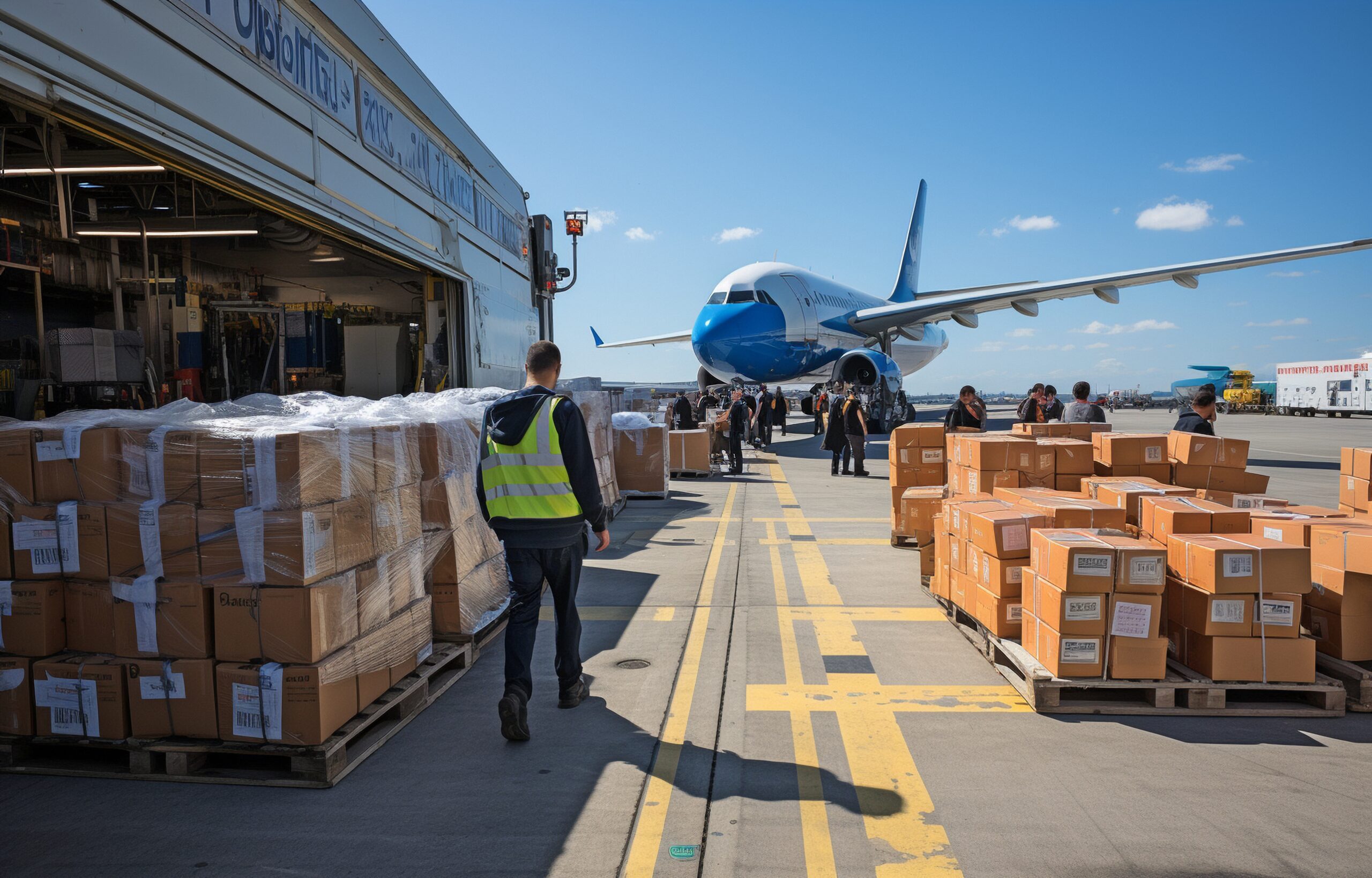
  • Air Freight Customs Clearance Agents: Your Key to Smooth Global Trade

    Air Freight Customs Clearance Agents: Your Key to Smooth Global Trade

    In today’s fast-paced world of international trade, air freight remains a preferred choice for businesses looking for speed and efficiency. Whether it’s electronics, medical supplies, or high-value goods, transporting cargo by air ensures swift delivery across borders. However, one of the most crucial aspects that can make or break your air shipment is customs clearance. This is where Air Freight Customs Clearance Agents play a vital role.

    What Are Air Freight Customs Clearance Agents?

    Air Freight Customs Clearance Agents are licensed professionals or companies who manage the process of clearing goods through customs for air shipments. Their primary responsibility is to ensure that your goods comply with the import and export regulations of the origin and destination countries. These agents handle complex documentation, duties, taxes, permits, and compliance checks to ensure that your cargo is not delayed or seized by customs authorities.

    Why Are They Essential in Air Freight?

    When dealing with international shipments, customs clearance is a legal requirement. Any mistakes or delays in this process can result in penalties, added costs, or lost business opportunities. Here are key reasons why businesses rely on professional air freight customs clearance agents:

    1. Regulatory Expertise

    Customs regulations are constantly changing and differ from one country to another. Clearance agents stay updated with these rules to ensure compliance. Their knowledge minimizes the risk of documentation errors, improper classification, or misdeclarations that could lead to fines or delays.

    2. Efficient Paperwork Handling

    Air freight requires a variety of documents, such as air waybills, commercial invoices, packing lists, certificates of origin, and more. Customs agents take charge of preparing, reviewing, and submitting these documents, reducing the administrative burden on your business.

    3. Duty and Tax Management

    Customs agents help you accurately calculate duties and taxes, apply for duty exemptions if available, and facilitate payments. This financial clarity allows you to avoid surprises and maintain better cost control.

    4. Reduced Delays and Penalties

    Clearance agents are skilled at identifying and resolving potential issues before they cause problems. Their experience helps expedite the customs process, ensuring your goods are cleared quickly and without unnecessary delays.

    The Role of Air Freight Customs Clearance Agents in the Logistics Chain

    Air freight customs clearance agents operate as a critical link in the logistics chain. Their involvement typically spans several stages of the shipment process:

    1. Pre-Shipment Planning

    Before the cargo even leaves its origin, clearance agents can advise on documentation, HS code classification, and regulatory requirements. This proactive planning helps avoid complications later in the process.

    2. Customs Documentation Submission

    Once goods are in transit or arrive at the destination airport, agents submit the required documents to customs electronically or in person, depending on the regulations of the country.

    3. Customs Inspection Coordination

    If the shipment is flagged for inspection, clearance agents coordinate with customs officers to facilitate the examination. They ensure that proper handling procedures are followed and answer any queries from customs authorities.

    4. Release and Delivery

    After clearance, agents arrange for the release of goods and coordinate final delivery to the consignee, either directly or through a freight forwarder.

    Benefits of Hiring Professional Air Freight Customs Clearance Agents

    Partnering with experienced agents brings multiple advantages to importers and exporters alike:

    Time-Saving

    Experienced agents know the ins and outs of the clearance process, significantly reducing the time it takes to get goods released from customs.

    Cost-Effective

    By avoiding unnecessary fines, delays, or demurrage charges, agents help businesses save money and stay within budget.

    Risk Mitigation

    Agents protect your business by ensuring compliance with international trade laws, thus minimizing the risk of cargo seizure, penalties, or legal complications.

    Peace of Mind

    With a reliable agent handling customs matters, you can focus on your core business operations without worrying about bureaucratic red tape.

    What to Look for in an Air Freight Customs Clearance Agent

    Choosing the right customs clearance agent can make a significant difference in your supply chain efficiency. Here are some qualities to look for:

    Licensing and Accreditation

    Ensure the agent is licensed and recognized by relevant customs authorities and international freight organizations.

    Experience and Expertise

    Look for agents with experience handling shipments similar to yours, especially if you’re dealing with specialized or high-value cargo.

    Strong Network and Local Knowledge

    Agents with local knowledge and strong relationships with airport authorities and customs officials can expedite the process and troubleshoot problems more effectively.

    Transparent Pricing

    A reliable agent should provide clear, upfront pricing with no hidden fees.

    Customer Support

    Round-the-clock support is essential, especially when dealing with international time zones and tight shipping deadlines.

    The Dubai Advantage: Air Freight Customs Clearance in a Global Hub

    Dubai stands as one of the world’s most strategic logistics hubs, connecting Europe, Asia, and Africa. With state-of-the-art infrastructure and major airports like Dubai International Airport (DXB) and Al Maktoum International (DWC), the city handles a massive volume of air cargo daily.

    Businesses operating in or through Dubai require professional clearance agents who are familiar with UAE customs protocols, free zone regulations, and electronic clearance platforms like Mirsal 2. Working with expert clearance agents in Dubai ensures:

    • Fast processing through Dubai Customs.
    • Seamless movement of goods into Free Zones or mainland.
    • Compliance with GCC import/export standards.

    Industries That Benefit the Most

    Air freight customs clearance is particularly crucial for industries dealing with time-sensitive or high-value goods, such as:

    • Pharmaceuticals and Healthcare – Ensuring the timely delivery of life-saving medicines and medical equipment.
    • Electronics – Preventing delays in fast-moving tech markets.
    • Fashion and Apparel – Meeting seasonal deadlines and avoiding stockouts.
    • Automotive Parts – Ensuring just-in-time manufacturing supply chains.
    • Perishables and Food – Complying with strict hygiene and shelf-life requirements.

    Technology and the Future of Customs Clearance

    The future of air freight customs clearance lies in automation and digital transformation. Many customs clearance agents now leverage tools like:

    • AI-based document scanning and verification
    • Blockchain for cargo tracking
    • Electronic Data Interchange (EDI) for real-time updates
    • Cloud-based dashboards for shipment visibility

    These tools streamline operations, reduce manual errors, and provide businesses with more transparency and control over their shipments.

    Final Thoughts

    Whether you’re a multinational company or a growing SME, Air Freight Customs Clearance Agents are indispensable to your global logistics operations. Their expertise ensures your goods move smoothly across borders, comply with complex regulations, and arrive on time.

    In a competitive global economy, speed and reliability are everything. Don’t let customs delays derail your supply chain. Partner with a trusted air freight customs clearance agent and take the guesswork out of international shipping.


    Need reliable air freight customs clearance services?
    Our experienced team is ready to help you navigate customs regulations and streamline your logistics. Contact us today for a consultation!

  • Customs Clearance Agency UK: Navigating Global Trade with Ease

    Customs Clearance Agency UK: Navigating Global Trade with Ease

    In today’s fast-paced global economy, the ability to move goods efficiently and compliantly across borders is a critical component of international trade. The United Kingdom, with its dynamic import-export environment post-Brexit, demands accurate and timely customs procedures. For businesses looking to streamline their operations and avoid costly delays or fines, a Customs Clearance Agency in the UK can be an invaluable partner.

    This article explores the role of customs clearance agencies, their importance in UK trade, the services they offer, and how to choose the right agency for your business needs.


    Understanding Customs Clearance in the UK

    Customs clearance is the official process that allows goods to enter or leave a country. In the UK, this involves preparing and submitting documentation required by HM Revenue & Customs (HMRC), calculating duties and taxes, and ensuring compliance with relevant laws and regulations.

    After Brexit, the UK no longer benefits from the European Union’s customs union. This has significantly increased the complexity of customs procedures for businesses importing from or exporting to EU countries. As a result, many businesses have turned to customs clearance agencies to navigate these new rules.


    What Does a Customs Clearance Agency Do?

    A customs clearance agency acts as a liaison between your business and the government. They ensure your goods are declared properly, tariffs are calculated accurately, and shipments are cleared quickly. Here are the primary services they provide:

    1. Documentation Preparation

    Agencies prepare and manage the key documents required for customs, such as:

    • Commercial invoices
    • Packing lists
    • Bills of lading or airway bills
    • Certificates of origin
    • Import/export declarations

    2. Customs Declarations

    They submit the necessary customs declarations to HMRC using the UK’s Customs Declaration Service (CDS), which replaced the older CHIEF system.

    3. Tariff Classification

    Using the Harmonized System (HS) code, agencies ensure that your goods are classified correctly. This is crucial to determine the correct duty and VAT rate.

    4. Duty and VAT Calculation

    Customs agents calculate and arrange payment of import duties, VAT, and any applicable levies on your behalf.

    5. Compliance and Risk Management

    Agencies monitor compliance with UK customs regulations, helping reduce the risk of fines, seizures, or other legal consequences.

    6. Advisory Services

    They provide guidance on trade agreements, customs procedures, and logistics planning. This is especially valuable for businesses new to international shipping.


    Why Hire a Customs Clearance Agency in the UK?

    1. Expertise in Post-Brexit Regulations

    The UK’s departure from the EU has made customs procedures more complicated, particularly for businesses used to frictionless trade within Europe. A clearance agency stays up to date with changes in legislation and procedures, ensuring your operations remain compliant.

    2. Time and Cost Efficiency

    Preparing customs documents and understanding tariff codes can be time-consuming. Errors can lead to shipment delays or penalties. Agencies streamline the process and reduce the risk of costly mistakes.

    3. Faster Customs Processing

    Experienced customs agents know how to get your goods cleared faster, reducing lead times and enhancing your supply chain efficiency.

    4. Access to Professional Networks

    Many agencies have strong connections with freight forwarders, port authorities, and logistics providers, offering you seamless end-to-end service.


    Customs Procedures in the UK: Key Considerations

    Before goods are cleared through customs, several factors must be considered:

    1. EORI Number

    Businesses involved in imports or exports must have an Economic Operators Registration and Identification (EORI) number issued by HMRC.

    2. Trade Agreements

    Understanding whether your goods are eligible for preferential treatment under trade agreements like the UK-EU Trade and Cooperation Agreement can reduce duties.

    3. Licences and Certificates

    Certain goods—such as food, chemicals, or electronics—may require special import licenses or conformity certificates.

    4. Rules of Origin

    The origin of a product affects duty rates. Customs agencies ensure goods meet the criteria for reduced tariffs under specific trade deals.


    Industries That Rely on Customs Clearance Services

    Various sectors in the UK depend on customs clearance agencies to ensure smooth international trade:

    • Retail and E-commerce: For importing fashion, electronics, and home goods.
    • Automotive: Managing complex parts shipments and trade agreements.
    • Pharmaceuticals and Healthcare: Ensuring fast-track clearance for medical goods.
    • Food and Beverage: Navigating perishable imports and sanitary regulations.
    • Manufacturing: Handling bulk raw material imports with accuracy.

    Choosing the Right Customs Clearance Agency in the UK

    Finding the right customs partner can significantly impact your business success. Here are some tips to consider:

    1. Accreditation and Experience

    Ensure the agency is HMRC-approved and has years of experience handling goods in your specific industry.

    2. Technological Capabilities

    The best agencies use digital platforms integrated with the Customs Declaration Service (CDS) and can provide real-time tracking and documentation.

    3. Customer Support

    Look for a provider with responsive support, especially during critical shipping periods. 24/7 availability is a bonus.

    4. Transparent Pricing

    Choose an agency that offers clear pricing models without hidden fees. Clarify whether duties, taxes, and agency fees are included.

    5. Comprehensive Services

    A one-stop-shop agency that provides freight forwarding, warehousing, and consultancy adds more value and reduces coordination issues.


    Top Customs Clearance Agencies in the UK

    While several players operate in the UK customs space, a few well-established names include:

    • Global Customs Clearance LtdGlobal Customs Clearance Ltd delivers top-tier customer service and high-quality results.
    • Kuehne + Nagel – Offers global freight and customs services.
    • ChamberCustoms – A trusted agency operated by British Chambers of Commerce.
    • GEFCO UK – Specialises in automotive and industrial logistics.
    • UK Import Services Ltd. – Focuses on full UK import customs clearance.

    Each of these agencies offers different strengths, so choose one aligned with your operational scale and sector.


    Customs Clearance for SMEs and E-commerce Businesses

    Small and medium-sized enterprises (SMEs) often lack in-house customs expertise. Agencies provide tailored support, helping them expand into new markets without hiring dedicated staff.

    Similarly, e-commerce businesses benefit from fast customs processing to meet customer delivery expectations. With global dropshipping and multi-country fulfilment, customs agencies simplify VAT registration and duty payments, especially with services like IOSS (Import One Stop Shop).


    The Future of Customs Clearance in the UK

    With increasing digitisation and automation, the future of customs clearance is moving towards:

    • AI-driven classification tools
    • Integrated trade compliance platforms
    • Blockchain-enabled trade records
    • Paperless border control processes

    HMRC’s move to CDS is part of this digital transition, and customs agencies that invest in tech will offer faster, more accurate services.

    Sustainability is also influencing customs trends. Agencies may soon help businesses with carbon tracking and green logistics certifications as part of customs documentation.


    Conclusion

    Navigating customs in the UK—especially in a post-Brexit, globalised market—requires precision, experience, and up-to-date knowledge. Whether you are a seasoned multinational or a new e-commerce seller, working with a reputable Customs Clearance Agency UK ensures your goods move smoothly, legally, and on time.

    By outsourcing customs processes to experts, businesses can focus on growth and strategy while leaving regulatory compliance and documentation to the professionals. As global trade evolves, the right customs partner will be key to unlocking new markets and maintaining a competitive edge.

  • Customs Clearance London Gateway: Your Complete Guide to Hassle-Free Import & Export

    Customs Clearance London Gateway: Your Complete Guide to Hassle-Free Import & Export

    As international trade continues to expand rapidly, efficient customs clearance has become crucial for businesses importing or exporting goods through the UK. One of the most significant logistics hubs for freight in the country is London Gateway Port—a deep-sea container port and logistics park situated on the Thames Estuary in Essex. If you’re moving cargo in or out of the UK, understanding how customs clearance at London Gateway works is essential for smooth and compliant trade operations.

    In this comprehensive guide, we’ll break down the customs clearance process, the role of freight forwarders and brokers, key documentation required, and how to streamline your logistics at London Gateway Port.


    What is Customs Clearance?

    Customs clearance is the process of preparing and submitting the necessary documentation to gain permission from government authorities to import or export goods. This includes ensuring all duties, taxes, and compliance regulations are met.

    At London Gateway, customs clearance involves collaboration between HMRC (Her Majesty’s Revenue and Customs), port authorities, shipping companies, and customs brokers to ensure cargo moves legally and efficiently across borders.


    Why London Gateway Matters for UK Trade

    London Gateway is one of the UK’s most advanced and strategically located ports. Owned and operated by DP World, it offers unmatched connectivity, deep-sea access, and a high-tech logistics park. Here’s why it’s a preferred hub for customs clearance:

    • Proximity to London and major UK markets
    • Fast rail and road connectivity to major cities
    • State-of-the-art container handling equipment
    • Streamlined digital systems for port operations

    These features make London Gateway a vital choice for importers and exporters seeking speed, reliability, and transparency.


    Step-by-Step Customs Clearance Process at London Gateway

    Understanding each phase of the clearance process helps avoid delays and penalties. Here’s a step-by-step look:

    1. Pre-Arrival Preparation

    Before the shipment arrives, your customs broker or freight forwarder submits a Customs Declaration via the Customs Declaration Service (CDS). Key information includes:

    • Commodity codes
    • Value of goods
    • Country of origin
    • Applicable duties and VAT
    • Incoterms and shipping details

    2. Arrival at Port

    Once your container arrives at London Gateway, port systems will notify the broker or declarant. Goods will undergo:

    • Risk assessment
    • Customs examination (if flagged)
    • Possible document or physical checks

    3. Duties and Tax Payment

    If applicable, duties and VAT are paid electronically through CDS. Businesses can use a Deferment Account or pay through the customs agent.

    4. Release of Goods

    Upon approval and payment, the cargo is released for transport. If a consignment is held, customs will notify you with the reason—such as missing documents or classification errors.


    Key Documents Required for Customs Clearance

    Accuracy in documentation is critical. The following are commonly needed:

    • Commercial Invoice: Details the goods, value, buyer, and seller.
    • Bill of Lading or Airway Bill
    • Packing List
    • Import or Export Declaration
    • Certificate of Origin (if required)
    • Commodity Codes (HS Codes)
    • EORI Number: All businesses importing/exporting from the UK need one.

    Errors in any of these documents can lead to shipment delays, additional costs, or penalties.


    Common Customs Challenges at London Gateway

    Even at a highly efficient port like London Gateway, customs issues can arise. Here are frequent hurdles businesses face:

    • Incomplete or Incorrect Declarations

    Mistakes in commodity codes, valuations, or origin details can trigger audits or rejections.

    • Delays in Duty Payment

    Failure to prearrange payment methods can delay goods being released.

    • Documentary Discrepancies

    Inconsistencies between commercial invoice and customs declarations are red flags for HMRC.

    • Lack of Pre-clearance Preparation

    Many businesses underestimate the importance of advance customs planning.


    Role of Customs Brokers at London Gateway

    To navigate the customs maze, most importers and exporters work with customs clearance agents or brokers. These professionals are licensed to handle all clearance tasks on your behalf. At London Gateway, brokers:

    • Classify goods correctly under UK Tariff
    • Ensure VAT and duties are accurately calculated
    • Submit declarations through the CDS
    • Communicate with HMRC on inspections or document issues
    • Arrange for post-clearance audits or appeals if needed

    A reliable customs broker ensures compliance while saving time and reducing costs.


    Why Choose London Gateway for Your Customs Needs?

    With high-volume capacity and cutting-edge technology, London Gateway stands out in the UK’s customs and logistics infrastructure. Here are some of its unique advantages:

    1. Integrated Logistics Hub

    The co-located logistics park reduces the time between container arrival and inland distribution.

    2. Digital Customs Interface

    DP World’s advanced digital tools allow for real-time tracking, slot bookings, and electronic document submission.

    3. Fast Turnaround Time

    London Gateway is engineered for efficiency, minimizing container dwell time and customs delays.

    4. Dedicated Customs Support

    With onsite customs professionals and agents, you receive quick resolutions to queries or documentation problems.


    Tips for Efficient Customs Clearance at London Gateway

    To ensure your imports or exports are processed without a hitch, follow these best practices:

    • Partner with a certified customs broker experienced with UK regulations.
    • Plan ahead: Submit documentation before cargo arrival.
    • Use the correct HS codes and double-check origin declarations.
    • Leverage digital tools provided by the port or your broker.
    • Monitor changes in trade rules (e.g., Brexit updates, sanctions, etc.).

    Being proactive saves money, time, and stress in the long run.


    Post-Brexit Considerations for Customs Clearance

    Since Brexit, UK customs processes have changed significantly. Goods moving between the EU and UK now require full customs declarations. London Gateway, being a global hub, has adapted with:

    • Dedicated Brexit transition teams
    • Trader Support Service (TSS)
    • Expert handling of UK-EU shipments

    Businesses must stay informed about evolving trade agreements and ensure their brokers are up-to-date with the latest rules.


    Conclusion: Make Customs Clearance at London Gateway Seamless

    Whether you’re importing electronics from Asia or exporting food to the EU, customs clearance at London Gateway is a vital step in your logistics chain. With the right preparation, accurate documentation, and the help of professional customs brokers, your goods can move through the port efficiently and without hassle.

    London Gateway’s strategic location, world-class infrastructure, and streamlined customs operations make it the perfect gateway to UK and international markets.


    Need Help with Customs Clearance at London Gateway?

    Partner with experienced customs agents who understand the intricacies of UK trade. From document handling to post-clearance support, we ensure your cargo moves smoothly, compliantly, and on schedule.

    Contact us today for a free customs clearance consultation.

  • Navigating Imports and Exports with Ease: Choosing the Best Customs Clearance Agency in the UK

    Navigating Imports and Exports with Ease: Choosing the Best Customs Clearance Agency in the UK

    In the ever-evolving world of international trade, businesses need a trusted partner to navigate the complex landscape of customs regulations. A customs clearance agency UK acts as your bridge between global markets and local compliance, ensuring your goods move swiftly and legally. But how do you choose the right one?


    Why You Need a Customs Clearance Agency in the UK

    Handling customs procedures can be overwhelming, especially when dealing with tight deadlines and unfamiliar laws. A professional customs clearance agency simplifies the process by:

    • Ensuring documentation is accurate and complete
    • Minimising delays at the border
    • Advising on tariffs and duties
    • Helping you stay compliant with UK and international laws

    Key Services Offered by Top UK Customs Clearance Agencies

    The best agencies offer a full suite of services to streamline your logistics, including:

    • Import & Export Declarations: Timely filing with HMRC for all types of goods
    • Tariff Consultancy: Guidance on duty rates and classification codes
    • Freight Forwarding Support: Integration with logistics and warehousing
    • Customs Compliance Audits: Reduce the risk of penalties
    • Intrastat & NES Declarations: For EU and non-EU trade reporting

    What to Look for in a UK Customs Clearance Partner

    When selecting your agency, consider:

    • Experience & Reputation: Look for FTA or BIFA-certified agents
    • Speed & Accuracy: Can they handle urgent shipments?
    • Technology: Do they use automated systems for faster processing?
    • Customer Support: Round-the-clock communication is key

    Top Industries That Rely on UK Customs Clearance Agencies

    • E-commerce: Fast-moving goods need faster customs solutions
    • Pharmaceuticals: High compliance and cold chain logistics
    • Automotive: Handling complex components and parts
    • Food & Beverage: Compliance with health and safety regulations

    Why Choose a Local UK-Based Customs Agency?

    Working with a UK-based agency provides:

    • In-depth knowledge of HMRC regulations
    • Strong relationships with UK ports and authorities
    • On-the-ground support and faster issue resolution

    Final Thoughts

    The right customs clearance agency in the UK can be a game-changer for your business. From speeding up your import/export operations to keeping you compliant, their expertise saves time, reduces costs, and keeps your supply chain running smoothly.


    Need Help with Customs in the UK?
    Choose an agency with proven experience, innovative solutions, and a client-first approach. Make your next shipment stress-free!