Tag: UKCustoms

  • Customs Clearance Liverpool: Navigating the Complexities of International Trade

    Customs Clearance Liverpool: Navigating the Complexities of International Trade

    Liverpool, with its rich maritime history and bustling port, serves as a vital gateway for international trade in the UK. As a hub for import and export, the city witnesses a vast volume of goods moving through its docks daily. One critical process that ensures the smooth movement of these goods is customs clearance. For businesses engaging in international trade, understanding customs clearance in Liverpool is essential for seamless operations.

    Understanding Customs Clearance

    Customs clearance is the process of obtaining permission to move goods across international borders. It involves a series of formalities and procedures required by customs authorities to ensure that imported and exported goods comply with local and international regulations. The primary aim of customs clearance is to protect the country’s economy and security by regulating goods entering and leaving the borders.

    Why is Customs Clearance Important?

    Customs clearance is not just a bureaucratic step; it plays a vital role in international trade. Proper customs procedures prevent illegal activities such as smuggling and ensure that the right taxes and duties are collected. Any delays or errors during customs clearance can result in penalties, fines, or even the confiscation of goods.

    Key Steps in the Customs Clearance Process

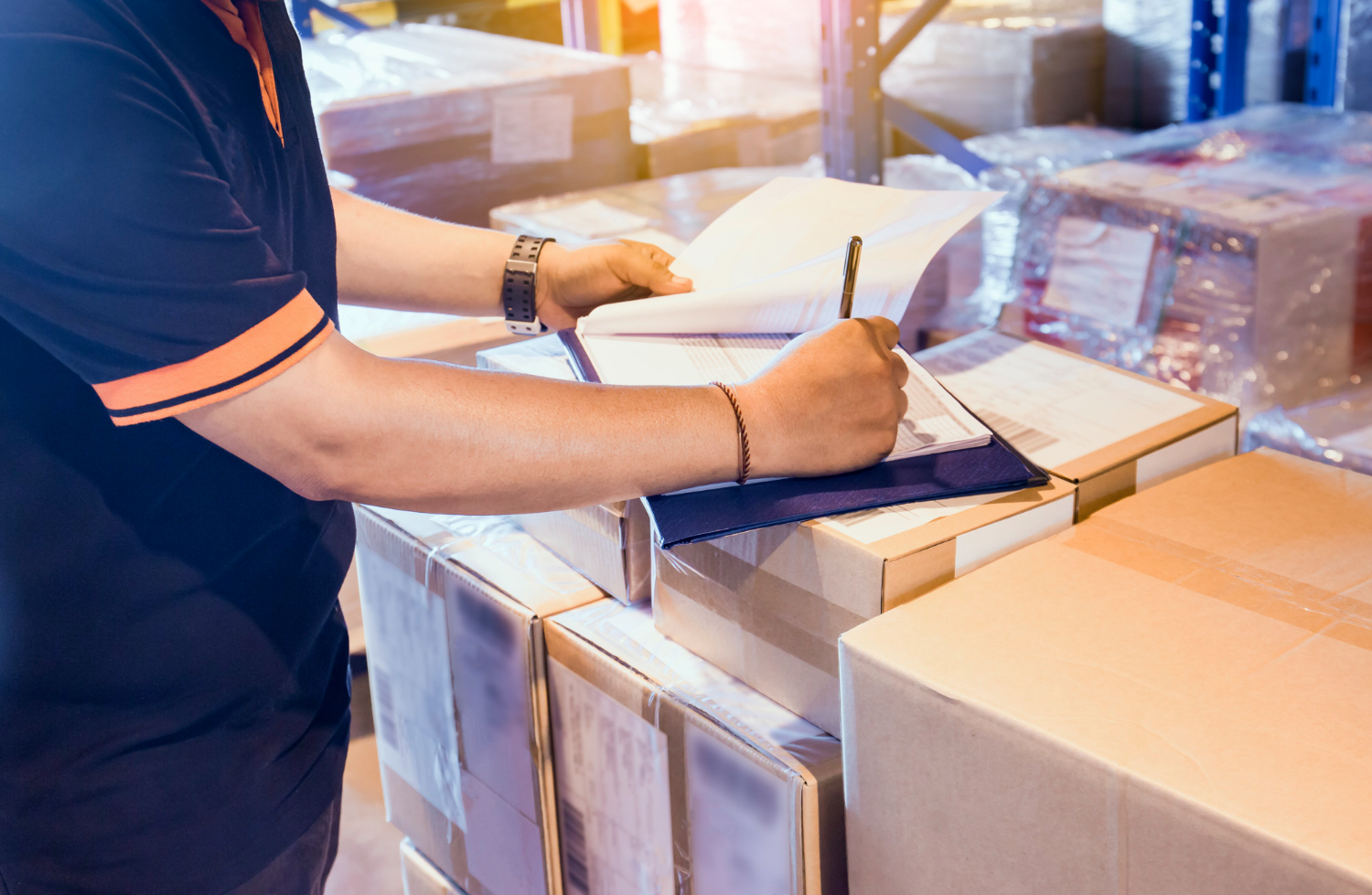
    1. Documentation Preparation: Proper documentation is crucial for hassle-free customs clearance. Essential documents include invoices, packing lists, bills of lading, and certificates of origin.
    2. Customs Declarations: Accurate and timely filing of customs declarations is necessary. These declarations provide details about the goods, including quantity, value, and origin.
    3. Duty and Tax Calculation: Import duties, VAT, and other taxes are calculated based on the type and value of the goods.
    4. Goods Inspection: Customs officers may inspect the goods to ensure compliance with regulations.
    5. Release of Goods: Once cleared, the goods are released for delivery to the final destination.

    Challenges in Customs Clearance

    Customs clearance in Liverpool can present challenges, especially for businesses unfamiliar with regulations. Common issues include inaccurate documentation, misclassification of goods, and delays due to non-compliance. Working with experienced customs brokers can significantly reduce these challenges by handling paperwork and ensuring regulatory compliance.

    The Role of Customs Brokers

    Customs brokers are professionals who assist businesses in navigating the complexities of customs clearance. They ensure that all documentation is accurate and complete, classify goods correctly, and manage duty payments. Hiring a customs broker in Liverpool can save time, reduce errors, and streamline the entire process.

    How to Choose the Right Customs Clearance Service in Liverpool

    1. Experience: Look for a company with extensive experience in handling customs clearance for your type of goods.
    2. Reputation: Check reviews and testimonials to gauge customer satisfaction.
    3. Accreditation: Ensure the service provider is accredited and complies with local and international standards.
    4. Cost Efficiency: Compare rates to ensure that you receive value for your investment.

    Benefits of Professional Customs Clearance

    • Time Efficiency: Avoid delays with professional handling.
    • Compliance Assurance: Reduce the risk of fines and penalties.
    • Cost Savings: Optimize tax and duty payments.
    • Expert Advice: Gain insights into regulations and best practices.

    Conclusion

    Customs clearance in Liverpool is a complex yet essential process for businesses engaged in international trade. By partnering with a reputable customs broker, companies can navigate the challenges efficiently, ensuring that goods reach their destination on time and without hassle. Whether you are importing or exporting, understanding the clearance process and choosing the right partner can make a significant difference in your business’s success.
  • Customs Clearance Southampton: Your Complete Guide to Smooth and Efficient Processing

    Customs Clearance Southampton: Your Complete Guide to Smooth and Efficient Processing

    When it comes to international trade, customs clearance can be a daunting process. In Southampton, a major UK port, efficient customs clearance is vital for businesses that rely on importing and exporting goods. Whether you’re a first-time importer or a seasoned exporter, understanding customs clearance in Southampton can save you time, money, and hassle.

    Understanding Customs Clearance

    Customs clearance is the process of ensuring that goods entering or leaving the country comply with all local and international regulations. This process involves submitting documents, paying duties and taxes, and undergoing inspections. In Southampton, one of the UK’s busiest ports, efficient customs clearance is crucial for maintaining the supply chain.

    Why Choose Southampton for Your Import and Export Needs?

    Southampton is strategically located on the south coast of England, making it one of the country’s busiest and most important ports. It handles a vast array of goods, from automotive imports to food and textiles. Choosing Southampton for your customs clearance needs means access to excellent logistics, experienced customs brokers, and streamlined port facilities.

    Key Steps in the Customs Clearance Process

    1. Documentation Preparation: Ensure you have the necessary paperwork, including invoices, shipping documents, and certificates of origin.
    2. Duty and Tax Calculation: Accurately calculate the customs duties and taxes based on the goods being imported or exported.
    3. Customs Declaration: Submit the relevant documentation to HM Revenue and Customs (HMRC) through the correct channels.
    4. Inspection and Compliance: Be prepared for potential physical inspections and ensure your goods comply with UK regulations.
    5. Duty Payment and Release: Once duties are paid, your goods are cleared for release.

    Challenges in Customs Clearance

    While Southampton offers robust infrastructure, businesses can still face challenges, including:

    • Complex Regulations: Customs rules can change frequently, especially post-Brexit.
    • Delays and Inspections: Unforeseen delays can disrupt your supply chain.
    • Documentation Errors: Missing or incorrect documents can lead to fines or seized shipments.

    How to Streamline Your Customs Clearance

    Working with a professional customs broker can simplify the process. These experts have the experience to handle the paperwork, calculate duties, and ensure compliance. Partnering with a local specialist in Southampton means quicker resolution of issues and reduced risk of delays.

    Benefits of Professional Customs Clearance Services

    • Accuracy: Minimize the risk of errors with expert document handling.
    • Speed: Faster processing reduces transit times.
    • Cost Efficiency: Avoid fines and reduce operational costs with expert guidance.
    • Compliance Assurance: Stay updated with the latest regulations and requirements.

    Why Choose Us for Customs Clearance in Southampton

    Our team of customs clearance specialists offers comprehensive support, including document verification, duty calculations, and regulatory compliance checks. With years of experience, we ensure your goods move seamlessly through Southampton’s busy port.

    Final Thoughts

    Customs clearance in Southampton doesn’t have to be a headache. By understanding the process and working with experienced professionals, you can ensure smooth and efficient clearance every time. Whether importing cars or exporting machinery, partnering with experts can save you time, money, and stress.

    Contact us today to learn how we can simplify your customs clearance process in Southampton!

  • Simplifying Customs Clearance in Felixstowe: A Complete Guide for Importers and Exporters

    Simplifying Customs Clearance in Felixstowe: A Complete Guide for Importers and Exporters

    Felixstowe is the UK’s busiest container port and a critical gateway for international trade. If your business deals with imports or exports through this port, customs clearance in Felixstowe is a crucial step that determines how smoothly your goods flow across borders. Navigating customs procedures can be complex, but with the right knowledge and support, you can avoid costly delays and penalties.

    This comprehensive guide covers everything you need to know about customs clearance at Felixstowe—whether you’re a first-time importer or a seasoned global trader.


    Why Felixstowe Matters in Global Trade

    Port of Felixstowe handles over 40% of the UK’s container traffic, making it a major hub for global shipping. It connects the UK to more than 700 ports worldwide, serving a wide range of industries—from automotive and retail to food and manufacturing.

    With such high traffic, ensuring efficient customs clearance at Felixstowe is not just a matter of convenience—it’s a business-critical priority. Delays at customs can lead to missed deadlines, unhappy customers, and increased costs.


    What is Customs Clearance?

    Customs clearance is the process of ensuring your goods meet all the legal requirements before they can enter or leave the UK. This includes:

    • Preparing and submitting documentation
    • Paying duties and taxes
    • Complying with import/export regulations
    • Coordinating with customs brokers or freight forwarders

    At Felixstowe, this process is managed in cooperation with HM Revenue and Customs (HMRC) and involves close communication with shipping agents, logistics providers, and customs officials.


    Step-by-Step Process of Customs Clearance in Felixstowe

    1. Pre-Arrival Documentation

    Before your goods even reach the port, documentation must be prepared, including:

    • Commercial invoice
    • Packing list
    • Bill of lading or airway bill
    • Import or export declarations
    • Certificates of origin or conformity (if applicable)

    Working with a professional customs clearance agent ensures that all paperwork is accurate and compliant.

    2. Customs Declaration Submission

    Your declaration must be submitted electronically through the Customs Declaration Service (CDS). This system checks your entries against various risk profiles and determines whether your shipment can pass freely or needs further inspection.

    3. Duty and Tax Assessment

    HMRC calculates applicable customs duties and VAT based on:

    • Commodity codes
    • Country of origin
    • Declared value

    Failing to classify your goods correctly can result in underpayment or penalties, so this step must be handled with precision.

    4. Physical Inspection (if required)

    Some shipments may be flagged for inspection. HMRC may check for prohibited items, verify declared values, or confirm compliance with UK standards. Your customs agent will liaise with customs officers to facilitate the process.

    5. Release of Goods

    Once all checks are complete and payments made, your goods are cleared for release. From here, they can be transported to their final destination within the UK or abroad.


    Why Choose Professional Customs Clearance Services in Felixstowe?

    Attempting to handle customs clearance without expert support can lead to unnecessary delays, documentation errors, and fines. Here’s why businesses rely on professional customs brokers:

    ✅ Speed and Efficiency

    Clearance agents know the ins and outs of the process and can expedite your shipments, avoiding costly hold-ups at the port.

    ✅ Regulatory Compliance

    UK customs laws are strict and constantly evolving. Experts stay updated on all changes to keep your shipments compliant.

    ✅ Accurate Documentation

    Mistakes in paperwork are one of the leading causes of delays. Professional agents ensure accuracy and completeness.

    ✅ Cost Control

    Proper classification and duty optimization can save you money on import taxes and avoid unexpected charges.


    Common Challenges with Customs Clearance at Felixstowe

    Even experienced traders can face hurdles during the clearance process. Some common issues include:

    ❌ Misclassified Goods

    Choosing the wrong commodity code can lead to overpayment or underpayment of duties.

    ❌ Incomplete Paperwork

    Missing or incorrect documentation leads to customs holds, which can delay shipments by days or even weeks.

    ❌ Poor Communication

    Failure to coordinate between freight forwarders, brokers, and customs officials can cause costly bottlenecks.

    ❌ Compliance Gaps

    Failure to meet UK import regulations—such as product safety or environmental standards—can result in fines or rejected entries.


    How to Choose the Right Customs Clearance Partner in Felixstowe

    Selecting a reliable customs clearance provider is essential for hassle-free trade. Here are key factors to consider:

    🟩 Experience & Reputation

    Choose a provider with a proven track record of successful clearances at Felixstowe. Look for positive reviews and case studies.

    🟩 Customs Software & Technology

    A tech-enabled provider who uses CDS-integrated systems can streamline the process and reduce manual errors.

    🟩 24/7 Availability

    International trade operates around the clock. Your clearance agent should be available for support whenever issues arise.

    🟩 Multi-Modal Expertise

    If your goods travel by sea, air, or road, ensure your partner has experience across all logistics channels.


    Brexit and Its Impact on Customs at Felixstowe

    The UK’s exit from the EU has transformed the customs landscape. Previously frictionless trade with EU countries now requires full customs declarations, duties, and checks—just like shipments from outside the EU.

    If you’re trading with Europe, customs clearance in Felixstowe is now just as important as it is for trade with Asia or the Americas.


    Specialized Services Offered by Felixstowe Clearance Agents

    Many customs agents offer tailored services beyond basic declarations, including:

    • T1 Transit Documents
    • Temporary Imports (ATA Carnets)
    • Export Declarations & Licensing
    • Import VAT Deferment Account Support
    • Customs Freight Simplified Procedures (CFSP)
    • Bonded Warehousing Coordination

    These additional services help reduce costs, improve compliance, and enhance logistics efficiency.


    Final Thoughts: Streamline Your Imports and Exports

    Felixstowe is a vital artery in the UK’s trade network. Navigating customs at this port can seem daunting, but with the right support, your business can thrive in international markets.

    Whether you’re a small importer or a large multinational, customs clearance in Felixstowe should never be left to guesswork. The right clearance partner will ensure your goods move swiftly, legally, and cost-effectively through the UK’s busiest port.


    Partner with Professionals You Can Trust

    If you want to simplify the process, reduce delays, and focus on growing your business, consider partnering with a trusted customs clearance provider. From paperwork to compliance, they handle the heavy lifting so you don’t have to.

    Make every shipment a success—starting with smooth customs clearance at Felixstowe.

  • Customs Clearance Southampton: A Comprehensive Guide for Efficient Import & Export

    Customs Clearance Southampton: A Comprehensive Guide for Efficient Import & Export

    Southampton, a major UK port city, stands as a gateway for global trade. As international shipments pass through its busy terminals daily, efficient customs clearance becomes critical for businesses aiming to stay competitive and compliant. Whether you’re an importer, exporter, freight forwarder, or logistics manager, understanding the ins and outs of customs clearance in Southampton is essential.

    This article explores the key aspects of customs clearance in Southampton, the documentation needed, the role of clearance agents, post-Brexit considerations, and tips for smooth processing. Let’s dive in.


    What Is Customs Clearance?

    Customs clearance is the process by which goods entering or leaving a country are authorized by the relevant authorities—in the UK, this is HM Revenue and Customs (HMRC). It involves submitting the required documentation, paying applicable duties and VAT, and ensuring compliance with trade regulations.

    Southampton Port handles vast quantities of containerised cargo, roll-on/roll-off freight, and even cruise shipments. Each of these requires tailored customs processing to ensure legal entry or exit from the country.


    Why Is Southampton a Key Customs Hub?

    Southampton is one of the UK’s busiest and most advanced deep-sea ports. It is the principal gateway for trade with the Far East and North America. Some reasons why customs clearance in Southampton is especially critical include:

    • Strategic Location: Proximity to London and major UK highways.
    • Modern Infrastructure: Equipped with container terminals and advanced customs technology.
    • High Trade Volume: Thousands of TEUs (Twenty-foot Equivalent Units) handled annually.
    • Post-Brexit Significance: Increased importance as an EU-UK trade checkpoint.

    Key Documents Required for Customs Clearance

    Proper documentation is the backbone of customs compliance. The required documents for customs clearance at Southampton include:

    1. Bill of Lading (B/L) or Airway Bill (AWB)
    2. Commercial Invoice
    3. Packing List
    4. Import/Export Declaration (via CHIEF/CDS)
    5. EORI Number (Economic Operator Registration and Identification)
    6. Certificates of Origin (if applicable)
    7. Licenses or Permits (for restricted goods)
    8. Commodity Codes and Duty Calculation

    Incomplete or inaccurate documentation can result in delays, penalties, or even seizure of goods.


    The Role of Customs Clearance Agents in Southampton

    Navigating the complexities of UK customs procedures can be challenging. That’s where customs clearance agents come in. These professionals are licensed to deal with HMRC on your behalf. Their services typically include:

    • Preparing and submitting customs declarations
    • Classification of goods under the correct tariff codes
    • Calculating and paying duties and VAT
    • Liaising with port authorities and logistics providers
    • Handling post-clearance audits or disputes

    Hiring a reliable customs agent in Southampton saves time, reduces errors, and helps ensure full compliance with regulations.


    Import Procedures at Southampton Port

    When goods arrive at Southampton, the import process typically follows these steps:

    1. Arrival Notification: Carrier notifies port and HMRC about incoming goods.
    2. Goods Unloaded: Cargo is stored temporarily at a customs-approved facility.
    3. Customs Declaration Submitted: Either through CHIEF or the newer Customs Declaration Service (CDS).
    4. Inspection (if required): Goods may be physically examined for compliance.
    5. Duty and VAT Paid: Payment is made electronically.
    6. Goods Released: Once approved, goods are delivered or moved to the warehouse.

    To ensure a fast turnaround, importers should pre-lodge customs declarations before cargo arrival.


    Export Procedures from Southampton

    Exporting goods from the UK via Southampton involves a similar yet reverse process:

    1. Export Declaration: Submitted electronically via CDS.
    2. Goods Transported to Port: Through inland haulage or container transport.
    3. Departure Message to HMRC: Confirming goods have exited the UK.
    4. Supporting Documents Sent: Invoice, EORI, and any licensing information.
    5. Customs Inspection (if required): Especially for controlled goods.

    Timely communication between exporters, agents, and freight forwarders is vital to avoid delays or non-compliance.


    Post-Brexit Changes Affecting Customs Clearance

    Since the UK exited the European Union, customs clearance requirements have changed significantly. Here’s what businesses operating through Southampton need to consider:

    • EU Goods Now Require Declarations: Previously, trade with EU countries was simplified.
    • Rules of Origin: You must prove the origin of goods to qualify for tariff exemptions under the UK-EU Trade and Cooperation Agreement.
    • Increased Checks: Particularly on agricultural, food, and animal-related products.
    • CDS Replacing CHIEF: The Customs Declaration Service is phasing out the older CHIEF system, requiring businesses to adapt to new digital processes.

    These changes mean more paperwork and the need for expert help, making the role of clearance agents more crucial than ever.


    Common Challenges in Customs Clearance at Southampton

    Even with all preparations in place, some issues can slow down or derail customs clearance. Common challenges include:

    • Incorrect Commodity Codes: Can lead to overpayment of duties or rejection.
    • Delayed Document Submission: Missing deadlines causes delays and storage charges.
    • Regulatory Non-Compliance: Especially with restricted or sensitive goods.
    • Port Congestion: High traffic at Southampton can delay processing.
    • System Errors: Transitioning to new platforms like CDS can create IT-related bottlenecks.

    Awareness and proactive planning can help mitigate these risks.


    Tips for Smooth Customs Clearance at Southampton

    1. Partner with a Trusted Customs Agent: Their expertise will reduce errors and delays.
    2. Stay Updated on Regulations: Especially post-Brexit rules and HMRC updates.
    3. Use Correct Documentation and Codes: Verify all info before submission.
    4. Pre-Lodge Declarations: Submit paperwork before cargo arrival.
    5. Invest in Compliance Training: Ensure your team understands trade compliance.
    6. Monitor Port Activity: Being aware of congestion or customs delays can help with better planning.

    Benefits of Efficient Customs Clearance

    For businesses, smooth customs operations at Southampton mean:

    • Faster Supply Chain Movement: No hold-ups at port.
    • Cost Savings: Fewer demurrage, storage, and penalty fees.
    • Improved Customer Satisfaction: Timely deliveries enhance brand image.
    • Compliance Confidence: Peace of mind knowing you meet legal requirements.
    • Global Trade Opportunities: Easier access to international markets.

    In today’s competitive trade environment, customs clearance is not just a procedural task—it’s a strategic advantage.


    Choosing the Right Customs Clearance Partner in Southampton

    When selecting a customs clearance service provider, look for:

    • HMRC Authorised Representation
    • Experience with Southampton Port Operations
    • Knowledge of CDS and CHIEF Systems
    • 24/7 Support and Real-Time Tracking
    • Transparent Pricing Structure
    • Positive Client Reviews or Industry Referrals

    Whether you’re handling a one-time shipment or ongoing imports and exports, a knowledgeable partner can transform your customs experience.


    Conclusion

    Customs clearance in Southampton is an essential process for businesses involved in international trade. From correct documentation to navigating post-Brexit regulations and dealing with port-specific procedures, every detail counts. Leveraging the expertise of customs clearance professionals, staying updated on HMRC policies, and ensuring compliance can help your goods move swiftly and securely through Southampton’s busy port.

    If you want to simplify your trade operations, reduce risk, and gain a competitive edge, investing in robust customs clearance services at Southampton is the way forward.

  • Navigating Customs Clearance in Southampton: A Complete Guide for Importers and Exporters

    Navigating Customs Clearance in Southampton: A Complete Guide for Importers and Exporters

    When it comes to global trade, Southampton holds a key position as one of the UK’s busiest and most efficient ports. Whether you’re importing goods from Asia or exporting products to North America, customs clearance is a critical process you can’t afford to overlook. Missteps can result in delays, penalties, and added costs.

    In this comprehensive guide, we break down everything you need to know about customs clearance in Southampton—what it is, how it works, who to contact, and why working with the right clearance service provider matters.


    What is Customs Clearance?

    Customs clearance is the process by which goods are approved to enter or leave a country through a port or airport. It involves preparing and submitting the necessary documents, calculating duties and taxes, and ensuring compliance with the import/export regulations of the destination or originating country.

    In Southampton, customs clearance plays a vital role in maintaining the smooth flow of goods through its vast port facilities.


    Why Choose Southampton for Import and Export?

    Southampton Port is one of the UK’s most strategically located deep-sea ports. It offers direct services to Europe, North America, Asia, and beyond. The port is known for:

    • State-of-the-art container terminals
    • Efficient freight handling
    • Strategic location on the south coast
    • Connection to the M3 and M27 motorways

    These advantages make it a preferred choice for businesses engaging in global trade.


    The Customs Clearance Process in Southampton

    Here’s a step-by-step overview of how customs clearance works at Southampton:

    1. Document Preparation

    Before your goods arrive at the port, you must ensure all documents are ready, including:

    • Commercial invoice
    • Packing list
    • Bill of lading or airway bill
    • Import/export license (if applicable)
    • Certificate of origin
    • Customs declaration forms

    2. Customs Declaration Submission

    A declaration must be made to HM Revenue and Customs (HMRC), providing detailed information about the shipment, including:

    • Commodity codes (for tariff classification)
    • Country of origin
    • Value of goods
    • Applicable duties and VAT

    This can be done through the Customs Declaration Service (CDS) or the older CHIEF system (in transition to CDS).

    3. Customs Inspection

    HMRC may choose to inspect your goods. This is more likely if your shipment is flagged for discrepancies, high value, or random checks.

    4. Payment of Duties and Taxes

    Once customs approves the shipment, duties and VAT must be paid before goods are released.

    5. Release of Goods

    After all checks and payments are cleared, your cargo is released for final delivery or storage.


    Common Challenges in Customs Clearance

    Importers and exporters often face the following issues:

    • Incorrect or incomplete paperwork
    • Misclassified goods (wrong HS codes)
    • Unpaid or miscalculated duties
    • Delays due to customs holds or inspections
    • Non-compliance with local regulations

    Any of these can result in delayed shipments and financial loss. That’s why having an expert on your side makes a big difference.


    Role of a Customs Clearance Agent in Southampton

    Hiring a professional customs clearance agent in Southampton can simplify the entire process. Their responsibilities include:

    • Preparing and submitting documentation
    • Ensuring compliance with UK import/export laws
    • Liaising with HMRC
    • Advising on tariff codes and duty rates
    • Facilitating faster clearance through pre-entry services
    • Offering bonded warehouse solutions (if required)

    Working with an experienced agent ensures your shipments move without unnecessary delays.


    Key Benefits of Using a Customs Broker

    ✅ Expertise in Regulations

    Customs brokers stay up-to-date with the latest HMRC rules, Brexit-related changes, and global trade regulations.

    ✅ Speed and Efficiency

    They can pre-lodge declarations and resolve issues quickly to reduce delays.

    ✅ Cost Savings

    Proper classification and use of trade agreements can reduce duties and taxes.

    ✅ Peace of Mind

    With a professional handling your customs paperwork, you can focus on growing your business.


    Brexit and Its Impact on Southampton Customs

    Brexit significantly changed how UK businesses trade with EU countries. Since January 2021:

    • Customs declarations are required for EU imports/exports
    • Goods may face border checks
    • Delays can occur without proper documentation
    • Rules of origin must be adhered to for preferential tariffs

    Southampton port has adapted well to these changes, but businesses still need to be diligent in customs compliance to avoid costly errors.


    Industries Relying on Southampton Customs Clearance

    Several industries depend heavily on smooth customs clearance at Southampton:

    • Automotive – Importing/exporting car parts and vehicles
    • Retail and E-commerce – Bringing in consumer goods from Asia
    • Food and Beverage – Complying with strict import regulations
    • Pharmaceuticals – Requiring fast, temperature-controlled logistics
    • Machinery and Engineering – Heavy-duty equipment imports

    These sectors require tailored solutions and often depend on specialized clearance services.


    Choosing the Right Customs Clearance Service in Southampton

    Here’s what to look for when selecting a clearance provider:

    ✔ Experience & Reputation

    Choose a company with a solid track record in customs clearance and port operations.

    ✔ AEO Certification

    The Authorised Economic Operator (AEO) status ensures reliability and compliance with HMRC standards.

    ✔ End-to-End Services

    Opt for providers who also offer freight forwarding, warehousing, and delivery to streamline your logistics.

    ✔ Digital Capabilities

    Look for agents using real-time tracking and e-clearance platforms to keep you informed.


    Tips for Hassle-Free Customs Clearance in Southampton

    1. Plan Early – Submit documents in advance of your cargo’s arrival.
    2. Double-Check HS Codes – Correct classification saves you from fines.
    3. Stay Updated – Rules change frequently, especially post-Brexit.
    4. Work with Experts – Trusted agents can handle complexity and compliance.
    5. Use a Deferment Account – If you import regularly, defer duty payments through an HMRC account.

    Future Outlook: Technology and Modernization

    The UK government is investing in port modernization and customs digitalization. The new Single Trade Window being developed will simplify international trade by allowing businesses to submit information only once.

    Southampton is expected to benefit greatly from this initiative, becoming an even more streamlined hub for international trade.


    Conclusion

    Customs clearance in Southampton is a crucial part of international trade, offering both opportunities and challenges. Whether you’re a seasoned exporter or new to global logistics, understanding the clearance process—and working with a trusted partner—can save you time, money, and stress.

    By planning ahead, staying informed, and using expert customs brokers, your goods can sail smoothly through Southampton and into your customers’ hands without delay.


    Ready to simplify your customs process in Southampton?
    Partner with experienced customs clearance professionals and take the hassle out of global trade.

  • Customs Clearance at London Gateway: A Comprehensive Guide for Importers and Exporters

    Customs Clearance at London Gateway: A Comprehensive Guide for Importers and Exporters

    As international trade continues to evolve in the post-Brexit landscape, efficient customs clearance has become more critical than ever. One of the UK’s most advanced and strategically located ports, London Gateway, plays a central role in global commerce. Situated on the River Thames and operated by DP World, London Gateway offers state-of-the-art infrastructure and cutting-edge logistics capabilities. However, for businesses to take full advantage of its offerings, navigating customs clearance efficiently is crucial.

    In this article, we’ll explore what customs clearance involves at London Gateway, why it matters, and how businesses can ensure smooth operations through this vital trade hub.


    Understanding Customs Clearance

    Customs clearance is the process through which goods entering or leaving a country are verified and approved by the relevant customs authority. In the UK, this is overseen by HM Revenue and Customs (HMRC). The process involves submitting the necessary documentation, declaring the nature and value of the goods, and paying any duties or taxes.

    Failure to comply with customs regulations can result in delays, fines, or even the seizure of goods. Therefore, understanding the intricacies of the process is essential, especially at a major port like London Gateway.


    Why London Gateway Matters

    London Gateway is one of the UK’s most efficient deep-sea ports. It offers:

    • Proximity to London and the Midlands – A prime location for quick access to major consumer markets.
    • Automated systems and digital logistics – Making customs clearance faster and more accurate.
    • Intermodal connectivity – With rail, road, and sea transport seamlessly integrated.
    • Freeport status – Offering tax advantages for businesses operating within designated zones.

    With these benefits, London Gateway is becoming the preferred choice for many importers and exporters seeking efficiency, security, and scalability in their supply chains.


    Key Steps in Customs Clearance at London Gateway

    1. Pre-Arrival Documentation

    Customs clearance starts before goods even arrive at the port. Importers must:

    • Submit a Customs Declaration (C88) via the Customs Declaration Service (CDS).
    • Provide an invoice, packing list, bill of lading or airway bill, and other necessary documentation.
    • Include commodity codes for accurate classification.
    • Ensure compliance with UK trade agreements and licenses (if applicable).

    Failure to submit accurate and timely documentation can delay cargo release and incur additional charges.

    2. Import Duties and Taxes

    HMRC requires payment of:

    • Customs Duty – Based on the type and value of goods.
    • VAT – Typically 20% of the total value (including duty).
    • Excise Duties – For specific goods like alcohol and tobacco.

    Businesses that are VAT-registered in the UK can use the Postponed VAT Accounting (PVA) system, allowing them to account for VAT on their returns rather than paying it upfront.

    3. Physical Inspection and Border Controls

    While many shipments are cleared automatically, some may be flagged for inspection:

    • Risk-based assessment by HMRC.
    • Random checks or due to irregularities in documentation.
    • Border Force intervention for restricted or prohibited goods.

    London Gateway’s automated container handling and customs integration help minimize delays even when inspections are required.

    4. Clearance and Release

    Once HMRC approves the documents and payment is settled:

    • The goods receive customs clearance.
    • Cargo is released to the importer or their customs agent.
    • Goods can then be transported to the final destination.

    Exporting from London Gateway

    The process is slightly different when exporting:

    • A customs declaration must be filed in advance.
    • Goods must be presented for export at the port.
    • Special licenses may be needed for restricted items.
    • An Export Accompanying Document (EAD) is issued for movement.

    Goods leaving the UK must pass safety and security checks as well, and documentation must be kept for record-keeping and potential audits.

    Role of Customs Brokers and Freight Forwarders

    Given the complexity of international shipping, many businesses rely on customs clearance agents or freight forwarders at London Gateway.

    Their services typically include:

    • Preparing and submitting declarations.
    • Calculating and paying duties and taxes on your behalf.
    • Coordinating with port and customs authorities.
    • Arranging delivery and warehousing.

    Choosing a reputable and experienced customs broker can significantly reduce errors, save time, and prevent costly delays.

    Benefits of Using London Gateway for Customs Clearance

    1. Speed and Efficiency

    With digitised logistics and container tracking systems, customs processes at London Gateway are among the fastest in the UK.

    2. Freeport Incentives

    London Gateway forms part of the Thames Freeport, offering:

    • Duty deferral or exemption.
    • Tax relief on investments and construction.
    • Simplified customs procedures.

    This makes it especially attractive for manufacturers, distributors, and international brands.

    3. State-of-the-Art Technology

    Automated stacking cranes, smart container handling, and real-time data systems improve visibility, traceability, and processing speed.

    4. Excellent Connectivity

    London Gateway connects easily to:

    • The M25 motorway and A13, facilitating national road transport.
    • Rail terminals providing service to Manchester, Birmingham, and Leeds.
    • Global sea routes via frequent services to Asia, Europe, and North America.

    Post-Brexit Considerations

    Since the UK’s departure from the EU, there are additional customs checks for goods coming from or going to the EU.

    At London Gateway:

    • EU imports require full declarations.
    • Rules of Origin determine duty exemptions under the UK-EU Trade and Cooperation Agreement.
    • Sanitary and phytosanitary checks apply for agricultural goods.

    Staying compliant with evolving regulations is vital for businesses trading with the EU.


    Sustainability and the Future of Customs at London Gateway

    London Gateway is also focusing on green logistics:

    • Electrified cranes and low-emission vehicles.
    • On-site logistics parks reducing travel emissions.
    • Future plans for expanded Freeport zones and AI-driven customs automation.

    As trade volumes increase, the port is preparing for a more digital, sustainable, and resilient future.


    Final Thoughts

    Customs clearance at London Gateway is a complex but navigable process, especially with the right knowledge and partners. Its position as a leading global trade hub offers immense benefits to businesses, but only if the rules are understood and followed correctly.

    By investing in professional customs support, embracing digital tools, and staying compliant with UK and international trade regulations, importers and exporters can make the most of London Gateway’s offerings — reducing delays, lowering costs, and ensuring smooth movement of goods.

    Whether you’re a small business exploring new markets or a global enterprise optimizing supply chains, mastering customs clearance at London Gateway can give you a competitive edge in today’s dynamic trade environment.

  • Customs Clearance Southampton: Your Complete Guide to Smooth Import & Export

    Customs Clearance Southampton: Your Complete Guide to Smooth Import & Export

    Southampton, a thriving maritime hub on England’s south coast, plays a crucial role in the UK’s international trade. With its strategic location, world-class port facilities, and high-volume cargo traffic, Southampton has become a cornerstone for importers and exporters alike. At the heart of this global exchange is an essential service—customs clearance.

    Whether you’re a business owner managing global supply chains or an individual importing goods, understanding customs clearance in Southampton is vital. This guide provides everything you need to know to navigate customs smoothly and efficiently.


    What is Customs Clearance?

    Customs clearance is the process of preparing and submitting documentation required to facilitate the import and export of goods into or out of a country. This includes:

    • Verifying that goods comply with UK laws and regulations
    • Calculating and paying duties, taxes, and VAT
    • Ensuring all paperwork is accurate and complete
    • Obtaining official clearance for the goods to move freely

    Without proper customs clearance, goods can be delayed, returned, or seized, leading to financial losses and supply chain disruptions.


    Why Southampton is Key for UK Trade

    As one of the busiest container ports in the UK, Port of Southampton handles millions of tonnes of cargo each year. It serves as a major gateway for goods from Asia, North America, and Europe. Key advantages of Southampton include:

    • Deepwater berths for large cargo vessels
    • Excellent road and rail links across the UK
    • Proximity to London and other major cities
    • Efficient container handling and logistics support

    With such infrastructure in place, customs clearance in Southampton must be fast, accurate, and compliant with evolving regulations.


    The Customs Clearance Process in Southampton

    Here’s a breakdown of the general customs clearance process when importing or exporting goods via Southampton:

    1. Documentation Preparation

    Key documents include:

    • Commercial Invoice
    • Packing List
    • Bill of Lading
    • Import or Export Declaration
    • Certificates of Origin
    • Licences (if applicable)

    Errors or missing information can cause delays, so working with experienced agents is highly recommended.

    2. Customs Declaration

    Declarations are submitted to HMRC (Her Majesty’s Revenue and Customs) via the Customs Declaration Service (CDS), which has replaced CHIEF.

    This step ensures:

    • Proper classification of goods (using HS Codes)
    • Accurate duty and VAT calculation
    • Verification against import restrictions or licensing requirements

    3. Duty & VAT Payments

    Depending on the nature of your goods, you may have to pay:

    • Customs duties
    • Import VAT
    • Excise duties (for alcohol, tobacco, etc.)

    Some businesses may be eligible for deferment accounts or duty relief schemes.

    4. Customs Inspection (if required)

    Occasionally, customs may inspect goods physically or request additional documentation. This is often random or triggered by discrepancies.

    5. Release of Goods

    Once cleared, goods are released from the port and can be delivered to the final destination. Freight forwarders or haulage companies usually coordinate this step.


    Common Challenges in Customs Clearance

    Despite the modern systems in place, several challenges still affect the customs clearance process in Southampton:

    ❌ Incorrect HS Code Classification

    Wrong tariff codes can lead to overpaying duties or having goods held at customs.

    ❌ Incomplete Paperwork

    Missing invoices or incorrect consignee information are common issues that delay release.

    ❌ Delayed Payments

    If duties or VAT are not paid on time, the goods will not be cleared.

    ❌ Non-Compliance with Post-Brexit Rules

    With the UK having left the EU, new import/export procedures apply. Many businesses are still adjusting to these changes.

    To overcome these issues, partnering with a professional customs clearance agent in Southampton is key.


    Benefits of Using a Customs Clearance Agent in Southampton

    Hiring a specialist agent provides numerous advantages:

    ✅ Expertise in HMRC Regulations

    They stay up-to-date with customs laws, tariff codes, and international trade policies.

    ✅ Efficient Documentation

    Agents help prepare and verify all paperwork to avoid costly errors.

    ✅ Faster Clearance

    With established port relationships and digital systems, agents expedite the process.

    ✅ Duty and Tax Optimisation

    They can advise on schemes like Inward Processing Relief (IPR) and Temporary Importation Relief (TIR).

    ✅ Peace of Mind

    Avoid stress and delays while ensuring full compliance with HMRC.


    Top Industries Relying on Customs Clearance in Southampton

    Given Southampton’s status as a premier container port, a wide range of industries depend on customs clearance services:

    • Automotive: Importing vehicles and components
    • Retail & E-Commerce: Handling international shipments for online stores
    • Pharmaceuticals: Strict regulatory requirements demand precision
    • Agricultural & Food Products: Perishable goods require speedy clearance
    • Machinery & Engineering: Complex documentation for high-value items

    Whether you’re importing furniture from China or exporting medical devices to Europe, customs clearance is an unavoidable and critical step.


    Post-Brexit Customs Clearance Considerations

    The UK’s exit from the EU has brought significant changes to trade and customs clearance. Here’s how it affects businesses using Southampton:

    🔄 Full Border Controls

    Full customs declarations and checks now apply to goods from the EU.

    📦 Rules of Origin

    To benefit from tariff-free trade, exporters must prove the origin of goods.

    📄 More Paperwork

    Importers need EORI numbers, customs declarations, and may require licences for restricted goods.

    Working with agents experienced in post-Brexit customs clearance ensures smoother transitions and compliance.


    Digital Advancements in Southampton Customs Clearance

    The UK government has been modernising the customs infrastructure through digital tools such as:

    • CDS (Customs Declaration Service): Replacing CHIEF for all import/export declarations
    • GVMS (Goods Vehicle Movement Service): For hauliers carrying goods under transit procedures
    • Single Trade Window (upcoming): A unified platform to manage all trade-related paperwork

    These systems are designed to streamline processes, improve transparency, and reduce clearance time.


    Choosing the Right Customs Clearance Partner

    Not all agents offer the same level of service. When selecting a customs clearance agent in Southampton, consider the following:

    ✔ Licensing & Accreditation

    Ensure they are HMRC-approved and a member of trade bodies like BIFA or FIATA.

    ✔ Industry Experience

    Agents with knowledge of your sector can manage specific compliance issues more effectively.

    ✔ Integrated Logistics

    Choose firms that offer warehousing, freight forwarding, and last-mile delivery for end-to-end solutions.

    ✔ 24/7 Availability

    Ports operate round the clock, so your agent should offer timely support, even outside office hours.


    Final Thoughts

    As global trade continues to evolve, customs clearance remains a pivotal function in the import-export process. With Southampton serving as one of the UK’s busiest ports, efficient customs handling is critical to ensuring timely deliveries, regulatory compliance, and cost efficiency.

    Whether you’re a small business importing seasonal goods or a multinational with complex logistics needs, understanding the intricacies of customs clearance in Southampton can save time, money, and unnecessary hassle. Partnering with a reputable customs clearance agent is the smartest way to navigate the complexities of international trade—while keeping your business moving forward.

  • Customs Clearance Liverpool: A Complete Guide for Hassle-Free Trade

    Customs Clearance Liverpool: A Complete Guide for Hassle-Free Trade

    Liverpool, a historic port city in the United Kingdom, continues to play a crucial role in global trade. With its strategic location, excellent infrastructure, and connectivity to international shipping routes, Liverpool is a key gateway for imports and exports. For businesses engaged in global commerce, understanding and managing customs clearance in Liverpool is essential for smooth, timely, and compliant logistics operations.

    This article provides an in-depth look at customs clearance in Liverpool—what it involves, why it matters, and how businesses can benefit from outsourcing this critical function to professionals.


    What is Customs Clearance?

    Customs clearance is the process by which goods are officially approved for import or export across international borders. This involves:

    • Submitting relevant documentation
    • Declaring the nature and value of goods
    • Paying any applicable duties and taxes
    • Complying with local and international regulations

    Without proper customs clearance, shipments may be delayed, fined, or even confiscated. In Liverpool, which handles a significant volume of sea freight and container traffic, efficient customs processes are especially critical.


    Why Liverpool is a Key Hub for Customs Clearance

    1. Strategic Port Location

    Liverpool’s port is one of the busiest in the UK and is directly connected to over 100 global ports. Its proximity to Ireland, continental Europe, and transatlantic routes makes it a favoured entry and exit point for goods.

    2. Multimodal Infrastructure

    The Port of Liverpool offers seamless integration with road, rail, and inland waterway networks. This enables faster movement of goods post-clearance, reducing overall shipping costs and transit time.

    3. Established Logistics Network

    Liverpool has a well-developed network of customs brokers, freight forwarders, and logistics providers who are familiar with local procedures and international requirements.


    The Customs Clearance Process in Liverpool

    Understanding the basic steps involved in customs clearance can help you manage expectations and timelines better:

    Step 1: Documentation Preparation

    Essential documents include:

    • Commercial invoice
    • Packing list
    • Bill of lading or airway bill
    • Import/export license (if applicable)
    • Certificate of origin
    • Customs declaration forms (e.g., C88 for the UK)

    Step 2: Customs Declaration Submission

    These documents are submitted electronically through HMRC’s Customs Declaration Service (CDS) or the older CHIEF system, depending on the trader’s setup.

    Step 3: Duties & Taxes Payment

    HMRC calculates any applicable:

    • Import duty
    • VAT
    • Excise duties (for specific goods like alcohol or tobacco)

    These must be paid before goods are released.

    Step 4: Inspection & Clearance

    Goods may be subject to random or risk-based inspection. If all is in order, customs clearance is granted, and goods can move freely within the UK.


    Challenges in Customs Clearance

    Despite a streamlined process, businesses can face several challenges:

    ❌ Complex Documentation

    Errors in paperwork or missing documents can lead to delays and penalties.

    ❌ Changing Regulations

    Post-Brexit changes and evolving international trade laws make staying updated a full-time job.

    ❌ Classification Issues

    Incorrect HS codes or product classification can result in overpayment of duties or legal complications.

    ❌ Port Congestion

    High traffic at the Port of Liverpool can delay physical clearance and delivery if not managed efficiently.


    Why Outsource Customs Clearance in Liverpool?

    Outsourcing customs clearance to an experienced professional or agency has several benefits:

    ✅ Expertise & Compliance

    Customs agents stay updated with changing regulations and ensure your shipments meet all legal requirements.

    ✅ Speed & Efficiency

    Experienced brokers streamline the process, reducing delays caused by incorrect filings or missed documents.

    ✅ Cost-Effectiveness

    Avoid penalties and reduce overheads by letting experts handle your customs operations.

    ✅ Real-Time Updates

    Professional agencies provide tracking and status updates, offering peace of mind and better planning.


    Choosing the Right Customs Clearance Agent in Liverpool

    When selecting a customs clearance provider, consider the following:

    ✔ Experience & Local Knowledge

    Choose a company that knows the ins and outs of Liverpool’s port operations.

    ✔ Digital Capability

    Ensure they use HMRC-compliant software and offer digital documentation services.

    ✔ Transparent Pricing

    Avoid hidden charges. Get a clear breakdown of service costs, duties, and taxes.

    ✔ Range of Services

    Look for value-added offerings like warehousing, freight forwarding, and compliance consulting.

    ✔ Customer Support

    24/7 customer service can make a huge difference, especially during time-sensitive shipments.


    Top Industries Using Customs Clearance in Liverpool

    📦 E-commerce

    Fast-growing online retailers rely on efficient import clearance for international sourcing.

    🚗 Automotive

    Liverpool is a hub for automotive imports and parts distribution across the UK.

    🏥 Pharmaceuticals

    The pharma sector demands speed and compliance due to sensitive shipment requirements.

    🧥 Fashion & Textiles

    Quick turnaround is critical for seasonal goods and trend-driven imports.


    Customs Clearance Tips for Smooth Trade

    1. Plan Ahead
      Always factor customs clearance into your overall shipping timeline.
    2. Stay Updated on Tariffs
      Use HMRC’s online tools or your broker’s guidance to stay aware of duty rates.
    3. Use Correct Product Codes
      Accurately classify goods to avoid penalties or shipment holds.
    4. Keep Records
      Maintain records for at least six years as required by HMRC.
    5. Work with a Reputable Agent
      The right customs clearance partner can make or break your logistics chain.

    Conclusion

    Customs clearance in Liverpool is a vital component of successful international trade. Whether you’re a small business or a multinational importer, ensuring efficient and compliant customs processes is non-negotiable. By working with experienced customs brokers in Liverpool, you not only simplify the complexities of border regulations but also save time, reduce costs, and stay focused on growing your business.

    As global trade continues to evolve, having the right partner for customs clearance in Liverpool will give you a strategic advantage—making your supply chain faster, smoother, and more resilient.


    📢 Need Help With Customs Clearance in Liverpool?

    Get in touch with trusted experts who understand Liverpool’s port operations and UK customs laws. Whether you’re shipping containers, air cargo, or special goods, streamline your clearance process today!

  • Why Efficient Customs Clearance at London Gateway is Crucial for Your Business

    Why Efficient Customs Clearance at London Gateway is Crucial for Your Business

    London Gateway is one of the UK’s most advanced deep-sea ports, serving as a vital hub for international trade. Businesses importing and exporting goods through this port must navigate a complex customs clearance process. Efficient customs clearance London Gateway services are essential to ensure smooth operations, reduce delays, and maintain compliance. Here’s why optimizing your customs clearance process at London Gateway is critical for your business success.

    1. Avoid Costly Delays and Supply Chain Disruptions

    Delays in customs clearance can lead to severe disruptions in your supply chain. Whether you are dealing with perishable goods, time-sensitive shipments, or large inventory volumes, inefficient customs processes can result in extended storage fees, increased shipping costs, and unhappy customers. A streamlined customs clearance process ensures that your goods move quickly through the port, minimizing hold-ups and financial losses.

    2. Ensure Compliance with UK Regulations

    The UK’s customs regulations are stringent, requiring businesses to comply with various legal requirements, including import duties, VAT payments, and trade documentation. Failure to adhere to these regulations can lead to fines, penalties, or even confiscation of goods. Experienced customs clearance professionals help businesses stay compliant with UK laws, reducing the risk of legal issues.

    3. Reduce Administrative Burden

    Customs clearance involves extensive paperwork, including import/export declarations, HS codes, and tax calculations. Handling these processes manually can be time-consuming and error-prone. By outsourcing to a customs clearance specialist at London Gateway, businesses can reduce their administrative workload and focus on core operations.

    4. Enhance Business Reputation and Customer Satisfaction

    Timely deliveries are crucial for maintaining customer trust and satisfaction. Any delay caused by inefficient customs procedures can impact client relationships and brand reputation. With a well-managed customs clearance strategy, businesses can ensure smooth and prompt delivery of goods, enhancing customer experience and loyalty.

    5. Optimize Cost Efficiency

    Efficient customs clearance services help businesses minimize unnecessary costs associated with delays, incorrect documentation, and storage fees. Professionals in customs clearance London Gateway are well-versed in tariff classifications, duty exemptions, and trade agreements, helping businesses save money and optimize their logistics budget.

    6. Facilitate International Trade Growth

    For businesses looking to expand globally, having a reliable customs clearance process at London Gateway is essential. Smooth customs operations ensure that businesses can scale their international trade without being hindered by regulatory complexities. This enhances competitiveness in the global market and opens new trade opportunities.

    Conclusion

    Efficient customs clearance London Gateway services play a pivotal role in ensuring smooth trade operations, compliance with UK laws, and cost-effective logistics. Partnering with experienced customs brokers can help businesses streamline their processes, reduce risks, and maintain a strong reputation in the market. Whether you’re an importer or exporter, prioritizing a seamless customs clearance strategy is key to business success.

    For expert customs clearance solutions at London Gateway, consult professionals who specialize in handling customs procedures with precision and efficiency.

  • Felixstowe Customs Clearance Solutions: Get Your Shipments Cleared Fast

    Felixstowe Customs Clearance Solutions: Get Your Shipments Cleared Fast

    Felixstowe is the UK’s busiest and most important container port, handling millions of shipments annually. With this high volume of trade, navigating customs clearance efficiently is essential for businesses. Whether you’re importing or exporting, delays in customs can be costly. This is where customs clearance Felixstowe come in, ensuring your shipments pass through smoothly, avoiding unnecessary hold-ups and extra charges.

    Why Efficient Customs Clearance Matters

    Customs clearance is a crucial step in global trade. It involves processing documents, paying duties, and ensuring that shipments comply with government regulations. Delays in clearance can lead to:

    ✅ Increased storage costs
    ✅ Disruptions in supply chains
    ✅ Missed delivery deadlines
    ✅ Additional penalties and fees

    To prevent these issues, choosing the right customs clearance service is essential.

    Key Customs Clearance Solutions in Felixstowe

    1. Expert Documentation Handling

    One of the biggest reasons for customs delays is incorrect paperwork. Professional customs brokers in Felixstowe ensure all documents, including import/export declarations, invoices, and licenses, are correctly filled and submitted on time.

    2. Fast-Track Clearance for Time-Sensitive Shipments

    Urgent shipments require special handling. Reputable customs agents offer priority clearance services, reducing processing time and ensuring quick release from customs.

    3. Duty & Tax Calculations

    Understanding import duties and taxes can be complex. Customs clearance specialists provide accurate duty and VAT calculations to help businesses avoid unexpected costs.

    4. Compliance with UK and International Regulations

    Post-Brexit trade regulations have changed customs procedures significantly. Customs clearance services in Felixstowe keep up with the latest trade laws to ensure smooth compliance with UK and global trade regulations.

    5. Customs Bonded Warehousing

    For businesses looking to defer duty payments, bonded warehousing solutions allow storage of goods without immediate tax payments. This can help manage cash flow while ensuring inventory is ready for dispatch.

    6. Freight Forwarding & Logistics Support

    Customs clearance goes hand in hand with logistics. Many service providers in Felixstowe offer end-to-end solutions, including freight forwarding, transportation, and supply chain management.

    Choosing the Right Customs Clearance Partner

    When selecting a customs clearance provider in Felixstowe, look for:

    Experience & Expertise – A knowledgeable agent can navigate complex regulations with ease.
    Speed & Efficiency – Fast processing reduces downtime and prevents delays.
    Transparent Pricing – No hidden fees or unexpected charges.
    Reliable Customer Support – Assistance when you need it most.

    Conclusion

    Efficient Felixstowe customs clearance solutions ensure that your shipments move through customs quickly and compliantly. By working with experienced customs brokers, businesses can avoid costly delays, stay compliant with regulations, and focus on smooth trading operations.

    If you’re looking for reliable customs clearance services in Felixstowe, choose a trusted provider to keep your supply chain moving without disruption. 🚢✅