Author: shekhar@globalcust.co.uk

  • Clearing Customs, Connecting Worlds: Liverpool’s Role in Global Trade Success

    Clearing Customs, Connecting Worlds: Liverpool’s Role in Global Trade Success

    In today’s interconnected global economy, smooth and efficient customs clearance is the invisible engine that keeps trade flowing. For importers and exporters, the process is more than just paperwork — it’s the gateway to timely deliveries, cost control, and customer satisfaction. And in the United Kingdom, few cities embody this efficiency better than Liverpool. Known for its strategic port, rich maritime history, and modern logistics infrastructure, Liverpool has become a cornerstone of international trade success.

    This blog explores how customs clearance in Liverpool plays a vital role in connecting global markets, simplifying cross-border operations, and empowering businesses to grow internationally.

    The Importance of Customs Clearance in Global Trade

    Customs clearance is the process through which goods entering or leaving a country are verified, documented, and approved by customs authorities. It ensures that all legal, fiscal, and safety requirements are met before goods move across borders.

    When done efficiently, it prevents costly delays, avoids penalties, and keeps supply chains on schedule. For businesses involved in import and export, especially in fast-moving sectors like manufacturing, retail, or e-commerce, streamlined customs clearance is critical to success.

    The United Kingdom’s position as a major trading hub has made this process even more significant. Every shipment passing through British ports must comply with national and international trade regulations — and Liverpool stands out as one of the most reliable entry points for such operations.

    Why Liverpool Has Become a Customs Clearance Powerhouse

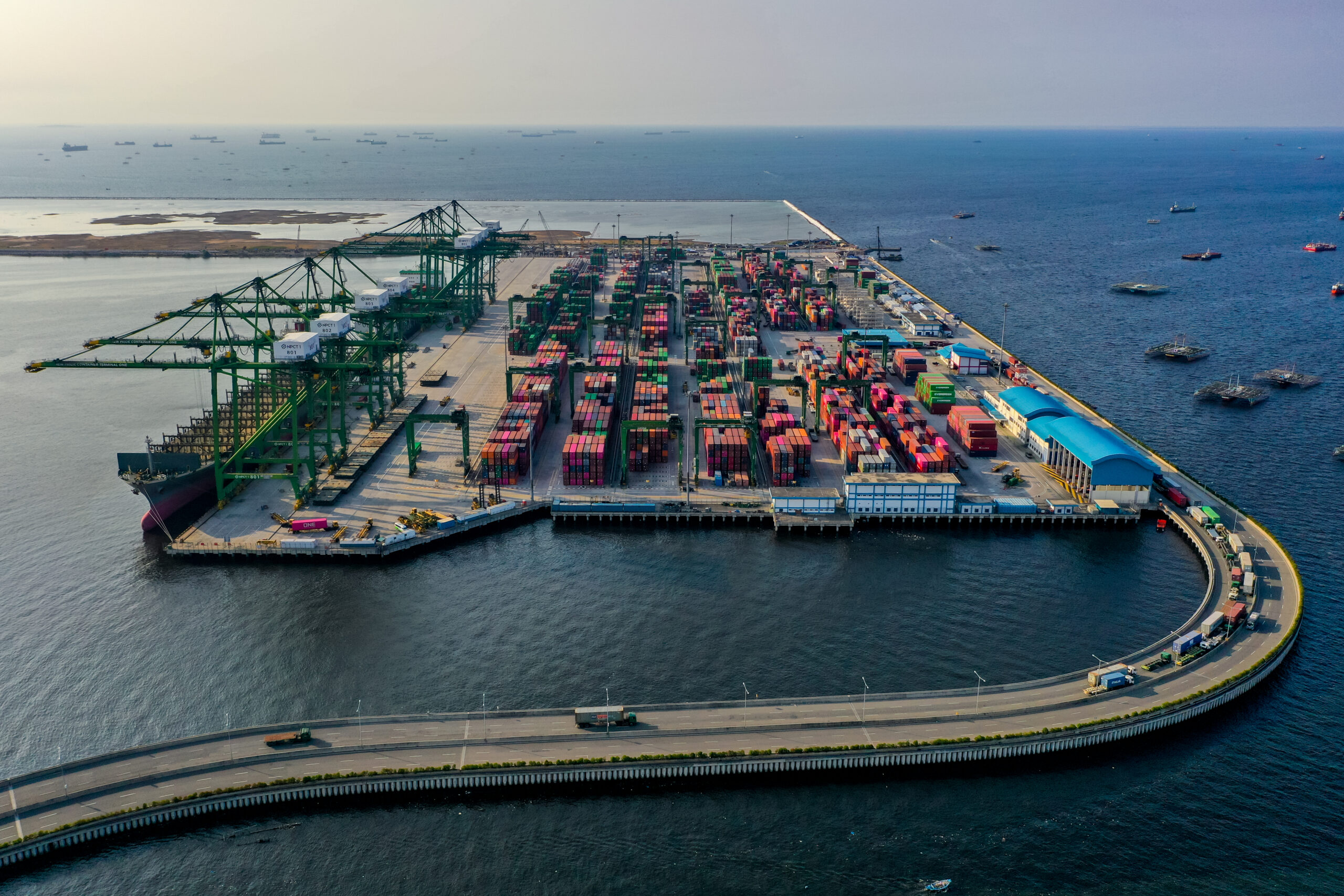
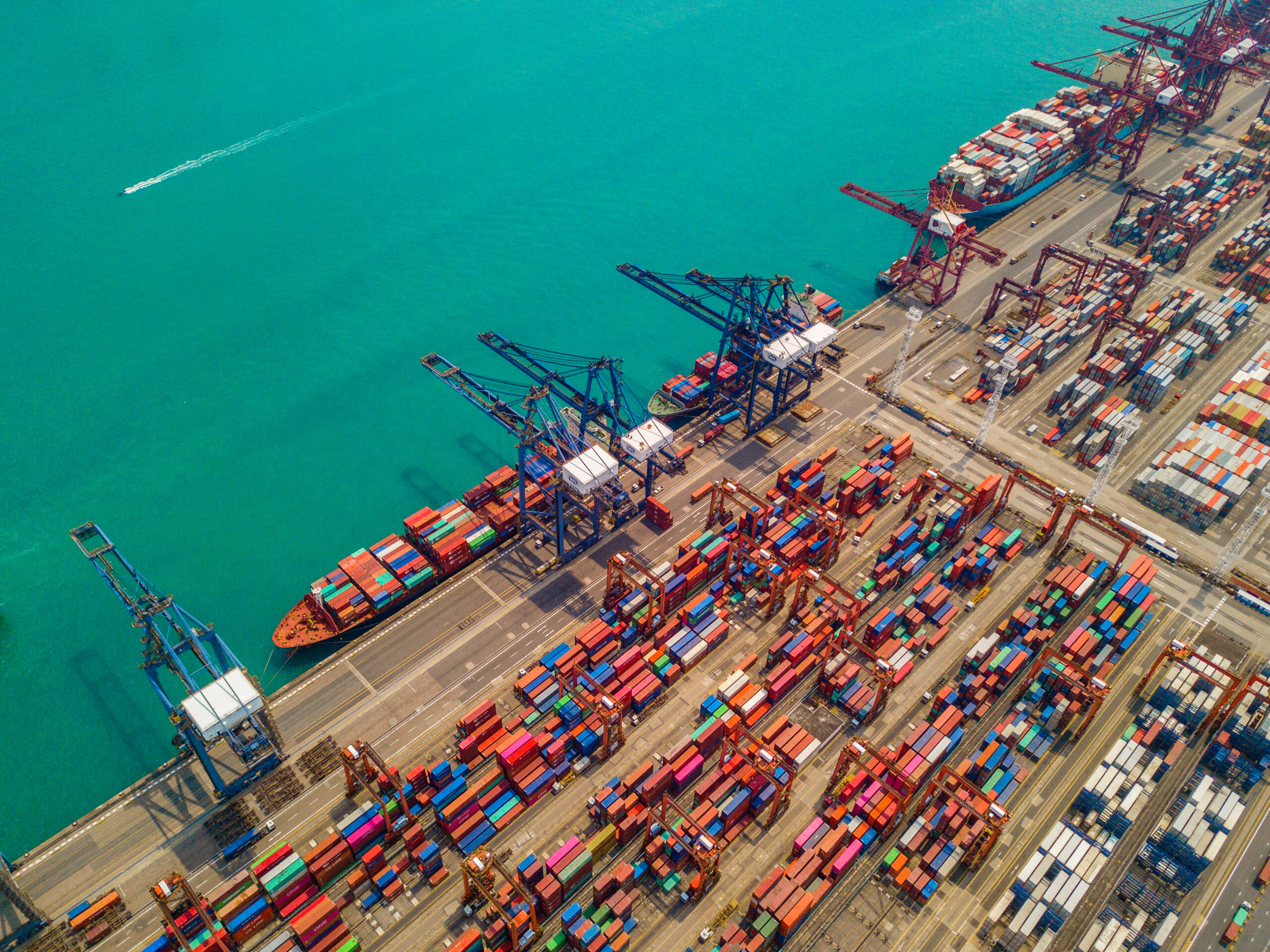
    Liverpool’s rise as a logistics and customs hub is not by chance. The city’s port, Port of Liverpool, is one of the UK’s largest and most advanced trading gateways. Handling millions of tonnes of cargo each year, it connects the UK to more than 100 global destinations.

    Here’s why Liverpool’s location and infrastructure make it a key player in international trade:

    1. Strategic Port Access – Situated on the west coast, Liverpool provides quick access to Ireland, North America, and mainland Europe. This makes it a preferred entry point for businesses trading across the Atlantic.
    2. Modern Port Facilities – The port has undergone significant modernization in recent years, with automated terminals, advanced tracking systems, and efficient cargo handling capabilities.
    3. Integrated Logistics Network – Excellent road, rail, and warehousing links mean goods can move seamlessly from dock to destination, reducing turnaround time.
    4. Experienced Customs Agents – Liverpool is home to numerous experienced customs brokers and clearance specialists who understand the complexities of UK and international regulations.

    These advantages make customs clearance in Liverpool not only efficient but also adaptable to the needs of businesses of all sizes — from small traders to multinational corporations.

    Understanding the Customs Clearance Process

    Whether you’re importing or exporting goods, the customs clearance process generally involves several key steps:

    1. Documentation Preparation – This includes invoices, packing lists, bills of lading, and any applicable licenses or certificates. Accurate paperwork ensures smooth processing.
    2. Customs Declarations – Goods must be declared to HM Revenue and Customs (HMRC). The declaration includes details about the goods’ value, origin, and classification according to the UK Tariff Code.
    3. Duty and Tax Calculation – Depending on the nature of the goods and their country of origin, customs duties, VAT, or other taxes may apply.
    4. Inspection and Clearance – Customs authorities may inspect shipments to verify their contents and ensure compliance. Once approved, goods are released for entry or export.
    5. Delivery and Distribution – After clearance, goods are transported to their final destination — whether it’s a local warehouse, retail outlet, or customer abroad.

    Each of these steps requires precision and compliance. Even small errors in documentation can cause significant delays. That’s why many businesses choose professional customs clearance partners to handle the process on their behalf.

    How Liverpool Supports Businesses in Global Trade

    Liverpool’s customs and logistics ecosystem is designed to support businesses at every stage of the trading process. From small importers bringing in specialized products to global corporations moving large-scale shipments, the region offers a range of services to ensure smooth operations.

    These include:

    • Customs Brokerage and Advisory Services – Helping companies navigate regulations and complete paperwork correctly.
    • Freight Forwarding – Coordinating shipping routes, carriers, and timing to optimize costs and efficiency.
    • Warehousing and Distribution – Providing secure facilities for goods storage and timely dispatch.
    • Digital Tracking and Compliance Tools – Ensuring real-time visibility and compliance monitoring throughout the supply chain.

    Together, these services help businesses reduce administrative burdens, cut costs, and focus on growth.

    Overcoming Common Customs Challenges

    International trade is complex, and even experienced businesses can face challenges. Common issues include:

    • Misclassification of goods under tariff codes.
    • Incomplete or inaccurate documentation.
    • Changes in trade regulations post-Brexit.
    • Unexpected customs duties or VAT assessments.
    • Delays due to inspections or compliance checks.

    In such cases, expert guidance becomes invaluable. Partnering with a trusted company like Global Customs Clearance Ltd. can make the difference between a smooth shipment and a costly delay. Their team specializes in customs clearance in Liverpool and provides tailored solutions to help clients stay compliant and efficient in all aspects of trade management.

    The Future of Customs Clearance in Liverpool

    As global trade continues to evolve, customs clearance processes are becoming more digital and data-driven. Liverpool’s logistics network is keeping pace with these developments through innovations like:

    • Electronic customs declarations and online document submission.
    • Advanced cargo tracking and risk management systems.
    • Collaboration between ports, logistics providers, and government agencies to streamline procedures.

    With sustainability and efficiency becoming key goals, Liverpool’s role is expected to grow even stronger in supporting the UK’s trading ambitions.

    In the world of global commerce, customs clearance is more than a regulatory necessity — it’s a strategic advantage. Liverpool, with its strong infrastructure, expert workforce, and global connectivity, stands at the forefront of this vital process. Businesses that rely on efficient customs clearance in Liverpool not only save time and money but also strengthen their position in the international market.

    By working with experienced professionals such as Global Customs Clearance Ltd., companies can confidently navigate the complexities of international trade — clearing customs and, quite literally, connecting worlds.
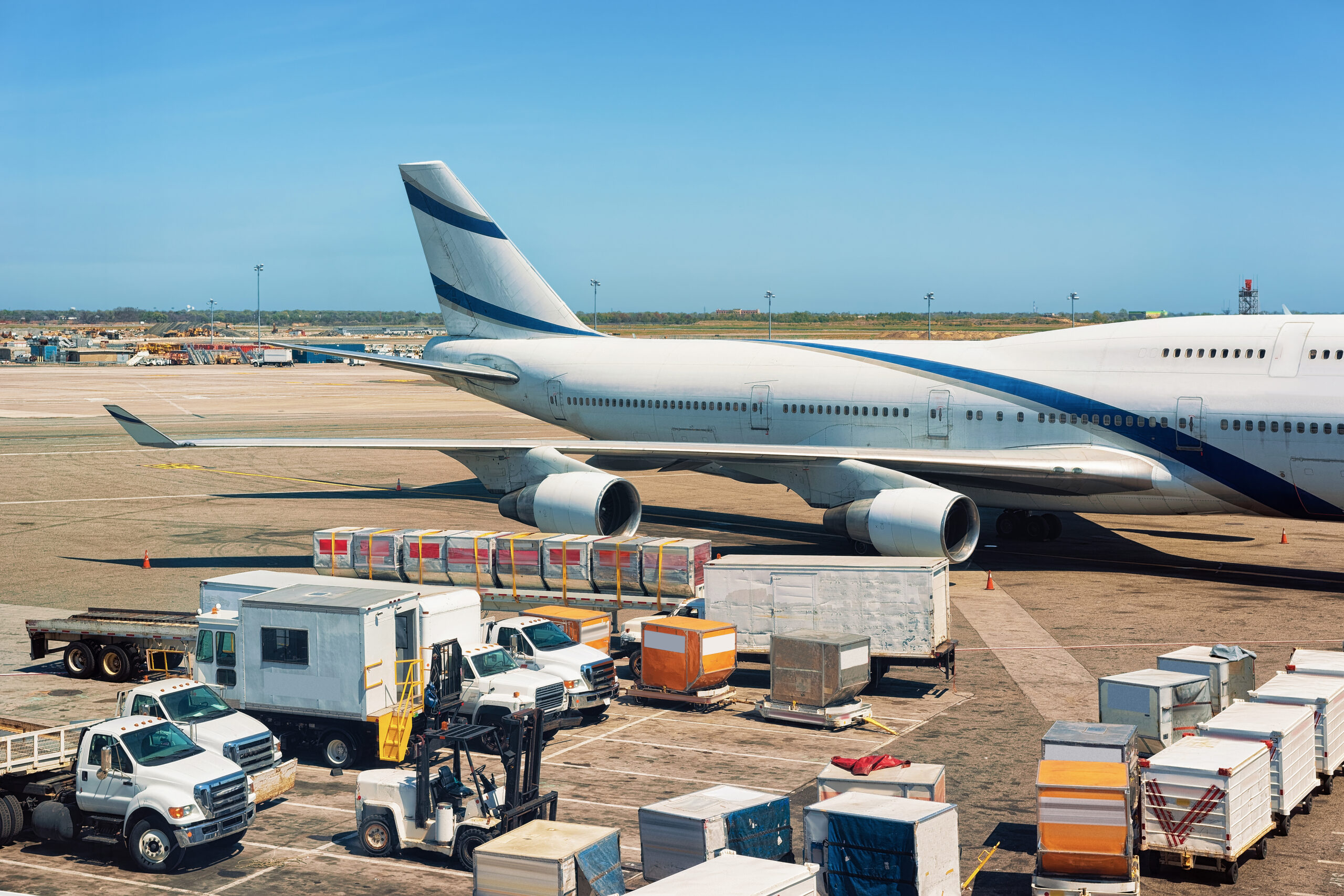

  • The Unsung Heroes of Air Freight: Why Customs Clearance Agents Matter

    The Unsung Heroes of Air Freight: Why Customs Clearance Agents Matter

    When goods cross international borders, the process may seem straightforward to many, but behind the scenes, a complex network ensures shipments move smoothly and efficiently. One of the critical components of this system is the Air Freight Customs Clearance Agents. These professionals play an indispensable role in global trade, ensuring that cargo complies with international regulations, reaches its destination on time, and avoids unnecessary costs.

    In this blog, we explore the essential functions of air freight customs clearance agents and why they are often the unsung heroes of international logistics.

    What Are Air Freight Customs Clearance Agents?

    Air Freight Customs Clearance Agents are specialists who manage the documentation and regulatory requirements for goods transported via air. Their primary role is to act as intermediaries between importers, exporters, and government authorities, ensuring that shipments meet all legal and customs obligations.

    Without these experts, businesses would struggle with complex paperwork, unclear regulations, and potential delays or fines. Agents streamline the customs process, making international trade faster, safer, and more efficient.

    The Key Responsibilities of Air Freight Customs Clearance Agents

    Customs clearance is a multifaceted process, and agents handle numerous tasks to guarantee a smooth shipment. Their main responsibilities include:

    1. Documentation Management

    One of the most critical tasks of customs agents is ensuring that all required paperwork is accurate and complete. This includes:

    • Commercial invoices: Detailing the value and description of goods.
    • Packing lists: Outlining the contents and packaging details.
    • Airway bills: Serving as the contract between the shipper and carrier.
    • Certificates of origin: Confirming where goods were produced.
    • Import/export licenses: Ensuring goods meet country-specific legal requirements.

    Even minor errors in documentation can cause delays or lead to customs penalties, making the agent’s role essential.

    2. Compliance with Customs Regulations

    Every country has its own set of rules and regulations for imports and exports. Customs clearance agents must stay updated with these constantly changing policies. Their expertise ensures that:

    • All goods comply with legal requirements.
    • Duties and taxes are calculated correctly.
    • Restricted or prohibited items are identified before shipment.

    By navigating complex regulations, agents protect businesses from fines, legal issues, and shipment delays.

    3. Efficient Duty and Tax Management

    Customs duties and taxes are often a significant part of the total cost of imported goods. Agents calculate these charges accurately, helping businesses avoid overpayment. They also advise on:

    • Possible duty exemptions or reductions.
    • Harmonized System (HS) codes for correct tariff classification.
    • Payment methods and deadlines to avoid interest or penalties.

    Accurate financial handling is crucial for budgeting and cost management in international trade.

    4. Risk Management and Problem Solving

    Customs clearance is not without challenges. Delays, inspections, or unexpected regulatory changes can disrupt shipments. Experienced agents proactively manage risks by:

    • Anticipating potential issues before cargo arrives.
    • Communicating with customs authorities to resolve discrepancies.
    • Advising clients on best practices for packaging, labeling, and documentation.

    Their problem-solving skills ensure that goods reach their destination with minimal disruptions.

    5. Liaison Between Stakeholders

    Air freight involves multiple parties, including airlines, freight forwarders, importers, exporters, and government authorities. Customs clearance agents act as the central point of communication, coordinating between all stakeholders to:

    • Track shipments in real-time.
    • Resolve documentation or compliance issues quickly.
    • Ensure smooth handoffs at airports and customs checkpoints.

    This coordination is vital for time-sensitive cargo, such as perishable goods or high-value items.

    Why Businesses Rely on Air Freight Customs Clearance Agents

    For companies engaged in international trade, the services of customs clearance agents are not a luxury—they are a necessity. The reasons are clear:

    1. Time Efficiency: Agents handle paperwork and compliance quickly, reducing delays.
    2. Cost Savings: Proper classification and duty management can save significant amounts.
    3. Legal Security: Ensures that businesses operate within legal frameworks, avoiding fines or confiscation.
    4. Stress Reduction: Navigating customs procedures independently can be overwhelming; agents simplify the process.
    5. Global Expertise: Experienced agents are familiar with international regulations, helping businesses expand into new markets confidently.

    By outsourcing these complex tasks to professionals, businesses can focus on their core operations without worrying about customs issues.

    How Global Cust Supports Smooth Air Freight Operations

    Companies like Global Cust specialize in providing expert air freight customs clearance services. Their team of experienced agents ensures that cargo moves seamlessly across borders while complying with all regulatory requirements. From documentation management to liaison with authorities, Global Cust handles every aspect of customs clearance with precision and professionalism.

    Working with a reliable customs clearance agent not only guarantees compliance but also enhances supply chain efficiency, reduces risks, and improves overall customer satisfaction.

    Air freight customs clearance agents are the unsung heroes of international logistics. They operate behind the scenes, managing documentation, ensuring compliance, handling duties, mitigating risks, and coordinating with multiple stakeholders. Their expertise is indispensable for businesses looking to move goods efficiently and legally across borders.

    For anyone involved in global trade, understanding the role of these professionals highlights their value—not just as intermediaries, but as strategic partners who keep the world’s supply chains running smoothly.Partnering with a trusted service provider, such as Global Cust, can transform the complexities of customs clearance into a seamless, reliable process, ensuring your cargo reaches its destination safely and on time.

  • Why Relying on UK Customs Clearance Agents is a Smart Business Move

    Why Relying on UK Customs Clearance Agents is a Smart Business Move

    Navigating international trade can be challenging, particularly when it comes to importing and exporting goods. One of the most critical aspects of this process is customs clearance, a complex area governed by regulations that can be difficult for businesses to navigate independently. This is where Customs Clearance Agents in the UK play a crucial role, helping companies streamline the movement of goods while ensuring compliance with all legal requirements.

    Understanding Customs Clearance

    Customs clearance is the official procedure through which goods are transported across borders and formally recognized by customs authorities. It involves submitting the correct documentation, paying any duties or taxes, and ensuring that shipments meet regulatory requirements. Failing to follow these procedures can lead to delays, fines, or even confiscation of goods, which can be costly for businesses of any size.

    Customs clearance is not just about paperwork; it also requires knowledge of international trade laws, tariff classifications, import/export restrictions, and procedures specific to the UK. Businesses unfamiliar with these processes often face challenges that can disrupt supply chains and impact their bottom line.

    The Role of Customs Clearance Agents

    Customs Clearance Agents UK act as intermediaries between businesses and HM Revenue & Customs (HMRC), ensuring that shipments comply with all legal obligations. Their responsibilities include:

    • Documentation Management: Preparing and submitting import/export declarations accurately. This includes commercial invoices, packing lists, and certificates of origin. Proper documentation reduces the risk of delays or legal complications.
    • Duty and Tax Calculation: Calculating applicable customs duties and VAT, ensuring that businesses pay the correct amount. Agents stay updated on changes in tariff rates and exemptions.
    • Compliance Assurance: Advising businesses on UK customs regulations, including restricted goods, licensing requirements, and safety standards. Agents help avoid penalties and legal issues.
    • Logistics Coordination: Coordinating with freight forwarders, shipping companies, and port authorities to ensure smooth delivery. This includes scheduling inspections when required.
    • Problem Resolution: Handling unexpected issues such as shipment holds, customs queries, or discrepancies in documentation. Experienced agents can resolve these challenges efficiently, preventing costly delays.

    By leveraging the expertise of customs clearance agents, businesses can focus on their core operations while leaving the intricate compliance and logistics tasks to professionals.

    Benefits of Hiring Customs Clearance Agents in the UK

    Partnering with professional customs clearance agents offers numerous advantages for businesses involved in international trade.

    1. Time Savings: Navigating customs procedures can be time-consuming. Agents expedite the process by handling all paperwork, communications, and submissions efficiently.
    2. Cost Efficiency: Avoiding delays and errors reduces storage fees, fines, and penalties. Agents also optimize duty payments through correct tariff classifications.
    3. Regulatory Compliance: Staying compliant with UK customs regulations is crucial to avoid legal consequences. Agents ensure all rules are followed, mitigating the risk of audits or penalties.
    4. Expert Guidance: Customs regulations frequently change. Agents provide up-to-date advice on import/export laws, licensing requirements, and restricted items.
    5. Risk Mitigation: With professional agents, businesses reduce the risk of shipment seizures, delayed deliveries, or lost goods. This ensures smoother supply chain operations.
    6. Streamlined Operations: Coordination with logistics providers and shipping lines becomes seamless, enabling faster turnaround times for imports and exports.

    In a fast-paced global market, these advantages translate into tangible benefits, allowing businesses to maintain competitiveness while reducing administrative burdens.

    Choosing the Right Customs Clearance Agent

    Selecting a reliable customs clearance agent is essential for maximizing these benefits. Look for agencies with:

    • Proven experience in handling UK customs procedures.
    • Knowledge of your specific industry or type of goods.
    • Transparent pricing and clear communication.
    • Strong relationships with customs authorities and logistics providers.

    For businesses seeking professional support, companies like Global Cust offer comprehensive customs clearance services across the UK. Their expertise ensures that shipments meet all regulatory requirements, while also optimizing cost and time efficiency.

    The Future of Customs Clearance

    With the rise of digital trade and evolving regulations, customs clearance is becoming increasingly complex. Technology plays a growing role in automating document submission, tracking shipments, and ensuring compliance. However, the human expertise provided by customs clearance agents remains invaluable. They not only manage compliance but also interpret regulations and provide practical solutions tailored to each business’s needs.

    Relying on Customs Clearance Agents UK is more than just a convenience—it is a strategic business decision. From managing complex documentation and ensuring regulatory compliance to optimizing costs and preventing delays, professional agents provide essential support for smooth international trade operations.

    For companies looking to expand their global reach, partnering with an experienced customs clearance agent is a smart move. It allows businesses to focus on growth while leaving the complexities of import and export processes in capable hands. By leveraging the knowledge and expertise of professionals, companies can navigate UK customs efficiently, mitigate risks, and stay ahead in an increasingly competitive market.

  • How Efficient Customs Clearance Can Boost Your UK Trade Operations

    How Efficient Customs Clearance Can Boost Your UK Trade Operations

    In the fast-paced world of global commerce, the success of your trade operations often depends on one crucial element — efficient customs clearance. Whether you are importing raw materials, exporting finished goods, or managing a complex international supply chain, understanding and optimizing Customs Clearance in United Kingdom can make a significant difference to your business performance.

    This blog explores the importance of streamlined customs clearance, its impact on trade operations, and how businesses can ensure compliance while saving time and costs.

    Understanding Customs Clearance in the United Kingdom

    Customs clearance refers to the process by which goods entering or leaving the UK are officially approved by customs authorities. It ensures that all imports and exports comply with UK laws, trade regulations, and tariff requirements.

    This process includes the preparation and submission of documents such as:

    • Commercial invoices
    • Packing lists
    • Certificates of origin
    • Import/export licenses
    • Customs declarations

    For businesses trading internationally, customs clearance is not just a procedural formality—it’s a vital step in ensuring that goods flow smoothly through borders without delays or penalties.

    Why Efficient Customs Clearance Matters

    Efficiency in customs clearance goes beyond meeting legal requirements. It directly affects your overall trade operations, cash flow, and customer satisfaction. Here’s how:

    a. Minimizes Delays

    A well-organized customs clearance process prevents goods from being held at ports or border points. Delays can disrupt supply chains and lead to missed deadlines, affecting client relationships and reputation.

    b. Reduces Operational Costs

    Errors in documentation or misclassification of goods can result in fines, re-submissions, and storage costs. Efficient customs handling reduces these risks and ensures smooth logistics.

    c. Enhances Cash Flow

    Quicker clearance means faster delivery and invoicing, helping maintain a steady cash flow — a crucial factor for small and medium-sized enterprises (SMEs).

    d. Strengthens Compliance

    Staying updated with UK customs laws, tariff changes, and post-Brexit trade regulations ensures that your business remains compliant and avoids costly penalties.

    e. Improves Customer Experience

    For exporters, timely customs clearance ensures on-schedule delivery to global clients — enhancing trust and encouraging repeat business.

    Key Components of Customs Clearance in the UK

    To achieve smooth and efficient clearance, businesses must focus on a few key elements:

    a. Accurate Documentation

    All customs procedures depend on documentation accuracy. Even small errors in commodity codes, valuation, or description can cause significant delays. Ensure that all paperwork is consistent and compliant with HMRC standards.

    b. Correct Tariff Classification

    Each product traded internationally must be assigned a specific Harmonized System (HS) code. This classification determines applicable duties and taxes. Misclassification can lead to overpayment or underpayment of duties, resulting in penalties or audits.

    c. Duty and VAT Management

    Understanding how customs duties and VAT apply to your goods helps in effective cost planning. Importers may also be eligible for duty reliefs or deferment schemes, which can optimize financial efficiency.

    d. Compliance with Trade Regulations

    Post-Brexit, the UK has introduced new trade agreements and independent customs procedures. Businesses must stay informed about these regulations to ensure seamless cross-border trade.

    e. Use of Technology and Automation

    Digital customs platforms and electronic data interchange (EDI) systems have revolutionized how documentation is processed. Leveraging these technologies minimizes manual errors and speeds up approvals.

    The Role of Customs Brokers and Specialists

    For many businesses, managing customs clearance internally can be time-consuming and complex. Partnering with a licensed customs broker or freight forwarding specialist can simplify the process.

    Professionals handle all the documentation, liaise with HMRC, calculate duties, and ensure your goods comply with all UK customs requirements. Their expertise helps businesses focus on core operations without worrying about border compliance.

    Post-Brexit Customs Challenges and Opportunities

    Since the UK’s exit from the European Union, customs clearance has become more intricate for companies trading between the UK and EU nations. Businesses must now file full customs declarations for imports and exports, comply with new VAT rules, and meet origin verification requirements.

    While these changes initially increased administrative burdens, they also present opportunities. Businesses can now explore new global trade partnerships, negotiate better tariffs, and benefit from UK’s independent trade policies.

    How Efficient Customs Clearance Supports Growth

    A streamlined customs process not only ensures compliance but also creates a foundation for growth:

    • Faster Delivery Times: Reduced port congestion and quicker turnaround enhance competitiveness.
    • Lower Costs: Efficient documentation and tariff management help control overheads.
    • Global Expansion: Reliable customs handling makes it easier to explore international markets.
    • Risk Reduction: Professional management minimizes the chances of penalties and disputes.

    In essence, businesses that invest in efficient customs clearance processes are better positioned to thrive in the evolving global trade environment.

    Building a Reliable Customs Strategy

    Developing a customs clearance strategy involves integrating compliance, technology, and expert assistance. Regular audits, staff training, and digital systems can make a substantial difference in maintaining operational efficiency.

    Companies like Global Customs Clearance Ltd emphasise the importance of personalised customs solutions tailored to each business’s trading needs. Whether it’s handling import declarations, managing export licenses, or advising on tariff classifications, professional guidance ensures peace of mind and smoother trade movement.

    Efficient Customs Clearance in United Kingdom is more than just a logistical necessity—it’s a strategic advantage. By prioritizing accuracy, compliance, and technology-driven processes, businesses can reduce operational bottlenecks, enhance profitability, and build a stronger presence in global trade.With the right expertise and a well-structured clearance approach, UK businesses can navigate border complexities confidently. Partnering with experienced professionals like Global Customs Clearance Ltd can help streamline every stage of the process, ensuring that your goods move swiftly and securely—no matter where your trade takes you.

  • Mastering the Art of Customs Clearance at Southampton Dock

    Mastering the Art of Customs Clearance at Southampton Dock

    When it comes to global trade, Southampton Dock stands as one of the United Kingdom’s busiest and most strategically important ports. With thousands of containers moving in and out each day, efficient customs clearance in Southampton is essential for importers and exporters seeking to keep their goods flowing smoothly. However, navigating customs procedures can be complex — involving detailed paperwork, strict compliance rules, and time-sensitive operations. Mastering this process not only saves time and money but also strengthens your business’s supply chain efficiency.

    In this blog, we’ll explore what makes customs clearance so critical, the common challenges traders face, and how partnering with the right professionals can simplify the entire process.

    Understanding Customs Clearance in Southampton

    Customs clearance refers to the process of preparing and submitting documentation required to facilitate the import and export of goods into or out of a country. At Southampton Dock, this process ensures that all goods entering or leaving the UK comply with local regulations, tariff classifications, and duty payments.

    The primary goal is to ensure that imported goods are legally allowed entry and that export shipments meet all international trade standards. Each consignment passing through Southampton must be declared, inspected if necessary, and cleared before it can proceed to its final destination.

    Why Southampton Dock Is a Trade Powerhouse

    Southampton is not just a port; it’s a vital trade gateway connecting the UK to markets across Europe, Asia, and beyond. It handles a significant percentage of the nation’s containerized cargo, automobiles, and cruise passenger traffic. Its modern infrastructure and proximity to key transport links make it a preferred choice for international traders.

    This sheer scale of operations means that customs efficiency is crucial. Any delay in clearance can disrupt supply chains, increase demurrage costs, and affect business commitments. Hence, understanding and mastering customs clearance at Southampton Dock is a strategic necessity for businesses involved in global trade.

    Key Steps in the Customs Clearance Process

    Successfully navigating customs clearance requires precision and attention to detail. Below are the fundamental stages every business should be aware of:

    1. Documentation Preparation
      The first step involves gathering and preparing essential documents such as the commercial invoice, packing list, bill of lading, and certificate of origin. Accuracy in documentation prevents costly delays and rejections.
    2. Customs Declarations
      Traders must declare the nature, quantity, and value of goods being imported or exported. The correct tariff classification and duty assessment are critical to avoid fines or overpayments.
    3. Duty and Tax Payments
      Based on the declared value and classification, customs duties and taxes must be paid. Understanding applicable tariffs and exemptions can help minimize costs.
    4. Customs Inspection and Clearance
      Customs officers may inspect shipments for compliance. Once approved, goods are released and allowed to continue to their destination.
    5. Post-Clearance Compliance
      Keeping detailed records of customs transactions and maintaining compliance with UK regulations ensures smoother future clearances and protects against audits.

    Common Challenges Faced by Businesses

    Despite its importance, customs clearance remains one of the most challenging aspects of international trade. Some common hurdles include:

    • Incomplete or incorrect documentation leading to shipment delays.
    • Misclassification of goods resulting in overpayment or penalties.
    • Lack of understanding of UK and international trade laws.
    • Delays caused by inspections or regulatory updates.
    • Communication gaps between shippers, freight forwarders, and customs agents.

    These challenges highlight why relying on professional customs agents with deep experience at Southampton Dock can make a substantial difference.

    The Importance of Expert Support

    For businesses, especially those new to international trade, handling customs clearance independently can be daunting. Working with an experienced team ensures that all procedures are handled correctly, documentation is compliant, and shipments are cleared efficiently.

    That’s where Global Customs Services steps in. With years of experience handling customs clearance in Southampton, the company offers reliable, compliant, and efficient solutions tailored to each client’s unique trade needs. Their team ensures that goods are processed quickly, duties are calculated accurately, and potential delays are minimized — allowing businesses to focus on what they do best: growing their trade operations.

    How Digitalization Is Changing Customs Clearance

    The landscape of customs clearance is rapidly evolving, with digital tools and automated systems streamlining what was once a time-consuming process. Electronic declarations, real-time shipment tracking, and online document submissions have reduced errors and improved transparency.

    Southampton Dock is at the forefront of this digital shift. With enhanced connectivity and integrated port systems, traders can now process documentation faster and access up-to-date information about their shipments. Embracing technology is no longer optional — it’s essential for maintaining competitiveness in the modern trading environment.

    Tips to Master Customs Clearance at Southampton Dock

    To ensure a smooth clearance process, consider the following best practices:

    • Double-check all documentation before submission to avoid discrepancies.
    • Stay updated with the latest UK customs regulations and post-Brexit changes.
    • Understand your product codes (HS codes) to ensure accurate tariff classification.
    • Work with trusted freight forwarders and customs agents familiar with Southampton operations.
    • Plan for potential delays by factoring in extra time for inspections or paperwork corrections.
    • Leverage digital tools for tracking and documentation management.

    By implementing these steps, businesses can reduce risks, prevent costly delays, and maintain a seamless supply chain.

    Mastering customs clearance in Southampton Dock requires a blend of regulatory knowledge, meticulous documentation, and professional expertise. The process can seem complex, but with proper planning and the right support, it becomes a strategic advantage rather than a challenge.

    Whether you’re importing machinery, exporting consumer goods, or managing large-scale logistics, efficient customs clearance ensures that your operations remain compliant and cost-effective.

    Partnering with experienced professionals like Global Customs Services can help you navigate every stage of the clearance process with confidence. Their expertise not only simplifies procedures but also helps businesses save time, reduce errors, and maintain steady trade flow through one of the UK’s busiest ports — Southampton Dock.

  • Is Customs Clearance Slowing Down UK Trade? A Look at Felixstowe Operations

    Is Customs Clearance Slowing Down UK Trade? A Look at Felixstowe Operations

    As the UK’s largest container port, Felixstowe plays a crucial role in the nation’s international trade. Handling over 40% of the country’s container traffic, the port is a vital gateway for imports and exports across Europe and beyond. Yet, for many importers and exporters, one question continues to surface: Is customs clearance slowing down UK trade?

    In this blog, we take a closer look at customs clearance in Felixstowe, the factors that impact processing times, and how businesses can navigate these challenges to keep their supply chains moving efficiently.

    The Role of Customs Clearance in UK Trade

    Customs clearance is an essential part of the import and export process. It ensures that all goods entering or leaving the UK comply with relevant regulations, are correctly classified, and have the appropriate duties and taxes paid. Without effective customs management, trade would grind to a halt.

    At Felixstowe, customs clearance involves multiple steps — from documentation verification to physical inspections, duty calculations, and approvals from various government agencies. Each stage requires precision, and even small mistakes can lead to delays, fines, or shipment holds.

    Since Brexit, customs procedures have become more complex. The UK’s departure from the EU introduced new rules, additional paperwork, and increased scrutiny on goods moving between the UK and Europe. As a result, customs clearance has become a critical point of pressure for logistics operations across the country — particularly at busy ports like Felixstowe.

    Is Customs Clearance Slowing Down Trade?

    While customs clearance itself isn’t inherently slow, the volume of goods and the accuracy of documentation significantly affect processing times. The main causes of delays at Felixstowe typically include:

    1. Incomplete or Incorrect Documentation
      Missing commercial invoices, inaccurate commodity codes, or incorrect valuations are among the most common reasons for customs delays. A single incorrect detail can cause a shipment to be flagged for review, creating a ripple effect across the supply chain.
    2. Increased Port Congestion
      Felixstowe’s high traffic means even minor disruptions — such as bad weather, IT system outages, or staff shortages — can result in backlogs. When vessels are delayed, customs officers face higher workloads, further slowing down processing.
    3. Post-Brexit Regulatory Changes
      Many businesses are still adapting to the UK’s new import controls and documentation requirements. The introduction of systems like the UK’s Customs Declaration Service (CDS) and safety/security declarations has improved compliance but added complexity.
    4. Random Inspections and Risk Assessments
      The UK Border Force and HMRC conduct periodic physical inspections to ensure compliance with trade and security regulations. While necessary, these checks can extend clearance times, especially if shipments are not well-prepared.

    Despite these challenges, customs clearance does not need to be a bottleneck. Businesses that invest in digital systems, accurate documentation, and professional support often experience minimal delays and more predictable supply chains.

    The Importance of Efficiency at Felixstowe

    Felixstowe has implemented several technological advancements to streamline customs operations. The port’s integration with the UK’s digital customs systems allows for pre-arrival declarations and faster data exchange between shipping lines, freight forwarders, and customs authorities.

    Additionally, initiatives such as electronic data interchange (EDI) and real-time tracking have improved transparency. These tools help logistics professionals monitor shipments, anticipate potential issues, and act before they become costly delays.

    However, technology alone cannot solve every problem. The human element — knowledge, experience, and attention to detail — remains vital in navigating customs successfully.

    How Businesses Can Reduce Customs Delays

    To ensure smoother customs clearance at Felixstowe, companies can take several proactive steps:

    • Ensure Accurate Documentation:
      Verify that all paperwork — including commercial invoices, packing lists, and certificates of origin — is complete and accurate before goods depart.
    • Use the Correct Commodity Codes:
      Misclassification of goods is a leading cause of delays. Proper tariff classification ensures the correct duty rates and compliance with trade regulations.
    • Pre-Lodge Declarations:
      Submitting customs declarations before shipment arrival helps customs officers process entries faster.
    • Work with Experienced Customs Brokers:
      Partnering with a professional customs broker, such as Global Customs, ensures compliance, reduces errors, and accelerates clearance times.
    • Stay Updated on Regulatory Changes:
      The UK’s trade and customs landscape continues to evolve. Staying informed helps businesses adapt quickly to new requirements and avoid unexpected issues.

    The Future of Customs Clearance in Felixstowe

    The UK government is investing in digital trade systems aimed at simplifying customs procedures. The ongoing rollout of the Single Trade Window, for instance, will allow traders to submit all import and export data through one unified platform. This development promises to enhance efficiency and reduce duplication across various government departments.

    At Felixstowe, continuous collaboration between port authorities, logistics companies, and customs agencies is expected to further improve turnaround times. With automation and data-driven processes becoming standard, the future of customs clearance looks more streamlined than ever.

    While customs clearance can pose challenges, it does not have to slow down UK trade. Most delays at Felixstowe arise not from the customs process itself but from documentation errors, congestion, and evolving regulations.

    By embracing digital solutions, maintaining accurate records, and working with experienced professionals like Global Custom Clearance Ltd, businesses can overcome these challenges and ensure that their goods move through the UK’s busiest port with minimal disruption.

    Felixstowe remains at the heart of British trade — and with continued innovation and expertise, customs clearance will become not a barrier, but a bridge to smoother, faster global commerce.

  • From Dock to Door: Understanding the Customs Process at London Gateway

    From Dock to Door: Understanding the Customs Process at London Gateway

    In the fast-paced world of global trade, efficiency and compliance are the pillars of success. For businesses importing or exporting goods through the United Kingdom, Customs clearance at London Gateway plays a crucial role in ensuring that shipments move smoothly from the dock to their final destination. Whether you are a first-time importer or a seasoned logistics professional, understanding the customs process at one of the UK’s most advanced ports can save time, reduce costs, and prevent unnecessary delays.

    Why London Gateway Matters

    Located on the Thames Estuary in Essex, London Gateway is more than just a port — it’s a fully integrated logistics hub. Operated by DP World, it combines a deep-sea container terminal with state-of-the-art supply chain facilities. Its strategic location allows businesses quick access to London, the Midlands, and the South East, making it a preferred entry point for international trade.

    But while the port’s infrastructure ensures efficient cargo handling, the real challenge for many businesses lies in navigating the customs clearance process — the vital link between goods arriving at the dock and being released for delivery.

    What Is Customs Clearance?

    Customs clearance is the mandatory procedure that allows goods to legally enter or leave a country. It involves preparing and submitting the necessary documentation, ensuring compliance with UK customs regulations, and paying any applicable duties and taxes.

    The process confirms that all goods comply with trade laws, safety standards, and import/export restrictions. Without proper clearance, shipments can face costly delays, penalties, or even seizure.

    At London Gateway, customs clearance is handled through the UK’s Customs Declaration Service (CDS), which replaced the older CHIEF system. This digital platform streamlines the submission of declarations, though accuracy and expertise remain essential for smooth processing.

    The Step-by-Step Process of Customs Clearance at London Gateway

    1. Arrival and Manifest Submission

    When a vessel arrives at London Gateway, carriers or freight forwarders submit a manifest listing all cargo on board. This information is shared electronically with HM Revenue & Customs (HMRC), allowing customs officers to review the contents before the containers are unloaded.

    2. Import Declaration

    Importers or their appointed customs agents must submit an import declaration through the CDS. This document provides detailed information about the goods — including their classification, origin, value, and intended use.

    Each item is classified under a specific commodity code within the UK Trade Tariff, which determines the duty rate and any import restrictions.

    3. Document Verification and Risk Assessment

    Once the declaration is submitted, HMRC conducts a risk assessment to determine whether the shipment can be automatically cleared or if it requires further inspection. Low-risk consignments are typically released quickly, while higher-risk shipments may undergo document checks or physical examinations.

    4. Duty and VAT Payments

    Before goods are released, importers must settle any applicable customs duties, import VAT, or excise taxes. Businesses registered for VAT can often reclaim import VAT later, but accurate documentation is crucial.

    5. Release and Delivery

    Once all requirements are met and payments are confirmed, HMRC issues a clearance message. The goods are then released from the port and can continue their journey through the UK’s logistics network — from the dock at London Gateway to the customer’s door.

    The Role of Customs Agents

    While it’s possible for businesses to handle customs procedures in-house, many choose to work with professional customs clearance agents. These experts ensure that every document is correctly completed and every regulation followed.

    Errors in classification or declaration can lead to significant financial and operational setbacks. Partnering with a trusted customs clearance company, such as Global Customs Clearance Ltd, can make a considerable difference in ensuring compliance and efficiency throughout the process.

    Challenges Businesses Face

    Despite technological advancements, the customs process at London Gateway still presents challenges:

    • Complex regulations: Post-Brexit trade rules have introduced new documentation and compliance requirements for EU and non-EU imports.
    • Delays and inspections: Random checks or incomplete paperwork can cause significant disruptions.
    • Evolving digital systems: The transition to CDS and integration with supply chain software require continuous adaptation.
    • Tariff classification errors: Incorrect commodity codes can result in overpayment or penalties.

    Staying informed and relying on experienced customs professionals can mitigate these issues and keep goods moving smoothly.

    How to Streamline Your Customs Clearance

    1. Prepare documentation early: Gather commercial invoices, packing lists, and certificates of origin before your shipment arrives.
    2. Verify tariff codes: Ensure the correct classification for your goods to avoid unnecessary duties.
    3. Understand duty relief schemes: Explore programs like Inward Processing or Customs Warehousing to reduce costs.
    4. Use digital systems efficiently: Work with partners familiar with the CDS to prevent errors.
    5. Choose reliable partners: Experienced customs agents bring the knowledge and technology needed for fast, compliant clearance.

    Navigating customs clearance at London Gateway doesn’t have to be complicated. With the right knowledge, preparation, and professional support, your goods can move seamlessly from ship to shore and straight to your customer’s door.

    As one of the UK’s busiest and most advanced ports, London Gateway represents the future of international logistics. Partnering with an experienced company like Global Customs Clearance Ltd ensures that businesses not only meet regulatory requirements but also optimise their supply chain for speed, accuracy, and cost efficiency.

  • Your Partner in Global Trade: Streamlining Customs Clearance Across Liverpool’s Ports

    Your Partner in Global Trade: Streamlining Customs Clearance Across Liverpool’s Ports

    In today’s fast-moving global economy, the smooth movement of goods across borders is crucial for every business. Whether you are importing machinery, exporting food products, or managing large shipments, customs clearance in Liverpool plays a pivotal role in keeping trade flowing efficiently. Liverpool’s ports are among the UK’s busiest trade gateways, and understanding how to navigate their customs procedures can make all the difference between seamless delivery and costly delays.

    Liverpool – A Strategic Hub for International Trade

    Liverpool has long been one of the United Kingdom’s most important maritime cities. Its ports connect traders to key destinations across Europe, North America, Asia, and beyond. With modern infrastructure, cutting-edge logistics systems, and access to multimodal transport, Liverpool has become the ideal hub for businesses seeking quick and reliable customs processing.

    However, behind every successful shipment lies a complex network of customs documentation, compliance regulations, and clearance procedures. This is where professional expertise comes into play. Handling customs clearance is not merely about submitting forms—it’s about ensuring accuracy, legal compliance, and efficiency in every transaction.

    Understanding the Customs Clearance Process

    Customs clearance is the process through which imported and exported goods are officially approved to enter or leave a country. It involves a series of steps, including classification, valuation, payment of duties, and verification of trade documentation.

    In Liverpool, customs procedures are governed by HMRC regulations, which require traders to meet strict documentation standards. Any errors in tariff codes, declaration values, or commodity descriptions can lead to delays or penalties. Therefore, engaging professionals who specialize in customs clearance Liverpool ensures that every shipment meets the necessary legal and procedural requirements.

    Key elements of customs clearance include:

    • Import and Export Declarations: Ensuring all goods are accurately declared using the correct commodity codes and duty rates.
    • Duties and Taxes: Calculating and paying customs duties, VAT, and other charges applicable to the shipment.
    • Documentation Compliance: Verifying invoices, packing lists, bills of lading, and certificates of origin for authenticity.
    • Customs Inspections: Managing potential inspections by customs authorities and ensuring goods are released without unnecessary delay.
    • Trade Facilitation: Coordinating with shipping agents, freight forwarders, and port officials to guarantee smooth transit.

    The Importance of Efficiency in Customs Operations

    In international trade, time is money. Delays in customs clearance can disrupt entire supply chains, resulting in financial losses and customer dissatisfaction. Efficient customs management not only accelerates delivery times but also strengthens a company’s global reputation.

    Liverpool’s ports handle thousands of containers daily, and each one requires prompt attention to avoid congestion. Having a streamlined customs process in place ensures that goods move swiftly through inspections and documentation stages. Moreover, it enhances transparency, reduces operational costs, and promotes compliance with trade regulations.

    Technology and Innovation in Customs Clearance

    Modern customs clearance has evolved beyond paper-based systems. Today, digital tools and automation technologies have transformed how businesses manage import and export activities. From electronic data interchange (EDI) to advanced tracking systems, these innovations provide real-time visibility into shipments and simplify the clearance process.

    Customs brokers now use integrated platforms that allow clients to upload documents, track progress, and receive instant updates. This not only saves time but also minimizes the risk of human error. For businesses trading through Liverpool’s ports, embracing digital customs management is essential to staying competitive and compliant.

    Global Cust: Simplifying Trade Through Expert Customs Solutions

    When it comes to navigating international trade procedures, having the right partner makes all the difference. Global Cust offers comprehensive customs clearance services in Liverpool, ensuring businesses remain compliant and their goods move without disruption. The company’s team of experts understands the intricacies of HMRC regulations, trade classifications, and documentation requirements.

    By combining professional experience with modern digital systems, Global Cust helps importers and exporters save time, minimize risk, and maintain operational continuity. Whether managing small shipments or large-scale cargo, the company ensures every step of the customs clearance process is handled with precision and care.

    Why Choose a Professional Customs Partner in Liverpool?

    Working with a customs clearance specialist provides several advantages:

    1. Compliance Assurance: Avoid penalties by ensuring that all declarations meet HMRC standards.
    2. Time Savings: Professional brokers expedite the clearance process, reducing unnecessary delays.
    3. Cost Efficiency: Proper classification and valuation prevent overpayment of duties and taxes.
    4. Expert Guidance: Skilled agents offer insights into changing trade policies and documentation rules.
    5. End-to-End Support: From shipment tracking to final delivery, professionals manage the process seamlessly.

    For businesses looking to expand their trade network, partnering with experienced professionals is an investment in both reliability and peace of mind.

    Future of Customs Clearance in Liverpool

    The future of customs clearance lies in increased digitalization and collaboration. With the UK’s evolving trade agreements and technological advancements, businesses will benefit from faster, more transparent customs processes. Liverpool’s ports are already investing in smart logistics and integrated digital systems to handle growing trade volumes.

    As trade regulations continue to evolve post-Brexit, having access to real-time updates and expert advisory services will be essential. Businesses that adapt to these changes will enjoy smoother operations and enhanced global competitiveness.

    Efficient customs clearance is the backbone of successful international trade. Liverpool’s ports serve as a gateway to the world, offering opportunities for businesses to reach global markets faster and more efficiently. Partnering with experts who understand the nuances of customs regulations ensures a stress-free trading experience.

    With its commitment to precision, professionalism, and technology-driven solutions, Global Cust continues to be a trusted name in customs clearance Liverpool—helping businesses thrive in the global marketplace.

  • Air Freight Customs Clearance Agents in the Era of E-Commerce and Global Trade

    Air Freight Customs Clearance Agents in the Era of E-Commerce and Global Trade

    In today’s interconnected world, the growth of e-commerce has revolutionized the way businesses operate and consumers shop. From small online sellers to multinational corporations, the demand for rapid, reliable delivery of goods across borders has never been higher. This surge in international trade has placed air freight at the forefront of global logistics, with Air Freight Customs Clearance Agents playing a critical role in ensuring shipments move smoothly, efficiently, and in compliance with regulatory requirements.

    The Rising Role of Air Freight in Global Trade

    Air freight has long been the preferred mode of transportation for high-value, time-sensitive, or perishable goods. In the era of e-commerce, this preference has only intensified. Consumers now expect fast delivery times, often within days of placing an order. Businesses, in turn, rely on air freight to meet these expectations while maintaining efficient inventory management.

    However, moving goods by air across international borders involves more than just transportation. Customs regulations, duties, and documentation requirements can be complex and vary from country to country. This is where Air Freight Customs Clearance Agents become indispensable.

    What Air Freight Customs Clearance Agents Do

    At their core, air freight customs clearance agents are specialists who ensure shipments comply with all customs laws and regulations, allowing goods to enter or leave a country without unnecessary delays. Their responsibilities include:

    1. Documentation Verification – Agents check invoices, packing lists, bills of lading, and any required certificates or licenses. Accuracy is critical, as even minor errors can trigger inspections, fines, or shipment delays.
    2. Classification and Valuation – Each product must be assigned a correct HS (Harmonized System) code for duty and tax calculations. Agents also determine the customs value of goods, including shipping and insurance costs, to ensure correct payment.
    3. Declaration Submission – Agents submit customs declarations electronically through the relevant systems, providing all necessary details about the goods, the shipper, and the consignee. This process ensures compliance with local regulations and streamlines inspections.
    4. Liaising with Customs Authorities – Agents act as intermediaries between businesses and customs officials, answering queries, providing clarifications, and resolving potential issues quickly.
    5. Payment of Duties and Taxes – Agents calculate and arrange payment for customs duties and VAT, ensuring that shipments comply with all fiscal requirements.
    6. Post-Clearance Support – Beyond clearance, agents maintain records, prepare for audits, and provide guidance on compliance for future shipments.

    By handling these complex tasks, air freight customs clearance agents allow businesses to focus on their core operations while minimizing the risk of delays and penalties.

    E-Commerce: Driving Demand for Faster Customs Clearance

    The rise of e-commerce has transformed customer expectations. In today’s market, consumers want not just a wide selection of products but also fast, reliable delivery. Delays at customs can erode customer trust and damage a brand’s reputation.

    Air Freight Customs Clearance Agents are uniquely positioned to meet these challenges. They leverage expertise in regulatory requirements and international trade to expedite the movement of goods. By ensuring proper documentation and accurate declarations, they reduce the likelihood of shipments being held at customs, allowing e-commerce businesses to promise and deliver faster shipping times.

    Moreover, many e-commerce platforms rely on global fulfillment centers. Coordinating shipments from these hubs to local markets requires agents to navigate multiple jurisdictions efficiently. Their ability to manage cross-border regulations seamlessly is critical to keeping the global supply chain agile.

    Global Trade Trends and Challenges

    While e-commerce drives volume, global trade regulations are continuously evolving. Post-Brexit changes in the UK, shifting trade agreements, and stricter customs inspections in various countries create an increasingly complex environment.

    Air freight customs clearance agents must stay ahead of these changes to prevent disruptions. They continuously monitor legislation, update procedures, and advise clients on compliance strategies. Without their expertise, businesses risk delayed shipments, increased costs, and compliance violations — all of which can impact competitiveness in the global market.

    Technology and Air Freight Clearance

    The modern customs clearance process is increasingly digital. Automation tools, electronic declaration systems, and AI-driven analytics help agents manage high volumes of shipments efficiently. These technologies reduce errors, speed up processing, and provide real-time tracking for clients.

    For businesses in the e-commerce sector, this digital integration is particularly valuable. It allows sellers to provide accurate delivery estimates to customers while maintaining full visibility over their shipments. Trusted agencies, such as Global Custom Clearance Ltd, combine traditional expertise with modern technology to ensure seamless, reliable service.

    Choosing the Right Air Freight Customs Clearance Agent

    Selecting the right agent is crucial for businesses involved in international trade. A competent agent ensures timely clearance, compliance with regulations, and optimal cost management. Factors to consider when choosing an agent include:

    • Experience with air freight and e-commerce shipments.
    • Knowledge of local and international customs regulations.
    • Ability to provide real-time updates and digital tracking.
    • A proactive approach to problem-solving and risk management.

    Working with a reliable partner like Global Custom Clearance Ltd can give businesses confidence that their shipments will navigate complex regulations efficiently, allowing them to focus on growth and customer satisfaction.

    In the era of e-commerce and global trade, air freight customs clearance agents play an indispensable role in keeping goods moving across borders. By handling documentation, compliance, and communication with customs authorities, they ensure shipments arrive on time and in accordance with regulations.

    As global commerce continues to grow and evolve, businesses that invest in expert customs clearance services gain a competitive edge. Air freight customs clearance agents are not just intermediaries; they are strategic partners, helping businesses navigate complexity and deliver a seamless experience to customers worldwide.

  • Behind the Scenes: What Really Happens at a Customs Clearance Agency in the UK

    Behind the Scenes: What Really Happens at a Customs Clearance Agency in the UK

    In today’s fast-paced global economy, the movement of goods across international borders has become a vital part of business operations. However, behind every smooth delivery lies a complex network of checks, paperwork, and coordination — the unseen world of customs clearance. For many businesses, understanding what happens at a Customs Clearance Agency in the UK can be the difference between on-time deliveries and costly delays. Let’s take a closer look at what really happens behind the scenes.

    Understanding the Role of a Customs Clearance Agency

    A customs clearance agency acts as the essential bridge between importers, exporters, and the UK customs authorities. Their job is to ensure that all shipments entering or leaving the country comply with UK laws, international trade agreements, and documentation requirements. From preparing declarations to calculating duties, these agencies handle the technicalities so that businesses can focus on their operations.

    At its core, the agency ensures that goods pass through customs efficiently and legally. This process involves completing and submitting various forms, verifying documents, and liaising with government departments such as HMRC (His Majesty’s Revenue and Customs).

    Step 1: Documentation – The Foundation of Every Clearance

    Every customs process begins with documentation. A Customs Clearance Agency UK meticulously checks all paperwork to ensure it meets legal and procedural requirements. These documents typically include:

    • Commercial Invoice – outlining the value, quantity, and nature of the goods.
    • Packing List – providing detailed item descriptions for inspection.
    • Bill of Lading or Air Waybill – acting as proof of shipment.
    • Import or Export Licenses – required for restricted items.
    • Certificates of Origin – verifying where goods were manufactured.

    Agencies review each document for accuracy because even a small discrepancy can lead to fines or shipment delays.

    Step 2: Classification and Valuation

    Once documents are verified, the next step is classification and valuation of goods. Every product must be assigned a unique HS (Harmonized System) code, which determines the applicable customs duty and VAT rate. Misclassification can result in overpayment of taxes or legal penalties, so precision is crucial.

    Valuation involves determining the customs value — the basis for calculating duties and taxes. Factors such as transport costs, insurance, and other charges may also influence the final value declared to HMRC.

    Step 3: Submitting the Customs Declaration

    After classification and valuation, the agency submits the customs declaration electronically via the UK’s Customs Declaration Service (CDS). This digital system enables real-time tracking and faster processing of entries. The declaration includes details about the importer, the goods, their classification, and the duties payable.

    Customs officials may then decide whether to clear the goods immediately or request further inspection. This is where the agency’s expertise and accuracy can save valuable time. Well-prepared declarations are less likely to face additional scrutiny.

    Step 4: Duty and VAT Calculations

    One of the most critical aspects of customs clearance is calculating and paying the correct duties and VAT. Agencies determine the total payable based on the product classification and country of origin. They may also identify opportunities for duty relief through schemes such as Inward Processing Relief (IPR) or Customs Warehousing, which help businesses manage cash flow effectively.

    Ensuring accurate payment and documentation avoids costly penalties and maintains compliance with UK trade regulations.

    Step 5: Inspections and Border Control

    While many shipments pass smoothly through customs, certain consignments may be flagged for inspection. This could be due to product type, value, or random selection. During an inspection, customs officers physically check goods to verify that they match the documents provided.

    A competent customs clearance agency coordinates this process by providing detailed support, ensuring that the inspection is handled swiftly and that communication between customs officers and clients remains seamless.

    Step 6: Post-Clearance Support

    Once the goods are cleared, the agency’s role doesn’t end there. They often provide post-clearance support, which includes record-keeping, audit preparation, and resolving any compliance queries. Maintaining detailed records is a legal requirement, typically for up to five years, and agencies ensure that clients stay compliant long after the shipment has arrived.

    This stage is particularly valuable for businesses managing frequent imports or exports, as it ensures long-term efficiency and transparency in their supply chain operations.

    The Human Side of Customs Clearance

    While the process might sound purely technical, there’s a strong human element involved. Customs agents rely on years of experience and up-to-date knowledge of trade regulations to navigate evolving rules — especially after changes such as Brexit. They interpret new laws, apply correct tariff codes, and anticipate potential challenges before they disrupt operations.

    Each successful clearance reflects the expertise, precision, and proactive problem-solving of dedicated professionals who work tirelessly behind the scenes.

    Technology’s Role in Modern Customs Clearance

    The digital transformation of the logistics industry has also reshaped the way customs agencies operate. Automation tools, AI-driven analytics, and cloud-based systems now streamline declaration submissions, reduce manual errors, and enhance visibility.

    For instance, many leading agencies integrate real-time tracking and automated document management systems, giving clients complete control and transparency over their shipments. This use of technology makes customs clearance faster, safer, and more reliable than ever before.

    Why Choose a Reliable Partner

    Selecting the right Customs Clearance Agency UK can significantly influence a company’s success in international trade. Experienced agencies not only ensure compliance but also optimize trade operations, helping businesses save money and time.

    Global Custom Clearance Ltd UK is one such trusted name that offers comprehensive customs clearance services designed for businesses of all sizes. With a strong focus on accuracy, efficiency, and client support, the company ensures your shipments move smoothly across borders.

    From import documentation to final delivery, Global Custom Clearance Ltd UK simplifies complex customs procedures, giving you peace of mind and more time to focus on growing your business.

    Behind every seamless shipment lies a team of professionals dedicated to navigating the complexities of global trade. A reliable customs clearance agency serves as your invisible partner – ensuring compliance, preventing delays, and safeguarding your business interests.

    Understanding what happens behind the scenes helps you appreciate the meticulous work that keeps global commerce moving – one declaration at a time.