Author: shekhar@globalcust.co.uk

  • Preparing for 2026: Liverpool Customs Clearance Challenges and Solutions

    Preparing for 2026: Liverpool Customs Clearance Challenges and Solutions

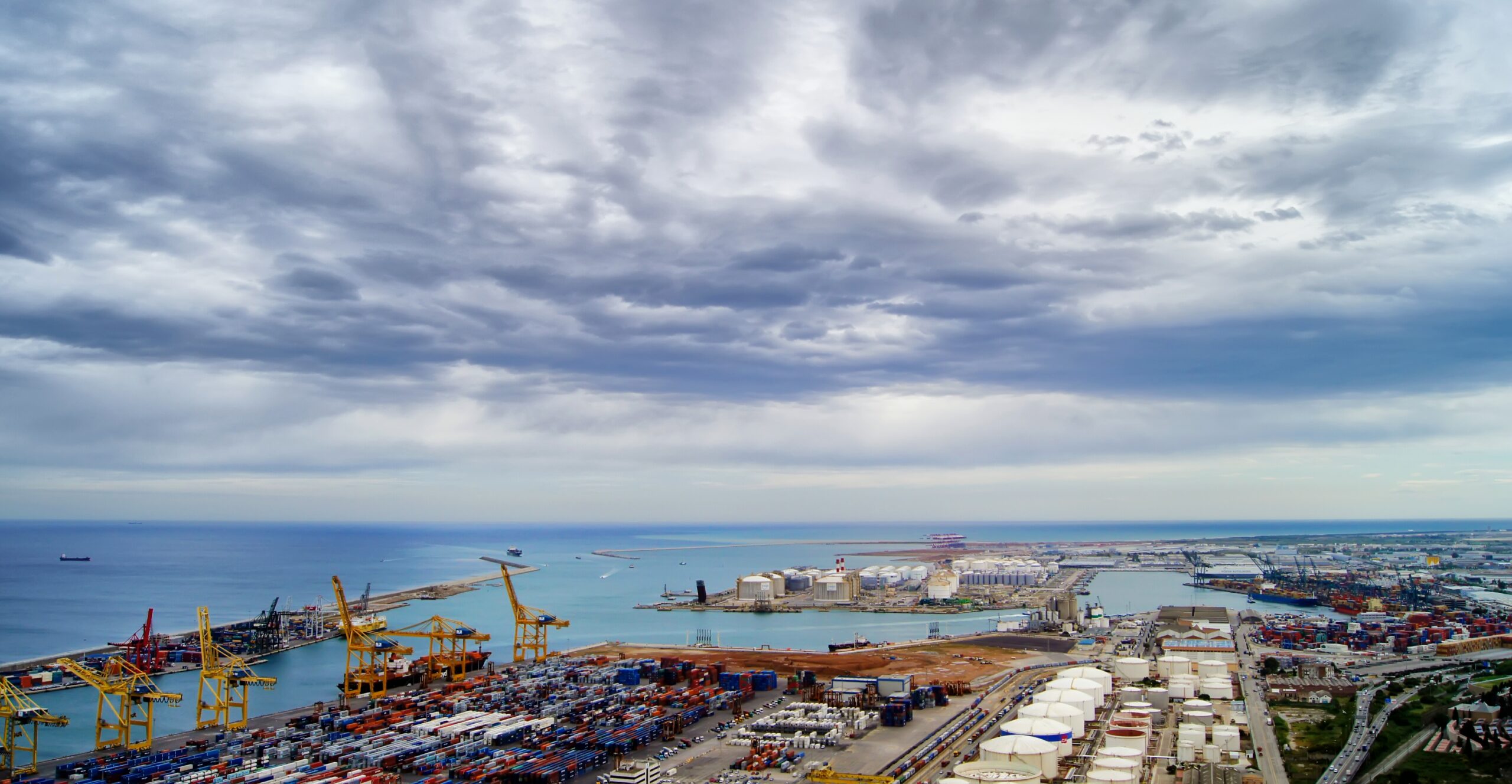
    Global trade continues to evolve, and businesses involved in international shipping need to stay ahead of the curve. For companies importing and exporting goods through the UK, understanding customs procedures is critical. Customs clearance Liverpool plays a central role in ensuring smooth trade operations, especially as regulations and technology continue to change in 2026. This guide explores the key challenges businesses may face and practical solutions to navigate them efficiently.

    Understanding Customs Clearance in Liverpool

    Customs clearance is the process of preparing and submitting necessary documentation to allow goods to enter or leave a country. In Liverpool, one of the UK’s major ports, this process is crucial for both importers and exporters. Effective customs clearance ensures compliance with UK and international trade regulations, avoids delays, and prevents unnecessary fines or penalties.

    The process involves verifying product classifications, calculating duties and taxes, obtaining permits where necessary, and submitting documentation through the HM Revenue and Customs (HMRC) systems. As Liverpool continues to be a vital hub for UK trade, companies must understand the full scope of customs procedures to stay competitive in 2026.

    Key Challenges in Customs Clearance Liverpool

    1. Complex Regulatory Environment
      One of the biggest challenges is navigating the complex and ever-changing trade regulations. Post-Brexit rules, combined with ongoing updates in international trade agreements, can create uncertainty for importers and exporters. Misinterpretation of rules can lead to shipment delays or penalties, emphasizing the importance of staying informed.
    2. Documentation Errors
      Customs clearance requires accurate documentation, including commercial invoices, packing lists, and certificates of origin. Even minor errors in product descriptions, HS codes, or declared values can trigger inspections or rejections. Businesses must ensure precision and completeness to avoid unnecessary delays.
    3. Customs Duties and Tariffs
      Determining the correct duties and tariffs is another challenge. Changes in trade agreements or duty rates can impact costs significantly. Miscalculations may result in overpayment or fines, while underpayment can trigger audits. Companies need effective strategies to accurately assess their obligations.
    4. Supply Chain Disruptions
      Delays at ports, transportation issues, and global supply chain disruptions can affect timely customs clearance. Liverpool, being a busy port, can experience congestion, especially during peak shipping periods. Unforeseen delays may disrupt inventory planning and customer commitments.
    5. Technological Adaptation
      Customs processes are increasingly digitized. While technology can speed up clearance, adapting to new electronic systems and ensuring staff are trained can be challenging. Companies must integrate digital solutions for customs declarations and track shipments in real time to stay competitive.

    Solutions for Efficient Customs Clearance

    1. Stay Updated on Regulations
      Regularly monitoring trade regulations and updates from HMRC is essential. Businesses can subscribe to official newsletters or consult with industry experts to remain compliant. Understanding Brexit-related rules, import/export restrictions, and new trade agreements will minimize compliance risks.
    2. Invest in Accurate Documentation
      Ensuring all documentation is accurate, complete, and up to date is critical. Companies should implement internal checks and validation procedures to reduce errors. Automated systems can assist in generating compliant invoices, shipping documents, and customs declarations.
    3. Proper Classification and Valuation
      Using the correct Harmonized System (HS) codes and accurately declaring the value of goods is key to calculating duties and taxes. Consulting with customs experts or using software tools can reduce errors and ensure compliance with UK tariff rules.
    4. Leverage Technology
      Digital platforms for customs clearance, such as the UK’s Customs Declaration Service (CDS), streamline the process. Businesses can track shipments, submit declarations electronically, and reduce manual errors. Investing in technology also enhances visibility across the supply chain, improving planning and efficiency.
    5. Work with Experienced Customs Brokers
      Collaborating with professional customs brokers can significantly simplify clearance procedures. Brokers bring in-depth knowledge of regulations, documentation requirements, and port-specific practices. Companies like GlobalCust offer expert guidance, helping businesses avoid costly delays and ensuring shipments move smoothly through Liverpool.
    6. Plan for Contingencies
      Effective risk management involves anticipating potential delays or disruptions. Maintaining buffer stock, flexible shipping schedules, and contingency plans ensures that supply chains remain resilient even when unforeseen issues arise.
    7. Staff Training and Knowledge Sharing
      Investing in staff training is essential for keeping customs teams up to date with procedures and regulations. Knowledgeable teams are better equipped to handle complex shipments, troubleshoot issues, and maintain compliance with minimal delays.

    As 2026 approaches, the importance of efficient Customs Clearance in Liverpool cannot be overstated. Businesses face challenges ranging from complex regulations and documentation errors to technological adaptation and supply chain disruptions. However, with proper planning, investment in technology, staff training, and collaboration with expert customs brokers, these challenges can be effectively managed.

    By understanding the processes, staying informed about regulatory changes, and adopting best practices, companies can ensure smooth international trade operations. For businesses navigating Liverpool’s busy ports, partnering with experienced service providers such as GlobalCust ensures compliance, efficiency, and peace of mind, making customs clearance a seamless part of their global trade strategy.
  • Avoiding Penalties and Delays: How a UK Customs Clearance Agency Protects Your Business

    Avoiding Penalties and Delays: How a UK Customs Clearance Agency Protects Your Business

    In today’s fast-paced global trade environment, navigating import and export regulations can be a daunting challenge for businesses. With the United Kingdom’s customs system constantly evolving, even minor errors in documentation or compliance can lead to costly penalties, shipment delays, or reputational damage. This is where a professional Customs Clearance Agency UK plays a critical role in safeguarding businesses and ensuring smooth operations.

    Understanding Customs Clearance

    Customs clearance is the process of getting goods legally approved to enter or leave a country. It involves preparing and submitting required documentation, paying duties and taxes, and adhering to all government regulations. For UK businesses involved in international trade, compliance with HM Revenue & Customs (HMRC) is mandatory. Errors in customs documentation, incorrect tariff classification, or late submission of forms can lead to significant financial penalties and shipment delays.

    The process typically involves:

    • Classification of goods according to the Harmonized System (HS) codes
    • Calculation of customs duties, VAT, and excise taxes
    • Preparation and submission of import/export declarations
    • Ensuring compliance with licensing and trade restrictions
    • Coordination with shipping and freight agents

    Businesses without expertise in these areas risk non-compliance, fines, and operational disruptions.

    The Role of a UK Customs Clearance Agency

    A Customs Clearance Agency UK acts as a trusted intermediary between your business and the authorities. Their primary function is to ensure that all imports and exports comply with UK regulations and international trade laws. Here’s how they protect businesses:

    1. Expert Knowledge of Regulations

    Customs regulations are complex and frequently updated. Agencies specialize in understanding these rules and interpreting them correctly. They ensure that your goods are classified under the correct tariff codes, duties and taxes are accurately calculated, and all licenses or permits are in order. This reduces the risk of HMRC audits and financial penalties.

    2. Accurate Documentation

    Incorrect or incomplete paperwork is one of the most common causes of delays at customs. A professional agency meticulously prepares all required documents, including commercial invoices, packing lists, certificates of origin, and import/export declarations. Proper documentation speeds up the clearance process, avoiding unnecessary holdups at ports or airports.

    3. Efficient Handling of Duties and Taxes

    Calculating and paying the correct duties, VAT, and excise taxes is crucial. Overpayment impacts cash flow, while underpayment can trigger penalties and legal issues. A customs clearance agency ensures precise calculations and timely payments, helping businesses maintain financial efficiency and compliance.

    4. Risk Mitigation and Compliance

    Non-compliance with customs laws can result in fines, seizure of goods, or even criminal charges. Agencies provide risk assessments, advising businesses on potential compliance issues before they occur. By keeping up with regulatory changes and industry best practices, they ensure businesses avoid costly mistakes.

    5. Streamlined Communication

    Customs clearance often involves multiple stakeholders, including shipping companies, freight forwarders, and government authorities. A customs clearance agency acts as a central point of contact, coordinating between all parties to prevent misunderstandings and delays. This streamlined communication allows businesses to focus on their core operations rather than logistics challenges.

    6. Handling Complex or Restricted Goods

    Some products, such as chemicals, pharmaceuticals, or luxury items, require special licenses or certifications for import/export. Agencies are experienced in managing these complexities and ensuring compliance with relevant legislation. Their expertise allows businesses to trade such products with confidence.

    7. Technology-Driven Efficiency

    Modern customs agencies leverage digital tools to track shipments, submit declarations electronically, and manage compliance documentation efficiently. This reduces human error, speeds up clearance times, and provides businesses with real-time visibility into their shipments.

    Benefits for Businesses

    Working with a professional Customs Clearance Agency UK offers several advantages:

    • Reduced Risk of Fines and Penalties: Expert compliance management prevents costly errors.
    • Faster Shipment Processing: Accurate documentation and streamlined procedures minimize delays.
    • Improved Cash Flow Management: Correct calculation of duties and taxes prevents overpayments.
    • Focus on Core Business Activities: Businesses can concentrate on growth while the agency handles logistics and compliance.
    • Access to Expertise for Complex Trade Scenarios: Specialized support for restricted or regulated goods ensures smooth operations.

    Choosing the Right Customs Clearance Partner

    Selecting the right agency is crucial. Businesses should look for agencies with:

    • Proven experience in handling UK customs procedures
    • Knowledge of international trade laws
    • Strong track record in managing compliance risks
    • Advanced technology for shipment tracking and documentation
    • Excellent communication and customer support

    Global Cust, for example, has established itself as a reliable Customs Clearance Agency UK, supporting businesses of all sizes in navigating the complexities of international trade. With their expertise, companies can confidently expand into global markets without worrying about customs penalties or delays.

    In an increasingly globalized economy, customs compliance is more important than ever. A dedicated Customs Clearance Agency UK is essential for businesses that want to avoid financial penalties, prevent shipment delays, and maintain operational efficiency. By leveraging expert knowledge, accurate documentation, and streamlined communication, these agencies protect businesses and enable them to trade with confidence. Partnering with a trusted agency ensures your goods move seamlessly across borders, freeing you to focus on growth and profitability. 

  • Navigating Air Freight Regulations: How Customs Agents Keep Your Cargo Moving

    Navigating Air Freight Regulations: How Customs Agents Keep Your Cargo Moving

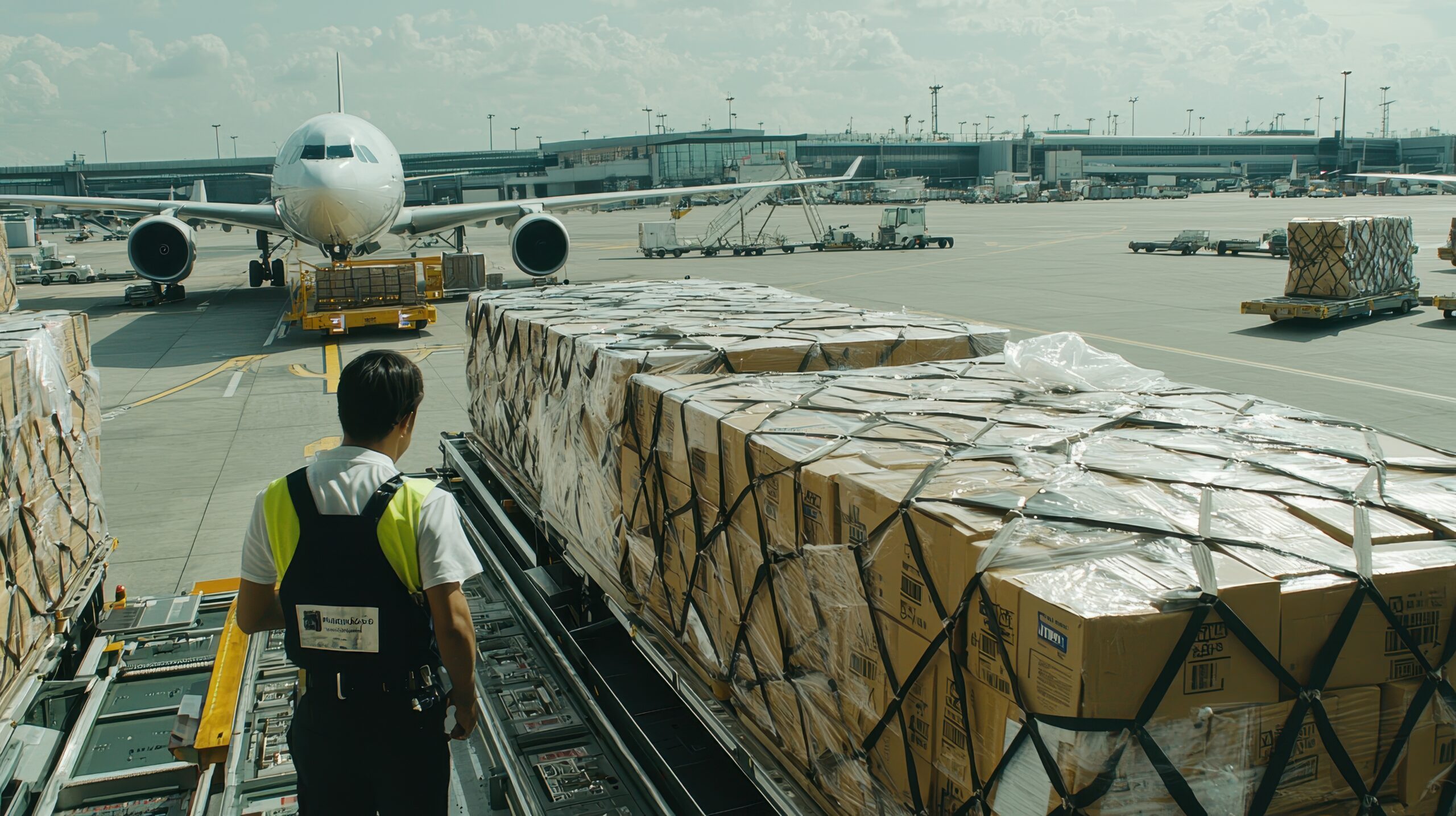
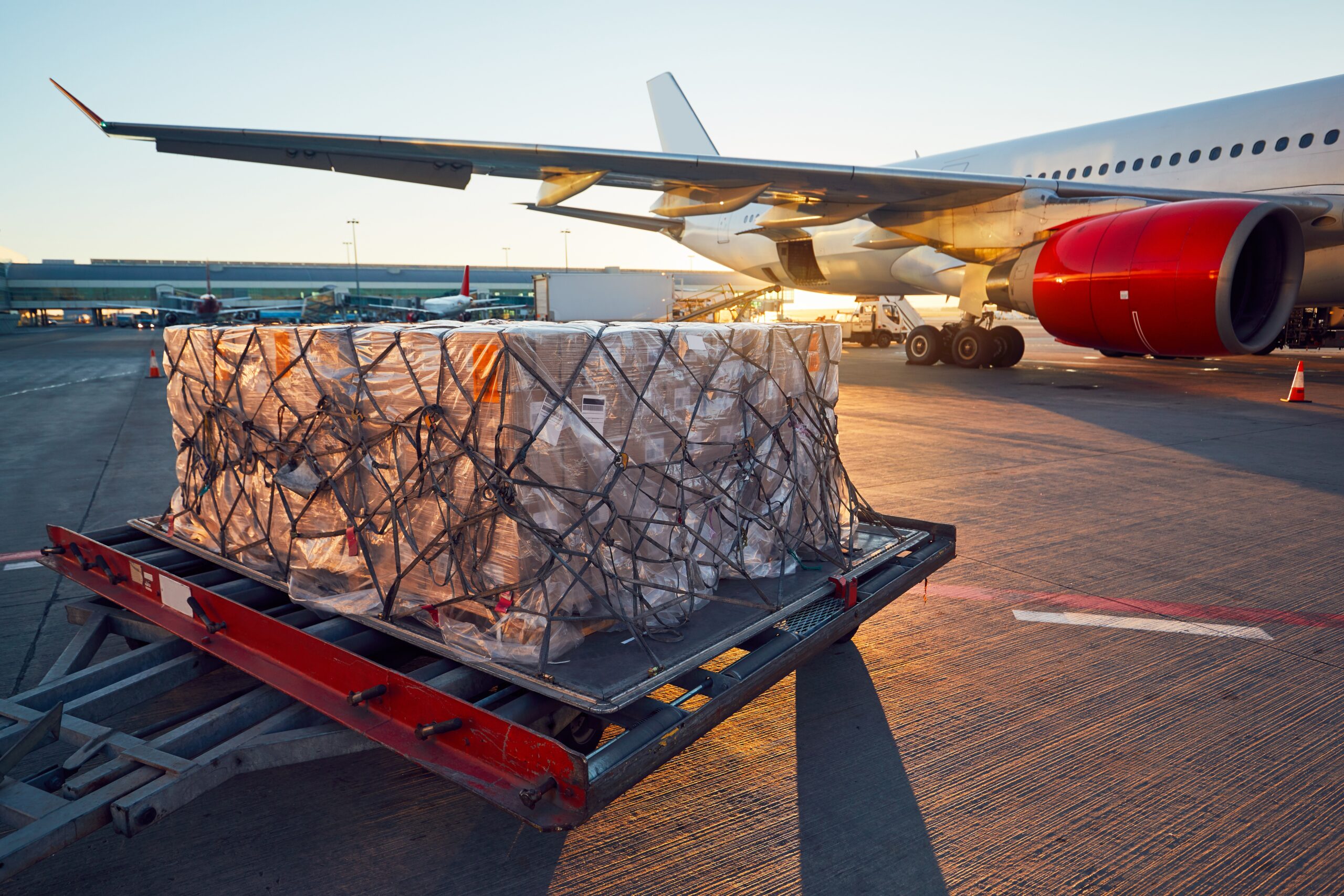
    In today’s globalized economy, air freight has become a critical component of international trade. Businesses rely on fast, reliable shipping to meet deadlines, maintain inventory, and satisfy customer demands. However, navigating the complex world of international regulations can be challenging. This is where Air Freight Customs Clearance Agents play a vital role, ensuring that goods move smoothly across borders without unnecessary delays or penalties.

    Understanding Air Freight Customs Clearance

    Customs clearance is the process of preparing and submitting the necessary documentation to facilitate the import or export of goods. It involves compliance with regulations set by both the exporting and importing countries. Air freight, being one of the fastest modes of transport, demands strict adherence to these rules to prevent cargo from being held at airports or facing fines.

    Air Freight Customs Clearance Agents act as intermediaries between businesses and customs authorities. They ensure that all shipments meet legal requirements, duties and taxes are correctly calculated, and that paperwork is properly submitted. Their expertise is invaluable, especially for companies new to international shipping or those handling large volumes of goods.

    Key Responsibilities of Air Freight Customs Clearance Agents

    Air freight customs clearance agents manage several critical aspects of the shipping process, including:

    1. Documentation Management

    Every shipment requires precise documentation, including commercial invoices, packing lists, airway bills, certificates of origin, and, in some cases, licenses or permits for restricted goods. A minor error in documentation can result in delays or penalties. Customs agents ensure that every form is correctly prepared and submitted, streamlining the clearance process.

    2. Compliance with Regulations

    International trade is governed by complex rules that differ from country to country. Agents stay up to date with changing regulations, including import/export restrictions, tariff classifications, and customs valuation rules. By ensuring compliance, they prevent legal issues that could jeopardize shipments.

    3. Duties and Taxes Calculation

    Customs duties, import taxes, and other levies vary depending on the nature and value of the goods. Agents accurately calculate these fees and advise businesses on potential cost implications. This ensures that shipments are not delayed due to unpaid charges.

    4. Risk Assessment and Security Checks

    Air cargo is subject to security screenings to prevent illegal or dangerous items from entering a country. Customs clearance agents coordinate with security authorities and conduct risk assessments to anticipate potential issues. This proactive approach reduces the likelihood of shipment detention.

    5. Communication and Coordination

    Agents act as a liaison between shippers, carriers, and customs authorities. They handle queries, respond to inspection requests, and provide updates on shipment status. Effective communication is critical to avoiding delays and ensuring smooth cargo movement.

    Benefits of Using Professional Customs Clearance Services

    Businesses that partner with professional Air Freight Customs Clearance Agents enjoy numerous advantages:

    • Faster Clearance Times: Expert agents expedite processing, reducing storage costs and improving delivery times.
    • Reduced Risk of Penalties: Compliance with regulations ensures that shipments avoid fines or confiscation.
    • Cost Efficiency: Accurate duties calculation and avoidance of unnecessary inspections save money.
    • Expert Guidance: Businesses receive professional advice on regulatory changes, tariffs, and documentation requirements.
    • Focus on Core Operations: Companies can concentrate on production and sales while the agents handle complex customs procedures.

    Challenges in Air Freight Customs Clearance

    Despite the expertise of agents, some challenges are inherent to the air freight industry:

    • Changing Regulations: Trade policies, tariffs, and customs rules are constantly evolving.
    • Documentation Errors: Incorrect paperwork is a common cause of delays.
    • High-Value or Restricted Cargo: Special clearance procedures are required for sensitive goods.
    • Security Measures: Enhanced screening protocols may temporarily hold shipments.

    Professional customs clearance agents are trained to navigate these challenges, ensuring minimal disruption to supply chains.

    How Global Cust Helps Businesses Navigate Air Freight Regulations

    At Global Cust, businesses benefit from experienced air freight customs clearance agents who understand the nuances of international shipping. By combining regulatory expertise, efficient processes, and proactive communication, the company helps ensure that cargo reaches its destination on time and in full compliance with customs laws.

    Their team provides tailored solutions for businesses of all sizes, offering guidance on documentation, duties, risk management, and security checks. By partnering with a reliable customs agency, companies can focus on growth while leaving complex clearance procedures to the experts.

    Navigating air freight regulations can be a daunting task for any business engaged in international trade. With constantly changing rules, complex documentation requirements, and the need for timely delivery, relying on professional Air Freight Customs Clearance Agents is no longer optional—it is essential.

    By ensuring compliance, managing documentation, coordinating with authorities, and mitigating risks, customs agents play a critical role in keeping global supply chains moving smoothly. Companies that leverage their expertise not only avoid delays and penalties but also gain a strategic advantage in international trade.

    Partnering with trusted agencies like Global Cust ensures that your air cargo moves efficiently and securely, giving your business the confidence to expand across borders with ease. 

  • Why Every UK Importer and Exporter Needs a Trusted Customs Clearance Agent

    Why Every UK Importer and Exporter Needs a Trusted Customs Clearance Agent

    In the fast-paced world of international trade, businesses in the UK face numerous challenges when importing and exporting goods. From navigating complex regulations to ensuring timely delivery, the process can be overwhelming. This is where Customs Clearance Agents UK play a pivotal role. By providing expert guidance and managing compliance, they help businesses streamline operations and avoid costly mistakes.

    What is Customs Clearance

    Customs clearance is the official process of getting goods approved for entry or exit across international borders. It involves preparing and submitting documentation required by customs authorities, paying duties and taxes, and ensuring that all goods comply with local and international regulations. Any errors or omissions in this process can result in delays, fines, or even confiscation of goods.

    For UK businesses, customs clearance has become increasingly complex, particularly in the post-Brexit trade environment. Companies now have to manage additional paperwork, customs declarations, and compliance checks when trading with the European Union and other international markets. A trusted customs clearance agent simplifies these procedures and ensures compliance at every step.

    Key Responsibilities of Customs Clearance Agents

    Customs clearance agents act as intermediaries between importers, exporters, and the customs authorities. Their primary responsibilities include:

    1. Documentation Management
      One of the most critical aspects of customs clearance is accurate documentation. Agents handle invoices, packing lists, certificates of origin, and other required paperwork. Proper documentation reduces the risk of customs delays and ensures smooth movement of goods.
    2. Duty and Tax Calculation
      Determining the correct tariffs, duties, and taxes is complex, particularly for products with variable rates. Agents calculate these accurately, ensuring compliance and preventing unexpected financial penalties.
    3. Customs Declarations
      Submitting declarations to HM Revenue & Customs (HMRC) is a legal requirement for all imports and exports. Agents prepare and submit these declarations electronically, using the correct codes and classifications to avoid errors.
    4. Regulatory Compliance
      Customs regulations are constantly evolving, and non-compliance can lead to fines or seizure of goods. Agents stay up-to-date with all legal requirements, including product-specific restrictions, trade agreements, and safety standards.
    5. Problem Resolution
      Delays, inspections, or disputes can occur during customs procedures. Experienced agents proactively address these issues, liaising with authorities to resolve problems quickly and efficiently.
    6. Consultation and Advice
      A good customs clearance agent also provides strategic advice, helping businesses optimize their supply chains, reduce costs, and identify opportunities for faster clearance.

    Benefits of Using a Trusted Customs Clearance Agent

    Partnering with a professional customs clearance agent offers multiple advantages for UK businesses:

    • Time Efficiency: Agents handle complex procedures quickly, allowing businesses to focus on core operations rather than administrative tasks.
    • Reduced Risk: Expert handling of paperwork and compliance minimizes the risk of penalties, delays, or seizure of goods.
    • Cost Savings: Accurate duty calculation, timely submission of documents, and avoidance of fines result in significant financial savings.
    • Peace of Mind: Knowing that a knowledgeable professional manages customs procedures ensures stress-free international trade.
    • Strategic Support: Agents provide insights that can help improve logistics planning, supply chain efficiency, and market expansion strategies.

    The Impact of Brexit on UK Customs Clearance

    Brexit has introduced additional challenges for UK importers and exporters. Trading with the EU now requires customs declarations, new VAT rules, and compliance with product-specific regulations. Businesses that previously enjoyed seamless movement of goods must now navigate these new complexities. By leveraging the expertise of customs clearance agents, companies can avoid costly delays, adapt to changing rules, and maintain smooth operations.

    Choosing the Right Customs Clearance Agent

    Selecting a reliable customs clearance agent is crucial. Consider the following factors:

    • Experience: Look for agents with proven experience in handling UK and international customs procedures.
    • Reputation: Check reviews and client testimonials to gauge reliability and professionalism.
    • Knowledge of Regulations: Ensure the agent stays updated with changes in customs laws and trade agreements.
    • Technology: Modern agents use digital platforms for faster submission and tracking of customs declarations.
    • Communication: Clear, transparent communication is essential for resolving issues promptly.

    A reputable company like Global Cust offers comprehensive customs clearance services for UK importers and exporters, combining experience, expertise, and technology to provide seamless solutions.

    Customs clearance is a critical component of international trade. For UK businesses, navigating the complexities of regulations, duties, and documentation can be challenging without expert assistance. Partnering with professional Customs Clearance Agents UK not only ensures compliance but also saves time, reduces costs, and provides strategic insights for efficient global trade. Whether you are importing goods from Asia or exporting to Europe, a trusted customs clearance agent is an invaluable partner in achieving smooth, successful, and stress-free operations.

  • Future-Proofing Your Supply Chain: The Evolution of UK Customs Clearance

    Future-Proofing Your Supply Chain: The Evolution of UK Customs Clearance

    In today’s fast-paced global trade environment, businesses must adapt to shifting regulations, emerging technologies, and evolving consumer demands. One crucial area where companies can gain a competitive edge is customs clearance in the United Kingdom. As cross-border trade becomes increasingly complex, understanding how customs processes are evolving is essential to future-proof your supply chain.

    The Changing Landscape of UK Customs Clearance

    Since Brexit, customs clearance in the United Kingdom has undergone significant changes. Businesses now face new documentation requirements, tariff codes, and compliance obligations. The traditional process of paperwork-heavy, manual customs clearance is gradually being replaced by digital solutions that streamline import and export procedures. Companies that fail to adapt risk delays, penalties, and higher operational costs.

    Key changes in the UK customs landscape include:

    • Post-Brexit regulations: New rules for imports and exports have introduced greater documentation and compliance requirements.
    • Increased scrutiny: Customs authorities are prioritizing accuracy and compliance, emphasizing correct tariff classification and duty payment.
    • Digital transformation: The adoption of electronic customs declarations, automated systems, and digital trade platforms is revolutionizing the clearance process.

    Technology Driving the Evolution

    The future of customs clearance in the United Kingdom is closely tied to technology. Automation, artificial intelligence (AI), and blockchain are changing the way businesses manage cross-border trade.

    • Automation: Automated customs declaration systems reduce human error and speed up processing times.
    • AI and Predictive Analytics: AI can anticipate delays, suggest optimal shipping routes, and ensure compliance with changing regulations.
    • Blockchain: By creating secure, transparent records, blockchain improves traceability and minimizes fraud risks in international shipments.

    These technologies not only increase efficiency but also help businesses remain agile in a rapidly changing trade environment.

    Strategies for Future-Proofing Your Supply Chain

    To stay ahead in the evolving customs landscape, businesses should adopt forward-thinking strategies:

    1. Invest in Digital Solutions: Implement customs management software to streamline clearance procedures and reduce paperwork.
    2. Train Your Team: Regularly update staff on regulatory changes and compliance best practices.
    3. Collaborate with Expert Partners: Partner with experienced customs brokers or consultancy services to navigate complex regulations.
    4. Monitor Global Trade Trends: Stay informed about new trade agreements, tariffs, and regulatory shifts that could impact UK customs clearance.
    5. Optimize Supply Chain Flexibility: Build multiple sourcing and distribution options to mitigate delays and disruptions.

    The Importance of Compliance and Risk Management

    Non-compliance with UK customs regulations can lead to severe consequences, including fines, shipment delays, and reputational damage. Future-proofing your supply chain requires proactive risk management. Businesses should implement robust compliance programs and leverage technology to ensure accurate and timely customs declarations.

    Looking Ahead: The Future of UK Customs Clearance

    The evolution of customs clearance in the United Kingdom is set to continue, driven by technology, regulation, and the need for greater efficiency. As supply chains become more digital and globally interconnected, businesses that embrace innovation will benefit from faster clearance times, lower costs, and enhanced operational resilience.

    By understanding these trends and proactively adapting, companies can turn customs compliance from a challenge into a strategic advantage. Future-proofing your supply chain starts with embracing the new era of UK customs clearance.

    The future of trade is digital, automated, and compliance-focused. Businesses that stay informed, adopt advanced technologies, and streamline customs processes will not only survive but thrive in the evolving landscape of customs clearance in the United Kingdom. Now is the time to future-proof your supply chain and ensure your operations are ready for the opportunities and challenges of tomorrow.

  • Cost-Saving Strategies for Efficient Customs Clearance at Southampton Port

    Cost-Saving Strategies for Efficient Customs Clearance at Southampton Port

    Efficient and cost-effective customs clearance is essential for importers and exporters operating through one of the UK’s busiest maritime gateways—Southampton Port. With increasing global trade, evolving regulations, and rising operational costs, businesses must understand how to streamline their processes and minimise expenses. This blog explores practical, actionable cost-saving strategies for customs clearance in Southampton, helping companies enhance efficiency while avoiding unnecessary delays or financial burdens.

    Understanding the Importance of Cost-Efficient Customs Clearance

    Southampton Port handles millions of tonnes of cargo each year, making it a critical hub for international trade. Effective customs clearance ensures that goods pass through regulatory checks smoothly, preventing disruptions to supply chains. When clearance is poorly managed, businesses encounter delays, storage fees, compliance penalties, and higher transportation costs. By implementing strategic measures, companies can protect their budgets and maintain predictable timelines.

    1. Prepare Accurate and Complete Documentation

    Documentation errors are among the most common causes of delays and unexpected expenses. Missing details, incorrect commodity codes, or misdeclared values can result in rechecks, fines, or even shipment holds.

    To reduce costs:

    • Ensure all commercial invoices, packing lists, certificates of origin, and licences are accurate.
    • Verify HS codes to avoid classification disputes.
    • Use digital document management to reduce human error.

    Clear, complete paperwork enables seamless customs clearance Southampton processes and reduces the risk of financial penalties.

    2. Classify Goods Correctly Using the Right HS Codes

    Incorrect tariff classification can significantly increase costs due to higher duties or time-consuming reassessments. Investing in accurate product classification—whether in-house or through expert help—ensures goods are processed quickly.

    Businesses should:

    • Maintain a classification database for repeated shipments.
    • Consult tariff guides to cross-check codes.
    • Seek advice when dealing with mixed or complex products.

    Correct HS codes eliminate unnecessary charges and ensure predictable duty calculations.

    3. Take Advantage of Customs Special Procedures

    The UK offers several customs procedures designed to reduce costs on specific types of imports and exports. Many businesses overlook these options, missing out on substantial savings.

    Key cost-saving procedures include:

    • Inward Processing (IP): Allows duty relief on imported goods that are processed and re-exported.
    • Outward Processing (OP): Reduces duty on goods temporarily exported for repair or modification.
    • Customs Warehousing: Enables storage of non-UK goods without paying duty until they enter the market.
    • Temporary Admission: Allows duty-free imports of items intended for short-term use.

    Understanding these schemes helps businesses tailor their logistics strategy and avoid upfront duty payments.

    4. Adopt Digital Solutions for Faster Clearance

    Digitalisation plays a major role in improving customs efficiency. Businesses that use technology for customs declaration and tracking significantly reduce administrative time and cost.

    Digital tools can help by:

    • Minimising manual entries through automated declaration systems.
    • Providing real-time shipment tracking.
    • Reducing delays through electronic document exchange.
    • Improving communication between stakeholders.

    Adopting digital workflows accelerates customs clearance Southampton procedures and reduces labour-intensive tasks.

    5. Plan Shipments Strategically to Avoid Extra Costs

    Planning can significantly impact customs-related expenses. Poor scheduling often leads to unnecessary demurrage, storage fees, or rushed last-minute documentation.

    Cost-effective planning involves:

    • Preparing documents before shipment arrival.
    • Scheduling cargo during non-peak hours to avoid bottlenecks.
    • Coordinating with carriers to prevent extended container stays.
    • Avoiding partial or fragmented shipments when possible.

    Strategic coordination helps reduce avoidable charges at Southampton Port.

    6. Understand Duty Reliefs and Trade Agreements

    The UK has several trade agreements that may significantly reduce or eliminate customs duties. Many businesses overlook these opportunities simply because they are unaware of eligibility requirements.

    To maximise savings:

    • Review UK trade agreements relevant to your suppliers or buyers.
    • Ensure origin documentation meets the required standards.
    • Track changes in duty rules post-Brexit.

    Even small reductions in tariffs can accumulate into major savings over time.

    7. Work with Experienced Customs Agents

    Partnering with experienced customs professionals helps businesses avoid costly mistakes. Trained agents understand regulatory changes, documentation requirements, and the best routes to clearance.

    A knowledgeable agent can:

    • Prevent compliance issues before they arise.
    • Identify savings through special procedures.
    • Ensure declarations are filed accurately and on time.
    • Provide guidance on managing duty liabilities.

    Companies like Global Customs Clearing Ltd. offer expert assistance that ensures goods pass through Southampton Port efficiently while helping clients keep their costs low.

    8. Implement Internal Compliance Training

    Educating your team is a long-term cost-saving strategy. When staff understand customs processes, they are less likely to make errors that result in penalties or delays.

    Training should cover:

    • Commodity classification
    • Documentation standards
    • Post-Brexit customs rules
    • Import/export licensing
    • Duty optimisation opportunities

    A well-informed workforce reduces reliance on reactive fixes and ensures ongoing compliance.

    9. Monitor Regulatory Updates Regularly

    Regulations governing international trade change frequently, especially after Brexit. Staying updated helps businesses avoid fines and adapt quickly to new rules.

    Review updates from:

    • HMRC
    • UK government trade portals
    • Southampton Port authority
    • Industry newsletters

    Staying informed supports efficient customs clearance Southampton procedures and prevents unexpected costs related to non-compliance.

    Efficient customs clearance at Southampton Port isn’t just about moving goods quickly—it’s about doing so in a cost-effective, compliant, and well-structured manner. By adopting the strategies outlined above, businesses can minimise delays, reduce duties, and streamline their supply chain activities. Whether it’s through accurate documentation, using special customs procedures, leveraging digital tools, or working with experts like Global Customs Clearing Ltd., companies can ensure smoother operations and long-term financial savings. With the right preparation and guidance, your customs processes can become a source of efficiency rather than unexpected expense. 

  • Top Challenges in Customs Clearance at Felixstowe – and How to Overcome Them

    Top Challenges in Customs Clearance at Felixstowe – and How to Overcome Them

    Felixstowe is the UK’s busiest container port and a vital gateway for global trade. Every year, thousands of businesses rely on smooth and timely customs procedures at this port to keep their supply chains moving. However, even the most experienced importers and exporters can face unexpected hurdles. Understanding these challenges-and knowing how to overcome them-can save time, reduce costs, and prevent supply chain disruptions.

    This blog explores the most common challenges in customs clearance Felixstowe and provides practical solutions to help businesses navigate the process more efficiently.

    1. Ever-Changing Regulations and Compliance Requirements

    International trade rules are constantly evolving. From changes in tariff classifications to updates in customs declarations, businesses must stay informed to avoid penalties or delays. Regulatory shifts linked to Brexit, new Free Trade Agreements, and UK customs modernisation have added extra layers of complexity.

    How to Overcome This Challenge

    • Regularly monitor HMRC updates.
    • Maintain accurate internal documentation and compliance procedures.
    • Train staff on customs documentation and trade rules.
    • Consult professional customs experts or licensed brokers to ensure full compliance.

    Staying proactive is essential-non-compliance can cause delays, fines, or even shipment seizures.

    2. Incomplete or Incorrect Documentation

    Incorrect paperwork is one of the most common causes of delays in customs clearance Felixstowe. Missing details such as wrong HS codes, inaccurate commercial invoices, or incomplete packing lists slow down the clearance process and may result in additional inspections.

    How to Overcome This Challenge

    • Double-check that all customs documents are complete and accurate.
    • Use consistent descriptions of goods across all paperwork.
    • Prepare the commercial invoice, packing list, and certificates of origin with attention to detail.
    • Automate documentation where possible to reduce human error.

    Clear documentation ensures faster processing and lowers the risk of customs intervention.

    3. Port Congestion and Delays at Felixstowe

    Felixstowe’s immense volume of cargo can sometimes lead to congestion, especially during peak seasons or global supply chain disruptions. Vessel delays, reduced manpower, and high cargo volumes can lengthen the customs clearance timeline.

    How to Overcome This Challenge

    • Plan shipments well in advance.
    • Track cargo status in real time using digital portals.
    • Work with partners familiar with Felixstowe’s operations to adjust schedules.
    • Prioritise early submission of customs entries to avoid last-minute delays.

    Effective planning and communication help minimise the impact of port congestion.

    4. Complex Tariff Classifications

    Accurate HS (Harmonised System) coding is essential for determining duties, VAT, and applicable regulations. Misclassification can lead to higher costs or compliance issues during customs clearance Felixstowe.

    How to Overcome This Challenge

    • Use HMRC’s tariff database for proper classification.
    • Keep a record of past HS codes for recurring shipments.
    • Seek professional guidance if product classifications are unclear.

    Correct tariff classification ensures transparency and avoids penalties.

    5. Customs Duty and VAT Miscalculations

    Incorrect calculations of import duty and VAT are common challenges, especially for businesses handling multiple product categories. Miscalculations may result in unexpected costs or delayed cargo releases.

    How to Overcome This Challenge

    • Understand how duty rates apply to each product category.
    • Confirm whether goods qualify for preferential duty rates under trade agreements.
    • Use up-to-date customs calculation tools.
    • Keep records of all payments and declarations for auditing.

    Proper financial preparation avoids surprises and improves cash flow management.

    6. Inspections and Delays Due to Risk Profiling

    Goods may be flagged for inspection based on compliance history, product type, origin, or randomness. Physical inspections can significantly increase clearance times at Felixstowe.

    How to Overcome This Challenge

    • Maintain a strong compliance reputation.
    • Keep all documentation clear and consistent.
    • Ensure shipments are packed safely and meet all legal requirements.
    • Respond quickly to HMRC queries.

    Efficient communication and compliance reduce the chances of red flags.

    7. Issues With Import Licensing or Restricted Goods

    Certain goods such as chemicals, electronics, medicines, and agricultural products require special licenses. Missing permits or incorrect certificates can cause shipments to be held at the port.

    How to Overcome This Challenge

    • Verify whether your goods require an import or export license.
    • Obtain the necessary certifications in advance.
    • Maintain communication with product regulators and authorities.

    Understanding trade restrictions ensures the timely release of goods.

    8. Lack of Expertise in Customs Procedures

    Many businesses struggle with the complexity of customs processes at Felixstowe simply because they lack internal expertise. This often leads to errors, delays, and higher operational costs.

    How to Overcome This Challenge

    • Partner with experienced customs clearance specialists.
    • Outsource complex customs documentation tasks.
    • Stay informed about UK customs updates and industry trends.

    This is where experienced service providers like Global Customs Clearance Ltd. can make the process faster and more reliable.

    9. Poor Communication Between Supply Chain Partners

    Delays often happen when importers, exporters, freight forwarders, and carriers fail to share timely information. Even a small miscommunication can affect the entire customs clearance process.

    How to Overcome This Challenge

    • Establish clear communication channels with all supply chain partners.
    • Use real-time digital tracking tools.
    • Share essential documents well before the shipment arrives.

    Smooth communication keeps the supply chain efficient and predictable.

    Customs clearance in Felixstowe can be complex, especially with evolving regulations, documentation requirements, and port-related challenges. However, understanding these common obstacles—and implementing the right strategies—can ensure smoother, faster, and more compliant operations. With proper planning, accurate paperwork, and support from experienced professionals, businesses can navigate customs clearance confidently and efficiently. Partnering with trusted experts like Global Customs Clearance Ltd. can further streamline the process, reduce risks, and help businesses focus on growth while staying fully compliant with UK customs standards.

  • The Ultimate Checklist for Importers Using London Gateway Customs

    The Ultimate Checklist for Importers Using London Gateway Customs

    Importing goods through the port of London Gateway offers major advantages in reach and efficiency—but it also demands careful attention to customs clearance requirements. Whether you’re a first-time importer or an experienced supply chain manager, having a clear checklist will help ensure your shipment moves smoothly. At Global Cust, we’ve distilled the key steps and considerations so you can navigate customs clearance at London Gateway with confidence.

    1. Confirm Your Import Classification & Documentation

    Before goods even arrive, you should:

    • Verify the correct commodity (tariff) code for your items—incorrect classification is a common cause of delays.
    • Ensure your commercial invoice, packing list, certificate of origin (where applicable), and any licensing documents (for restricted goods) are fully prepared.
    • Register for an EORI number if you don’t already have one. This identifies your business to HM Revenue & Customs (HMRC).
    • Determine if your goods will be subject to import VAT, duty or other charges, and ensure funds or deferment arrangements are in place.

    2. Pre-Lodge the Declaration & Link Shipment Data

    Because London Gateway is a high-volume, modern facility, pre-lodging your customs declaration is critical. Checklist items here:

    • Submit your import declaration via the CHIEF or CDS system in advance.
    • Use the correct Unique Consignment Reference (UCR) and Container/Shipment numbers so that port systems accurately match your goods.
    • Indicate the correct Customs Procedure Code (CPC) reflecting how you intend to treat the goods (e.g., free circulation, inward processing, customs warehousing).
    • Notify your freight forwarder or agent of manifest details and arrival times so everything is aligned.

    3. Ensure Transport, Haulage & Inland Movement Are Coordinated

    Once the ship arrives, goods move fast—especially at a facility like London Gateway. Key tasks:

    • Confirm with your haulage provider (or agent) that the container release instructions are aligned with your customs clearance instructions.
    • Arrange for onward movement (road/rail) from the port; delays in transport booking can result in storage charges.
    • If you plan to move goods into a bonded warehouse or free-zone facility, ensure importation procedures are properly authorised and documented.

    4. Payment of Duties, VAT & Deferment Arrangements

    To avoid bottlenecks:

    • Confirm your duty and import VAT liability (or confirm if relief applies). One provider notes: “Accurate duty and VAT calculation and payment” is a key aspect of clearance at London Gateway.
    • If you use a deferment account (common for frequent importers), ensure it’s valid and funds or guarantees are current.
    • Retain proof of payment or deferment for your records.

    5. Compliance with Regulatory Checks & Inspections

    Some goods may be subject to additional regulatory controls (e.g., foodstuffs, chemicals, pharmaceuticals, plant or animal products).

    • Determine in advance whether your goods require health inspections, licences, or special certificates (for example, a Common Veterinary Entry Document (CVED)).
    • Allow for potential inspections by port authorities or HMRC; ensure your supplier, freight forwarder, and customs agent are aware and ready.
    • Confirm whether your goods will move under simplified procedures such as Customs Freight Simplified Procedures (CFSP) or Inward Processing, and ensure your agent holds the necessary authorisations.

    6. Documentation Retention & Audit Readiness

    Post-clearance, maintain proper records:

    • Keep all import declarations, duty/VAT payment records, release notices and transport documentation for at least six years (UK typical requirement).
    • Conduct periodic internal checks to ensure accuracy of commodity codes, valuations, origin claims and classification.
    • Be prepared: HMRC may audit later and demand justification for your declarations.

    7. Monitor & Optimise for Future Imports

    Allow room for continuous improvement:

    • Evaluate any delays, additional costs or bottlenecks in your clearance process and identify root causes.
    • Work with your customs agent, freight forwarder and supplier to plan better for future shipments—especially if London Gateway becomes a regular port of entry for you.
    • Consider obtaining Authorised Economic Operator (AEO) status or other trusted-trader certifications to expedite future clearances. Some clearance agents emphasise the value of such status.

    Clearing goods through London Gateway offers great advantages—efficient infrastructure, modern handling systems and excellent connectivity to UK markets. However, the speed and reliability of your shipment’s entry hinge on how well you prepare for the customs clearance process. By following this ultimate checklist—covering classification, documentation, pre-lodgement, transport coordination, payment and compliance—you’ll be well positioned for a smooth import experience. Partnering with a knowledgeable customs agent and maintaining rigorous documentation will help prevent delays and avoid unnecessary costs. With proper planning and execution, you can make customs clearance at London Gateway a streamlined part of your supply chain rather than a bottleneck.

  • The Future of Customs Clearance: Automation, AI & Faster Trade

    The Future of Customs Clearance: Automation, AI & Faster Trade

    In an increasingly globalised world, smooth customs clearance is foundational to supply chain efficiency, regulatory compliance and international trade growth. Yet as trade volumes rise and regulatory demands evolve, traditional clearance methods are under pressure. In this post, we explore how automation, artificial intelligence (AI) and system modernisation are shaping the future of customs clearance—and what businesses should know to stay ahead.

    What is customs clearance and why does it matter

    At its simplest, customs clearance is the process by which goods entering or leaving a country are approved by the relevant authorities, duties and taxes are correctly assessed, and required documentation is submitted and verified. For example, in the UK, a shipment must be declared to HM Revenue & Customs (HMRC), the required charges applied, and the goods released for onward movement.
    Customs clearance matters for several reasons:

    • It ensures legal compliance with import/export rules, tariff schedules and trade agreements.
    • It determines how quickly goods are released—so delays at customs can disrupt supply chains, add cost and reduce competitiveness.
    • It affects cost: duties, taxes and handling fees apply, so efficient clearance can improve margins.
    • It contributes to trade facilitation, allowing goods to flow smoothly across borders and around the world.

    Traditional challenges in customs clearance

    Even today, many clearance procedures involve manual steps, paper-or semi-electronic documentation, reliance on human classification of goods, and frequent audits or physical inspections. These create vulnerabilities such as:

    • time delays when documentation is incomplete or incorrect, or when goods are held for inspection
    • risk of non-compliance or misclassification, leading to penalties or higher duties
    • increased labour costs, inefficiencies and inconsistent processing
    • lack of transparency or visibility for shippers, importers and exporters.

    Such challenges emphasise the need for innovation in the customs clearance process.

    How automation is changing the game

    Automation in customs clearance involves using software to handle tasks such as document submission, tariff and duty calculation, inventory tracking, risk-assessment routing and release authorisation. Key benefits include:

    • Faster processing: Automated systems can validate declarations, apply rules and flag issues far quicker than purely manual workflows.
    • Reduced errors: By standardising processes and embedding checks, automation cuts down on common human errors such as incorrect commodity codes or missing dossiers.
    • Improved visibility: Automated tracking and data feeds allow supply-chain stakeholders to see where a shipment is in the customs clearing cycle.
    • Cost efficiency: With fewer manual interventions, clearance costs drop and throughput rises.

    The role of AI and data analytics

    Automation sets the stage—but AI and analytics add intelligence. In the context of customs clearance, AI can be applied in several ways:

    • Risk profiling and fraud detection: AI models recognise patterns that indicate higher-risk shipments (e.g., unusual value declarations or mis-matched HS codes) and can route these for review while allowing low-risk loads to pass with minimal intervention.
    • Predictive analytics: By analysing large volumes of past shipment data, AI tools can forecast delays, identify bottlenecks at ports and suggest optimal routing or documentation workflows.
    • Document recognition and classification: AI-powered OCR (optical character recognition) can automatically extract key details from invoices, packing lists and certificates, speeding up submission.
    • Continuous learning: As more data accumulates, the systems become more accurate, reducing false positives and improving clearance rates.

    Together, automation and AI help shift clearance from reactive to proactive—anticipating issues rather than simply reacting to them.

    Implications for trade and business logistics

    The future of customs clearance isn’t only technical—it has broader implications:

    • Faster trade-flows: Reduced clearance time means goods move more quickly, supporting just-in-time supply chains, e-commerce fulfilment and global expansion.
    • Greater competitiveness: Companies able to clear customs faster at lower cost gain an edge in pricing and service levels.
    • Scalability: As trade volumes rise (especially cross-border e-commerce), automated clearance enables scaling without linear increases in staffing or risk.
    • Regulatory alignment: Many governments and customs agencies are modernising too. Businesses aligned with modern customs processes will adapt more easily to new regulations, digital certificates and trade-agreement regimes.
    • Transparency and data-driven decisions: With richer data from clearance systems, businesses can identify freight cost drivers, port-specific issues and supply-chain inefficiencies.

    What businesses should do to prepare

    To leverage this next-generation customs clearance environment, companies should consider:

    1. Digitising documentation and processes: Move away from paper where possible; adopt digital submission, e-invoices, electronic certificates and structured data.
    2. Working with modern customs partners: Engage customs brokers or clearing agents that use automated systems, support real-time tracking and integrate with port/inventory networks. For example, the team at the company referenced above offers full import/export clearance services across UK ports.
    3. Investing in training and change-management: Even with better systems, staff must understand commodity codes, duty/tax rules, documentation requirements and digital workflows.
    4. Building data-capabilities: Collect and analyse clearance data—flag delays, error patterns, cost drivers—and use this to improve processes and select optimal routes or ports.
    5. Staying abreast of regulatory change: Customs regimes are evolving (post-Brexit UK, new free-trade agreements, digital certificates). Being proactive rather than reactive is key.

    The role of the modern customs provider

    In this evolving landscape, a customs provider is far more than a filing house—they act as technology-enabled strategic partners. Through automation, AI-based risk-assessment, integrated tracking and expert regulatory input, a modern provider ensures quicker clearance, compliance assurance and visibility for the importer/exporter. With these capabilities in hand, businesses can focus on broader logistics strategy and market expansion rather than wrestling with clearance bureaucracy.

    The world of customs clearance is transforming. Automation and AI are not distant possibilities—they are being increasingly embedded into clearance workflows, enabling faster, smarter and more efficient trade. For businesses moving goods across borders, this presents both an opportunity and a responsibility. By embracing digital processes, collaborating with forward-looking customs providers and leveraging data-insights, companies position themselves to thrive in a more connected, speed-driven global trade environment. The future is clear: in customs clearance, faster and smarter is the new standard.

  • Building Global Connections: How Customs Clearance Limited UK Drives UK Trade Success

    Building Global Connections: How Customs Clearance Limited UK Drives UK Trade Success

    In the dynamic world of international trade, seamless logistics and regulatory compliance are key to maintaining a competitive edge. Every shipment that crosses borders must undergo a complex process known as customs clearance — a procedure that ensures goods comply with all applicable laws and regulations before entering or leaving a country. Within the United Kingdom, this process plays a vital role in supporting the nation’s trading ecosystem, connecting businesses to global markets. Companies such as Customs Clearance Limited UK have become instrumental in helping importers and exporters overcome these challenges efficiently, ensuring that global trade remains both compliant and uninterrupted. 

    Understanding the Role of Customs Clearance

    Customs clearance refers to the process of preparing and submitting documentation required to facilitate the import and export of goods. This includes verifying invoices, assessing duties and taxes, classifying products under the correct tariff codes, and ensuring compliance with import and export regulations.

    In essence, customs clearance acts as the “gateway” between countries, determining whether goods are eligible to enter or leave a nation based on legal, safety, and financial criteria. It’s a crucial step that impacts delivery timelines, cost management, and even the reputation of trading businesses.

    Without effective customs clearance, businesses risk costly delays, penalties, or confiscation of goods. In a fast-moving global market, such setbacks can significantly disrupt supply chains, affecting both profitability and customer satisfaction.

    Why Customs Clearance Matters in UK Trade

    The UK has long been one of the world’s most active trading nations, with imports and exports forming a major part of its economy. Following changes in trade agreements and global economic shifts, customs clearance has become even more significant in maintaining the smooth flow of goods across borders.

    For UK businesses, efficient customs clearance ensures:

    • Faster transit times: Reducing delays at ports and airports.
    • Accurate duty and tax payments: Preventing overpayments or underpayments that can lead to penalties.
    • Regulatory compliance: Ensuring adherence to UK and international trade laws.
    • Transparency: Maintaining a clear record of shipments for audits or customs reviews.
    • Operational efficiency: Allowing companies to focus on business growth rather than paperwork and compliance challenges.

    When managed correctly, customs clearance not only facilitates trade but also enhances trust between global partners by demonstrating reliability and adherence to international standards.

    Key Elements of the Customs Clearance Process

    The customs clearance process is detailed and involves multiple stages. Some of the key steps include:

    1. Documentation Verification:
      The importer or exporter must provide essential documents such as a commercial invoice, packing list, bill of lading, certificate of origin, and other relevant paperwork. These documents are reviewed by customs authorities to validate the shipment’s content and value.
    2. Tariff Classification:
      Each product is assigned a tariff or commodity code under the UK Trade Tariff system. This classification determines the duties, taxes, and any restrictions applicable to the goods.
    3. Duty and VAT Assessment:
      Customs officers calculate the import duty and value-added tax (VAT) payable. Proper declaration ensures that payments are accurate and compliant with UK tax regulations.
    4. Inspection and Clearance:
      Depending on the type of goods and their risk profile, customs authorities may inspect shipments to ensure they match the declared information. Once approved, the goods are cleared for entry or export.
    5. Delivery Release:
      After clearance, goods are released for transportation to their final destination – whether a warehouse, retailer, or end customer.

    This structured process safeguards trade integrity, ensures consumer protection, and upholds the UK’s reputation as a reliable global trading hub.

    Challenges in Modern Customs Clearance

    Despite advancements in digitalisation and automation, customs clearance remains a complex area influenced by various global and local factors. Businesses often face challenges such as:

    • Changing regulations and trade agreements: Adjusting to post-Brexit trade requirements or new bilateral deals can be demanding.
    • Documentation errors: Even minor mistakes in paperwork can cause shipment delays.
    • Tariff fluctuations: Duties may vary depending on product origin and trade policies.
    • Compliance risks: Misclassification or under-declaration can lead to penalties and investigations.
    • Logistical coordination: Aligning customs procedures with freight, warehousing, and delivery schedules requires precise management.

    Addressing these challenges demands both expertise and experience — areas where professional customs brokers and clearance service providers play an essential role.

    How Customs Clearance Limited UK Supports Trade Success

    Amidst the complexities of global trade, Customs Clearance Limited UK serves as a trusted partner for businesses navigating customs procedures. By combining in-depth knowledge of UK customs law, global trade regulations, and modern technology, such companies streamline the clearance process from start to finish.

    They assist businesses in documentation preparation, accurate tariff classification, and duty calculation — reducing the risk of non-compliance. Their expertise helps importers and exporters maintain cost efficiency and ensure timely deliveries, thereby strengthening supply chain reliability.

    Furthermore, these professionals act as intermediaries between traders and customs authorities, ensuring clear communication and swift issue resolution. In a trading environment where time equals money, this efficiency can significantly boost a business’s global competitiveness.

    Digital Transformation in Customs Services

    The digital evolution of customs operations has revolutionized how goods are processed. Electronic data interchange (EDI), digital declarations, and automated tracking systems now enable faster and more accurate customs clearance.

    These innovations improve transparency, reduce human errors, and accelerate communication between logistics providers and customs officials. For businesses, this means smoother operations and better visibility across their international trade activities.

    In the UK, the government’s move toward a fully digital customs platform has further simplified compliance procedures — a transformation that benefits companies relying on quick and reliable clearances.

    The success of international trade depends not only on what businesses produce or sell but also on how effectively their goods move across borders. Customs Clearance Ltd is the bridge that connects local businesses with the global marketplace.

    With efficient, compliant, and technology-driven solutions, companies like Customs Clearance Limited UK continue to play a pivotal role in strengthening the UK’s trade infrastructure. By simplifying complex customs processes, they help businesses save time, reduce costs, and build lasting global connections — ensuring that the UK remains at the forefront of world trade for years to come.