Author: shekhar@globalcust.co.uk

  • What Importers Must Know in 2026: Key Changes, Risks & Opportunities

    What Importers Must Know in 2026: Key Changes, Risks & Opportunities

    Why 2026 Matters for Importers

    The customs landscape continues to evolve rapidly, and 2026 is shaping up to be a pivotal year for UK importers. With new border controls, updated digital systems, shifting trade agreements, and increased HMRC scrutiny, businesses must stay ahead of the changes to avoid delays, penalties, and unnecessary costs.

    This guide highlights the essential things importers need to know in 2026 — and how to prepare for a more regulated, data‑driven customs environment.

    1. Full UK Border Controls Are Now in Force

    By 2026, the UK has implemented the final phases of its post‑Brexit border strategy. Importers must now comply with:

    • Full customs declarations for EU goods
    • Sanitary & Phytosanitary (SPS) checks for food, plants, and animal products
    • Safety & Security (ENS) declarations for EU imports
    • Increased documentary and identity checks

    Impact:
    More paperwork, more checks, and greater risk of delays if documentation is incomplete.

    What to do:
    Ensure suppliers understand the new requirements and provide compliant documents every time.

    2. CDS Is Fully Established — and More Complex

    The Customs Declaration Service (CDS) is now the UK’s sole customs platform. Importers must be comfortable with:

    • Data element (DE) structures
    • Additional procedure codes (APCs)
    • Detailed valuation breakdowns
    • Updated document codes
    • Real‑time financial dashboards

    What to do:
    Review your internal processes and ensure your customs agent is fully CDS‑competent.

    3. Rules of Origin Are Under Greater Scrutiny

    HMRC is increasing checks on preferential origin claims under trade agreements.

    Importers must ensure:

    • Supplier statements of origin are valid
    • Rules of origin are genuinely met
    • Evidence is retained for audit
    • HS codes are correct and consistent

    What to do:
    Audit your origin documentation — incorrect claims can lead to duty reclaims and penalties.

    4. More HMRC Compliance Audits

    HMRC is focusing on:

    • Classification accuracy
    • Valuation compliance
    • Origin claims
    • Duty relief usage
    • Record‑keeping standards

    Businesses using IP, OP, RGR, TA, or warehousing face even closer scrutiny.

    What to do:
    Prepare for audits by maintaining complete, organised records for every shipment.

    5. Duty Relief Schemes Are More Valuable Than Ever

    With rising global costs, duty relief schemes can significantly reduce import expenses.

    Key schemes importers should understand in 2026:

    • Inward Processing (IP)
    • Outward Processing (OP)
    • Returned Goods Relief (RGR)
    • Temporary Admission (TA)
    • Customs Warehousing
    • Tariff quotas
    • Preferential duty rates under FTAs

    What to do:
    Review your supply chain to identify where reliefs can reduce costs.

    6. Port Congestion and Delays Remain a Risk

    Despite improvements, UK ports still face challenges:

    • Seasonal congestion
    • Weather‑related disruption
    • Increased checks on EU goods
    • Haulier shortages
    • Documentation errors

    What to do:
    Submit declarations early, communicate clearly with hauliers, and understand port‑specific requirements.

    7. Digitalisation Is Accelerating

    2026 brings increased adoption of:

    • Digital customs documentation
    • Electronic certificates
    • Automated risk‑based checks
    • Integrated supply chain platforms

    Importers who embrace digital tools will see faster clearance and fewer errors.

    What to do:
    Digitise your documentation and integrate with your customs agent’s systems.

    8. Sustainability and Compliance Are Becoming Linked

    Environmental regulations are influencing customs processes, including:

    • Carbon border adjustment mechanisms (CBAM‑style rules)
    • Stricter product safety and compliance checks
    • Increased reporting requirements

    What to do:
    Ensure your supply chain meets environmental and product‑safety standards.

    9. Supplier Compliance Is Now Critical

    More delays and penalties in 2026 are caused by supplier errors than importer errors.

    Common issues:

    • Incorrect invoices
    • Missing origin statements
    • Wrong HS codes
    • Incomplete packing lists
    • Non‑compliant certificates

    What to do:
    Provide suppliers with a clear documentation template and audit them regularly.

    10. Importers Must Be More Proactive Than Ever

    2026 rewards businesses that:

    • Plan ahead
    • Understand customs rules
    • Use duty reliefs
    • Maintain strong documentation
    • Communicate clearly with suppliers and hauliers
    • Work with knowledgeable customs partners

    Proactive importers avoid delays, reduce costs, and stay compliant.

    How We Help Importers Succeed in 2026

    We support businesses with:

    • Fast, accurate CDS declarations
    • HS code classification
    • Duty relief advice and applications
    • Supplier documentation checks
    • Transit (T1) documents
    • Port‑specific guidance
    • Compliance and audit preparation
    • Ongoing customs support

    Our goal is simple: smooth, compliant, cost‑effective importing in 2026 and beyond.

    Explore More in Our Knowledge Hub

    You can also read:

    • Importer Checklists
    • Understanding Duty Relief Schemes
    • How to Speed Up Customs Clearance
    • Post‑Brexit Customs Advice
    • Customs Glossary

    If you want help preparing your business for importing in 2026, our customs specialists are ready to support you.

    Get in touch for expert customs guidance and strategic import planning.
  • How to Reduce Duty Costs Legally: Smart Strategies for UK Importers

    How to Reduce Duty Costs Legally: Smart Strategies for UK Importers

    Why Reducing Duty Costs Matters

    Import duty can significantly increase the landed cost of your goods. For many businesses, duty is one of the largest — and most overlooked — operational expenses. The good news is that there are fully legal, HMRC‑approved ways to reduce or eliminate duty costs, provided you understand the rules and apply them correctly.

    This guide outlines the most effective strategies to reduce duty costs without risking penalties, delays, or compliance issues.

    1. Use the Correct HS/Commodity Code

    Your HS code determines your duty rate. Many businesses overpay simply because their goods are misclassified.

    Correct classification can:

    • Reduce duty
    • Unlock preferential origin benefits
    • Avoid unnecessary licensing
    • Prevent customs queries

    Tip: Always verify supplier codes — they are often wrong or based on another country’s tariff.

    2. Check Eligibility for Preferential Duty Rates

    Under Free Trade Agreements (FTAs), goods may qualify for reduced or zero duty if they meet the rules of origin.

    Key agreements include:

    • UK–EU Trade and Cooperation Agreement
    • UK–Japan CEPA
    • UK–Australia FTA
    • UK–New Zealand FTA

    To claim preference, you must have:

    • A valid statement of origin
    • Correct HS classification
    • Evidence that origin rules are met

    Incorrect claims can lead to duty reclaims and penalties, so accuracy is essential.

    3. Use Inward Processing (IP)

    If you import goods for:

    • Processing
    • Repair
    • Reworking
    • Incorporation into another product

    …you may be able to suspend duty and VAT under Inward Processing.

    This is one of the most powerful tools for manufacturers and repair centres.

    4. Use Outward Processing (OP)

    If you send goods abroad for repair or processing, OP allows you to pay duty only on the value added outside the UK when the goods return.

    This can dramatically reduce duty on high‑value items.

    5. Claim Returned Goods Relief (RGR)

    If goods were previously exported from the UK, you may be able to re‑import them without paying duty or VAT, provided:

    • They return within three years
    • They are in the same condition (unless repaired under OP)
    • You can prove they were originally exported

    RGR is often overlooked but extremely valuable.

    6. Use Temporary Admission (TA)

    If goods are only entering the UK temporarily, TA allows you to avoid duty and VAT entirely, provided the goods are:

    • Not sold
    • Not altered
    • Re‑exported within the allowed timeframe

    Ideal for exhibitions, professional equipment, and samples.

    7. Store Goods in a Customs Warehouse

    Customs warehousing allows you to delay duty and VAT payments until the goods enter free circulation.

    Benefits include:

    • Improved cash flow
    • Duty‑free re‑export
    • Avoiding duty on unsold stock

    Perfect for businesses with long storage periods or uncertain demand.

    8. Use Tariff Quotas Where Available

    Tariff quotas allow certain goods to be imported at reduced or zero duty up to a set volume.

    Common for:

    • Agricultural goods
    • Raw materials
    • Industrial inputs

    Quotas are limited and often allocated on a first‑come, first‑served basis.

    9. Review Your Valuation Method

    Duty is calculated on the customs value, which includes:

    • Product cost
    • Freight
    • Insurance
    • Packing
    • Certain commissions

    Incorrect valuation can lead to overpayment.

    Tip: Ensure your invoices reflect the correct Incoterms and cost breakdown.

    10. Avoid Common Mistakes That Increase Duty Costs

    Many importers pay more duty than necessary because they:

    • Use incorrect HS codes
    • Fail to claim preference
    • Don’t use duty relief schemes
    • Misunderstand origin rules
    • Don’t keep proper records
    • Rely on supplier documentation without checking

    A small mistake can cost thousands over a year.

    How We Help You Reduce Duty Costs Legally

    We support businesses with:

    • HS code classification
    • Origin and preference checks
    • Duty relief applications (IP, OP, RGR, TA, warehousing)
    • Supplier documentation reviews
    • CDS declaration accuracy
    • Compliance and audit preparation
    • Ongoing duty optimisation strategies

    Our goal is simple: reduce your duty costs while keeping you fully compliant.

    Explore More in Our Knowledge Hub

    You can also read:

    • Understanding Duty Relief Schemes
    • Temporary Admission Explained
    • Importer Checklists
    • HS Code Guides
    • Post‑Brexit Customs Advice

    If you want help reducing your duty costs legally, our customs specialists are ready to support you.

    Get in touch for expert duty optimisation and compliance guidance.

  • E‑Commerce Importing Guide: How Online Sellers Can Import Smoothly and Stay Compliant

    E‑Commerce Importing Guide: How Online Sellers Can Import Smoothly and Stay Compliant

    Why E‑Commerce Importing Is Different

    E‑commerce businesses face unique importing challenges. Unlike traditional importers, online sellers often deal with:

    • High order volumes
    • Fast‑moving stock
    • Multiple suppliers
    • Frequent small consignments
    • Tight delivery expectations
    • Complex returns processes

    This guide breaks down everything e‑commerce importers need to know to stay compliant, avoid delays, and keep costs under control.

    1. Understand Your Responsibilities as an Importer

    If you import goods into the UK to sell online — whether on your own website, Amazon, eBay, Etsy, TikTok Shop, or Shopify — you are legally the importer of record.

    This means you are responsible for:

    • Correct HS/commodity codes
    • Accurate customs values
    • Paying duty and VAT
    • Ensuring product compliance
    • Keeping records for HMRC
    • Handling returns and re‑imports

    Even if your supplier “handles shipping,” you must still ensure compliance.

    2. Get Your EORI and VAT Registration in Place

    Before importing, you need:

    • A valid UK EORI number
    • VAT registration (if applicable)
    • Access to CDS (Customs Declaration Service)
    • A duty deferment account (optional but useful for high‑volume sellers)

    Without these, your goods may be held at the border.

    3. Classify Your Products Correctly

    Correct HS codes are essential for:

    • Duty rates
    • VAT
    • Import restrictions
    • Product safety rules
    • Origin eligibility

    E‑commerce sellers often import:

    • Clothing
    • Electronics
    • Homeware
    • Beauty products
    • Toys
    • Accessories

    Each category has strict classification rules — and mistakes can be costly.

    4. Understand Duty and VAT for E‑Commerce

    Duty and VAT depend on:

    • HS code
    • Customs value
    • Origin
    • Whether preference applies
    • Whether you use postponed VAT accounting

    Tip: Many e‑commerce sellers overpay duty because they don’t check origin rules or relief options.

    5. Check Product Compliance Requirements

    E‑commerce products often require additional compliance checks, such as:

    • CE/UKCA marking
    • Safety certificates
    • Labelling requirements
    • Chemical restrictions (e.g., REACH)
    • Food or cosmetic regulations
    • Toy safety standards

    Non‑compliant goods can be seized or destroyed.

    6. Ensure Supplier Documentation Is Accurate

    Supplier errors are one of the biggest causes of delays for e‑commerce sellers.

    Make sure your supplier provides:

    • A correct commercial invoice
    • Accurate product descriptions
    • Correct HS codes (to be verified)
    • Packing lists
    • Origin statements (if claiming preference)
    • Certificates for regulated goods

    Provide suppliers with a documentation template to avoid mistakes.

    7. Choose the Right Incoterms

    For e‑commerce, the most common Incoterms are:

    • DAP – You pay duty/VAT on arrival
    • DDP – Supplier pays duty/VAT (often risky or non‑compliant)
    • FOB – You control the shipping and customs process

    Warning: Many DDP shipments are not compliant with UK customs rules.

    8. Plan for Returns and Re‑Imports

    E‑commerce returns are high — often 20–40% depending on the product.

    Use Returned Goods Relief (RGR) to avoid paying duty twice when:

    • Customers return items
    • Goods are re‑imported in the same condition
    • You can prove original export

    This can save thousands per year.

    9. Understand Fulfilment Options

    E‑commerce sellers often use:

    Fulfilment by Amazon (FBA)

    You must ensure:

    • Correct customs declarations
    • Accurate product compliance
    • Correct valuation
    • Proper record‑keeping

    3PL Warehouses

    Ensure your warehouse:

    • Understands customs requirements
    • Tracks stock accurately
    • Supports returns and RGR

    Direct‑to‑consumer shipping

    Ideal for small sellers, but customs compliance still applies.

    10. Avoid Common E‑Commerce Importing Mistakes

    Many online sellers run into issues because they:

    • Use incorrect HS codes
    • Rely on supplier declarations
    • Don’t check product compliance
    • Misunderstand DDP shipments
    • Fail to claim duty relief
    • Don’t keep proper records
    • Ignore port‑specific requirements
    • Don’t prepare for returns

    A structured process prevents these costly errors.

    How We Help E‑Commerce Importers

    We support online sellers with:

    • HS code classification
    • Import declarations
    • Supplier documentation checks
    • Duty relief advice (IP, RGR, TA, warehousing)
    • CDS setup and compliance
    • Port‑specific guidance
    • Returns and re‑import support
    • Ongoing customs compliance

    Our goal is simple: smooth, compliant, cost‑effective importing for e‑commerce businesses.

    Explore More in Our Knowledge Hub

    You can also read:

    • Importer Checklists
    • How to Reduce Duty Costs Legally
    • Understanding Duty Relief Schemes
    • How to Speed Up Customs Clearance
    • Customs Glossary

    If you want help importing goods for your e‑commerce business, our customs specialists are ready to support you.

    Get in touch for expert e‑commerce importing guidance and compliance support.

  • Amazon FBA Import Guide: How to Import Goods Smoothly Into Amazon Fulfilment Centres

    Amazon FBA Import Guide: How to Import Goods Smoothly Into Amazon Fulfilment Centres

    Why Amazon FBA Importing Requires Extra Care

    Importing into Amazon FBA isn’t the same as importing into your own warehouse. Amazon has strict requirements for:

    • Labelling
    • Packaging
    • Delivery appointments
    • Customs documentation
    • Product compliance
    • Shipment accuracy

    A single customs or documentation error can result in:

    • Refused deliveries
    • Stranded inventory
    • Unexpected duty/VAT charges
    • Delays at the port
    • Account health issues

    This guide gives you a clear, step‑by‑step process to import goods into Amazon FBA smoothly and compliantly.

    1. Understand Your Role as the Importer of Record

    Even if your supplier “ships directly to Amazon,” you are the importer of record.

    This means you are responsible for:

    • Correct HS/commodity codes
    • Accurate customs values
    • Paying duty and VAT
    • Ensuring product compliance
    • Keeping records for HMRC
    • Handling returns and re‑imports

    Amazon does not act as the importer of record under any circumstances.

    2. Get Your EORI, VAT, and CDS Setup Ready

    Before importing into FBA, ensure you have:

    • A valid UK EORI number
    • VAT registration (if applicable)
    • Access to CDS (Customs Declaration Service)
    • A duty deferment account (optional but useful for high‑volume sellers)

    Without these, your goods may be held at the border and Amazon will not accept delivery.

    3. Classify Your Products Correctly

    Correct HS codes determine:

    • Duty rates
    • VAT
    • Import restrictions
    • Product safety rules
    • Origin eligibility

    Common FBA categories with strict classification rules:

    • Electronics
    • Toys
    • Beauty and cosmetics
    • Supplements
    • Clothing and textiles
    • Homeware

    Incorrect classification can lead to customs delays or Amazon compliance issues.

    4. Ensure Product Compliance Before Shipping

    Amazon requires strict compliance with UK regulations, including:

    • CE/UKCA marking
    • Safety certificates
    • Labelling requirements
    • Chemical restrictions (e.g., REACH)
    • Toy safety standards
    • Food and cosmetic regulations

    Non‑compliant goods can be rejected by Amazon or seized by customs.

    5. Prepare Supplier Documentation Correctly

    Your supplier must provide:

    • A correct commercial invoice
    • Accurate product descriptions
    • Correct HS codes (to be verified)
    • Packing list
    • Origin statements (if claiming preference)
    • Certificates for regulated goods

    Provide suppliers with a documentation template to avoid delays.

    6. Choose the Right Incoterms for FBA

    For Amazon FBA, the safest Incoterms are:

    FOB (Recommended)

    You control the shipping and customs process.

    DAP

    You pay duty/VAT on arrival.

    Avoid DDP

    DDP is often non‑compliant because:

    • Suppliers cannot legally act as importer of record
    • Incorrect VAT numbers are often used
    • Customs declarations may be inaccurate

    DDP shipments frequently lead to customs issues and Amazon delivery refusals.

    7. Plan Your Delivery to Amazon FBA

    Amazon requires:

    • Shipment creation in Seller Central
    • FNSKU labels
    • Carton and pallet labels
    • Booking delivery appointments
    • Approved carriers
    • Correct packaging and palletisation

    If customs delays occur, your Amazon delivery window may expire — causing further delays.

    8. Manage Transit (T1) Documents if Shipping via the EU

    If your goods travel through the EU before reaching the UK:

    • A T1 transit document may be required
    • An LRN must be issued before departure
    • The T1 must be discharged correctly in the UK

    Incorrect transit handling can stop your shipment before it reaches Amazon.

    9. Understand Duty and VAT for FBA Imports

    Duty and VAT depend on:

    • HS code
    • Customs value
    • Origin
    • Whether preference applies
    • Whether you use postponed VAT accounting

    Tip: Many FBA sellers overpay duty because they don’t check origin rules or relief options.

    10. Plan for Returns and Re‑Imports

    Amazon returns are common. Use Returned Goods Relief (RGR) to avoid paying duty twice when:

    • Customers return items
    • Goods are re‑imported in the same condition
    • You can prove original export

    This is essential for high‑volume FBA sellers.

    Common Amazon FBA Importing Mistakes

    Many sellers run into issues because they:

    • Use incorrect HS codes
    • Rely on supplier documentation
    • Use non‑compliant DDP shipping
    • Don’t check product compliance
    • Fail to claim duty relief
    • Don’t prepare for Amazon delivery requirements
    • Ignore port‑specific rules
    • Don’t keep proper records

    A structured process prevents these costly errors.

    How We Help Amazon FBA Importers

    We support FBA sellers with:

    • HS code classification
    • Import declarations
    • Supplier documentation checks
    • Duty relief advice (IP, RGR, TA, warehousing)
    • CDS setup and compliance
    • Transit (T1) documents
    • Amazon delivery coordination
    • Ongoing customs support

    Our goal is simple: smooth, compliant, cost‑effective importing into Amazon FBA.

    Explore More in Our Knowledge Hub

    You can also read:

    • E‑Commerce Importing Guide
    • Importer Checklists
    • How to Reduce Duty Costs Legally
    • Understanding Duty Relief Schemes
    • Customs Glossary

    If you want help importing goods into Amazon FBA, our customs specialists are ready to support you.

    Get in touch for expert Amazon FBA importing guidance and compliance support.

  • UK Border Changes Explained: What Importers Need to Know

    UK Border Changes Explained: What Importers Need to Know

    Why UK Border Changes Matter

    Since Brexit, the UK has been rolling out a new, phased border model designed to strengthen security, improve biosecurity, and modernise customs processes. These changes affect every importer, especially those trading with the EU, and they continue to evolve year by year.

    Understanding the new requirements is essential to avoid delays, unexpected costs, and compliance issues at the border. This guide explains the key UK border changes in a clear, practical way.

    1. Full Customs Controls Are Now in Place

    The UK now applies full customs controls to EU imports, meaning:

    • Full import declarations are required
    • Goods may be held for checks
    • Incorrect paperwork can cause delays
    • Duty and VAT must be accounted for correctly

    The days of “light‑touch” EU imports are over — EU goods are treated the same as non‑EU goods.

    2. New SPS (Sanitary & Phytosanitary) Controls

    The UK has introduced stricter checks on:

    • Animal products
    • Plant products
    • Foodstuffs
    • High‑risk agricultural goods

    These may require:

    • Export health certificates
    • Phytosanitary certificates
    • Documentary checks
    • Identity checks
    • Physical inspections

    Importers must ensure suppliers understand these requirements before shipping.

    3. Safety & Security (ENS) Declarations for EU Imports

    ENS declarations are now required for goods entering the UK from the EU.

    This means:

    • Carriers must submit pre‑arrival data
    • Missing ENS can delay or block entry
    • Importers must coordinate with hauliers and freight forwarders

    ENS is now a standard part of UK border compliance.

    4. The UK’s New Border Target Operating Model (BTOM)

    The UK’s Border Target Operating Model introduces:

    • Risk‑based checks
    • Digital certification
    • Streamlined processes for trusted traders
    • New inspection points
    • Updated SPS categories (low, medium, high risk)

    BTOM aims to modernise the border, but it requires importers to adapt their processes.

    5. Digitalisation of Border Processes

    The UK is moving toward a fully digital border, including:

    • Electronic health certificates
    • Digital customs documentation
    • Automated risk‑based checks
    • Integrated supply chain systems

    Importers who digitise early will benefit from faster clearance and fewer errors.

    6. Changes to Port and Inspection Infrastructure

    New border control posts (BCPs) and inland inspection sites have been introduced.

    This means:

    • Some goods must route through specific ports
    • SPS goods may be diverted for inspection
    • Hauliers must follow new booking systems
    • Port‑specific rules are more important than ever

    Understanding your port’s requirements is essential to avoid delays.

    7. Increased HMRC and Border Force Enforcement

    With full controls in place, enforcement has tightened.

    Expect more checks on:

    • HS/commodity codes
    • Valuation
    • Origin claims
    • SPS documentation
    • Transit (T1) movements
    • Duty relief compliance

    Importers must ensure their documentation and processes are accurate.

    8. New Requirements for Transit (T1) Movements

    Goods moving through the EU or UK under transit must follow updated rules:

    • T1 must be raised before departure
    • Offices of departure/destination must be correct
    • Transit must be discharged properly
    • Hauliers must understand the process

    Incorrect transit handling is now a major cause of border delays.

    9. Greater Emphasis on Supplier Compliance

    Most border issues originate with suppliers, especially EU suppliers unfamiliar with UK rules.

    Common problems include:

    • Incorrect invoices
    • Missing certificates
    • Wrong HS codes
    • Incomplete packing lists
    • Incorrect origin statements

    Importers must provide suppliers with clear instructions and templates.

    10. Trusted Trader Schemes and Future Changes

    The UK is expanding trusted trader programmes, including:

    • Simplified customs processes
    • Reduced checks
    • Faster clearance
    • Priority treatment at the border

    More enhancements are expected as the UK moves toward a fully digital border.

    How to Prepare for UK Border Changes

    To stay compliant and avoid delays:

    • Review supplier documentation processes
    • Understand SPS and ENS requirements
    • Ensure correct HS codes and valuation
    • Digitise your customs documentation
    • Train staff on new border rules
    • Work with a knowledgeable customs agent
    • Monitor updates to BTOM and border policy

    Proactive preparation is the best defence against border disruption.

    How We Help Importers Navigate UK Border Changes

    We support businesses with:

    • Import declarations (CDS)
    • SPS and ENS guidance
    • Supplier documentation checks
    • Transit (T1) documents
    • Duty relief advice
    • Port‑specific support
    • Compliance reviews
    • Ongoing updates on border changes

    Our goal is simple: smooth, compliant, cost‑effective importing under the UK’s evolving border model.

    Explore More in Our Knowledge Hub

    You can also read:

    • Post‑Brexit Customs Advice
    • Importer Checklists
    • How to Speed Up Customs Clearance
    • Understanding Duty Relief Schemes
    • Customs Glossary

    If you want help navigating the UK’s border changes, our customs specialists are ready to support you.

    Get in touch for expert border compliance and import guidance.

  • Why Is Felixstowe a Critical Hub for Efficient Customs Clearance in the UK?

    Why Is Felixstowe a Critical Hub for Efficient Customs Clearance in the UK?

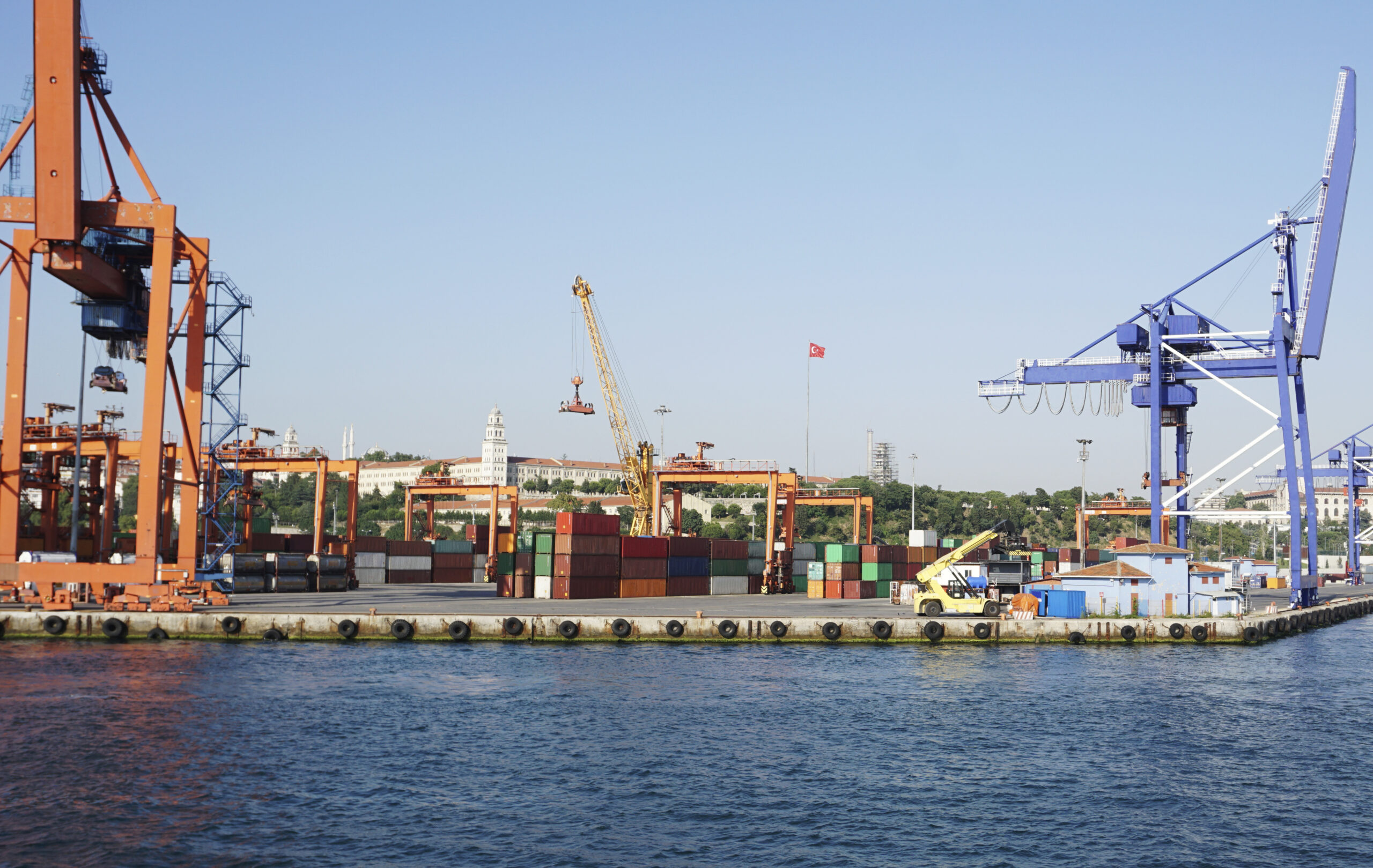
    Felixstowe is widely recognised as the UK’s largest and busiest container port, handling a significant share of the nation’s international trade. Its strategic location, advanced infrastructure, and strong integration with customs systems make it a vital hub for efficient imports and exports. For businesses involved in global trade, understanding why this port plays such a central role in Customs clearance Felixstowe can help improve compliance, reduce delays, and streamline supply chains.

    Strategic Location and Global Connectivity

    Felixstowe’s location on the east coast of England places it at the heart of the UK’s international trade routes. The port offers direct connections to major global markets, including Asia, Europe, and North America. These extensive shipping links allow goods to move efficiently between the UK and overseas destinations, making Felixstowe a preferred entry and exit point for containerised cargo.

    The port’s proximity to key distribution hubs and motorway networks also supports faster onward transportation, which is especially valuable for time-sensitive goods. This logistical advantage contributes significantly to the speed and reliability of customs clearance operations.

    Advanced Port Infrastructure and Technology

    One of the main reasons Felixstowe is critical to efficient customs clearance is its modern infrastructure. The port is equipped with state-of-the-art container handling facilities, automated systems, and digital tracking technologies. These features enable high cargo throughput while maintaining accuracy and security.

    Customs processes at Felixstowe benefit from integrated IT systems that allow documentation to be submitted electronically in advance. This pre-arrival processing helps reduce congestion and enables customs authorities to assess shipments more efficiently, minimising delays once goods arrive at the port.

    Alignment with UK Customs Systems

    Felixstowe is fully aligned with UK customs frameworks, including HMRC requirements and post-Brexit trade regulations. The port works closely with customs authorities to ensure that import and export procedures are carried out in compliance with current legislation.

    For traders, this means that declarations, duty calculations, VAT assessments, and compliance checks can be handled in a structured and transparent manner. Efficient Customs clearance Felixstowe relies heavily on accurate documentation, such as commercial invoices, packing lists, commodity codes, and certificates of origin. The port’s established processes support smooth handling of these requirements.

    Expertise in Handling Diverse Cargo Types

    Felixstowe handles a wide range of goods, from consumer products and industrial machinery to food items and controlled goods. This diversity has led to strong expertise in managing different customs requirements, including special procedures for bonded goods, temporary imports, and excise products.

    The port is also well-equipped to manage inspections and examinations when required. Designated facilities allow customs checks to be carried out efficiently without disrupting overall cargo flow, which is crucial for maintaining supply chain continuity.

    Role in Post-Brexit Trade Operations

    Since the UK’s exit from the European Union, customs clearance has become more complex for many businesses. Felixstowe has played a key role in adapting to these changes by implementing systems and processes that support new import and export controls.

    These include safety and security declarations, customs declarations for EU trade, and additional compliance checks. The port’s ability to manage increased documentation and regulatory requirements has reinforced its position as a dependable hub for international trade in the post-Brexit landscape.

    Importance of Compliance and Risk Management

    Efficient customs clearance is not just about speed; it also involves compliance and risk management. Felixstowe’s customs environment emphasises accuracy, transparency, and adherence to regulations. Incorrect declarations or missing information can lead to delays, penalties, or inspections.

    By operating within a well-regulated port environment, traders are encouraged to maintain high standards of compliance. This reduces the likelihood of disruptions and supports smoother clearance processes over the long term.

    Supporting Supply Chain Efficiency

    Customs clearance at Felixstowe is closely linked to overall supply chain performance. Faster clearance times mean reduced storage costs, improved delivery schedules, and better inventory management. The port’s efficiency helps businesses maintain predictable lead times, which is essential for planning and customer satisfaction.

    Companies that understand the customs landscape at Felixstowe are better positioned to anticipate requirements, manage risks, and optimise their logistics operations. Working with experienced customs specialists, such as Global Customs, can further support businesses in navigating these processes effectively.

    Felixstowe’s status as a critical hub for efficient customs clearance in the UK is built on its strategic location, advanced infrastructure, regulatory alignment, and adaptability to changing trade rules. Its ability to handle high volumes of diverse cargo while maintaining compliance makes it an essential gateway for international trade.

    For businesses involved in importing or exporting goods, understanding how Customs clearance Felixstowe works is key to avoiding delays and ensuring smooth operations. With the right knowledge, preparation, and professional support from firms like Global Custom Clearance Ltd., traders can confidently navigate customs procedures and keep their supply chains moving efficiently.

  • What Documents Are Essential for Hassle-Free Customs Clearance UK?

    What Documents Are Essential for Hassle-Free Customs Clearance UK?

    Smooth international trade depends on one critical factor: accurate and complete documentation. Whether you are importing goods into the UK or exporting products overseas, having the right paperwork in place is essential for avoiding delays, penalties, and unexpected costs. Understanding the documents required for Customs Clearance UK helps businesses stay compliant with regulations while ensuring goods move efficiently through borders.

    This guide explains the key documents involved in customs clearance, why they matter, and how proper preparation can make the entire process hassle-free.

    Why Documentation Matters in Customs Clearance UK

    Customs authorities rely on documentation to verify the nature, value, origin, and compliance of goods. Even minor errors or missing paperwork can lead to inspections, shipment holds, or fines. Accurate documentation ensures transparency, supports duty calculations, and helps customs officials assess risks effectively.

    For businesses involved in regular international trade, understanding documentation requirements is not just a legal obligation—it’s a strategic advantage.

    Commercial Invoice: The Core Document

    The commercial invoice is one of the most important documents in customs clearance. It provides detailed information about the transaction between the buyer and seller.

    A complete commercial invoice should include:

    • Seller and buyer details
    • Description of goods
    • Quantity and unit value
    • Total invoice value
    • Currency used
    • Country of origin

    Customs officials use this document to assess duties and taxes, making accuracy essential for Customs Clearance UK compliance.

    Packing List: Supporting Shipment Details

    The packing list complements the commercial invoice by outlining how the goods are packed. While it does not include pricing information, it helps customs officers verify shipment contents during inspections.

    A packing list typically includes:

    • Number of packages
    • Weight and dimensions
    • Packaging type
    • Reference to the commercial invoice

    Clear packing lists reduce the risk of physical inspections and speed up clearance.

    Bill of Lading or Air Waybill

    Transport documents play a vital role in customs clearance by acting as proof of shipment.

    • Bill of Lading (BOL): Used for sea freight
    • Air Waybill (AWB): Used for air freight

    These documents confirm shipment details, the carrier involved, and the destination. They also serve as contracts between the shipper and the transport provider.

    Customs Declaration

    A customs declaration formally notifies UK customs about the goods entering or leaving the country. It includes information such as:

    • Commodity codes
    • Customs value
    • Import or export procedure codes
    • Origin of goods

    Declarations must be accurate and submitted electronically through the UK’s customs systems. Errors in declarations are one of the most common causes of customs delays.

    Certificate of Origin

    The certificate of origin confirms where goods were manufactured. This document is essential for determining whether goods qualify for reduced duties or preferential trade agreements.

    In Customs Clearance UK, certificates of origin are especially important for trade with countries that have specific agreements with the UK.

    Import and Export Licences

    Some goods require special licences before they can be imported or exported. These may include:

    • Controlled goods
    • Agricultural products
    • Chemicals
    • Dual-use items

    Failing to obtain the required licence can result in shipment seizure or refusal at the border.

    EORI Number

    An Economic Operator Registration and Identification (EORI) number is mandatory for businesses trading internationally with the UK. Without an EORI number, goods cannot be cleared through customs.

    Every business involved in Customs Clearance UK should ensure their EORI registration is valid and up to date.

    Additional Supporting Documents

    Depending on the nature of the goods, additional documents may be required, such as:

    • Insurance certificates
    • Health and safety certificates
    • Product conformity documents
    • VAT documentation

    These documents support compliance with UK regulations and industry-specific standards.

    Common Documentation Mistakes to Avoid

    Many customs delays are caused by preventable errors. Common mistakes include:

    • Incorrect commodity codes
    • Mismatched invoice and packing list details
    • Missing signatures or dates
    • Inaccurate valuation of goods

    Double-checking documentation before submission significantly reduces clearance issues.

    How Professional Support Can Help

    Managing customs documentation can be complex, particularly for businesses trading across multiple borders. Professional customs specialists ensure paperwork is accurate, compliant, and submitted on time. Companies like Global Custom Clearance Ltd support businesses by simplifying documentation processes and helping avoid costly delays.

    Hassle-free Customs Clearance UK begins with understanding and preparing the right documents. From commercial invoices and packing lists to licences and certificates, every document plays a role in ensuring smooth border clearance. Businesses that invest time in accurate documentation not only stay compliant but also improve supply chain efficiency and reliability.With proper preparation and expert guidance from experienced providers such as Global Customs Clearance Ltd, customs clearance becomes a structured, predictable process—allowing businesses to focus on growth rather than paperwork.

  • What Documents Are Mandatory for Fast Customs Clearance?

    What Documents Are Mandatory for Fast Customs Clearance?

    When it comes to international trade, delays in customs clearance can lead to increased costs, missed deadlines, and operational disruptions. Understanding the required documentation is crucial for ensuring smooth and fast processing of shipments at UK ports, including London Gateway. Proper preparation can save both time and money while maintaining compliance with customs regulations.

    In this guide, we’ll explore the key documents mandatory for fast customs clearance and explain their importance. This will provide a comprehensive overview for importers, exporters, and businesses dealing with cross-border shipments.

    1. Commercial Invoice

    The commercial invoice is one of the most critical documents for customs clearance. It serves as a formal record of the transaction between the buyer and seller, detailing the value, quantity, and description of the goods. Customs officials use this document to assess duties and taxes.

    A standard commercial invoice should include:

    • Seller and buyer information
    • Detailed description of goods
    • Quantity and unit of measure
    • Total invoice value
    • Currency of transaction
    • Incoterms (terms of delivery and responsibility)

    Having an accurate and complete commercial invoice ensures that customs officials can process the shipment without delays.

    2. Packing List

    While the commercial invoice provides a financial overview, the packing list offers detailed information about the contents of each package. It is essential for verifying the shipment’s contents and facilitating inspections if required.

    Key elements of a packing list include:

    • Package dimensions and weight
    • Quantity of items in each package
    • Description of the items
    • Marks and numbers on packages

    The packing list helps customs authorities quickly identify goods, reducing the chance of inspection delays.

    3. Bill of Lading or Airway Bill

    The Bill of Lading (BOL) for sea shipments or the Airway Bill (AWB) for air shipments is a transport document issued by the carrier. It serves as a contract of carriage and proof of ownership of the goods.

    This document is vital for customs clearance as it:

    • Confirms the shipment’s route and transport method
    • Identifies the shipper, consignee, and carrier
    • Acts as proof of shipment for the importer/exporter

    Properly issued and accurate transport documents prevent miscommunication between carriers and customs officials, helping your shipment move faster.

    4. Import/Export Declarations

    In the UK, import and export declarations must be submitted to HM Revenue & Customs (HMRC). These declarations provide detailed information about the shipment, enabling the assessment of tariffs, duties, and compliance with trade regulations.

    For imports, the Customs Declaration Service (CDS) requires:

    • Commodity code classification
    • Value of goods
    • Origin of goods
    • Applicable duties and VAT

    Completing these declarations accurately is critical. Mistakes can lead to delayed clearance, penalties, or even shipment seizure.

    5. Certificates of Origin

    Certain goods require a certificate of origin to confirm the country where the product was manufactured. This document is particularly important when preferential trade agreements or reduced duty rates apply.

    The certificate of origin should clearly state:

    • The exporter’s name and address
    • The importer’s name and address
    • Detailed description of goods
    • Country of origin

    Providing this document correctly ensures eligibility for duty reductions and smooth customs processing.

    6. Other Supporting Documents

    Depending on the type of goods, additional documentation may be required, including:

    • Insurance certificates: To show that the shipment is insured during transit.
    • Health and safety certificates: Required for food, plants, animals, or chemical products.
    • Licenses and permits: Certain products, like pharmaceuticals or controlled items, need regulatory approval.
    • Pro-forma invoices: Often used for shipments with no commercial value or samples.

    Having all necessary supporting documents ready reduces the risk of delays and ensures compliance with customs regulations.

    Tips for Fast Customs Clearance

    1. Accuracy is Key: Double-check all information on invoices, declarations, and transport documents.
    2. Use Digital Submissions: Submit documents electronically through the HMRC Customs Declaration Service for faster processing.
    3. Classify Goods Correctly: Incorrect tariff codes can cause delays or fines.
    4. Keep Copies of Documents: Having backup copies can help resolve any discrepancies quickly.
    5. Work with Experienced Customs Brokers: Professional guidance ensures that all paperwork is in order and can expedite clearance at London Gateway and other ports.

    Fast and efficient customs clearance depends on meticulous preparation of documentation. The commercial invoice, packing list, transport documents, import/export declarations, certificates of origin, and other supporting documents are all essential for ensuring smooth processing. By organizing these documents accurately and working with experienced customs clearance providers, businesses can avoid delays, minimize costs, and maintain compliance with UK trade regulations.

    For companies importing or exporting through London Gateway, partnering with trusted professionals like Global Cust ensures that every document is prepared correctly and your shipments clear customs swiftly. With the right approach, customs clearance can become a straightforward and predictable part of your supply chain. 

  • Customs Clearance Delays: What Every Business Should Know

    Customs Clearance Delays: What Every Business Should Know

    Customs clearance is a crucial step in the international shipping process. It ensures that goods moving across borders comply with all the regulations of the importing country. While the process is designed to be systematic, many businesses and individuals face delays when their shipments get held up at customs. Understanding why this happens can help companies navigate international logistics more efficiently and avoid costly setbacks.

    Understanding Customs Clearance

    Customs clearance involves the preparation and submission of documents required to facilitate the import or export of goods. Customs authorities review these documents to ensure compliance with trade regulations, tariffs, and taxes. The process is not only about assessing duties but also about enforcing safety, security, and legal requirements.

    The key steps typically include:

    • Submission of a customs declaration
    • Payment of import duties and taxes
    • Verification of documents and product classification
    • Inspection of goods if necessary

    Delays occur when any of these steps face challenges, errors, or discrepancies.

    Common Reasons Shipments Get Stuck

    1. Incomplete or Incorrect Documentation

    One of the most common reasons shipments are delayed is missing or inaccurate paperwork. Customs requires precise documentation such as commercial invoices, packing lists, bills of lading, and certificates of origin. Even small errors, like a mismatched item description or incorrect quantity, can trigger additional verification and hold your shipment.

    2. Misclassification of Goods

    Every product falls under a specific tariff code, which determines the duties and taxes applicable. Misclassifying goods—either unintentionally or due to lack of knowledge—can result in customs questioning the shipment, causing significant delays. Proper classification ensures faster processing and avoids penalties.

    3. Non-Compliance with Import Regulations

    Different countries have different rules regarding restricted or prohibited goods. Items such as chemicals, electronics, food products, or medical equipment may require special permits or certifications. Failure to provide these can lead to shipments being held until compliance is verified.

    4. Insufficient Duties and Taxes

    Customs clearance is closely tied to the payment of duties and taxes. If there’s a discrepancy in the declared value of goods or if the required payments are not made, customs will withhold the shipment. Ensuring accurate valuation and timely payment helps prevent delays.

    5. Random or Targeted Inspections

    Customs authorities often perform inspections, either randomly or based on certain risk factors. Inspections can include physical checks, scanning, or sampling of products. While inspections are standard practice, they can delay shipment clearance, especially if the documentation is not in order.

    6. Suspicion of Fraud or Security Risks

    Shipments may also get held if customs authorities suspect fraudulent activity or potential security risks. This could involve counterfeit goods, misdeclared shipments, or items that may pose safety concerns. Clearance in such cases requires additional investigation and verification.

    7. Logistical Errors and Miscommunication

    Sometimes delays are simply due to administrative or logistical errors, such as misrouted shipments, missing paperwork, or delays in communication between shipping companies and customs brokers. Timely coordination with customs clearance agents is essential to avoid such bottlenecks.

    How Businesses Can Prevent Delays

    1. Work with Experienced Customs Brokers

    Partnering with a reputable customs clearance company can make a significant difference. Experienced brokers are familiar with documentation requirements, tariffs, and regulatory updates. Companies like Global Cust UK provide expert guidance, ensuring shipments comply with all necessary rules and are processed efficiently.

    2. Maintain Accurate and Complete Documentation

    Before shipping, double-check that all invoices, certificates, and permits are accurate and complete. This includes product descriptions, quantities, and correct tariff codes. Investing time in documentation upfront can prevent major delays later.

    3. Stay Updated on Regulations

    International trade regulations are dynamic and vary by country. Keeping abreast of import restrictions, permit requirements, and tax changes can prevent shipments from getting stuck at customs.

    4. Declare Goods Transparently

    Honesty in declaring the value and nature of goods is essential. Misdeclaration, whether intentional or accidental, can result in fines, confiscation, or extended delays. Proper valuation and full disclosure ensure smooth clearance.

    5. Plan for Potential Inspections

    Even with perfect documentation, some shipments may be inspected. Businesses should allow extra time in their shipping schedules to accommodate possible inspections. Communicating with your customs broker can help streamline the process if inspections occur.

    Customs clearance is an essential yet complex part of international trade. Shipments can get held up for multiple reasons, including incomplete documentation, misclassification of goods, regulatory non-compliance, unpaid duties, inspections, or logistical errors. Businesses can significantly reduce delays by working with experienced customs brokers, maintaining accurate records, staying updated on regulations, and planning ahead.

    Understanding the challenges of customs clearance not only helps in avoiding shipment delays but also ensures compliance, cost savings, and smoother international operations. Companies like Global Cust UK specialize in navigating these complexities, providing guidance and expertise to keep goods moving efficiently across borders.

    By proactively addressing potential obstacles and leveraging professional support, businesses can turn customs clearance from a potential headache into a streamlined part of their international supply chain.

  • What Are the Benefits of Partnering with Customs Clearance Limited in the UK?

    What Are the Benefits of Partnering with Customs Clearance Limited in the UK?

    In today’s globalized economy, the movement of goods across borders is more frequent and complex than ever before. For businesses involved in importing or exporting products, navigating the intricate web of customs regulations can be daunting. This is where specialized services, like those offered by Customs Clearance Limited UK, play a crucial role. Partnering with a reliable customs clearance provider ensures that your shipments move smoothly, compliantly, and efficiently, allowing your business to focus on growth rather than paperwork.

    Understanding Customs Clearance

    Before diving into the benefits, it’s essential to understand what customs clearance entails. Customs clearance is the process of preparing and submitting the necessary documentation required to facilitate the import or export of goods across international borders. This process involves complying with customs regulations, paying duties and taxes, and ensuring that shipments meet all legal requirements. Errors or delays in customs clearance can result in fines, shipment holds, or even legal complications, which is why expert guidance is invaluable.

    Key Benefits of Partnering with Customs Clearance Experts

    1. Expertise in Compliance and Regulations

    One of the primary advantages of working with a customs clearance company is their expertise in compliance. UK customs regulations are constantly evolving, and businesses must adhere to strict rules regarding product classifications, import duties, VAT, and trade agreements. Professionals at a customs clearance firm have extensive knowledge of these regulations and can accurately classify goods, calculate duties, and ensure that all paperwork is completed correctly. This reduces the risk of errors that could result in costly delays or penalties.

    2. Time Efficiency and Faster Processing

    Customs procedures can be time-consuming, especially for businesses handling multiple shipments. Partnering with a dedicated customs clearance provider streamlines the process, ensuring that documentation is submitted promptly and accurately. By leveraging their experience and industry connections, these experts can expedite approvals, helping your goods reach their destination faster. This time efficiency is critical for businesses that rely on timely deliveries, such as those in retail, manufacturing, or e-commerce sectors.

    3. Cost Savings and Accurate Duty Management

    Incorrectly calculated duties or taxes can lead to overpayments, which directly affect your bottom line. Customs clearance professionals ensure that duties, tariffs, and VAT are accurately assessed, often identifying opportunities for savings through trade agreements or duty relief programs. This level of precision not only prevents unnecessary costs but also minimizes the financial risks associated with non-compliance.

    4. Risk Mitigation and Legal Protection

    International trade carries inherent risks, including shipment delays, customs inspections, and regulatory changes. By partnering with a specialist, you gain access to risk mitigation strategies. Experienced customs brokers understand potential pitfalls and can advise on how to handle inspections, audits, or documentation discrepancies. Their guidance reduces the likelihood of fines, legal issues, and other complications that can disrupt your supply chain.

    5. Simplified Documentation and Paperwork

    The paperwork involved in customs clearance can be extensive, covering commercial invoices, packing lists, import/export declarations, certificates of origin, and other regulatory documents. A professional service provider manages this documentation from start to finish, ensuring that everything is accurate and compliant. This alleviates the administrative burden on your team, allowing them to focus on core business operations rather than complex paperwork.

    6. Access to Advanced Technology

    Many customs clearance providers leverage technology to simplify the import/export process. Digital platforms for submission, tracking, and reporting streamline communication between your business and customs authorities. This transparency allows you to monitor your shipments in real time, anticipate potential issues, and maintain better control over your supply chain.

    7. Customized Solutions for Your Business

    Every business has unique needs when it comes to customs clearance. Some deal with high volumes of shipments, while others handle sensitive or perishable goods. A reputable customs clearance service can tailor solutions to match your specific requirements, providing specialized support for different industries, product types, and trade routes. This flexibility ensures that your business receives the precise level of support it needs.

    8. Improved International Trade Relationships

    Reliable and efficient customs clearance fosters smoother business relationships with international partners. Timely shipments, accurate documentation, and compliance with local regulations contribute to trust and credibility with suppliers, clients, and logistics providers. This can be a competitive advantage in industries where delivery speed and reliability are critical.

    Partnering with Customs Clearance Limited UK offers a host of benefits that extend far beyond simply handling paperwork. From ensuring regulatory compliance and reducing financial risks to improving shipment efficiency and streamlining international trade processes, their expertise is an invaluable asset for businesses operating in a global marketplace. By entrusting customs clearance to experienced professionals, companies can save time, reduce costs, and focus on what matters most – growing their business. In a complex and ever-changing trade environment, expert guidance in customs clearance is not just an advantage; it’s a necessity.