Category: Customs

  • How Will Sustainability and Green Trade Impact Customs Clearance Agencies in the UK?

    How Will Sustainability and Green Trade Impact Customs Clearance Agencies in the UK?

    In recent years, sustainability has become a central focus in global trade. Governments, businesses, and consumers are increasingly prioritising environmentally responsible practices. This shift toward green trade is transforming how international logistics and compliance operate – especially for a Customs Clearance Agency UK.

    As the UK strengthens its environmental policies and aligns with global sustainability goals, customs clearance agencies must adapt to new regulations, documentation requirements, and operational expectations. This blog explores how sustainability and green trade are shaping the future of customs clearance in the UK and what it means for businesses involved in import and export.

    Sustainability in Global Trade

    Sustainability in trade refers to reducing the environmental impact of goods as they move across borders. This includes:

    • Lowering carbon emissions
    • Promoting eco-friendly packaging
    • Encouraging ethical sourcing
    • Complying with environmental regulations

    For a Customs Clearance Agency UK, sustainability is no longer optional – it is becoming a core part of compliance and operational strategy.

    The Role of Customs Clearance Agencies in Green Trade

    A customs clearance agency plays a critical role in ensuring that goods comply with all import and export regulations. With sustainability gaining importance, their responsibilities are expanding to include:

    • Verifying environmental compliance documents
    • Ensuring adherence to green trade policies
    • Managing eco-related tariffs and duties
    • Supporting clients in meeting sustainability standards

    Agencies like Global Customs Clearance are increasingly aligning their services with these evolving requirements to help businesses navigate complex regulations efficiently.

    Key Environmental Regulations Impacting the UK

    The UK government has introduced several initiatives to promote sustainable trade. These regulations directly influence the operations of a Customs Clearance Agency UK:

    1. Carbon Border Adjustment Mechanisms (CBAM)

    These policies aim to reduce carbon leakage by imposing charges on imports based on their carbon footprint.

    2. Plastic Packaging Tax

    Importers must ensure that packaging meets recycled-content thresholds and require accurate declarations during customs clearance.

    3. Environmental Product Standards

    Products must meet eco-design and sustainability benchmarks before entering the UK market.

    Customs clearance agencies must stay updated on these regulations to ensure compliance and avoid penalties for their clients.

    Impact on Documentation and Compliance

    Sustainability has significantly increased the complexity of customs documentation. Businesses are now required to provide:

    • Certificates of origin with environmental details
    • Carbon footprint declarations
    • Proof of sustainable sourcing
    • Compliance with environmental standards

    A Customs Clearance Agency UK must carefully review and validate these documents to prevent delays or rejections at borders.

    Digital Transformation and Green Trade

    Sustainability is also accelerating digital transformation in customs processes. Paperless documentation, automated systems, and digital tracking are becoming standard practices.

    Benefits of Digitalisation:

    • Reduced paper waste
    • Faster processing times
    • Improved accuracy in compliance checks
    • Enhanced transparency in supply chains

    Modern customs agencies are adopting digital tools to support both efficiency and environmental goals.

    Challenges Faced by Customs Clearance Agencies

    While sustainability brings opportunities, it also introduces challenges for a Customs Clearance Agency UK:

    1. Complex Regulations

    Frequent updates to environmental policies require constant monitoring and adaptation.

    2. Increased Administrative Burden

    Additional documentation and verification processes can slow down operations.

    3. Training and Expertise

    Staff must be trained to understand sustainability standards and their implications.

    4. Cost Implications

    Implementing green practices and digital systems may involve higher initial costs.

    Despite these challenges, agencies that adapt quickly can gain a competitive advantage.

    Opportunities for Businesses and Agencies

    The shift toward green trade is not just about compliance – it also presents opportunities:

    1. Competitive Advantage

    Businesses that adopt sustainable practices can enhance their brand reputation.

    2. Streamlined Processes

    Digital tools can improve efficiency and reduce delays.

    3. Access to New Markets

    Many countries prefer or require environmentally compliant products.

    4. Long-Term Cost Savings

    Sustainable practices often lead to reduced waste and operational costs over time.

    A forward-thinking Customs Clearance Agency UK can help businesses capitalise on these opportunities.

    The Future of Customs Clearance in a Green Economy

    As sustainability becomes a global priority, customs clearance will continue to evolve. Future trends may include:

    • AI-driven compliance checks
    • Real-time carbon tracking systems
    • Stricter environmental audits
    • Greater collaboration between governments and agencies

    Companies like Global Customs Clearance are already preparing for these changes by integrating modern solutions and staying ahead of regulatory developments.

    Sustainability and green trade are reshaping the landscape of international commerce. For any Customs Clearance Agency UK, adapting to these changes is essential for staying relevant and competitive. From stricter regulations to increased documentation and digital transformation, the impact is significant but manageable with the right approach.

    By embracing sustainability, customs clearance agencies can not only ensure compliance but also contribute to a more responsible and efficient global trade system. Businesses that work with knowledgeable and forward-thinking agencies will be better positioned to thrive in this evolving environment.


    FAQs

    1. What is green trade in the context of customs clearance?

    Green trade refers to environmentally responsible import and export practices, including compliance with sustainability regulations and reducing carbon emissions.

    2. How does sustainability affect a Customs Clearance Agency UK?

    It increases the need for environmental compliance checks, additional documentation, and updated knowledge of evolving regulations.

    3. What documents are required for sustainable trade compliance?

    Documents may include carbon footprint declarations, sustainable sourcing certificates, and environmental compliance reports.

    4. Are there penalties for non-compliance with green trade regulations?

    Yes, businesses may face fines, shipment delays, or rejection of goods if they fail to meet environmental standards.

    5. How can businesses prepare for green trade requirements?

    Businesses should work with experienced customs clearance agencies, adopt sustainable practices, and stay informed about changing regulations.
  • Are Air Freight Customs Clearance Agents the Missing Link in Faster Cargo Movement Worldwide?

    Are Air Freight Customs Clearance Agents the Missing Link in Faster Cargo Movement Worldwide?

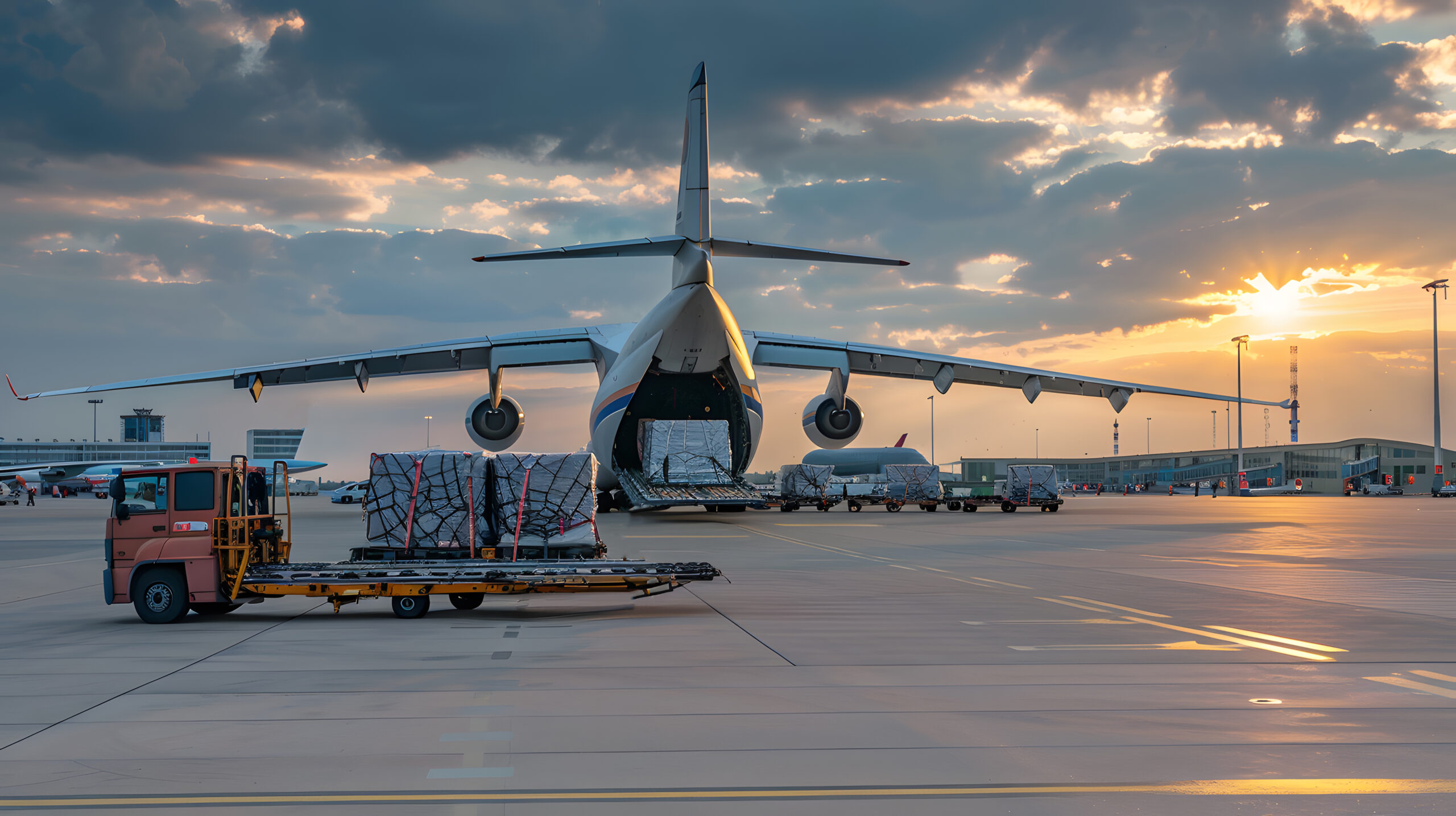
    In today’s fast-paced global economy, businesses depend heavily on efficient logistics to remain competitive. Air freight has emerged as one of the quickest modes of transporting goods across borders. However, speed alone does not guarantee seamless delivery. One crucial element often overlooked is customs clearance. This is where Air Freight Customs Clearance Agents play a vital role, ensuring that shipments move smoothly through complex regulatory frameworks.

    Air Freight Customs Clearance

    Customs clearance is the process of getting goods approved by customs authorities so they can enter or leave a country. It involves documentation, duties, taxes, inspections, and compliance with local and international regulations.

    For air freight, timing is critical. Delays at customs can disrupt supply chains, increase costs, and impact customer satisfaction. This makes professional handling of customs procedures essential for businesses engaged in international trade.

    Who Are Air Freight Customs Clearance Agents?

    Air Freight Customs Clearance Agents are specialists who manage the customs process on behalf of importers and exporters. They ensure that all legal requirements are met, documentation is accurate, and shipments are processed without unnecessary delays.

    Their expertise lies in understanding international trade laws, tariff classifications, and country-specific regulations. By bridging the gap between logistics providers and customs authorities, they streamline cargo movement efficiently.

    Why Are They Important in Modern Logistics?

    1. Speed and Efficiency

    Air freight is chosen for its speed, but customs delays can negate this advantage. Skilled agents help accelerate the clearance process by ensuring all documentation is submitted correctly and on time.

    2. Regulatory Compliance

    Each country has its own customs rules and regulations. Non-compliance can result in penalties, shipment holds, or even confiscation. Air Freight Customs Clearance Agents ensure adherence to all legal requirements.

    3. Cost Management

    Incorrect declarations or classifications can lead to overpayment of duties or fines. Agents help optimise costs by applying the correct tariff codes and valuation methods.

    4. Risk Reduction

    From documentation errors to regulatory changes, customs clearance carries multiple risks. Experienced agents identify and mitigate these risks before they become costly problems.

    Key Processes in Air Freight Customs Clearance

    Understanding the main steps involved highlights the importance of professional support:

    • Documentation Preparation: Includes commercial invoices, packing lists, airway bills, and certificates of origin.
    • Customs Declaration: Accurate submission of shipment details to customs authorities.
    • Duty and Tax Calculation: Determining applicable tariffs and taxes.
    • Inspection and Verification: Goods may be physically inspected or digitally assessed.
    • Final Clearance: Once approved, the shipment is released for delivery.

    Each step requires precision and knowledge, reinforcing the need for expert handling.

    Challenges in Global Cargo Movement

    Despite technological advancements, several challenges continue to affect air cargo logistics:

    • Complex Regulations: Frequent updates in trade policies across countries
    • Documentation Errors: Minor mistakes can cause major delays
    • Customs Backlogs: High volumes of shipments can slow processing
    • Security Measures: Increased scrutiny for safety and compliance
    • Global Disruptions: Events like pandemics or geopolitical tensions

    Air Freight Customs Clearance Agents act as problem-solvers in these scenarios, ensuring continuity in operations.

    The Role of Technology in Customs Clearance

    Modern customs processes are increasingly digital. Automation, AI, and electronic data interchange (EDI) systems have transformed the way clearance is handled.

    Agents now use advanced tools to:

    • Track shipments in real time
    • Submit electronic declarations
    • Ensure faster communication with customs authorities
    • Reduce manual errors

    Despite automation, human expertise remains essential to interpret regulations and handle complex cases.

    Are They the Missing Link?

    The answer lies in the growing complexity of global trade. While logistics providers focus on transportation, customs clearance requires specialised knowledge and attention to detail.

    Without efficient customs handling, even the fastest air freight services can face delays. Air Freight Customs Clearance Agents ensure that cargo moves seamlessly across borders, making them a critical component of the supply chain.

    Businesses working with experienced providers like Global Customs Services often experience smoother operations, reduced delays, and improved compliance. For more information, you can visit Global Customs Services.

    Choosing the Right Customs Clearance Partner

    Selecting the right agent is essential for successful international trade. Businesses should look for:

    • Proven experience in air freight customs
    • Up-to-date knowledge of regulations
    • Strong communication and coordination skills
    • Transparent pricing
    • Ability to handle complex shipments

    A reliable partner not only ensures compliance but also enhances overall logistics efficiency.

    The Future of Air Freight Customs Clearance

    As global trade continues to evolve, the role of Air Freight Customs Clearance Agents will become even more significant. With increasing regulations, sustainability initiatives, and digital transformation, their expertise will remain indispensable.

    Companies like Global Customs Services are adapting to these changes by integrating technology and maintaining high standards of compliance, helping businesses navigate the complexities of international shipping.

    Air freight is synonymous with speed, but without efficient customs clearance, that speed can be compromised. Air Freight Customs Clearance Agents serve as the crucial link that ensures cargo moves swiftly and compliantly across borders.

    From managing documentation to navigating complex regulations, their role is indispensable in modern logistics. As global trade becomes more intricate, businesses must recognise the value of professional customs clearance services to maintain efficiency and competitiveness.

    FAQs

    1. What do Air Freight Customs Clearance Agents do?

    They handle all customs-related processes, including documentation, declarations, duty calculations, and compliance to ensure smooth cargo movement.

    2. Why is customs clearance important in air freight?

    It ensures that goods comply with legal requirements and are approved for import or export without delays or penalties.

    3. How can customs clearance agents speed up shipments?

    By preparing accurate documentation, avoiding errors, and coordinating efficiently with customs authorities, they reduce clearance time.

    4. What documents are required for air freight customs clearance?

    Common documents include commercial invoices, packing lists, airway bills, and certificates of origin.

    5. How do I choose the right customs clearance agent?

    Look for experience, regulatory knowledge, transparency, and the ability to handle complex international shipments effectively.

  • How Will Changing Trade Policies Impact Customs Clearance Agents in the UK?

    How Will Changing Trade Policies Impact Customs Clearance Agents in the UK?

    In today’s rapidly evolving global economy, trade policies are constantly shifting. From new free trade agreements to updated customs regulations and digital compliance systems, these changes significantly influence how goods move across borders. For Customs Clearance Agents UK, staying informed and adaptable is no longer optional; it is essential.

    This blog explores how changing trade policies affect customs clearance processes, the challenges and opportunities they create, and how businesses can navigate this dynamic environment effectively.

    Understanding the Role of Customs Clearance

    Customs clearance is a critical step in international trade. It involves preparing and submitting documentation required to facilitate imports and exports into a country. This process ensures that goods comply with local laws, duties are paid, and shipments move without unnecessary delays.

    Customs Clearance Agents UK act as intermediaries between businesses and customs authorities. Their responsibilities include:

    • Preparing and submitting customs declarations
    • Classifying goods under the correct tariff codes
    • Calculating duties and taxes
    • Ensuring compliance with import/export regulations
    • Coordinating inspections and documentation

    With trade policies constantly evolving, these responsibilities have become more complex and require deeper expertise.

    The Impact of Changing Trade Policies

    1. Increased Regulatory Complexity

    One of the most significant impacts of changing trade policies is the growing complexity of regulations. Updates in tariff structures, product standards, and compliance requirements mean that Customs Clearance Agents UK must continuously update their knowledge.

    For example, post-Brexit trade rules introduced new documentation and border checks between the UK and the EU. Such shifts demand precise compliance to avoid penalties or shipment delays.

    2. Frequent Updates to Tariffs and Duties

    Trade agreements and geopolitical developments often lead to changes in tariffs. These fluctuations directly impact import and export costs.

    Customs agents must:

    • Stay updated with revised duty rates
    • Apply correct classifications
    • Advise businesses on cost implications

    Even a minor miscalculation can result in financial losses or legal complications, making accuracy essential.

    3. Digital Transformation of Customs Processes

    Modern trade policies increasingly promote digitalization. Governments are adopting electronic customs systems to improve efficiency and transparency.

    This shift means that Customs Clearance Agents UK must be proficient in:

    • Electronic data interchange (EDI) systems
    • Automated customs platforms
    • Real-time tracking and reporting tools

    Digital transformation reduces paperwork but requires technical expertise and system integration.

    4. Stricter Compliance and Risk Management

    Authorities are placing greater emphasis on compliance and risk assessment. This includes stricter checks on:

    • Product origin
    • Safety standards
    • Environmental regulations

    Agents must ensure that every shipment meets legal requirements. Non-compliance can lead to delays, fines, or even confiscation of goods.

    5. Impact on Supply Chain Efficiency

    Changing trade policies can disrupt supply chains. Delays at borders, additional documentation, and compliance checks can slow down operations.

    Customs Clearance Agents UK play a crucial role in minimizing disruptions by:

    • Preparing accurate documentation in advance
    • Anticipating regulatory changes
    • Communicating effectively with all stakeholders

    Their expertise ensures smoother and faster movement of goods.

    Challenges Faced by Customs Clearance Agents

    • Adapting to Constant Change

    Trade policies are not static. Frequent updates require continuous learning and adaptation.

    • Managing Increased Workload

    Additional documentation and compliance checks increase the workload for agents.

    • Ensuring Accuracy

    Even small errors in documentation can lead to significant delays or penalties.

    • Keeping Up with Technology

    Digital customs systems require training and investment in new tools.

    Opportunities Created by Policy Changes

    While changing trade policies present challenges, they also create opportunities:

    • Enhanced Demand for Expertise

    Businesses increasingly rely on experienced Customs Clearance Agents UK to navigate complex regulations.

    • Growth in Advisory Services

    Agents can expand their role by offering consultancy on trade compliance and cost optimization.

    • Improved Efficiency Through Technology

    Digital tools streamline processes, reduce manual errors, and improve turnaround times.

    Best Practices for Navigating Changing Trade Policies

    To stay competitive and efficient, customs clearance agents and businesses should adopt the following strategies:

    • Stay Informed

    Regularly monitor updates in trade regulations, tariffs, and compliance requirements.

    • Invest in Technology

    Adopt modern customs software and automation tools to improve accuracy and efficiency.

    • Focus on Training

    Continuous professional development ensures that agents remain knowledgeable and capable.

    • Strengthen Communication

    Clear communication between importers, exporters, and authorities reduces errors and delays.

    • Work with Experienced Professionals

    Partnering with experts like Global Cust can help businesses navigate complex customs requirements efficiently.

    The Future of Customs Clearance in the UK

    The future of customs clearance is likely to be shaped by:

    • Increased automation and AI-driven processes
    • Greater emphasis on sustainability and ethical sourcing
    • More integrated global trade systems
    • Enhanced data sharing between countries

    In this evolving landscape, Customs Clearance Agents UK will continue to play a vital role. Their ability to adapt to new regulations and technologies will determine their success and the efficiency of international trade operations.

    Global Cust remains committed to supporting businesses through these changes by providing reliable and professional customs clearance solutions.

    Changing trade policies are reshaping the landscape of international trade. For Customs Clearance Agents UK, this means navigating increased complexity, embracing digital transformation, and maintaining strict compliance standards.

    While these changes present challenges, they also offer opportunities for growth and innovation. By staying informed, investing in technology, and focusing on expertise, customs clearance agents can continue to provide essential support to businesses engaged in global trade.

    Ultimately, adaptability and knowledge will be the key drivers of success in this ever-changing environment.


    FAQs

    1. What do Customs Clearance Agents UK do?

    They handle documentation, ensure compliance with regulations, calculate duties, and facilitate the smooth movement of goods across borders.

    2. How do changing trade policies affect customs clearance?

    They introduce new regulations, tariffs, and compliance requirements, making the process more complex and requiring constant updates.

    3. Why is digital transformation important in customs clearance?

    Digital systems improve efficiency, reduce errors, and enable faster processing of shipments.

    4. What challenges do customs clearance agents face today?

    They deal with regulatory complexity, increased workload, technological changes, and the need for high accuracy.

    5. How can businesses ensure smooth customs clearance?

    By working with experienced professionals, staying informed about regulations, and maintaining accurate documentation.

  • What Will Smart Trade and AI Mean for Customs Clearance in the United Kingdom?

    What Will Smart Trade and AI Mean for Customs Clearance in the United Kingdom?

    Global trade is evolving at an unprecedented pace, and the Customs Clearance United Kingdom process is no exception. With the rise of smart trade technologies and artificial intelligence (AI), businesses involved in importing and exporting goods are witnessing a major transformation. These advancements are not only streamlining operations but also redefining compliance, efficiency, and accuracy in customs procedures.

    In this blog, we explore how smart trade and AI are shaping the future of customs clearance in the UK, and what businesses need to know to stay ahead.

    Understanding Customs Clearance in the UK

    Customs clearance is the process of preparing and submitting documentation required to facilitate the import or export of goods into and out of a country. In the UK, this includes:

    • Accurate declaration of goods
    • Classification using commodity codes
    • Calculation and payment of duties and taxes
    • Compliance with import/export regulations
    • Risk assessment and inspections

    Since Brexit, the Customs Clearance United Kingdom process has become more complex due to new trade agreements, border checks, and regulatory requirements. This has increased the need for efficient, error-free systems where smart trade and AI come into play.

    What Is Smart Trade?

    Smart trade refers to the use of digital technologies such as automation, data analytics, blockchain, and AI to improve global trade processes. It focuses on:

    • Reducing paperwork
    • Enhancing transparency
    • Improving speed and efficiency
    • Ensuring regulatory compliance

    In the context of customs clearance, smart trade aims to simplify processes that were traditionally manual and time-consuming.

    The Role of AI in Customs Clearance

    Artificial intelligence is rapidly becoming a key driver in transforming customs operations. Here’s how AI is making an impact on Customs Clearance in the United Kingdom:

    1. Automated Data Processing

    AI can process large volumes of trade data in real time. This reduces the need for manual data entry and minimizes human errors in customs declarations.

    2. Intelligent Classification

    AI-powered systems can automatically classify goods using the correct commodity codes. This ensures accurate duty calculations and compliance with UK regulations.

    3. Risk Assessment and Fraud Detection

    AI can analyze patterns and detect anomalies in shipments, helping authorities identify high-risk consignments and prevent fraud.

    4. Faster Decision-Making

    With real-time data analysis, AI enables quicker approvals and reduces delays at ports and borders.

    Benefits of Smart Trade and AI for Businesses

    The integration of smart trade and AI into customs processes offers several advantages:

    Increased Efficiency

    Automation reduces processing time, allowing goods to move faster across borders.

    Improved Accuracy

    AI minimizes errors in documentation, reducing the risk of penalties or shipment delays.

    Cost Savings

    By streamlining operations, businesses can reduce administrative costs and avoid unnecessary fines.

    Enhanced Compliance

    Smart systems stay updated with changing regulations, helping businesses remain compliant with UK customs laws.

    Key Areas of Transformation in UK Customs Clearance

    • Digital Documentation

    Traditional paperwork is being replaced with electronic documentation systems, making submissions faster and more secure.

    • Real-Time Tracking

    Businesses can now track shipments in real time, improving visibility and planning.

    • Integration with Supply Chains

    AI integrates customs processes with broader supply chain systems, ensuring seamless operations from origin to destination.

    • Predictive Analytics

    AI can forecast potential delays or compliance issues, allowing businesses to take proactive measures.

    Challenges to Consider

    While the benefits are significant, the adoption of AI and smart trade also presents some challenges:

    • Initial Investment

    Implementing advanced technologies can require substantial upfront costs.

    • Data Security

    Handling large volumes of sensitive trade data raises concerns about cybersecurity.

    • Regulatory Adaptation

    Businesses must ensure that new technologies align with UK customs regulations.

    • Skill Requirements

    Employees may need training to work with AI-driven systems effectively.

    The Future of Customs Clearance in the UK

    The future of Customs Clearance United Kingdom is undoubtedly digital. As AI and smart trade technologies continue to evolve, we can expect:

    • Fully automated customs processes
    • Reduced border delays
    • Greater transparency in global trade
    • Enhanced collaboration between businesses and authorities

    Companies like Global Cust are already adapting to these changes, helping businesses navigate complex customs procedures with modern, technology-driven solutions. As the industry evolves, working with experienced partners such as Global Cust can make a significant difference in ensuring smooth and compliant operations.

    How Businesses Can Prepare

    To stay competitive in this evolving landscape, businesses should:

    • Invest in digital tools and automation
    • Stay updated with UK customs regulations
    • Train staff on new technologies
    • Collaborate with customs experts
    • Adopt data-driven decision-making

    Being proactive will help businesses not only adapt but also gain a competitive edge in international trade.

    Smart trade and AI are transforming the way customs clearance is handled in the UK. From automation and real-time data analysis to improved compliance and efficiency, these technologies are setting new standards for global trade operations.

    For businesses involved in import and export, understanding and embracing these changes is essential. The future of Customs Clearance United Kingdom lies in innovation, and those who adapt early will benefit the most from faster processes, reduced costs, and improved accuracy.


    FAQs

    1. What is customs clearance in the United Kingdom?

    Customs clearance is the process of declaring goods, paying duties, and complying with regulations to allow goods to enter or leave the UK.

    2. How is AI used in customs clearance?

    AI is used for automating data entry, classifying goods, detecting risks, and speeding up decision-making processes.

    3. What are the benefits of smart trade for businesses?

    Smart trade improves efficiency, reduces errors, enhances compliance, and lowers operational costs.

    4. Is customs clearance more complex after Brexit?

    Yes, Brexit introduced new regulations and border checks, making customs procedures more detailed and complex.

    5. How can businesses prepare for digital customs systems?

    Businesses can invest in automation tools, train employees, and work with experienced customs consultants to adapt effectively.

  • Can Customs Clearance Southampton Keep Up with Evolving Global Trade Regulations?

    Can Customs Clearance Southampton Keep Up with Evolving Global Trade Regulations?

    In today’s rapidly changing global trade environment, businesses involved in international shipping face increasing pressure to stay compliant with complex and ever-evolving regulations. From policy changes and digital transformation to geopolitical shifts and sustainability requirements, customs processes are no longer as straightforward as they once were. This raises an important question: Can Customs clearance Southampton keep up with evolving global trade regulations?

    This blog explores the current landscape, key challenges, technological advancements, and future outlook of customs clearance, with a particular focus on Southampton as a major UK port.

    ustoms Clearance in Southampton

    Customs clearance is the process of preparing and submitting documentation required to facilitate the import or export of goods across international borders. Southampton, being one of the UK’s busiest and most strategically located ports, plays a vital role in global trade logistics.

    Customs clearance Southampton involves several critical steps, including:

    • Accurate classification of goods using commodity codes
    • Calculation and payment of duties and taxes
    • Submission of import/export declarations
    • Compliance with UK and international trade regulations
    • Inspection and release of goods

    As global trade grows more complex, these processes demand precision, speed, and up-to-date regulatory knowledge.

    The Challenge of Evolving Global Trade Regulations

    Global trade regulations are continuously changing due to factors such as political developments, economic policies, and international agreements. For businesses operating through Southampton, staying compliant is becoming increasingly challenging.

    1. Post-Brexit Regulatory Adjustments

    The UK’s departure from the European Union has introduced new customs procedures, documentation requirements, and border checks. Businesses must now navigate additional layers of compliance that did not previously exist.

    2. Frequent Policy Updates

    Trade agreements, tariffs, and import/export restrictions are subject to change. Keeping up with these updates requires constant monitoring and expertise.

    3. Increased Documentation Requirements

    Authorities now demand more detailed and accurate information, making documentation errors more costly and time-consuming.

    4. Global Compliance Standards

    Companies must comply not only with UK regulations but also with the requirements of the countries they trade with, increasing operational complexity.

    The Role of Technology in Modern Customs Clearance

    Technology is playing a crucial role in helping Customs clearance Southampton adapt to regulatory changes. Digital solutions are transforming traditional processes into faster, more efficient systems.

    Automation and Digital Declarations

    Automated systems reduce manual errors and speed up the submission of customs declarations. Electronic data interchange (EDI) allows seamless communication between businesses and customs authorities.

    Real-Time Tracking and Data Integration

    Modern platforms provide real-time updates on shipments, enabling businesses to respond quickly to delays or compliance issues.

    Artificial Intelligence and Risk Management

    AI tools can analyze large volumes of data to identify potential compliance risks, helping businesses avoid penalties and delays.

    Blockchain for Transparency

    Emerging technologies like blockchain offer enhanced transparency and traceability in supply chains, which can improve compliance and trust.

    Key Factors for Keeping Up with Regulations

    To remain competitive and compliant, businesses involved in Customs clearance Southampton must adopt proactive strategies.

    1. Expert Knowledge and Training

    Staying informed about regulatory changes is essential. Continuous training ensures that staff understand the latest compliance requirements.

    2. Strong Documentation Practices

    Accurate and complete documentation reduces the risk of delays, fines, and shipment rejections.

    3. Collaboration with Customs Specialists

    Working with experienced customs professionals can help businesses navigate complex regulations more efficiently.

    4. Investment in Technology

    Digital tools and automated systems can streamline operations and improve accuracy.

    5. Risk Management Strategies

    Identifying and mitigating risks early can prevent costly disruptions in the supply chain.

    Opportunities Amid Challenges

    While evolving regulations present challenges, they also create opportunities for businesses willing to adapt.

    • Improved Efficiency: Automation and digitalization can significantly reduce processing times.
    • Enhanced Compliance: Better systems lead to fewer errors and improved regulatory adherence.
    • Competitive Advantage: Businesses that adapt quickly can gain a stronger position in the market.
    • Global Expansion: Understanding international regulations enables smoother entry into new markets.

    Companies like Global Customs & Forwarding Limited are already helping businesses navigate these complexities by offering professional support and expertise. By leveraging such services, organizations can ensure smoother and more reliable customs processes.

    The Future of Customs Clearance in Southampton

    The future of Customs clearance Southampton will likely be shaped by increased digitalization, stricter compliance requirements, and greater collaboration between stakeholders.

    Key trends to watch include:

    • Fully digital customs systems with minimal paperwork
    • Integration of AI and machine learning for predictive compliance
    • Sustainability regulations influencing trade practices
    • Stronger global partnerships to harmonize customs procedures

    Businesses that embrace these changes early will be better positioned to succeed in the evolving trade landscape.

    Global Customs & Forwarding Limited continues to support businesses in adapting to these changes, ensuring compliance while maintaining operational efficiency.

    So, can Customs clearance Southampton keep up with evolving global trade regulations? The answer lies in adaptability, innovation, and expertise. While the challenges are significant, the integration of advanced technologies, improved processes, and professional guidance makes it entirely possible.

    Businesses that invest in knowledge, embrace digital transformation, and prioritize compliance will not only keep up but thrive in this dynamic environment. As global trade continues to evolve, Southampton remains a key player, capable of meeting future demands with the right strategies in place.

    FAQs

    1. What is customs clearance, and why is it important?

    Customs clearance is the process of ensuring that goods meet all legal requirements for import or export. It is essential for avoiding delays, penalties, and disruptions in the supply chain.

    2. How has Brexit affected customs clearance in Southampton?

    Brexit has introduced new documentation, border checks, and compliance requirements, making the process more complex for businesses trading with the EU.

    3. What are the common challenges in customs clearance?

    Common challenges include regulatory changes, documentation errors, delays in processing, and lack of awareness about compliance requirements.

    4. How can technology improve customs clearance processes?

    Technology can automate documentation, provide real-time tracking, reduce errors, and enhance compliance through advanced data analysis.

    5. Why should businesses work with customs clearance experts?

    Customs experts provide valuable knowledge, ensure compliance, reduce risks, and help businesses navigate complex regulations efficiently. 

  • What Role Will Data Integration Play in Customs Clearance Felixstowe’s Future?

    What Role Will Data Integration Play in Customs Clearance Felixstowe’s Future?

    In today’s fast-moving global trade environment, efficiency, accuracy, and compliance are more important than ever. As one of the UK’s busiest ports, Felixstowe plays a critical role in international logistics. With increasing trade volumes and evolving regulations, the future of Customs clearance Felixstowe is being shaped by one key factor—data integration.

    But what exactly does data integration mean in this context, and how will it transform customs clearance processes in the years ahead? Let’s explore.

    Data Integration in Customs Clearance

    Data integration refers to the process of combining information from multiple sources into a unified system. In customs clearance, this includes data from importers, exporters, shipping lines, freight forwarders, and government authorities.

    Traditionally, customs procedures involved manual documentation, repetitive data entry, and fragmented systems. These processes often led to delays, errors, and compliance risks. However, with integrated digital systems, stakeholders can now share real-time information seamlessly, reducing inefficiencies.

    For Customs clearance Felixstowe, data integration is not just an upgrade—it is becoming a necessity to keep pace with global trade demands.

    Why Data Integration Matters for Felixstowe

    Felixstowe handles a significant portion of the UK’s container traffic. As trade complexity increases, the ability to process shipments quickly and accurately becomes crucial.

    Here’s why data integration is essential:

    1. Faster Processing Times

    Integrated systems allow instant data sharing between stakeholders. This reduces the need for manual checks and speeds up customs approvals, ensuring goods move through the port more efficiently.

    2. Improved Accuracy

    Errors in documentation can lead to costly delays and penalties. Data integration minimizes duplication and ensures that all parties are working with consistent and accurate information.

    3. Enhanced Compliance

    Customs regulations are constantly evolving, especially in the post-Brexit environment. Integrated systems can automatically update regulatory requirements, helping businesses stay compliant.

    4. Better Visibility

    With real-time tracking and data sharing, businesses gain full visibility into their shipments. This allows for better planning and quicker responses to potential issues.

    Key Technologies Driving Data Integration

    The future of Customs clearance Felixstowe will rely heavily on advanced technologies that support seamless data exchange.

    Cloud-Based Platforms

    Cloud systems enable centralized data storage and easy access for all stakeholders. This ensures that information is always up to date and accessible from anywhere.

    Application Programming Interfaces (APIs)

    APIs allow different systems to communicate with each other. For example, customs software can directly connect with shipping and logistics platforms, eliminating manual data entry.

    Artificial Intelligence (AI)

    AI can analyze large volumes of data to identify patterns, detect anomalies, and predict potential delays. This helps streamline decision-making processes.

    Blockchain Technology

    Blockchain offers secure and transparent data sharing. It ensures that all transactions are recorded and cannot be altered, enhancing trust among stakeholders.

    Impact on Businesses and Supply Chains

    As data integration becomes more widespread, businesses involved in import and export activities will experience significant benefits.

    Reduced Costs

    Automated processes and fewer errors mean lower operational costs. Businesses can save time and resources that would otherwise be spent on manual corrections.

    Increased Efficiency

    Faster clearance times lead to improved supply chain performance. This is particularly important for industries dealing with perishable goods or time-sensitive shipments.

    Stronger Risk Management

    Integrated data systems can flag potential risks, such as missing documentation or regulatory issues, before they cause delays.

    Competitive Advantage

    Companies that adopt integrated systems early will have a clear edge in the market. Efficient customs processes can improve customer satisfaction and business reputation.

    Challenges in Implementing Data Integration

    While the benefits are clear, implementing data integration is not without challenges.

    System Compatibility

    Different stakeholders may use different systems, making integration complex. Standardization is key to overcoming this issue.

    Data Security

    With increased data sharing comes the risk of cyber threats. Robust security measures must be in place to protect sensitive information.

    Initial Investment

    Adopting new technologies requires upfront investment. However, the long-term benefits often outweigh the costs.

    Training and Adaptation

    Employees need to be trained to use new systems effectively. Resistance to change can also slow down the adoption process.

    The Role of Expert Support

    Navigating the complexities of data integration and customs procedures requires expertise. This is where professional service providers play a crucial role.

    Companies like Global Customs help businesses streamline their customs processes by leveraging modern technologies and ensuring compliance with the latest regulations. Their experience in handling Customs clearance Felixstowe allows businesses to focus on growth while leaving the complexities of customs management to experts.

    By working with knowledgeable partners such as Global Customs, businesses can adopt data-driven solutions more effectively and stay ahead in a competitive market.

    What the Future Looks Like

    The future of Customs clearance Felixstowe is undoubtedly digital. As data integration continues to evolve, we can expect:

    • Fully automated customs processes
    • Real-time data exchange across global supply chains
    • Reduced reliance on paperwork
    • Faster and more predictable clearance times
    • Greater transparency and accountability

    Governments and industry stakeholders are already moving towards digital border systems, making data integration a central component of future trade operations.

    Data integration is set to play a transformative role in the future of Customs clearance Felixstowe. By enabling seamless communication, improving accuracy, and enhancing compliance, integrated systems are redefining how customs processes operate.

    While challenges remain, the benefits far outweigh the drawbacks. Businesses that embrace data integration today will be better prepared for the demands of tomorrow’s trade environment.

    As the logistics industry continues to evolve, staying informed and adopting modern solutions will be key to success. In a world where speed and accuracy matter more than ever, data integration is no longer optional—it is essential.

    FAQs

    1. What is data integration in customs clearance?

    Data integration in customs clearance involves combining information from multiple sources into a single system to streamline processes and improve efficiency.

    2. How does data integration improve Customs clearance Felixstowe?

    It reduces manual errors, speeds up processing times, enhances compliance, and provides real-time visibility into shipments.

    3. Is data integration expensive to implement?

    While there may be initial costs, the long-term savings from improved efficiency and reduced errors make it a worthwhile investment.

    4. What technologies are used in data integration for customs?

    Technologies such as cloud computing, APIs, artificial intelligence, and blockchain are commonly used to enable seamless data sharing.

    5. Can small businesses benefit from data integration in customs clearance?

    Yes, small businesses can benefit significantly by reducing delays, improving accuracy, and gaining better control over their supply chain operations. 

  • Will Technology Revolutionise Customs Clearance for International Businesses?

    Will Technology Revolutionise Customs Clearance for International Businesses?

    In today’s fast-moving global economy, international trade is more interconnected than ever before. Businesses import raw materials, export finished products, and operate across multiple countries to remain competitive. However, one critical process that continues to shape the success of international trade is customs clearance.

    Customs procedures ensure that goods entering or leaving a country comply with government regulations, taxes, duties, and safety standards. While this process has traditionally been complex and paperwork-heavy, technological innovations are rapidly transforming the way businesses handle it. The question many companies are asking today is: Will technology truly revolutionize customs clearance for international businesses?

    This blog explores how technological advancements are reshaping the customs process and what it means for companies involved in global trade.

    Understanding Customs Clearance

    Before examining the impact of technology, it is important to understand what customs clearance actually involves.

    Customs clearance is the process of preparing and submitting documents required to facilitate the import or export of goods across international borders. It includes several steps such as:

    • Filing customs declarations
    • Verifying documentation
    • Paying duties and taxes
    • Inspecting goods for compliance
    • Releasing shipments for delivery

    Without proper clearance, shipments may face delays, additional costs, or even legal penalties. For businesses that rely on efficient supply chains, smooth customs processing is essential to maintaining operational efficiency.

    Traditional Challenges in Customs Clearance

    Historically, customs procedures have been associated with several challenges that can slow down international trade.

    Complex Documentation

    Importers and exporters must submit detailed documentation, including invoices, packing lists, certificates of origin, and shipping documents. Managing these documents manually increases the risk of errors.

    Regulatory Differences

    Each country has its own customs rules, tariffs, and regulations. Businesses trading internationally must stay updated with constantly changing policies.

    Delays and Inspections

    Shipments may be held at borders for inspection if documentation is incomplete or if goods require verification. Such delays can disrupt supply chains and increase costs.

    Limited Visibility

    Traditional customs systems often lack real-time tracking or transparency, making it difficult for businesses to know the exact status of their shipments.

    Because of these challenges, companies involved in international trade are increasingly looking toward technology to streamline the customs process.

    The Rise of Digital Customs Systems

    Many governments around the world are adopting digital platforms to modernize border management. These systems allow businesses to submit customs declarations electronically rather than through manual paperwork.

    Electronic data interchange (EDI) systems enable customs authorities and businesses to exchange information quickly and securely. By automating data submission and validation, digital systems significantly reduce processing time and human error.

    For international businesses, this means faster processing, improved compliance, and smoother cross-border trade.

    Automation and Artificial Intelligence

    Automation is becoming one of the most influential technologies in modern customs clearance processes. Automated systems can handle repetitive administrative tasks such as data entry, document verification, and duty calculations.

    Artificial intelligence (AI) is also beginning to play a role in customs operations. AI-powered tools can analyze shipment data, identify potential compliance risks, and flag suspicious transactions for further inspection.

    These technologies help customs authorities focus their resources on high-risk shipments while allowing compliant goods to pass through borders more quickly.

    Blockchain for Secure Trade Documentation

    Another emerging technology that could reshape customs processes is blockchain. Blockchain technology creates a secure, transparent digital ledger where trade documents can be stored and shared.

    With blockchain, multiple stakeholders—including customs authorities, logistics providers, and importers—can access verified information about shipments in real time. This reduces the need for repeated documentation checks and improves trust between trading partners.

    Although still in the early stages of adoption, blockchain has the potential to create a more transparent and efficient global trade ecosystem.

    Real-Time Tracking and Supply Chain Visibility

    Modern logistics technologies now allow businesses to track shipments in real time. Integrated systems provide visibility into shipment status, customs documentation, and regulatory compliance.

    This transparency enables businesses to anticipate potential delays and address issues before they escalate. It also improves communication between importers, exporters, and logistics providers.

    For companies working with experienced customs specialists such as Global Customs Clearance, advanced technology combined with professional expertise can help ensure smoother cross-border trade operations.

    The Role of Data Analytics in Customs Compliance

    Data analytics is becoming increasingly valuable in managing international trade compliance. By analyzing large volumes of trade data, businesses can identify patterns, detect potential errors, and improve compliance strategies.

    For example, data analysis can help companies determine the correct classification codes for goods, estimate duty costs, and monitor regulatory changes. These insights allow businesses to make more informed decisions about their global trade operations.

    As technology continues to evolve, data-driven customs management will likely become a standard practice in international commerce.

    Why Human Expertise Still Matters

    While technology is transforming customs procedures, human expertise remains essential. Customs regulations are complex, and businesses often require professional guidance to ensure compliance with changing laws and documentation requirements.

    Specialists with experience in international trade can interpret regulations, handle complex declarations, and manage unexpected issues that technology alone cannot resolve.

    Companies such as Global Customs Clearance combine industry expertise with modern systems to help businesses navigate the complexities of cross-border trade efficiently.

    The Future of Customs Clearance

    The future of customs clearance is likely to be shaped by continued technological innovation. Digital documentation, automated compliance systems, AI-powered risk assessments, and blockchain-based trade platforms are expected to become more widely adopted.

    These advancements will help reduce delays, improve transparency, and create more efficient global supply chains. For international businesses, embracing technology will be essential to staying competitive in an increasingly digital trade environment.

    Technology is undoubtedly transforming the landscape of international trade. From digital customs systems and automation to AI-driven analytics and blockchain-based documentation, innovative tools are streamlining the way goods move across borders.

    However, while technology improves efficiency and transparency, successful customs management still requires a combination of digital solutions and professional expertise. Businesses that adopt modern systems while working with experienced customs specialists will be better positioned to navigate the complexities of global trade.

    As international commerce continues to grow, technology will play a central role in shaping faster, smarter, and more reliable customs clearance processes for businesses worldwide.


    FAQs

    1. What is customs clearance in international trade?
    Customs clearance is the process of submitting documentation and paying duties or taxes required for goods to enter or leave a country legally.

    2. Why is customs clearance important for businesses?
    It ensures that shipments comply with government regulations, preventing delays, penalties, or shipment confiscation.

    3. How does technology improve customs clearance?
    Technology enables electronic documentation, automated compliance checks, real-time tracking, and faster communication between businesses and customs authorities.

    4. What documents are typically required for customs clearance?
    Common documents include commercial invoices, packing lists, bills of lading, certificates of origin, and customs declaration forms.

    5. Can businesses handle customs clearance themselves?
    While some businesses manage the process internally, many choose to work with experienced customs specialists to ensure compliance and avoid delays.

  • Could Customs Clearance London Gateway Become the Preferred Route for Global Trade in the UK?

    Could Customs Clearance London Gateway Become the Preferred Route for Global Trade in the UK?

    International trade continues to evolve as businesses look for faster, more efficient, and more reliable routes to move goods across borders. In the United Kingdom, ports play a crucial role in supporting global supply chains, and one location gaining increasing attention from importers and exporters is London Gateway. With advanced infrastructure, strategic connectivity, and growing trade activity, many businesses are asking whether Customs clearance at London Gateway could become the preferred route for global trade in the UK.

    Understanding how customs clearance works at this modern port can help companies make informed decisions when planning their logistics and supply chain strategies.

    The Growing Importance of London Gateway in Global Trade

    London Gateway is one of the UK’s most technologically advanced deep-sea ports. Located on the River Thames, it provides direct access to international shipping routes and offers excellent connectivity to major distribution networks across the country.

    The port has been designed to handle large container vessels and streamline cargo movement through highly automated systems. These features reduce delays and improve operational efficiency, making the port attractive to businesses involved in international trade.

    As trade volumes increase and supply chains become more complex, efficient customs processes are essential. This is where Customs clearance London Gateway becomes a key factor in enabling smooth and compliant cross-border trade.

    Understanding Customs Clearance in International Trade

    Customs clearance is a critical process that ensures imported and exported goods comply with national regulations. Every shipment entering or leaving the UK must go through customs procedures to confirm that all required documentation, duties, and regulations have been addressed.

    The process typically involves:

    • Submission of customs declarations
    • Verification of shipment documentation
    • Classification of goods using tariff codes
    • Calculation and payment of applicable duties and taxes
    • Inspection or verification when necessary

    Efficient customs clearance ensures goods move quickly through ports while maintaining compliance with international trade regulations.

    At a busy logistics hub such as London Gateway, streamlined customs procedures can significantly reduce delays and improve overall supply chain efficiency.

    Why Businesses Are Turning to London Gateway

    Several factors are contributing to the growing popularity of Customs clearance London Gateway among importers and exporters.

    Strategic Location

    London Gateway is positioned close to major commercial centers in the UK, particularly London and the South East. Its proximity to key highways and rail networks allows goods to be transported quickly to distribution hubs and warehouses.

    This location advantage can reduce inland transportation time and logistics costs for businesses importing goods into the UK.

    Advanced Port Infrastructure

    Modern ports must handle high volumes of cargo efficiently. London Gateway was designed with automation and digital logistics systems that allow faster cargo handling and improved operational transparency.

    These features help reduce port congestion and support smoother customs processes, which are essential for companies working with tight delivery schedules.

    Integrated Logistics Ecosystem

    Another major advantage is the integration of the port with logistics parks and distribution centers. Businesses can move goods directly from ships to nearby warehouses, minimizing delays between unloading and delivery.

    This integrated approach supports more efficient customs processing and faster release of cargo.

    The Role of Technology in Modern Customs Clearance

    Technology is playing an increasingly important role in improving customs procedures worldwide. Digital systems allow companies to submit documentation electronically, track shipments in real time, and ensure regulatory compliance more efficiently.

    At ports like London Gateway, digital infrastructure helps facilitate faster customs processing by improving communication between shipping companies, customs authorities, and logistics providers.

    Automation also helps reduce human errors in documentation and data entry, which are common causes of shipment delays.

    As international trade continues to adopt digital solutions, ports that invest in advanced technologies are likely to become preferred trade gateways.

    Compliance and Regulatory Considerations

    Customs regulations in the UK require businesses to ensure that all imports and exports meet legal requirements. This includes proper documentation, accurate product classification, and compliance with customs duties and taxes.

    Failure to meet these requirements can lead to delays, financial penalties, or even seizure of goods.

    Professional customs support can help businesses manage these complexities effectively. Companies such as Global Customs Ltd assist importers and exporters in handling customs declarations, documentation, and regulatory compliance to ensure smooth cargo movement.

    With increasing regulatory scrutiny and evolving trade policies, businesses benefit from expert guidance during the customs clearance process.

    How Efficient Customs Clearance Benefits Businesses

    Smooth customs clearance offers several important advantages for companies engaged in global trade:

    Reduced shipment delays: Faster processing helps goods reach their destination on time.

    Improved supply chain reliability: Businesses can plan logistics operations with greater certainty.

    Cost savings: Avoiding storage fees, demurrage charges, and delays can significantly reduce logistics expenses.

    Regulatory compliance: Proper documentation ensures businesses meet legal requirements.

    These benefits explain why many businesses are paying closer attention to customs clearance processes when selecting ports and shipping routes.

    The Future of Customs Clearance at London Gateway

    As global trade continues to grow, ports that offer efficient logistics and streamlined customs procedures will become increasingly important.

    London Gateway is well-positioned to support this demand due to its modern infrastructure, digital systems, and strategic location. Continued investment in automation and trade technology could further enhance its role in UK supply chains.

    Industry experts believe that ports capable of combining operational efficiency with advanced customs processing will become the preferred gateways for international commerce.

    Organizations like Global Customs Ltd support businesses navigating customs procedures and regulatory requirements, helping ensure that shipments move smoothly through ports such as London Gateway.

    Efficient customs clearance is essential for businesses involved in global trade. As supply chains become more complex and international commerce continues to expand, companies must choose logistics routes that provide speed, reliability, and compliance.

    With its modern infrastructure, strategic location, and growing logistics ecosystem, London Gateway has the potential to play a significant role in the future of UK trade. The increasing efficiency of Customs clearance London Gateway may position the port as a preferred gateway for businesses looking to streamline their import and export operations.

    By understanding customs requirements and working with experienced customs professionals, companies can navigate international trade with greater confidence and efficiency.


    Frequently Asked Questions (FAQs)

    1. What is customs clearance at London Gateway?
    Customs clearance at London Gateway refers to the process of verifying and approving imported or exported goods through customs authorities to ensure they comply with UK trade regulations.

    2. Why is London Gateway becoming popular for international trade?
    London Gateway offers advanced port infrastructure, strong transport connectivity, and efficient logistics systems, making it an attractive option for businesses involved in global trade.

    3. What documents are required for customs clearance?
    Typical documents include a commercial invoice, packing list, bill of lading, customs declaration, and any certificates required for regulated goods.

    4. How long does customs clearance usually take?
    The time can vary depending on shipment details, documentation accuracy, and whether inspections are required. Efficient documentation can help speed up the process.

    5. Why is professional assistance important for customs clearance?
    Customs procedures can be complex and involve strict regulatory requirements. Professional customs support helps ensure compliance, reduces delays, and allows businesses to manage international trade more efficiently.

  • What Does the Future Hold for Businesses Working with Customs Clearance Limited UK?

    What Does the Future Hold for Businesses Working with Customs Clearance Limited UK?

    In today’s rapidly evolving global trade environment, customs clearance is no longer just an administrative task — it has become a strategic function that directly impacts supply chains, costs, and business continuity. As regulations change, technology advances, and international trade relationships shift, businesses must prepare for a future where customs processes are more complex yet more digitised.

    This raises an important question: what lies ahead for organisations working with Customs Clearance Limited UK?

    Understanding the future of customs clearance helps businesses remain competitive, compliant, and resilient in a landscape shaped by innovation and regulatory transformation.

    The Growing Importance of Customs Expertise

    Global trade has entered a new era marked by regulatory updates, trade agreements, and post-Brexit compliance demands. Businesses importing or exporting goods must now deal with increased documentation requirements, classification accuracy, duty calculations, and border procedures.

    In the future, the need for reliable customs support will only grow stronger.

    Companies working with Customs Clearance Limited UK can expect to navigate:

    • Evolving trade regulations
    • Changing tariff structures
    • New security and compliance frameworks
    • Expanded data reporting obligations

    Professional customs handling ensures shipments move smoothly while minimising delays, penalties, or unexpected costs.

    Technology Will Redefine Customs Processes

    One of the biggest shifts shaping the future of customs clearance is digital transformation.

    Modern customs systems are moving towards:

    • Automated declarations
    • Real-time shipment tracking
    • Electronic documentation
    • AI-assisted risk analysis

    Paper-based procedures are gradually being replaced by digital platforms that enhance speed and transparency.

    Businesses partnering with experienced customs specialists will benefit from:

    • Faster processing times
    • Reduced human error
    • Greater visibility across supply chains
    • Improved record-keeping

    The future of customs clearance is undoubtedly digital — and companies that embrace this shift early will gain a competitive advantage.

    Compliance Will Become More Complex

    While technology simplifies operations, regulatory requirements are becoming more detailed.

    Future compliance expectations may include:

    • More accurate commodity classification
    • Enhanced origin verification
    • Environmental and sustainability reporting
    • Advanced security checks

    Authorities are placing greater emphasis on transparency and traceability. This means businesses must ensure their import/export activities meet strict standards.

    Working with Customs Clearance Limited UK allows organisations to stay informed and aligned with evolving rules without needing to develop internal compliance expertise from scratch.

    Supply Chain Resilience Will Be a Priority

    Recent global disruptions have highlighted how vulnerable supply chains can be.

    Delays at borders, documentation errors, and regulatory misunderstandings can halt operations.

    In the future, businesses will prioritise:

    • Predictable clearance timelines
    • Accurate duty forecasting
    • Risk mitigation strategies
    • Contingency planning

    Efficient customs handling plays a vital role in ensuring continuity. Reliable customs processes reduce bottlenecks and support smoother international trade operations.

    Sustainability and Ethical Trade Will Gain Focus

    Governments and international bodies are increasingly linking trade with sustainability goals.

    Future customs frameworks may incorporate:

    • Carbon reporting requirements
    • Ethical sourcing verification
    • Green trade incentives
    • Environmental impact assessments

    Businesses involved in cross-border trade must be prepared for these developments.

    Customs clearance services will likely evolve to support organisations in meeting these emerging expectations while maintaining compliance.

    Trade Agreements Will Continue to Shape Opportunities

    New trade agreements will influence tariffs, documentation rules, and market access.

    Businesses working with Customs Clearance Limited UK can benefit from understanding:

    • Preferential duty schemes
    • Rules of origin requirements
    • Trade facilitation programs
    • Market-specific compliance standards

    Future trade agreements may open doors to new markets — but only for companies that understand and correctly apply customs procedures.

    Risk Management Will Become Central

    Future customs operations will focus not only on compliance but also on proactive risk management.

    This includes:

    • Identifying regulatory risks
    • Preventing shipment delays
    • Managing inspection probabilities
    • Avoiding penalties

    Customs clearance support will increasingly involve strategic planning rather than just transactional processing.

    Businesses that treat customs as a strategic function will be better positioned to scale globally.

    Human Expertise Will Still Matter

    Despite technological advancements, human expertise will remain essential.

    Complex cases such as:

    • Multi-country supply chains
    • Special duty relief programs
    • Re-export procedures
    • Temporary imports

    require professional interpretation and guidance.

    Customs clearance is not just about software — it’s about understanding regulations, trade nuances, and operational realities.

    The future of international trade will be shaped by digital innovation, stricter compliance demands, sustainability priorities, and evolving global agreements.

    Businesses working with Customs Clearance Limited UK are likely to experience a more structured, technology-driven customs environment that prioritises transparency, speed, and regulatory accuracy.

    As customs clearance continues to transform from a procedural necessity into a strategic business function, organisations that embrace professional support and future-ready processes will gain long-term stability and growth opportunities in the global marketplace.

    Preparing today means thriving tomorrow.

    FAQs

    1. Why is customs clearance becoming more important for businesses?

    As global trade regulations grow more complex, accurate customs handling ensures shipments move smoothly while avoiding penalties and delays.

    2. Will customs processes become fully digital in the future?

    While full automation may take time, digital systems are already replacing manual procedures, improving speed and transparency.

    3. How can businesses prepare for future customs regulations?

    Staying informed, maintaining accurate documentation, and working with experienced customs professionals can help ensure compliance.

    4. Will sustainability impact customs procedures?

    Yes, future frameworks may include environmental reporting and ethical sourcing requirements.

    5. What does the future hold for businesses relying on customs support?

    The future will likely involve smarter systems, stricter compliance, and greater reliance on strategic customs planning to maintain efficient global trade operations.

  • Will Sustainable Trade Depend on Smarter Customs Clearance Systems?

    Will Sustainable Trade Depend on Smarter Customs Clearance Systems?

    In today’s rapidly evolving global trade environment, sustainability is no longer just a corporate buzzword — it has become a strategic priority. Governments, logistics providers, manufacturers, and import-export businesses are all striving to reduce environmental impact while maintaining efficiency and profitability. However, one often overlooked factor in sustainable trade is the role of customs processes.

    As global supply chains become more complex and environmentally conscious, smarter customs systems are emerging as a key enabler of sustainable trade practices. Efficient customs management is not just about compliance anymore — it now plays a crucial role in reducing delays, cutting emissions, and improving overall trade transparency.

    This is where modern customs solutions and expertise, such as those provided by Customs Clearance Limited UK, are becoming increasingly relevant to businesses navigating international markets.

    Understanding the Link Between Trade and Sustainability

    Sustainable trade focuses on minimizing environmental impact while maintaining economic growth. This includes:

    • Reducing carbon emissions
    • Minimizing waste in logistics
    • Optimizing transportation routes
    • Avoiding unnecessary storage and delays

    While transportation and manufacturing often get most of the attention in sustainability discussions, customs clearance is a critical stage that can significantly influence environmental outcomes.

    Delays at borders, incorrect documentation, inefficient inspections, or manual processing can result in:

    • Increased fuel consumption
    • Longer storage periods
    • Additional handling
    • Supply chain disruptions

    All of these contribute to higher carbon footprints.

    Smarter customs clearance systems help reduce these inefficiencies and support greener trade practices.

    What Makes Customs Clearance “Smarter”?

    Modern customs clearance is shifting from traditional paperwork-based procedures to digitally driven systems that enhance both speed and accuracy.

    Smarter customs systems typically involve:

    1. Digital Documentation

    Electronic submission of customs documents reduces paper usage and speeds up processing times. This minimizes the need for physical storage and transportation of documents.

    2. Automated Risk Assessment

    Advanced systems allow authorities to assess shipments based on risk profiles rather than conducting random inspections. This leads to faster clearance for compliant goods.

    3. Integrated Data Sharing

    Real-time communication between customs authorities, logistics providers, and traders allows smoother movement of goods across borders.

    4. Predictive Processing

    Data analytics can help identify potential compliance issues before goods arrive at ports, reducing the likelihood of delays.

    5. Paperless Trade Systems

    End-to-end digital customs clearance reduces administrative burdens and promotes environmentally friendly operations.

    How Smarter Customs Clearance Supports Sustainability

    Smarter customs clearance does more than just streamline trade — it actively supports sustainability goals in several ways.

    Reduced Transportation Emissions

    Faster clearance times mean trucks, ships, and aircraft spend less time waiting at ports or borders. This reduces fuel consumption and greenhouse gas emissions.

    Lower Storage Requirements

    Delayed shipments often require additional warehousing, which consumes energy and resources. Efficient clearance reduces storage dependency.

    Optimized Supply Chains

    Reliable customs processing allows companies to plan logistics more effectively, avoiding unnecessary transport movements.

    Decreased Waste

    Improved accuracy in documentation helps prevent shipment rejections or returns, reducing packaging waste and material losses.

    Enhanced Transparency

    Digital systems enable better tracking and traceability, helping businesses meet sustainability reporting requirements.

    The Growing Role of Compliance in Sustainable Trade

    Compliance is no longer just about avoiding penalties — it is becoming a cornerstone of sustainable operations.

    Accurate classification of goods, proper valuation, and correct documentation ensure that shipments move smoothly through borders without unnecessary inspections or delays.

    Smarter customs clearance systems help businesses:

    • Maintain regulatory compliance
    • Reduce administrative errors
    • Improve operational predictability
    • Support ethical sourcing initiatives

    With growing environmental regulations worldwide, businesses must align trade practices with sustainability goals. Expertise from professionals like Customs Clearance Limited UK can help companies manage this transition efficiently.

    The Future of Sustainable Trade and Customs Innovation

    As global trade policies evolve, customs systems are expected to become more technologically advanced. Innovations likely to shape the future include:

    • AI-driven compliance checks
    • Blockchain for trade transparency
    • Automated duty calculations
    • Green trade corridors

    These developments will not only simplify trade but also contribute to environmentally responsible supply chains.

    Smarter customs clearance systems will likely become essential for companies aiming to balance profitability with sustainability.

    Why Businesses Must Adapt Now

    Businesses that continue relying on outdated customs practices may face:

    • Increased delays
    • Higher logistics costs
    • Greater environmental impact
    • Compliance risks

    On the other hand, adopting modern customs strategies can lead to:

    • Faster border processing
    • Reduced emissions
    • Improved supply chain resilience
    • Stronger sustainability credentials

    Organizations working with experienced partners such as Customs Clearance Limited UK can better navigate the complexities of evolving customs regulations while supporting environmentally responsible trade.

    Sustainable trade is no longer a future aspiration — it is a present-day necessity. While industries often focus on production and transportation to reduce environmental impact, customs clearance plays an equally important role.

    Smarter customs clearance systems enable faster processing, reduce unnecessary delays, and support efficient logistics — all of which contribute to lower carbon emissions and improved supply chain sustainability.

    As global trade continues to expand, businesses that invest in modern customs strategies will not only enhance operational efficiency but also align themselves with the growing demand for sustainable practices.

    In the coming years, sustainable trade will likely depend heavily on intelligent, technology-driven customs systems that ensure goods move across borders responsibly and efficiently.


    FAQs

    1. How does customs clearance impact sustainability?

    Efficient customs clearance reduces delays, minimizes fuel consumption, and lowers storage needs, all of which contribute to reducing environmental impact.

    2. What are smarter customs clearance systems?

    These are modern, digitally driven processes that improve accuracy, speed, and transparency in trade documentation and compliance.

    3. Can customs processes reduce carbon emissions?

    Yes. Faster clearance reduces waiting times for transport vehicles, which helps lower fuel consumption and emissions.

    4. Why is compliance important for sustainable trade?

    Compliance ensures smooth movement of goods without delays or rejections, preventing waste and unnecessary transportation.

    5. What is the future of customs clearance in sustainable trade?

    The future includes AI-driven systems, paperless processes, and enhanced transparency tools that support efficient and eco-friendly global trade.