Category: Customs

  • Customs Clearance Southampton: A Complete Guide for Hassle-Free Imports & Exports

    Customs Clearance Southampton: A Complete Guide for Hassle-Free Imports & Exports

    If you are involved in international trade through the bustling Port of Southampton, you know how crucial customs clearance is. Whether you’re importing goods for your business or exporting products globally, navigating customs procedures efficiently is essential to avoid delays and unnecessary costs.

    In this guide, we’ll explore customs clearance in Southampton, why it’s important, the challenges businesses face, and how to ensure a smooth clearance process.

    What is Customs Clearance?

    Customs clearance is the process of ensuring that goods entering or leaving a country comply with the regulations set by the UK Border Force and HM Revenue & Customs (HMRC). It involves preparing and submitting import/export documentation, paying duties and taxes, and meeting legal requirements before goods can be released for delivery.

    Why is Southampton a Key Trade Hub?

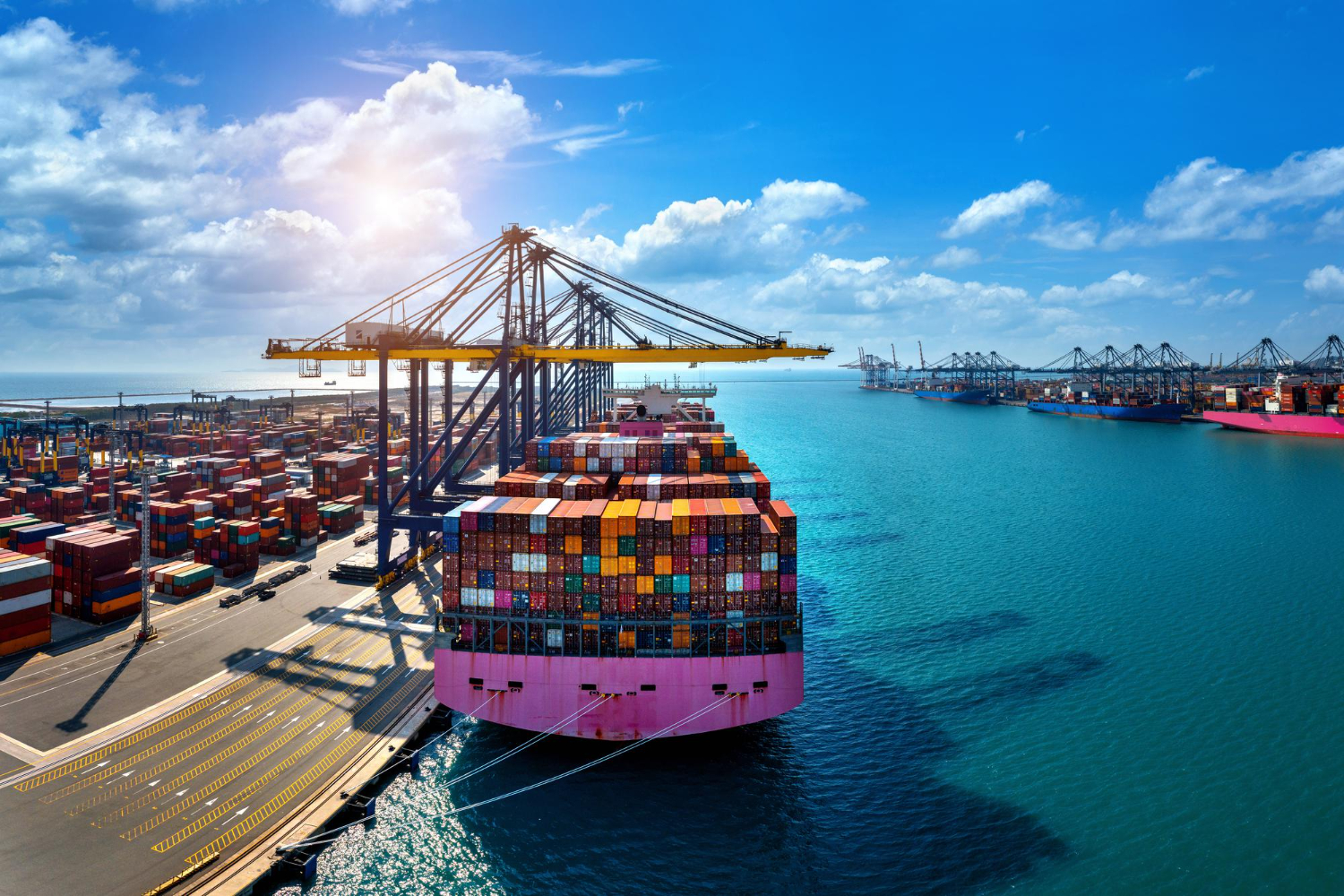
    The Port of Southampton is one of the UK’s busiest ports, handling millions of tonnes of cargo annually. It is a major gateway for container shipping, roll-on/roll-off (RoRo) vehicles, and cruise liners. Southampton’s strategic location makes it a preferred choice for businesses importing and exporting goods across Europe and beyond.

    Key Steps in the Customs Clearance Process

    To successfully navigate customs clearance in Southampton, businesses must follow a structured process:

    1. Preparing Import/Export Documents 📑

    Accurate documentation is the backbone of smooth customs clearance. Essential documents include:

    • Commercial Invoice – Details the value and description of the goods.
    • Packing List – Specifies the quantity and packaging details.
    • Bill of Lading (BOL) or Airway Bill – Proof of shipment.
    • Customs Declaration (C88 or Single Administrative Document – SAD) – Required for imports/exports.
    • Certificates of Origin – Needed for tariff benefits under trade agreements.
    • Import/Export Licences – For restricted goods such as food, chemicals, or electronics.

    2. Customs Duty and VAT Calculation 💰

    The UK government imposes import duties and VAT based on:
    The type of goods (classified under the Harmonized System – HS Code).
    The country of origin (some goods benefit from preferential trade agreements).
    The value of the shipment (including shipping costs).

    3. Customs Inspection & Clearance 🚢

    Goods entering Southampton may be subject to:

    • Routine Checks – Ensuring compliance with UK import/export laws.
    • Random Inspections – To detect prohibited or restricted items.
    • Special Inspections – Required for agricultural, food, or hazardous goods.

    Once cleared, goods receive a release notification and can be delivered to their final destination.

    Challenges in Customs Clearance & How to Overcome Them

    Despite its importance, customs clearance can be complex and time-consuming. Here are some challenges businesses face and how to solve them:

    1. Incorrect Documentation 📝❌

    Errors in invoices, declarations, or missing documents can cause delays and penalties.
    Solution: Work with experienced customs brokers to ensure all paperwork is accurate.

    2. Unexpected Customs Duties & VAT 💵

    Misclassification of goods can result in higher import duties.
    Solution: Use the correct HS Code and seek advice on tariff reductions under trade agreements.

    3. Compliance with Post-Brexit Rules 🇬🇧

    Brexit has introduced additional customs declarations for EU trade.
    Solution: Stay updated on UK-EU trade regulations or partner with a customs clearance expert.

    4. Delays at Southampton Port ⏳

    Congestion and slow customs processing can affect delivery times.
    Solution: Use pre-clearance services to speed up the process before arrival.

    Benefits of Using a Customs Clearance Agent in Southampton

    A customs clearance agent or freight forwarder can handle the entire clearance process on your behalf. Here’s why you should consider one:

    Expertise in Regulations – Ensures full compliance with UK Border Force rules.
    Time-Saving – Reduces paperwork and speeds up clearance.
    Cost Efficiency – Avoids penalties and optimizes duty payments.
    Seamless Logistics – Coordinates customs, transport, and warehousing.

    Top Industries That Rely on Customs Clearance in Southampton

    Several industries depend on efficient customs clearance for smooth trade operations, including:

    📦 Retail & E-Commerce – Importing products from global suppliers.
    🚗 Automotive – Shipping vehicles and spare parts through Southampton’s RoRo terminals.
    🍏 Food & Beverage – Importing/exporting fresh produce, wine, and dairy.
    🔬 Pharmaceuticals – Handling medical supplies and controlled substances.

    Choosing the Right Customs Clearance Company in Southampton

    When selecting a customs clearance service provider, consider:

    ✔️ Experience – Look for companies with years of handling UK imports/exports.
    ✔️ Accreditation – Ensure they are HMRC-approved and AEO-certified.
    ✔️ Technology – Use of digital customs clearance tools for faster processing.
    ✔️ 24/7 Support – Available for urgent shipments and queries.

    Final Thoughts

    Efficient customs clearance in Southampton is vital for smooth international trade. By understanding the clearance process, preparing the right documents, and partnering with customs clearance experts, businesses can avoid delays, reduce costs, and ensure seamless global operations.

    🚀 Need hassle-free customs clearance in Southampton? Contact a professional customs broker today!
  • Customs Clearance Felixstowe: A Complete Guide to Smooth Import & Export

    Customs Clearance Felixstowe: A Complete Guide to Smooth Import & Export

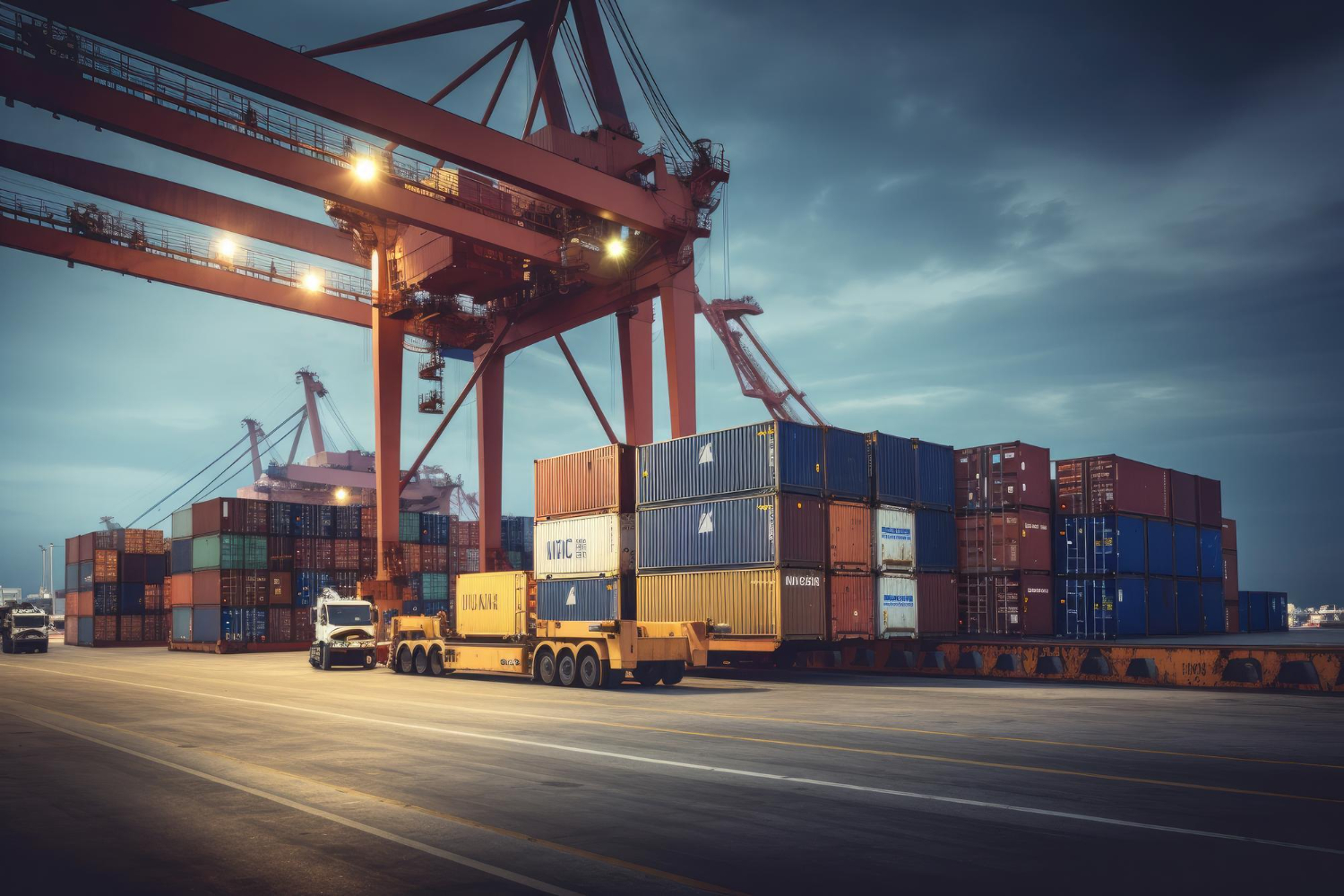
    Felixstowe is the UK’s busiest and most significant container port, handling nearly half of Britain’s containerized trade. If you’re an importer or exporter, understanding customs clearance at Felixstowe is crucial for smooth shipping operations. Navigating customs procedures efficiently can save time, reduce costs, and prevent unnecessary delays. In this guide, we will explore everything you need to know about customs clearance at Felixstowe, from essential documentation to key processes and expert tips.

    Why is Felixstowe Important for Customs Clearance?

    The Port of Felixstowe, strategically located on the east coast of England, serves as a major gateway for international trade. Its world-class infrastructure and advanced logistics make it an ideal choice for businesses dealing with global supply chains.

    Key reasons why Felixstowe plays a vital role in customs clearance:

    • Handles over 4 million TEUs (Twenty-foot Equivalent Units) annually
    • Direct shipping routes to major ports worldwide
    • Advanced customs processing systems
    • Proximity to major road and rail networks

    Understanding Customs Clearance at Felixstowe

    Customs clearance is the process of ensuring goods comply with UK regulations before they are imported or exported. It involves the submission of necessary documents, payment of duties and taxes, and compliance with legal standards.

    Essential Documents for Customs Clearance

    Whether you are importing or exporting, the following documents are critical for customs clearance at Felixstowe:

    1. Commercial Invoice – Details the value, quantity, and description of goods.
    2. Packing List – Provides specifics on packaging and weight.
    3. Bill of Lading (BOL) or Airway Bill – Confirms shipment details.
    4. Customs Declaration (C88/SAD Form) – Required for HMRC clearance.
    5. Import/Export Licenses (if applicable) – Necessary for restricted goods.
    6. Commodity Codes (HS Codes) – Determines duty and tax rates.
    7. EORI Number – A must for businesses trading internationally.
    8. Certificates of Origin – Required for trade agreements or preference claims.

    Customs Clearance Process at Felixstowe

    Step 1: Import Pre-Arrival Notification

    Before your goods arrive at Felixstowe, you must submit a pre-arrival notification via the Customs Handling of Import and Export Freight (CHIEF) system or the new Customs Declaration Service (CDS).

    Step 2: Submission of Declarations

    Importers must file an Import Declaration (C88), including all necessary supporting documents. The declaration must be accurate to avoid penalties or shipment delays.

    Step 3: Customs Duty & VAT Assessment

    HMRC assesses customs duty based on the declared value and the applicable commodity code (HS code). Import VAT is also calculated accordingly.

    Step 4: Inspection & Compliance Checks

    Goods may be randomly selected for customs inspection to ensure compliance with regulations. Certain products (e.g., food, pharmaceuticals, chemicals) may require additional checks by regulatory bodies.

    Step 5: Duty Payment & Release of Goods

    Once duty and VAT payments are processed, customs clearance is granted. The goods are released for delivery to their final destination.

    Post-Brexit Changes & Customs Clearance at Felixstowe

    The UK’s exit from the European Union introduced new customs procedures for EU trade. Key changes include:

    • Full Customs Declarations now required for all EU imports/exports.
    • Rules of Origin Compliance for preferential tariffs.
    • Border Control Post Checks for certain goods.
    • Postponed VAT Accounting (PVA) for import VAT.

    Businesses trading with the EU must stay updated with evolving customs regulations to ensure compliance.

    Common Challenges in Customs Clearance & How to Overcome Them

    1. Incomplete or Incorrect Documentation

    Incorrect details can lead to delays and fines. Solution: Work with an experienced customs broker to ensure all paperwork is accurate.

    2. Customs Delays & Congestion

    Felixstowe experiences high traffic, which can cause clearance delays. Solution: Use digital pre-clearance services and ensure documents are submitted in advance.

    3. Classification Errors (Wrong HS Codes)

    Incorrect classification can result in overpayment or legal issues. Solution: Refer to HMRC’s Trade Tariff Tool or consult an expert to determine the right HS code.

    4. High Import Duties & VAT Costs

    Unexpected duty rates can impact cost-effectiveness. Solution: Utilize available trade agreements, duty deferment schemes, or bonded warehousing.

    How a Customs Broker Can Help at Felixstowe

    Hiring a customs broker can streamline the clearance process, ensuring compliance and efficiency. Services offered by customs brokers include:

    • Customs declaration submissions
    • Duty & VAT calculations
    • Compliance audits
    • Document verification
    • Liaison with HMRC and port authorities

    Final Thoughts

    Navigating customs clearance at Felixstowe requires knowledge, preparation, and compliance with UK trade laws. By understanding the process, preparing accurate documentation, and leveraging expert customs brokers, businesses can ensure a hassle-free import/export experience.

    If you need professional customs clearance services at Felixstowe, partnering with an experienced customs expert can save time, reduce costs, and enhance efficiency in global trade.

    Stay informed, stay compliant, and make customs clearance at Felixstowe a seamless process!

  • Customs Clearance: A Comprehensive Guide for Smooth International Trade

    Customs Clearance: A Comprehensive Guide for Smooth International Trade

    In today’s globalized economy, businesses and individuals regularly import and export goods across international borders. One of the most critical aspects of this process is customs clearance—the procedure by which goods are authorized for import or export by a country’s customs authorities. Understanding customs clearance can help businesses avoid delays, penalties, and additional costs, ensuring a seamless movement of goods across borders.

    This guide provides a comprehensive overview of customs clearance, covering key concepts, necessary documentation, potential challenges, and best practices to ensure a smooth process.


    What is Customs Clearance?

    Customs clearance is the process of obtaining permission from government authorities for goods to enter or leave a country. This involves:

    • Declaring the goods to customs authorities
    • Paying applicable duties and taxes
    • Ensuring compliance with trade regulations

    Every country has its own set of customs rules, and non-compliance can lead to shipment delays, fines, or even confiscation of goods.


    Why is Customs Clearance Important?

    1. Regulatory Compliance: Ensures that imports and exports comply with the laws of both the exporting and importing countries.
    2. Revenue Generation: Governments collect duties and taxes to generate revenue.
    3. Safety and Security: Prevents illegal or unsafe goods from entering a country.
    4. Smooth Trade Operations: Reduces delays and ensures uninterrupted supply chain movement.

    Understanding and following customs regulations is crucial for businesses engaged in international trade.


    Key Documents Required for Customs Clearance

    To clear goods through customs, businesses and individuals must prepare and submit specific documents. The most common ones include:

    1. Commercial Invoice

    • A document issued by the seller listing the goods, their value, and terms of sale.

    2. Packing List

    • Details about the contents of the shipment, including weight, quantity, and packaging details.

    3. Bill of Lading (B/L) or Airway Bill (AWB)

    • A transportation document issued by the carrier that confirms the shipment of goods.

    4. Customs Declaration Form

    • Submitted to customs authorities, detailing the type, quantity, and value of goods being imported or exported.

    5. Import/Export Licenses (if required)

    • Some countries require special permits or licenses for certain goods.

    6. Certificate of Origin

    • Confirms where the goods were manufactured and may be needed to qualify for preferential tariffs under trade agreements.

    7. Insurance Certificate

    • Ensures coverage for goods in case of loss or damage during transit.

    Missing or incorrect documentation can lead to delays and additional charges, making it essential to verify all paperwork before shipment.


    The Customs Clearance Process

    1. Pre-Shipment Preparation

    • Verify all required documents and ensure compliance with import/export regulations.
    • Obtain necessary permits or certifications if required.
    • Arrange for proper packaging and labeling.

    2. Submission of Customs Declaration

    • The importer or their customs broker submits the customs declaration electronically or manually.
    • Customs authorities review the documents and assess duties, taxes, and tariffs.

    3. Customs Inspection (If Required)

    • Some shipments may be selected for inspection to verify compliance with regulations.
    • Inspection may involve checking documentation, physical examination, or scanning of goods.

    4. Duty and Tax Payment

    • Once cleared, the importer must pay any applicable customs duties, VAT, or other taxes before the goods are released.

    5. Release of Goods

    • After completing all procedures, customs authorities grant clearance, and the goods are released for delivery to the final destination.

    Understanding and preparing for each step in this process can help businesses minimize delays and unexpected costs.


    Common Challenges in Customs Clearance

    Despite careful planning, businesses may face several challenges during customs clearance. These include:

    1. High Duties and Tariffs

    • Some countries impose high import duties, which can significantly increase costs. Businesses should check applicable tariff rates before shipping.

    2. Complex Regulatory Requirements

    • Regulations vary across countries, and keeping up with changing trade policies can be challenging.

    3. Customs Delays

    • Delays may occur due to incomplete documentation, customs inspections, or changes in regulations.

    4. Restricted and Prohibited Goods

    • Certain products (e.g., hazardous materials, pharmaceuticals, or animal products) may have restrictions or require special permits.

    5. Currency and Exchange Rate Fluctuations

    • Unexpected currency fluctuations can impact the cost of duties and taxes, affecting profitability.

    Best Practices for Smooth Customs Clearance

    1. Work with an Experienced Customs Broker

    • A licensed customs broker can help navigate complex customs regulations, ensuring compliance and reducing delays.

    2. Classify Goods Accurately

    • Use the correct Harmonized System (HS) Code to determine duty rates and avoid penalties.

    3. Keep Up with Regulatory Changes

    • International trade regulations can change frequently; staying updated helps avoid unexpected issues.

    4. Maintain Proper Documentation

    • Double-check all customs documents to prevent errors that could lead to delays or fines.

    5. Understand Duty and Tax Exemptions

    • Some goods qualify for reduced duties under trade agreements; knowing these can save costs.

    6. Use Digital Solutions for Compliance

    • Many countries offer electronic customs clearance systems to speed up the process and reduce paperwork.

    The Role of Customs Brokers and Freight Forwarders

    Customs Brokers

    • Licensed professionals who specialize in customs regulations and documentation.
    • Assist with tariff classification, duty calculations, and customs clearance procedures.

    Freight Forwarders

    • Coordinate the transportation of goods across borders.
    • Work with customs brokers to ensure smooth clearance and delivery.

    Hiring professionals for customs clearance can help businesses focus on their core operations while ensuring compliance with international trade laws.


    Conclusion

    Customs clearance is a crucial aspect of international trade, ensuring compliance with import and export regulations while facilitating the smooth movement of goods across borders. Businesses and individuals must understand the customs clearance process, required documentation, and best practices to avoid delays and additional costs.

    By working with experienced customs brokers, staying informed about regulatory changes, and maintaining accurate documentation, businesses can streamline their customs clearance process and improve their overall trade efficiency.

    As global trade continues to evolve, keeping up with customs requirements and leveraging digital solutions will be key to staying competitive in the international market.

    For businesses looking to simplify their customs clearance process, investing in expert guidance and modern technology can make all the difference.