Category: Customs

  • Customs Clearance Agency UK: Navigating Global Trade with Ease

    Customs Clearance Agency UK: Navigating Global Trade with Ease

    In today’s fast-paced global economy, the ability to move goods efficiently and compliantly across borders is a critical component of international trade. The United Kingdom, with its dynamic import-export environment post-Brexit, demands accurate and timely customs procedures. For businesses looking to streamline their operations and avoid costly delays or fines, a Customs Clearance Agency in the UK can be an invaluable partner.

    This article explores the role of customs clearance agencies, their importance in UK trade, the services they offer, and how to choose the right agency for your business needs.


    Understanding Customs Clearance in the UK

    Customs clearance is the official process that allows goods to enter or leave a country. In the UK, this involves preparing and submitting documentation required by HM Revenue & Customs (HMRC), calculating duties and taxes, and ensuring compliance with relevant laws and regulations.

    After Brexit, the UK no longer benefits from the European Union’s customs union. This has significantly increased the complexity of customs procedures for businesses importing from or exporting to EU countries. As a result, many businesses have turned to customs clearance agencies to navigate these new rules.


    What Does a Customs Clearance Agency Do?

    A customs clearance agency acts as a liaison between your business and the government. They ensure your goods are declared properly, tariffs are calculated accurately, and shipments are cleared quickly. Here are the primary services they provide:

    1. Documentation Preparation

    Agencies prepare and manage the key documents required for customs, such as:

    • Commercial invoices
    • Packing lists
    • Bills of lading or airway bills
    • Certificates of origin
    • Import/export declarations

    2. Customs Declarations

    They submit the necessary customs declarations to HMRC using the UK’s Customs Declaration Service (CDS), which replaced the older CHIEF system.

    3. Tariff Classification

    Using the Harmonized System (HS) code, agencies ensure that your goods are classified correctly. This is crucial to determine the correct duty and VAT rate.

    4. Duty and VAT Calculation

    Customs agents calculate and arrange payment of import duties, VAT, and any applicable levies on your behalf.

    5. Compliance and Risk Management

    Agencies monitor compliance with UK customs regulations, helping reduce the risk of fines, seizures, or other legal consequences.

    6. Advisory Services

    They provide guidance on trade agreements, customs procedures, and logistics planning. This is especially valuable for businesses new to international shipping.


    Why Hire a Customs Clearance Agency in the UK?

    1. Expertise in Post-Brexit Regulations

    The UK’s departure from the EU has made customs procedures more complicated, particularly for businesses used to frictionless trade within Europe. A clearance agency stays up to date with changes in legislation and procedures, ensuring your operations remain compliant.

    2. Time and Cost Efficiency

    Preparing customs documents and understanding tariff codes can be time-consuming. Errors can lead to shipment delays or penalties. Agencies streamline the process and reduce the risk of costly mistakes.

    3. Faster Customs Processing

    Experienced customs agents know how to get your goods cleared faster, reducing lead times and enhancing your supply chain efficiency.

    4. Access to Professional Networks

    Many agencies have strong connections with freight forwarders, port authorities, and logistics providers, offering you seamless end-to-end service.


    Customs Procedures in the UK: Key Considerations

    Before goods are cleared through customs, several factors must be considered:

    1. EORI Number

    Businesses involved in imports or exports must have an Economic Operators Registration and Identification (EORI) number issued by HMRC.

    2. Trade Agreements

    Understanding whether your goods are eligible for preferential treatment under trade agreements like the UK-EU Trade and Cooperation Agreement can reduce duties.

    3. Licences and Certificates

    Certain goods—such as food, chemicals, or electronics—may require special import licenses or conformity certificates.

    4. Rules of Origin

    The origin of a product affects duty rates. Customs agencies ensure goods meet the criteria for reduced tariffs under specific trade deals.


    Industries That Rely on Customs Clearance Services

    Various sectors in the UK depend on customs clearance agencies to ensure smooth international trade:

    • Retail and E-commerce: For importing fashion, electronics, and home goods.
    • Automotive: Managing complex parts shipments and trade agreements.
    • Pharmaceuticals and Healthcare: Ensuring fast-track clearance for medical goods.
    • Food and Beverage: Navigating perishable imports and sanitary regulations.
    • Manufacturing: Handling bulk raw material imports with accuracy.

    Choosing the Right Customs Clearance Agency in the UK

    Finding the right customs partner can significantly impact your business success. Here are some tips to consider:

    1. Accreditation and Experience

    Ensure the agency is HMRC-approved and has years of experience handling goods in your specific industry.

    2. Technological Capabilities

    The best agencies use digital platforms integrated with the Customs Declaration Service (CDS) and can provide real-time tracking and documentation.

    3. Customer Support

    Look for a provider with responsive support, especially during critical shipping periods. 24/7 availability is a bonus.

    4. Transparent Pricing

    Choose an agency that offers clear pricing models without hidden fees. Clarify whether duties, taxes, and agency fees are included.

    5. Comprehensive Services

    A one-stop-shop agency that provides freight forwarding, warehousing, and consultancy adds more value and reduces coordination issues.


    Top Customs Clearance Agencies in the UK

    While several players operate in the UK customs space, a few well-established names include:

    • Global Customs Clearance LtdGlobal Customs Clearance Ltd delivers top-tier customer service and high-quality results.
    • Kuehne + Nagel – Offers global freight and customs services.
    • ChamberCustoms – A trusted agency operated by British Chambers of Commerce.
    • GEFCO UK – Specialises in automotive and industrial logistics.
    • UK Import Services Ltd. – Focuses on full UK import customs clearance.

    Each of these agencies offers different strengths, so choose one aligned with your operational scale and sector.


    Customs Clearance for SMEs and E-commerce Businesses

    Small and medium-sized enterprises (SMEs) often lack in-house customs expertise. Agencies provide tailored support, helping them expand into new markets without hiring dedicated staff.

    Similarly, e-commerce businesses benefit from fast customs processing to meet customer delivery expectations. With global dropshipping and multi-country fulfilment, customs agencies simplify VAT registration and duty payments, especially with services like IOSS (Import One Stop Shop).


    The Future of Customs Clearance in the UK

    With increasing digitisation and automation, the future of customs clearance is moving towards:

    • AI-driven classification tools
    • Integrated trade compliance platforms
    • Blockchain-enabled trade records
    • Paperless border control processes

    HMRC’s move to CDS is part of this digital transition, and customs agencies that invest in tech will offer faster, more accurate services.

    Sustainability is also influencing customs trends. Agencies may soon help businesses with carbon tracking and green logistics certifications as part of customs documentation.


    Conclusion

    Navigating customs in the UK—especially in a post-Brexit, globalised market—requires precision, experience, and up-to-date knowledge. Whether you are a seasoned multinational or a new e-commerce seller, working with a reputable Customs Clearance Agency UK ensures your goods move smoothly, legally, and on time.

    By outsourcing customs processes to experts, businesses can focus on growth and strategy while leaving regulatory compliance and documentation to the professionals. As global trade evolves, the right customs partner will be key to unlocking new markets and maintaining a competitive edge.
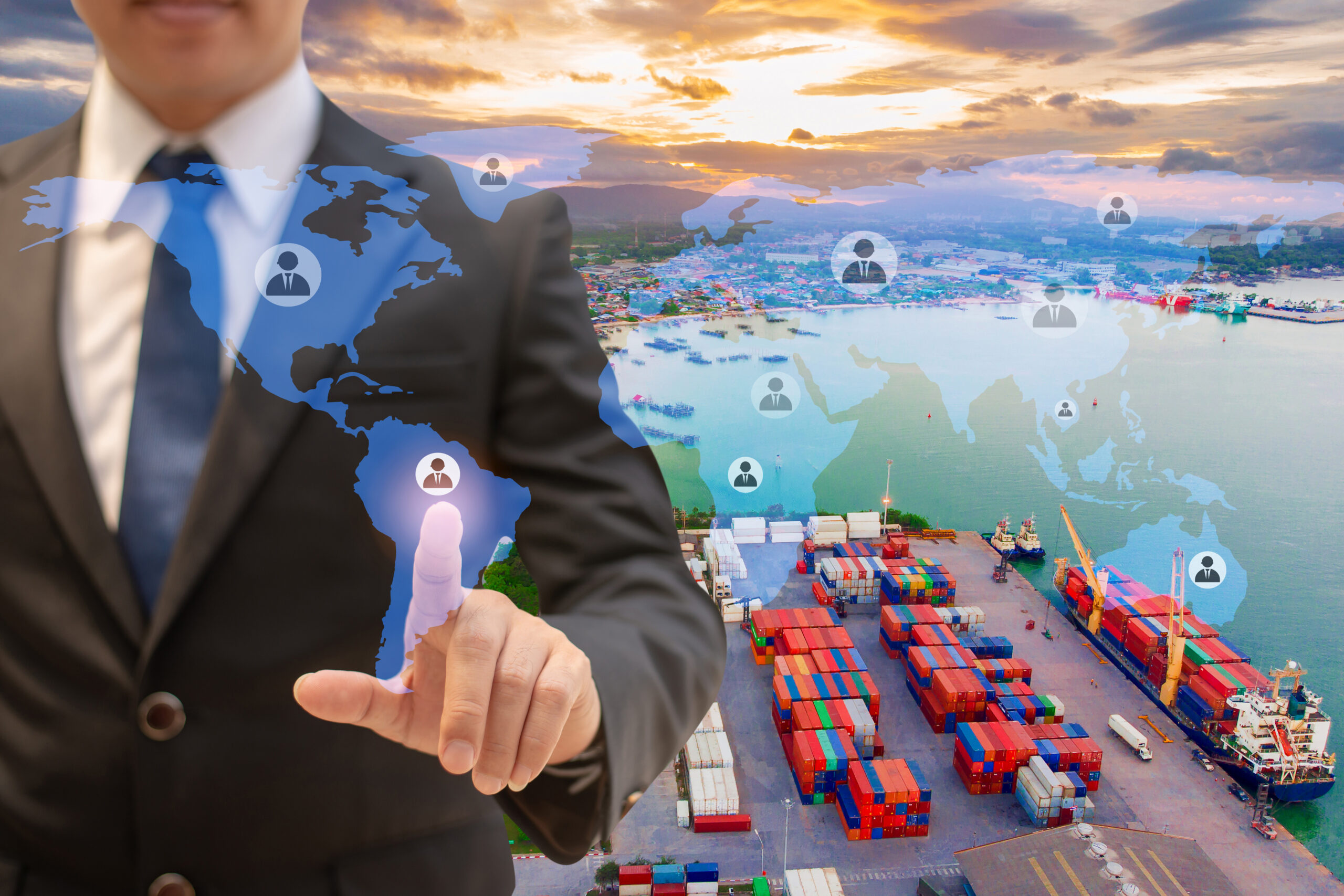
  • Customs Clearance London Gateway: Your Complete Guide to Hassle-Free Import & Export

    Customs Clearance London Gateway: Your Complete Guide to Hassle-Free Import & Export

    As international trade continues to expand rapidly, efficient customs clearance has become crucial for businesses importing or exporting goods through the UK. One of the most significant logistics hubs for freight in the country is London Gateway Port—a deep-sea container port and logistics park situated on the Thames Estuary in Essex. If you’re moving cargo in or out of the UK, understanding how customs clearance at London Gateway works is essential for smooth and compliant trade operations.

    In this comprehensive guide, we’ll break down the customs clearance process, the role of freight forwarders and brokers, key documentation required, and how to streamline your logistics at London Gateway Port.


    What is Customs Clearance?

    Customs clearance is the process of preparing and submitting the necessary documentation to gain permission from government authorities to import or export goods. This includes ensuring all duties, taxes, and compliance regulations are met.

    At London Gateway, customs clearance involves collaboration between HMRC (Her Majesty’s Revenue and Customs), port authorities, shipping companies, and customs brokers to ensure cargo moves legally and efficiently across borders.


    Why London Gateway Matters for UK Trade

    London Gateway is one of the UK’s most advanced and strategically located ports. Owned and operated by DP World, it offers unmatched connectivity, deep-sea access, and a high-tech logistics park. Here’s why it’s a preferred hub for customs clearance:

    • Proximity to London and major UK markets
    • Fast rail and road connectivity to major cities
    • State-of-the-art container handling equipment
    • Streamlined digital systems for port operations

    These features make London Gateway a vital choice for importers and exporters seeking speed, reliability, and transparency.


    Step-by-Step Customs Clearance Process at London Gateway

    Understanding each phase of the clearance process helps avoid delays and penalties. Here’s a step-by-step look:

    1. Pre-Arrival Preparation

    Before the shipment arrives, your customs broker or freight forwarder submits a Customs Declaration via the Customs Declaration Service (CDS). Key information includes:

    • Commodity codes
    • Value of goods
    • Country of origin
    • Applicable duties and VAT
    • Incoterms and shipping details

    2. Arrival at Port

    Once your container arrives at London Gateway, port systems will notify the broker or declarant. Goods will undergo:

    • Risk assessment
    • Customs examination (if flagged)
    • Possible document or physical checks

    3. Duties and Tax Payment

    If applicable, duties and VAT are paid electronically through CDS. Businesses can use a Deferment Account or pay through the customs agent.

    4. Release of Goods

    Upon approval and payment, the cargo is released for transport. If a consignment is held, customs will notify you with the reason—such as missing documents or classification errors.


    Key Documents Required for Customs Clearance

    Accuracy in documentation is critical. The following are commonly needed:

    • Commercial Invoice: Details the goods, value, buyer, and seller.
    • Bill of Lading or Airway Bill
    • Packing List
    • Import or Export Declaration
    • Certificate of Origin (if required)
    • Commodity Codes (HS Codes)
    • EORI Number: All businesses importing/exporting from the UK need one.

    Errors in any of these documents can lead to shipment delays, additional costs, or penalties.


    Common Customs Challenges at London Gateway

    Even at a highly efficient port like London Gateway, customs issues can arise. Here are frequent hurdles businesses face:

    • Incomplete or Incorrect Declarations

    Mistakes in commodity codes, valuations, or origin details can trigger audits or rejections.

    • Delays in Duty Payment

    Failure to prearrange payment methods can delay goods being released.

    • Documentary Discrepancies

    Inconsistencies between commercial invoice and customs declarations are red flags for HMRC.

    • Lack of Pre-clearance Preparation

    Many businesses underestimate the importance of advance customs planning.


    Role of Customs Brokers at London Gateway

    To navigate the customs maze, most importers and exporters work with customs clearance agents or brokers. These professionals are licensed to handle all clearance tasks on your behalf. At London Gateway, brokers:

    • Classify goods correctly under UK Tariff
    • Ensure VAT and duties are accurately calculated
    • Submit declarations through the CDS
    • Communicate with HMRC on inspections or document issues
    • Arrange for post-clearance audits or appeals if needed

    A reliable customs broker ensures compliance while saving time and reducing costs.


    Why Choose London Gateway for Your Customs Needs?

    With high-volume capacity and cutting-edge technology, London Gateway stands out in the UK’s customs and logistics infrastructure. Here are some of its unique advantages:

    1. Integrated Logistics Hub

    The co-located logistics park reduces the time between container arrival and inland distribution.

    2. Digital Customs Interface

    DP World’s advanced digital tools allow for real-time tracking, slot bookings, and electronic document submission.

    3. Fast Turnaround Time

    London Gateway is engineered for efficiency, minimizing container dwell time and customs delays.

    4. Dedicated Customs Support

    With onsite customs professionals and agents, you receive quick resolutions to queries or documentation problems.


    Tips for Efficient Customs Clearance at London Gateway

    To ensure your imports or exports are processed without a hitch, follow these best practices:

    • Partner with a certified customs broker experienced with UK regulations.
    • Plan ahead: Submit documentation before cargo arrival.
    • Use the correct HS codes and double-check origin declarations.
    • Leverage digital tools provided by the port or your broker.
    • Monitor changes in trade rules (e.g., Brexit updates, sanctions, etc.).

    Being proactive saves money, time, and stress in the long run.


    Post-Brexit Considerations for Customs Clearance

    Since Brexit, UK customs processes have changed significantly. Goods moving between the EU and UK now require full customs declarations. London Gateway, being a global hub, has adapted with:

    • Dedicated Brexit transition teams
    • Trader Support Service (TSS)
    • Expert handling of UK-EU shipments

    Businesses must stay informed about evolving trade agreements and ensure their brokers are up-to-date with the latest rules.


    Conclusion: Make Customs Clearance at London Gateway Seamless

    Whether you’re importing electronics from Asia or exporting food to the EU, customs clearance at London Gateway is a vital step in your logistics chain. With the right preparation, accurate documentation, and the help of professional customs brokers, your goods can move through the port efficiently and without hassle.

    London Gateway’s strategic location, world-class infrastructure, and streamlined customs operations make it the perfect gateway to UK and international markets.


    Need Help with Customs Clearance at London Gateway?

    Partner with experienced customs agents who understand the intricacies of UK trade. From document handling to post-clearance support, we ensure your cargo moves smoothly, compliantly, and on schedule.

    Contact us today for a free customs clearance consultation.

  • Navigating Imports and Exports with Ease: Choosing the Best Customs Clearance Agency in the UK

    Navigating Imports and Exports with Ease: Choosing the Best Customs Clearance Agency in the UK

    In the ever-evolving world of international trade, businesses need a trusted partner to navigate the complex landscape of customs regulations. A customs clearance agency UK acts as your bridge between global markets and local compliance, ensuring your goods move swiftly and legally. But how do you choose the right one?


    Why You Need a Customs Clearance Agency in the UK

    Handling customs procedures can be overwhelming, especially when dealing with tight deadlines and unfamiliar laws. A professional customs clearance agency simplifies the process by:

    • Ensuring documentation is accurate and complete
    • Minimising delays at the border
    • Advising on tariffs and duties
    • Helping you stay compliant with UK and international laws

    Key Services Offered by Top UK Customs Clearance Agencies

    The best agencies offer a full suite of services to streamline your logistics, including:

    • Import & Export Declarations: Timely filing with HMRC for all types of goods
    • Tariff Consultancy: Guidance on duty rates and classification codes
    • Freight Forwarding Support: Integration with logistics and warehousing
    • Customs Compliance Audits: Reduce the risk of penalties
    • Intrastat & NES Declarations: For EU and non-EU trade reporting

    What to Look for in a UK Customs Clearance Partner

    When selecting your agency, consider:

    • Experience & Reputation: Look for FTA or BIFA-certified agents
    • Speed & Accuracy: Can they handle urgent shipments?
    • Technology: Do they use automated systems for faster processing?
    • Customer Support: Round-the-clock communication is key

    Top Industries That Rely on UK Customs Clearance Agencies

    • E-commerce: Fast-moving goods need faster customs solutions
    • Pharmaceuticals: High compliance and cold chain logistics
    • Automotive: Handling complex components and parts
    • Food & Beverage: Compliance with health and safety regulations

    Why Choose a Local UK-Based Customs Agency?

    Working with a UK-based agency provides:

    • In-depth knowledge of HMRC regulations
    • Strong relationships with UK ports and authorities
    • On-the-ground support and faster issue resolution

    Final Thoughts

    The right customs clearance agency in the UK can be a game-changer for your business. From speeding up your import/export operations to keeping you compliant, their expertise saves time, reduces costs, and keeps your supply chain running smoothly.


    Need Help with Customs in the UK?
    Choose an agency with proven experience, innovative solutions, and a client-first approach. Make your next shipment stress-free!

  • Navigating Customs with Ease: An In-Depth Look at Customs Clearance Limited UK

    Navigating Customs with Ease: An In-Depth Look at Customs Clearance Limited UK

    In the fast-paced world of global trade, efficient customs clearance is vital. Businesses involved in importing and exporting goods often face challenges navigating complex customs regulations. This is where Customs Clearance Limited UK steps in, offering professional services that simplify the customs process and ensure compliance. In this article, we explore the role, benefits, and services of Customs Clearance Limited UK.

    What is Customs Clearance Limited UK? Customs Clearance Limited UK is a reputable company specializing in providing customs clearance services for businesses of all sizes. Based in the United Kingdom, the company assists importers and exporters by handling the paperwork, compliance, and logistics associated with moving goods across borders. Their expertise ensures that businesses can efficiently manage customs processes without delays or legal issues.

    Why Choose Customs Clearance Limited UK? Choosing the right customs clearance partner is crucial for business success. Customs Clearance Limited UK stands out due to its commitment to accuracy, efficiency, and customer satisfaction. Their team of experts is well-versed in UK customs regulations, international trade laws, and the necessary documentation. By partnering with them, businesses can save time, minimize risks, and avoid costly delays.

    Key Services Offered

    1. Import and Export Declarations: Ensuring all necessary documents are filed correctly.
    2. Duty and VAT Calculation: Accurate assessment of duties and taxes.
    3. Customs Compliance: Adhering to UK and international trade regulations.
    4. Freight Forwarding Support: Coordinating the movement of goods through various modes of transport.
    5. EORI Registration Assistance: Helping businesses obtain the required Economic Operator Registration and Identification.
    6. Customs Consultancy: Offering advice on best practices and compliance strategies.

    Benefits of Partnering with Customs Clearance Limited UK

    • Reduced Risk: Proper documentation and compliance reduce the risk of penalties.
    • Cost Efficiency: Streamlined processes minimize delays and associated costs.
    • Expertise: In-depth knowledge of UK customs regulations.
    • Customized Solutions: Tailored services to meet specific business needs.
    • Real-Time Updates: Transparent communication throughout the clearance process.

    Customer Success Stories Many businesses have benefited from the reliable services of Customs Clearance Limited UK. One client, an electronics importer, reported significant time savings and a reduction in customs-related issues after partnering with the company. Another client in the food and beverage industry praised the team for their attention to detail and proactive approach to compliance.

    How to Get Started To take advantage of their professional services, businesses can contact Customs Clearance Limited UK through their website or phone. The process typically begins with an initial consultation, where experts assess the specific needs and offer tailored solutions. From there, the company handles documentation, communication with customs authorities, and real-time tracking of shipments.

    Conclusion Customs Clearance Limited UK has positioned itself as a leading partner for businesses navigating the complexities of customs procedures. Their dedication to accuracy, compliance, and customer satisfaction makes them a valuable asset in the global trade ecosystem. Whether importing or exporting, partnering with a trusted customs clearance provider like Customs Clearance Limited UK can make all the difference in maintaining smooth and compliant operations.

    For more information, visit Customs Clearance Limited UK or contact their customer support team today.

  • Customs Clearance Agents UK: Streamlining Your Import and Export Operations

    Customs Clearance Agents UK: Streamlining Your Import and Export Operations

    Customs clearance is a crucial process for businesses involved in importing and exporting goods. Navigating customs regulations can be daunting, especially in the UK, where compliance is essential. This is where customs clearance agents come in, providing professional support to ensure smooth and compliant border crossings. In this article, we will explore the role of customs clearance agents in the UK, their benefits, and how to choose the right one for your business.

    Understanding Customs Clearance Agents Customs clearance agents are specialized professionals who assist businesses in completing the necessary procedures to move goods across international borders. They are experts in customs regulations, documentation, and ensuring compliance with local laws. In the UK, customs clearance is essential for both imports and exports, making agents indispensable for companies engaged in international trade.

    The Role of Customs Clearance Agents Customs clearance agents perform several critical functions, including:

    • Preparing and submitting customs documentation.
    • Ensuring compliance with UK customs laws and regulations.
    • Paying duties, taxes, and other fees on behalf of clients.
    • Coordinating with customs authorities to resolve issues.
    • Managing paperwork for various transportation methods (air, sea, and road).
    • Offering guidance on import/export restrictions.

    Benefits of Hiring Customs Clearance Agents

    1. Time Efficiency: Professional agents save businesses time by handling complex paperwork.
    2. Cost Savings: Avoiding delays and fines reduces overall costs.
    3. Expert Knowledge: Agents stay updated on changing regulations, minimizing risks.
    4. Risk Mitigation: Proper handling of customs duties and taxes prevents financial penalties.
    5. Smooth Operations: Reduced delays and seamless customs processes.

    How to Choose the Right Agent

    • Look for experience in your specific industry.
    • Verify credentials and licenses.
    • Consider the scope of services offered.
    • Check client reviews and testimonials.
    • Ensure they have a robust digital documentation system.

    Common Challenges and Solutions Customs procedures can be complex, with challenges such as incomplete documentation, unexpected charges, and delays. An experienced customs clearance agent can anticipate these issues and provide practical solutions, such as pre-clearance services and real-time tracking of shipments.

    The Future of Customs Clearance in the UK With evolving trade agreements and post-Brexit regulations, customs clearance in the UK continues to face challenges. Businesses must adapt to new rules, and working with knowledgeable agents can help navigate this dynamic landscape.

    Conclusion Hiring a reliable customs clearance agent is essential for businesses engaged in international trade. Their expertise ensures compliance, reduces costs, and minimizes delays. By choosing the right agent, companies can streamline their customs processes and focus on growth.

  • Customs Clearance Liverpool: Navigating the Complexities of International Trade

    Customs Clearance Liverpool: Navigating the Complexities of International Trade

    Liverpool, with its rich maritime history and bustling port, serves as a vital gateway for international trade in the UK. As a hub for import and export, the city witnesses a vast volume of goods moving through its docks daily. One critical process that ensures the smooth movement of these goods is customs clearance. For businesses engaging in international trade, understanding customs clearance in Liverpool is essential for seamless operations.

    Understanding Customs Clearance

    Customs clearance is the process of obtaining permission to move goods across international borders. It involves a series of formalities and procedures required by customs authorities to ensure that imported and exported goods comply with local and international regulations. The primary aim of customs clearance is to protect the country’s economy and security by regulating goods entering and leaving the borders.

    Why is Customs Clearance Important?

    Customs clearance is not just a bureaucratic step; it plays a vital role in international trade. Proper customs procedures prevent illegal activities such as smuggling and ensure that the right taxes and duties are collected. Any delays or errors during customs clearance can result in penalties, fines, or even the confiscation of goods.

    Key Steps in the Customs Clearance Process

    1. Documentation Preparation: Proper documentation is crucial for hassle-free customs clearance. Essential documents include invoices, packing lists, bills of lading, and certificates of origin.
    2. Customs Declarations: Accurate and timely filing of customs declarations is necessary. These declarations provide details about the goods, including quantity, value, and origin.
    3. Duty and Tax Calculation: Import duties, VAT, and other taxes are calculated based on the type and value of the goods.
    4. Goods Inspection: Customs officers may inspect the goods to ensure compliance with regulations.
    5. Release of Goods: Once cleared, the goods are released for delivery to the final destination.

    Challenges in Customs Clearance

    Customs clearance in Liverpool can present challenges, especially for businesses unfamiliar with regulations. Common issues include inaccurate documentation, misclassification of goods, and delays due to non-compliance. Working with experienced customs brokers can significantly reduce these challenges by handling paperwork and ensuring regulatory compliance.

    The Role of Customs Brokers

    Customs brokers are professionals who assist businesses in navigating the complexities of customs clearance. They ensure that all documentation is accurate and complete, classify goods correctly, and manage duty payments. Hiring a customs broker in Liverpool can save time, reduce errors, and streamline the entire process.

    How to Choose the Right Customs Clearance Service in Liverpool

    1. Experience: Look for a company with extensive experience in handling customs clearance for your type of goods.
    2. Reputation: Check reviews and testimonials to gauge customer satisfaction.
    3. Accreditation: Ensure the service provider is accredited and complies with local and international standards.
    4. Cost Efficiency: Compare rates to ensure that you receive value for your investment.

    Benefits of Professional Customs Clearance

    • Time Efficiency: Avoid delays with professional handling.
    • Compliance Assurance: Reduce the risk of fines and penalties.
    • Cost Savings: Optimize tax and duty payments.
    • Expert Advice: Gain insights into regulations and best practices.

    Conclusion

    Customs clearance in Liverpool is a complex yet essential process for businesses engaged in international trade. By partnering with a reputable customs broker, companies can navigate the challenges efficiently, ensuring that goods reach their destination on time and without hassle. Whether you are importing or exporting, understanding the clearance process and choosing the right partner can make a significant difference in your business’s success.

  • Customs Clearance Southampton: Your Complete Guide to Smooth and Efficient Processing

    Customs Clearance Southampton: Your Complete Guide to Smooth and Efficient Processing

    When it comes to international trade, customs clearance can be a daunting process. In Southampton, a major UK port, efficient customs clearance is vital for businesses that rely on importing and exporting goods. Whether you’re a first-time importer or a seasoned exporter, understanding customs clearance in Southampton can save you time, money, and hassle.

    Understanding Customs Clearance

    Customs clearance is the process of ensuring that goods entering or leaving the country comply with all local and international regulations. This process involves submitting documents, paying duties and taxes, and undergoing inspections. In Southampton, one of the UK’s busiest ports, efficient customs clearance is crucial for maintaining the supply chain.

    Why Choose Southampton for Your Import and Export Needs?

    Southampton is strategically located on the south coast of England, making it one of the country’s busiest and most important ports. It handles a vast array of goods, from automotive imports to food and textiles. Choosing Southampton for your customs clearance needs means access to excellent logistics, experienced customs brokers, and streamlined port facilities.

    Key Steps in the Customs Clearance Process

    1. Documentation Preparation: Ensure you have the necessary paperwork, including invoices, shipping documents, and certificates of origin.
    2. Duty and Tax Calculation: Accurately calculate the customs duties and taxes based on the goods being imported or exported.
    3. Customs Declaration: Submit the relevant documentation to HM Revenue and Customs (HMRC) through the correct channels.
    4. Inspection and Compliance: Be prepared for potential physical inspections and ensure your goods comply with UK regulations.
    5. Duty Payment and Release: Once duties are paid, your goods are cleared for release.

    Challenges in Customs Clearance

    While Southampton offers robust infrastructure, businesses can still face challenges, including:

    • Complex Regulations: Customs rules can change frequently, especially post-Brexit.
    • Delays and Inspections: Unforeseen delays can disrupt your supply chain.
    • Documentation Errors: Missing or incorrect documents can lead to fines or seized shipments.

    How to Streamline Your Customs Clearance

    Working with a professional customs broker can simplify the process. These experts have the experience to handle the paperwork, calculate duties, and ensure compliance. Partnering with a local specialist in Southampton means quicker resolution of issues and reduced risk of delays.

    Benefits of Professional Customs Clearance Services

    • Accuracy: Minimize the risk of errors with expert document handling.
    • Speed: Faster processing reduces transit times.
    • Cost Efficiency: Avoid fines and reduce operational costs with expert guidance.
    • Compliance Assurance: Stay updated with the latest regulations and requirements.

    Why Choose Us for Customs Clearance in Southampton

    Our team of customs clearance specialists offers comprehensive support, including document verification, duty calculations, and regulatory compliance checks. With years of experience, we ensure your goods move seamlessly through Southampton’s busy port.

    Final Thoughts

    Customs clearance in Southampton doesn’t have to be a headache. By understanding the process and working with experienced professionals, you can ensure smooth and efficient clearance every time. Whether importing cars or exporting machinery, partnering with experts can save you time, money, and stress.

    Contact us today to learn how we can simplify your customs clearance process in Southampton!

  • Simplifying Customs Clearance in Felixstowe: A Complete Guide for Importers and Exporters

    Simplifying Customs Clearance in Felixstowe: A Complete Guide for Importers and Exporters

    Felixstowe is the UK’s busiest container port and a critical gateway for international trade. If your business deals with imports or exports through this port, customs clearance in Felixstowe is a crucial step that determines how smoothly your goods flow across borders. Navigating customs procedures can be complex, but with the right knowledge and support, you can avoid costly delays and penalties.

    This comprehensive guide covers everything you need to know about customs clearance at Felixstowe—whether you’re a first-time importer or a seasoned global trader.


    Why Felixstowe Matters in Global Trade

    Port of Felixstowe handles over 40% of the UK’s container traffic, making it a major hub for global shipping. It connects the UK to more than 700 ports worldwide, serving a wide range of industries—from automotive and retail to food and manufacturing.

    With such high traffic, ensuring efficient customs clearance at Felixstowe is not just a matter of convenience—it’s a business-critical priority. Delays at customs can lead to missed deadlines, unhappy customers, and increased costs.


    What is Customs Clearance?

    Customs clearance is the process of ensuring your goods meet all the legal requirements before they can enter or leave the UK. This includes:

    • Preparing and submitting documentation
    • Paying duties and taxes
    • Complying with import/export regulations
    • Coordinating with customs brokers or freight forwarders

    At Felixstowe, this process is managed in cooperation with HM Revenue and Customs (HMRC) and involves close communication with shipping agents, logistics providers, and customs officials.


    Step-by-Step Process of Customs Clearance in Felixstowe

    1. Pre-Arrival Documentation

    Before your goods even reach the port, documentation must be prepared, including:

    • Commercial invoice
    • Packing list
    • Bill of lading or airway bill
    • Import or export declarations
    • Certificates of origin or conformity (if applicable)

    Working with a professional customs clearance agent ensures that all paperwork is accurate and compliant.

    2. Customs Declaration Submission

    Your declaration must be submitted electronically through the Customs Declaration Service (CDS). This system checks your entries against various risk profiles and determines whether your shipment can pass freely or needs further inspection.

    3. Duty and Tax Assessment

    HMRC calculates applicable customs duties and VAT based on:

    • Commodity codes
    • Country of origin
    • Declared value

    Failing to classify your goods correctly can result in underpayment or penalties, so this step must be handled with precision.

    4. Physical Inspection (if required)

    Some shipments may be flagged for inspection. HMRC may check for prohibited items, verify declared values, or confirm compliance with UK standards. Your customs agent will liaise with customs officers to facilitate the process.

    5. Release of Goods

    Once all checks are complete and payments made, your goods are cleared for release. From here, they can be transported to their final destination within the UK or abroad.


    Why Choose Professional Customs Clearance Services in Felixstowe?

    Attempting to handle customs clearance without expert support can lead to unnecessary delays, documentation errors, and fines. Here’s why businesses rely on professional customs brokers:

    ✅ Speed and Efficiency

    Clearance agents know the ins and outs of the process and can expedite your shipments, avoiding costly hold-ups at the port.

    ✅ Regulatory Compliance

    UK customs laws are strict and constantly evolving. Experts stay updated on all changes to keep your shipments compliant.

    ✅ Accurate Documentation

    Mistakes in paperwork are one of the leading causes of delays. Professional agents ensure accuracy and completeness.

    ✅ Cost Control

    Proper classification and duty optimization can save you money on import taxes and avoid unexpected charges.


    Common Challenges with Customs Clearance at Felixstowe

    Even experienced traders can face hurdles during the clearance process. Some common issues include:

    ❌ Misclassified Goods

    Choosing the wrong commodity code can lead to overpayment or underpayment of duties.

    ❌ Incomplete Paperwork

    Missing or incorrect documentation leads to customs holds, which can delay shipments by days or even weeks.

    ❌ Poor Communication

    Failure to coordinate between freight forwarders, brokers, and customs officials can cause costly bottlenecks.

    ❌ Compliance Gaps

    Failure to meet UK import regulations—such as product safety or environmental standards—can result in fines or rejected entries.


    How to Choose the Right Customs Clearance Partner in Felixstowe

    Selecting a reliable customs clearance provider is essential for hassle-free trade. Here are key factors to consider:

    🟩 Experience & Reputation

    Choose a provider with a proven track record of successful clearances at Felixstowe. Look for positive reviews and case studies.

    🟩 Customs Software & Technology

    A tech-enabled provider who uses CDS-integrated systems can streamline the process and reduce manual errors.

    🟩 24/7 Availability

    International trade operates around the clock. Your clearance agent should be available for support whenever issues arise.

    🟩 Multi-Modal Expertise

    If your goods travel by sea, air, or road, ensure your partner has experience across all logistics channels.


    Brexit and Its Impact on Customs at Felixstowe

    The UK’s exit from the EU has transformed the customs landscape. Previously frictionless trade with EU countries now requires full customs declarations, duties, and checks—just like shipments from outside the EU.

    If you’re trading with Europe, customs clearance in Felixstowe is now just as important as it is for trade with Asia or the Americas.


    Specialized Services Offered by Felixstowe Clearance Agents

    Many customs agents offer tailored services beyond basic declarations, including:

    • T1 Transit Documents
    • Temporary Imports (ATA Carnets)
    • Export Declarations & Licensing
    • Import VAT Deferment Account Support
    • Customs Freight Simplified Procedures (CFSP)
    • Bonded Warehousing Coordination

    These additional services help reduce costs, improve compliance, and enhance logistics efficiency.


    Final Thoughts: Streamline Your Imports and Exports

    Felixstowe is a vital artery in the UK’s trade network. Navigating customs at this port can seem daunting, but with the right support, your business can thrive in international markets.

    Whether you’re a small importer or a large multinational, customs clearance in Felixstowe should never be left to guesswork. The right clearance partner will ensure your goods move swiftly, legally, and cost-effectively through the UK’s busiest port.


    Partner with Professionals You Can Trust

    If you want to simplify the process, reduce delays, and focus on growing your business, consider partnering with a trusted customs clearance provider. From paperwork to compliance, they handle the heavy lifting so you don’t have to.

    Make every shipment a success—starting with smooth customs clearance at Felixstowe.

  • Customs Clearance Southampton: A Comprehensive Guide for Efficient Import & Export

    Customs Clearance Southampton: A Comprehensive Guide for Efficient Import & Export

    Southampton, a major UK port city, stands as a gateway for global trade. As international shipments pass through its busy terminals daily, efficient customs clearance becomes critical for businesses aiming to stay competitive and compliant. Whether you’re an importer, exporter, freight forwarder, or logistics manager, understanding the ins and outs of customs clearance in Southampton is essential.

    This article explores the key aspects of customs clearance in Southampton, the documentation needed, the role of clearance agents, post-Brexit considerations, and tips for smooth processing. Let’s dive in.


    What Is Customs Clearance?

    Customs clearance is the process by which goods entering or leaving a country are authorized by the relevant authorities—in the UK, this is HM Revenue and Customs (HMRC). It involves submitting the required documentation, paying applicable duties and VAT, and ensuring compliance with trade regulations.

    Southampton Port handles vast quantities of containerised cargo, roll-on/roll-off freight, and even cruise shipments. Each of these requires tailored customs processing to ensure legal entry or exit from the country.


    Why Is Southampton a Key Customs Hub?

    Southampton is one of the UK’s busiest and most advanced deep-sea ports. It is the principal gateway for trade with the Far East and North America. Some reasons why customs clearance in Southampton is especially critical include:

    • Strategic Location: Proximity to London and major UK highways.
    • Modern Infrastructure: Equipped with container terminals and advanced customs technology.
    • High Trade Volume: Thousands of TEUs (Twenty-foot Equivalent Units) handled annually.
    • Post-Brexit Significance: Increased importance as an EU-UK trade checkpoint.

    Key Documents Required for Customs Clearance

    Proper documentation is the backbone of customs compliance. The required documents for customs clearance at Southampton include:

    1. Bill of Lading (B/L) or Airway Bill (AWB)
    2. Commercial Invoice
    3. Packing List
    4. Import/Export Declaration (via CHIEF/CDS)
    5. EORI Number (Economic Operator Registration and Identification)
    6. Certificates of Origin (if applicable)
    7. Licenses or Permits (for restricted goods)
    8. Commodity Codes and Duty Calculation

    Incomplete or inaccurate documentation can result in delays, penalties, or even seizure of goods.


    The Role of Customs Clearance Agents in Southampton

    Navigating the complexities of UK customs procedures can be challenging. That’s where customs clearance agents come in. These professionals are licensed to deal with HMRC on your behalf. Their services typically include:

    • Preparing and submitting customs declarations
    • Classification of goods under the correct tariff codes
    • Calculating and paying duties and VAT
    • Liaising with port authorities and logistics providers
    • Handling post-clearance audits or disputes

    Hiring a reliable customs agent in Southampton saves time, reduces errors, and helps ensure full compliance with regulations.


    Import Procedures at Southampton Port

    When goods arrive at Southampton, the import process typically follows these steps:

    1. Arrival Notification: Carrier notifies port and HMRC about incoming goods.
    2. Goods Unloaded: Cargo is stored temporarily at a customs-approved facility.
    3. Customs Declaration Submitted: Either through CHIEF or the newer Customs Declaration Service (CDS).
    4. Inspection (if required): Goods may be physically examined for compliance.
    5. Duty and VAT Paid: Payment is made electronically.
    6. Goods Released: Once approved, goods are delivered or moved to the warehouse.

    To ensure a fast turnaround, importers should pre-lodge customs declarations before cargo arrival.


    Export Procedures from Southampton

    Exporting goods from the UK via Southampton involves a similar yet reverse process:

    1. Export Declaration: Submitted electronically via CDS.
    2. Goods Transported to Port: Through inland haulage or container transport.
    3. Departure Message to HMRC: Confirming goods have exited the UK.
    4. Supporting Documents Sent: Invoice, EORI, and any licensing information.
    5. Customs Inspection (if required): Especially for controlled goods.

    Timely communication between exporters, agents, and freight forwarders is vital to avoid delays or non-compliance.


    Post-Brexit Changes Affecting Customs Clearance

    Since the UK exited the European Union, customs clearance requirements have changed significantly. Here’s what businesses operating through Southampton need to consider:

    • EU Goods Now Require Declarations: Previously, trade with EU countries was simplified.
    • Rules of Origin: You must prove the origin of goods to qualify for tariff exemptions under the UK-EU Trade and Cooperation Agreement.
    • Increased Checks: Particularly on agricultural, food, and animal-related products.
    • CDS Replacing CHIEF: The Customs Declaration Service is phasing out the older CHIEF system, requiring businesses to adapt to new digital processes.

    These changes mean more paperwork and the need for expert help, making the role of clearance agents more crucial than ever.


    Common Challenges in Customs Clearance at Southampton

    Even with all preparations in place, some issues can slow down or derail customs clearance. Common challenges include:

    • Incorrect Commodity Codes: Can lead to overpayment of duties or rejection.
    • Delayed Document Submission: Missing deadlines causes delays and storage charges.
    • Regulatory Non-Compliance: Especially with restricted or sensitive goods.
    • Port Congestion: High traffic at Southampton can delay processing.
    • System Errors: Transitioning to new platforms like CDS can create IT-related bottlenecks.

    Awareness and proactive planning can help mitigate these risks.


    Tips for Smooth Customs Clearance at Southampton

    1. Partner with a Trusted Customs Agent: Their expertise will reduce errors and delays.
    2. Stay Updated on Regulations: Especially post-Brexit rules and HMRC updates.
    3. Use Correct Documentation and Codes: Verify all info before submission.
    4. Pre-Lodge Declarations: Submit paperwork before cargo arrival.
    5. Invest in Compliance Training: Ensure your team understands trade compliance.
    6. Monitor Port Activity: Being aware of congestion or customs delays can help with better planning.

    Benefits of Efficient Customs Clearance

    For businesses, smooth customs operations at Southampton mean:

    • Faster Supply Chain Movement: No hold-ups at port.
    • Cost Savings: Fewer demurrage, storage, and penalty fees.
    • Improved Customer Satisfaction: Timely deliveries enhance brand image.
    • Compliance Confidence: Peace of mind knowing you meet legal requirements.
    • Global Trade Opportunities: Easier access to international markets.

    In today’s competitive trade environment, customs clearance is not just a procedural task—it’s a strategic advantage.


    Choosing the Right Customs Clearance Partner in Southampton

    When selecting a customs clearance service provider, look for:

    • HMRC Authorised Representation
    • Experience with Southampton Port Operations
    • Knowledge of CDS and CHIEF Systems
    • 24/7 Support and Real-Time Tracking
    • Transparent Pricing Structure
    • Positive Client Reviews or Industry Referrals

    Whether you’re handling a one-time shipment or ongoing imports and exports, a knowledgeable partner can transform your customs experience.


    Conclusion

    Customs clearance in Southampton is an essential process for businesses involved in international trade. From correct documentation to navigating post-Brexit regulations and dealing with port-specific procedures, every detail counts. Leveraging the expertise of customs clearance professionals, staying updated on HMRC policies, and ensuring compliance can help your goods move swiftly and securely through Southampton’s busy port.

    If you want to simplify your trade operations, reduce risk, and gain a competitive edge, investing in robust customs clearance services at Southampton is the way forward.

  • Customs Clearance in Felixstowe: A Comprehensive Guide to Streamline Your Import and Export Operations

    Customs Clearance in Felixstowe: A Comprehensive Guide to Streamline Your Import and Export Operations

    Felixstowe, located on the southeastern coast of England, is one of the UK’s busiest and most important ports. With its strategic location and state-of-the-art facilities, it plays a crucial role in international trade. Whether you’re importing goods into the UK or exporting products abroad, understanding the customs clearance process in Felixstowe is essential to ensure smooth and efficient operations.

    Customs clearance refers to the process of getting goods through customs when they are imported or exported. This involves submitting necessary documentation, paying applicable duties and taxes, and complying with all import/export regulations set by customs authorities. A smooth and efficient customs clearance process is essential for businesses to avoid delays, fines, and penalties that could disrupt their operations.

    In this blog, we will take an in-depth look at the customs clearance process in Felixstowe and how businesses can navigate the complexities of international shipping with ease.

    Why Is Customs Clearance Important?

    The customs clearance process is vital for several reasons:

    • Compliance with Regulations: Every country has its own set of regulations regarding the import and export of goods. Non-compliance can lead to fines, delays, and seizure of goods.
    • Avoid Delays: Any issues with customs clearance can result in significant delays in shipping, which can affect business operations and customer satisfaction.
    • Financial Implications: There are costs involved in customs clearance, including duties, taxes, and fees. An efficient process ensures that these costs are managed properly and within the budget.
    • Maintaining Reputation: Businesses that regularly experience delays or issues with customs clearance may find their reputation damaged. Efficiency in customs procedures can help maintain a smooth reputation with clients and customers.

    The Customs Clearance in Felixstowe

    Customs clearance can be a complex procedure, especially when you are dealing with international shipments. However, the steps involved in customs clearance in Felixstowe are relatively standard and can be broken down into several key stages:

    1. Preparing Required Documentation

    Before your goods arrive at Felixstowe, you will need to prepare and submit various documents for customs clearance. These documents typically include:

    • Commercial Invoice: This provides details about the transaction, including the buyer and seller, a description of the goods, their value, and the terms of sale.
    • Bill of Lading (BOL): This is a legal document that serves as a receipt for the goods and a contract for transport.
    • Packing List: This document lists all the items in the shipment, their quantities, and how they are packed.
    • Customs Declaration: A declaration stating that the goods comply with the relevant customs laws, including the payment of applicable taxes and duties.
    • Import or Export License: Depending on the nature of the goods, you may need an import or export license from the UK authorities.
    • Certificate of Origin: This certifies the country where the goods were manufactured or produced.

    Having the correct documentation in place will expedite the customs clearance process, reducing the likelihood of delays.

    2. Arrival of Goods at Felixstowe Port

    Once the goods arrive at Felixstowe, they will be unloaded and inspected by customs officers. This is where the customs clearance process begins in earnest. The customs authorities in the UK will check the details of the shipment to ensure that it complies with all UK import regulations.

    At this stage, the customs authorities will check if the goods need to be physically inspected. Depending on the type of goods and the risk level associated with them, customs may require a physical inspection or just a document check.

    3. Payment of Duties and Taxes

    Once the goods are cleared by customs, you will be required to pay any applicable duties, taxes, and fees. The amount depends on various factors such as the type of goods, their value, and their origin.

    In the UK, the VAT (Value Added Tax) is typically levied on imports, along with customs duties. The duty rate depends on the Harmonized System (HS) code, which classifies goods according to their type. It is essential to ensure that the correct duty rate is applied to avoid overpayment or underpayment.

    Failure to pay these fees on time can lead to delays or additional penalties. Therefore, it is crucial to have a clear understanding of the total costs associated with customs clearance.

    4. Customs Inspection and Clearance

    Once the duties and taxes are paid, customs authorities will perform any necessary inspections. If everything is in order, the goods will be cleared for release, and you will receive the necessary paperwork confirming that the shipment has passed through customs.

    The level of inspection can vary depending on the goods. Some items may need a more thorough examination, while others might be cleared quickly without inspection. Customs clearance usually takes around one to three days, although more complex shipments may take longer.

    5. Delivery to Destination

    After clearance, the goods will be released and delivered to the designated destination. This could be a warehouse, an address for delivery, or another part of the UK. The logistics company or freight forwarder handling your shipment will manage the transportation and ensure that the goods are delivered efficiently.

    It is important to note that any additional costs incurred during the transportation process—such as demurrage fees, storage charges, or handling fees—will need to be settled. Ensuring that these costs are understood and accounted for ahead of time will help avoid any surprises at the final stage of the process.

    Key Considerations for Businesses in Felixstowe

    Navigating the customs clearance process in Felixstowe can be a complex task for businesses, especially for those dealing with international shipments regularly. However, there are several key considerations that can help streamline the process:

    1. Engage a Customs Broker

    One of the most effective ways to ensure that customs clearance runs smoothly is by working with a professional customs broker. Customs brokers are experienced in handling the intricacies of the customs clearance process and can help you navigate the regulations and requirements specific to your goods. They can help you prepare documentation, submit declarations, and ensure compliance with all relevant rules.

    2. Know Your HS Codes

    The Harmonized System (HS) code is a standardized classification system used worldwide to classify goods for customs purposes. Knowing the correct HS code for your products is crucial to determining the correct duty rate and ensuring smooth clearance.

    Working with a customs expert can help you correctly classify your products and avoid costly mistakes.

    3. Prepare for Potential Inspections

    In some cases, customs may decide to inspect the goods physically. While this is not always required, it’s important to ensure that your goods are well-packaged, labeled, and compliant with UK regulations to facilitate any inspections.

    4. Understand Import and Export Restrictions

    Certain goods are subject to import and export restrictions, such as controlled substances, agricultural products, or items related to national security. Before shipping, ensure that your goods are not subject to any restrictions or embargoes that could cause delays in clearance.

    5. Ensure Compliance with VAT and Other Duties

    VAT and customs duties are a significant part of the customs clearance process. Understanding how VAT works, including any exemptions or rebates available to your business, will help you avoid unexpected charges. A customs broker or freight forwarder can help you calculate and pay these fees accurately.

    The Role of Felixstowe Port in Global Trade

    Felixstowe is not only one of the busiest ports in the UK but also one of the largest in Europe. The port handles a significant percentage of the UK’s containerized cargo and is equipped with world-class facilities to support efficient customs clearance.

    Felixstowe’s proximity to London and its excellent transport links make it a prime location for businesses to import and export goods globally. The port is also equipped with cutting-edge technology to streamline the customs process, providing real-time tracking and automated clearance systems.

    Conclusion

    Efficient customs clearance is a crucial aspect of international trade, and understanding the process at Felixstowe is essential for businesses involved in global shipping. From preparing the necessary documentation to ensuring compliance with import/export regulations, businesses must take the time to understand and manage each stage of the process carefully.

    With the right support from customs brokers, freight forwarders, and logistics providers, businesses can streamline their operations, avoid costly delays, and ensure smooth and efficient trade across borders. Whether you’re a large corporation or a small business, the customs clearance process in Felixstowe can be navigated successfully with the right knowledge and resources.