Category: Customs

  • Hassle-Free Customs Clearance in Southampton – A Complete Guide for Importers & Exporters

    Hassle-Free Customs Clearance in Southampton – A Complete Guide for Importers & Exporters

    Southampton, one of the UK’s most significant port cities, plays a crucial role in international trade. Whether you are importing machinery from China or exporting automobiles to the USA, the process of customs clearance Southampton can be the key to smooth and timely shipments. However, navigating UK customs regulations, paperwork, and procedures can be complex without the right expertise. This guide explains everything you need to know about customs clearance in Southampton — from documentation and procedures to choosing a reliable customs broker.


    Why Southampton is a Key Port for International Trade

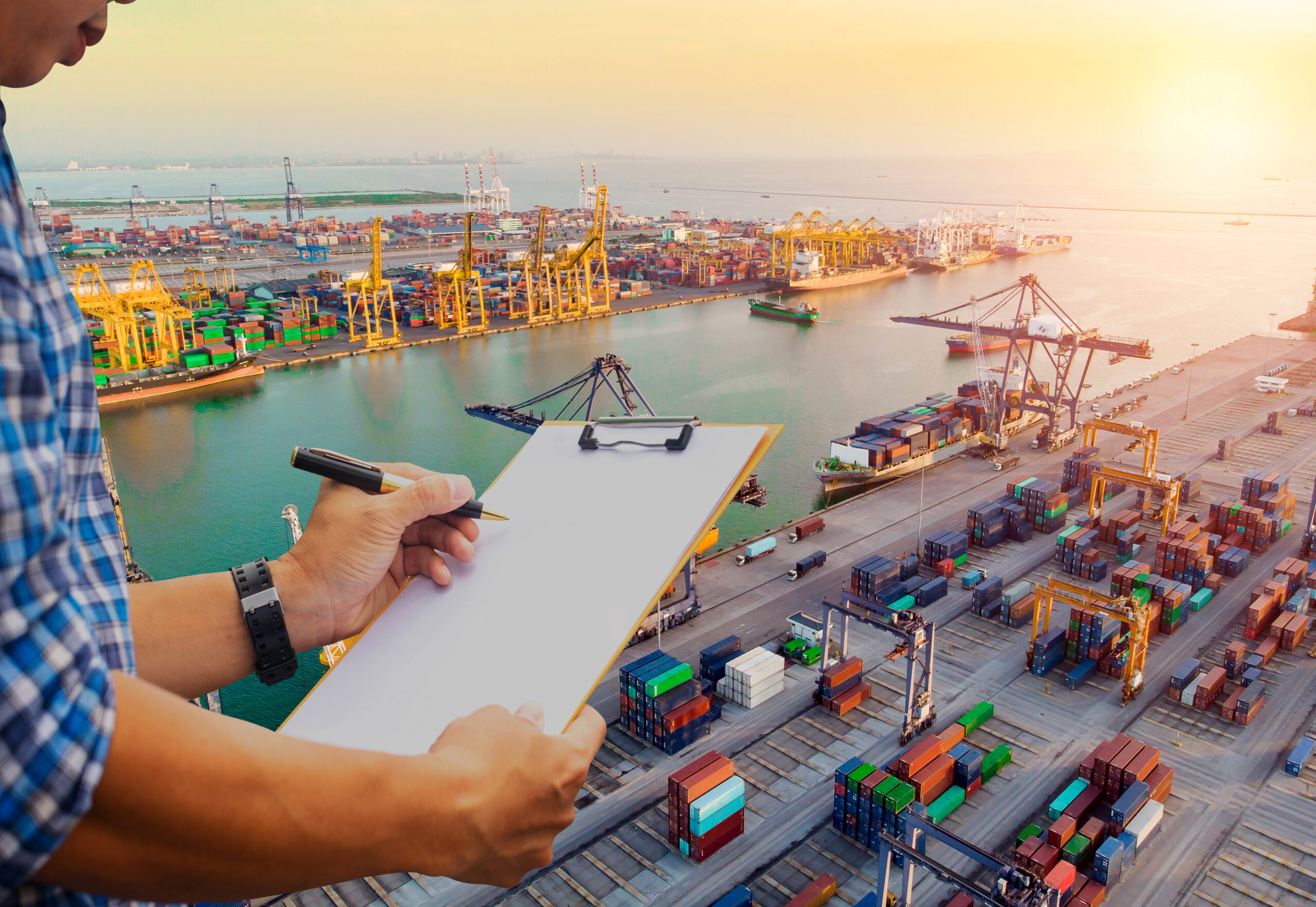
    Southampton is home to one of the UK’s busiest deep-water ports. Strategically located on the south coast, it serves as a major gateway for:

    • Container shipments
    • Automobiles and machinery
    • Bulk cargo
    • Consumer goods
    • Cruise and ferry traffic

    Due to its world-class infrastructure and easy access to major road and rail networks, many businesses prefer shipping through the Port of Southampton. However, to benefit fully from its logistics advantages, efficient customs clearance is vital.


    What is Customs Clearance?

    Customs clearance is the process of preparing and submitting documentation required to facilitate the import or export of goods into or out of a country. It involves:

    • Submission of relevant customs declarations
    • Paying import duties and VAT
    • Inspection and release of cargo by HMRC (Her Majesty’s Revenue & Customs)
    • Ensuring compliance with UK trade laws and regulations

    Failure to comply with these steps can result in fines, delays, and even the seizure of goods.


    Documents Required for Customs Clearance in Southampton

    Whether you’re importing or exporting goods through Southampton, the following documents are typically required:

    1. Commercial Invoice
    2. Packing List
    3. Bill of Lading (BOL) or Airway Bill (AWB)
    4. Import/Export License (if applicable)
    5. Customs Declaration (SAD form)
    6. EORI Number – Required for any UK business trading internationally
    7. Commodity Codes – For proper classification of goods
    8. Certificates of Origin or Health Certificates (for food or animal products)

    Having accurate documentation is the first step toward a hassle-free clearance process.


    Step-by-Step Customs Clearance Process in Southampton

    Here’s how the typical customs clearance process works at Southampton Port:

    Step 1: Arrival of Goods

    Goods arrive at the port and are held in a customs-controlled warehouse or container terminal until the customs process is completed.

    Step 2: Declaration Filing

    An import or export declaration is submitted to HMRC using the CDS (Customs Declaration Service), detailing the nature, quantity, and value of goods.

    Step 3: Duties and Taxes Calculation

    Based on the commodity code and declared value, HMRC calculates import duties and VAT. These must be paid before goods are released.

    Step 4: Inspection (if required)

    HMRC may choose to inspect the shipment for compliance, especially if it’s high-risk or flagged by the system.

    Step 5: Clearance and Release

    Once cleared, a Release Note is issued and goods are allowed to exit the port and be transported to their final destination.


    Who Handles Customs Clearance?

    You can handle customs clearance yourself (if you have knowledge of UK customs laws), but most businesses prefer using:

    1. Customs Brokers or Freight Forwarders

    These are professionals who act on your behalf to ensure compliance, speed up the process, and avoid penalties.

    2. In-House Compliance Teams

    Larger firms may have their own customs teams for managing shipments in-house.

    3. Port-Centric Logistics Companies

    These companies offer end-to-end supply chain solutions, including warehousing and customs brokerage at Southampton.


    Benefits of Using a Professional Customs Clearance Agent in Southampton

    Hiring a customs broker can save you time, money, and legal trouble. Key benefits include:

    • Accurate Classification of Goods (to avoid overpaying duties)
    • Compliance with Latest UK and EU Trade Rules
    • Timely Documentation Submission
    • Faster Release of Cargo
    • 24/7 Port Clearance Support
    • Minimized Risk of HMRC Delays or Audits

    Common Challenges in Customs Clearance (and How to Avoid Them)

    Even experienced traders can face clearance issues. Here’s how to avoid common pitfalls:

    ChallengeSolution
    Incorrect Commodity CodeUse a professional broker to classify items correctly
    Missing or Incomplete PaperworkDouble-check all forms before shipment
    Non-payment of DutiesPre-calculate and pay duties in advance
    Import License Not AvailableCheck licensing requirements well ahead of time
    Delayed InspectionsChoose faster inspection slots or prioritize clearance with AEO status

    Post-Brexit Customs Clearance in Southampton

    Since Brexit, all UK-EU trade now requires full customs declarations. Goods coming from the EU are subject to the same procedures as non-EU goods. Key changes include:

    • Mandatory EORI numbers
    • Additional Safety and Security Declarations (ENS)
    • Changes in tariff codes and VAT accounting
    • New border checks for food and animal products

    If you’re importing from the EU via Southampton, ensure your customs clearance agent understands the latest post-Brexit protocols.


    Tips for Faster Customs Clearance in Southampton

    1. Apply for AEO Status: Authorized Economic Operators get priority clearance and fewer inspections.
    2. Keep Records Ready: Store past declarations, invoices, and permits for HMRC audits.
    3. Use Digital Systems: Online customs software speeds up declaration submission.
    4. Work with Local Agents: Southampton-based brokers are familiar with port-specific procedures.
    5. Schedule Shipments Wisely: Avoid peak times like holidays to reduce congestion.

    How to Choose the Right Customs Clearance Agent in Southampton

    When choosing a clearance partner, consider:

    • Experience with your product type
    • HMRC-compliance record
    • Digital systems and EDI compatibility
    • 24/7 support and real-time updates
    • Transparent pricing (flat vs percentage fees)

    Look for reviews, ask for case studies, and ensure the agent is registered with HMRC and holds relevant accreditations.


    Conclusion

    Whether you’re a first-time importer or a seasoned exporter, customs clearance Southampton is a critical stage in international trade. Southampton, with its modern port facilities and strategic location, is an ideal hub — but only if your paperwork, duties, and procedures are handled properly.

    Using a qualified customs clearance agent in Southampton will save you time, prevent costly mistakes, and ensure your goods move swiftly through one of the UK’s busiest ports. Prepare thoroughly, stay compliant, and partner with the right professionals to keep your supply chain moving without delays.

  • Smooth Sailing Through the Port: A Complete Guide to Customs Clearance at London Gateway

    Smooth Sailing Through the Port: A Complete Guide to Customs Clearance at London Gateway

    In the complex world of international trade, customs clearance plays a vital role in ensuring goods flow smoothly across borders. For businesses importing or exporting through the UK, London Gateway Port has emerged as one of the most strategically important and technologically advanced ports in the country. Understanding the customs clearance process here is essential for smooth, timely, and cost-effective cargo movement.

    This guide offers a detailed look at Customs Clearance London Gateway, covering the procedures, documentation, services, benefits, and expert tips to help businesses stay compliant and competitive in the global market.


    What Is Customs Clearance?

    Customs clearance is the process of getting goods officially recognized and approved by customs authorities for import or export. It involves a series of formalities such as document submission, payment of duties and taxes, compliance with UK laws, and inspection of cargo if necessary.

    When goods arrive at London Gateway, they cannot legally leave the port area without being cleared by HM Revenue & Customs (HMRC). This ensures the UK government collects the appropriate taxes and ensures the goods meet safety, environmental, and trade standards.


    Why London Gateway Port?

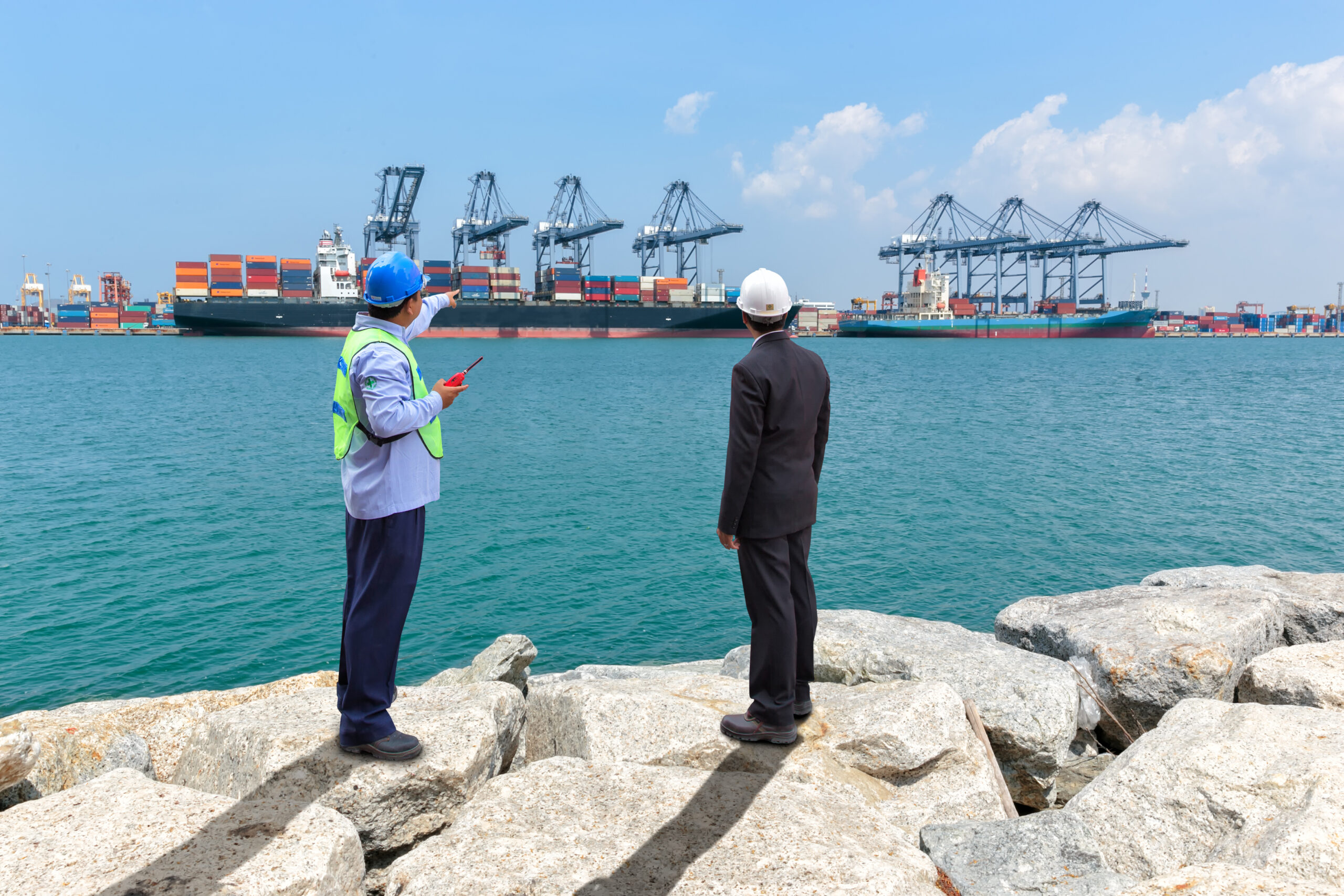
    London Gateway is one of the UK’s largest and most technologically advanced deep-sea container ports. Operated by DP World, it provides an integrated logistics hub combining port, rail, and warehousing facilities.

    Key Advantages:

    • Deep water berths: Capable of handling the world’s largest container ships.
    • Proximity to London: Just 25 miles from central London, ideal for quick access to the capital and beyond.
    • On-site customs services: Streamlined processes through automation and efficient documentation.
    • Rail & road connectivity: Direct links to national road and rail networks for onward distribution.

    Step-by-Step Process for Customs Clearance at London Gateway

    Here is an overview of the customs clearance process at London Gateway:

    1. Pre-Arrival Preparation

    Before the goods arrive:

    • Ensure the commercial invoice, packing list, and bill of lading are ready.
    • Register for an Economic Operator Registration and Identification (EORI) number.
    • Identify if the goods need any special licenses (e.g., for food, chemicals, pharmaceuticals).
    • Choose a reliable customs clearance agent with experience at London Gateway.

    2. Customs Declaration Submission

    Using the Customs Declaration Service (CDS), your broker or agent submits the required documentation electronically to HMRC. This includes:

    • Commodity codes
    • Value of goods
    • Country of origin
    • Incoterms
    • Relevant licenses or certificates

    3. Risk Assessment and Inspection

    HMRC uses a risk-based system to decide if your goods need to be inspected. Many shipments are cleared without inspection, but selected cargo might undergo:

    • Physical inspection
    • Document checks
    • Sampling (especially in case of food or chemical imports)

    4. Duty and VAT Payment

    Duties and import VAT are calculated based on the declared value and classification of goods. Once paid (or deferred using a Duty Deferment Account), the cargo is cleared.

    5. Release and Delivery

    Once cleared, the goods are released from the port and can be transported by road or rail to the destination. The integrated logistics infrastructure at London Gateway ensures minimal delays and smooth handling.


    Documents Required for Customs Clearance

    Here is a checklist of standard documents needed for customs clearance:

    • Commercial Invoice
    • Packing List
    • Bill of Lading / Air Waybill
    • Certificate of Origin
    • Import/export licenses (if applicable)
    • Customs Entry / C88 form
    • EORI Number
    • Freight insurance (if claimed)

    Keeping these documents accurate and consistent is key to avoiding delays or fines.


    Benefits of Using a Professional Customs Clearance Agent at London Gateway

    Hiring an experienced customs broker offers several benefits:

    ✔ Expertise and Compliance

    Brokers are well-versed in UK customs laws, classifications, and licensing. They reduce the risk of costly errors.

    ✔ Speed and Efficiency

    Agents can submit documentation electronically and handle clearance processes rapidly, ensuring quicker turnaround for your shipments.

    ✔ Cost Saving

    Avoid delays, demurrage charges, and fines by ensuring documents are correctly filed and duties accurately calculated.

    ✔ Real-Time Communication

    Most brokers provide shipment tracking, status updates, and direct communication with HMRC if issues arise.


    Common Challenges and How to Overcome Them

    Even with good preparation, customs clearance can present challenges. Here’s how to deal with them:

    ⚠ Incomplete or Inaccurate Documentation

    Solution: Double-check all entries or let a professional agent handle the paperwork.

    ⚠ Classification Errors

    Solution: Use the correct HS (Harmonized System) codes for your goods. Misclassification can lead to overpaying duty or legal trouble.

    ⚠ Delays Due to Inspections

    Solution: Be aware of items likely to be flagged for inspection. Work with agents who have a history of handling such shipments.

    ⚠ Changes in Regulation

    Solution: Keep updated with the latest HMRC notices and guidelines.


    Post-Brexit Considerations

    With the UK no longer part of the EU customs union, the clearance process for goods from Europe is more complex. Businesses importing from or exporting to EU countries must now follow standard international customs procedures, including:

    • UK Global Tariff rates
    • Rules of origin documentation
    • Additional health and safety standards for certain goods

    Hiring a knowledgeable customs clearance agent is even more important in the post-Brexit era to avoid costly compliance mistakes.


    Digital Innovations at London Gateway

    London Gateway is a pioneer in digitization and smart logistics. The port uses advanced technology for:

    • Automated cranes
    • Real-time cargo tracking
    • Paperless customs filing
    • 24/7 customs support

    These innovations help reduce bottlenecks and improve the overall efficiency of clearance procedures.


    Tips for Seamless Customs Clearance at London Gateway

    Here are some practical tips for smooth customs handling:

    1. Work with HMRC-authorized customs agents
    2. Use customs warehousing to delay duty payments until goods are sold
    3. Track your shipments with digital tools
    4. Consult trade advisors for specialized goods
    5. Keep communication clear between the shipper, consignee, and broker

    Conclusion

    In the competitive world of global trade, time is money. Efficient and error-free customs clearance London Gateway can be the difference between profit and penalty. Whether you’re a first-time importer or a seasoned exporter, understanding the customs process, working with trusted professionals, and staying compliant with evolving UK regulations is essential.

    With its state-of-the-art infrastructure and streamlined customs facilities, London Gateway is well-equipped to handle your cargo — provided you’re ready with the right documents, procedures, and partners.

  • Customs Clearance United Kingdom: A Comprehensive Guide to Smooth Imports & Exports

    Customs Clearance United Kingdom: A Comprehensive Guide to Smooth Imports & Exports

    Bringing goods into or out of the United Kingdom demands careful paperwork, accurate valuation and strict observance of His Majesty’s Revenue & Customs (HMRC) rules. Since Brexit, the customs landscape has changed more in five years than in the previous fifty. In 2025 the transition to the Customs Declaration Service (CDS) is complete, the Border Target Operating Model (BTOM) is still phasing in, and the Windsor Framework has created new procedures for movements involving Northern Ireland. Whether you are a first-time importer or a seasoned trader, understanding today’s requirements is the difference between goods that glide through the green channel and shipments that languish in a bonded warehouse. This guide distils everything you need to know.


    1. The UK Customs Landscape after Brexit

    The Customs Clearance United Kingdom now manages customs through a single sovereign border, but the mechanics differ markedly from the pre-Brexit period. HMRC is the lead agency, supported by Border Force at the frontier. All traders must hold a U.K. Economic Operator Registration and Identification (EORI) number—beginning with “GB” for most movements and “XI” when Northern Ireland is involved—and must lodge electronic declarations in CDS.


    2. Key Legislation & Digital Systems

    • Customs Declaration Service (CDS). CDS, now mandatory, is built on an international harmonised data model and collects extra data items—buyer and seller details, payment method, and more—that its predecessor did not.
    • UK–EU Trade and Cooperation Agreement (TCA). Preferential tariffs based on rules of origin remain available, but documentary evidence must accompany the entry.
    • Common Transit Convention (CTC). When goods enter under transit procedures, traders also interact with the U.K.’s transit computer system in addition to CDS.
    • Other cornerstones. Sanitary and phytosanitary (SPS) rules, excise regulations, and modernised customs legislation underpin daily operations.

    3. Documentation You Cannot Ignore

    1. Commercial invoice — must state Incoterms 2020, currency, and an accurate customs value.
    2. Packing list — indispensable when consignments contain multiple product lines.
    3. Commodity code (HS 8/10). Mis-classification is the most common cause of post-clearance debt.
    4. Import licence or health certificate where required.
    5. Proof of origin — an origin statement or movement certificate that supports duty relief under the TCA or other preference schemes.


    4. Import Process — Step by Step

    1. Choose the right declaration route. Accompanied road freight via short-sea crossings normally requires a pre-lodged declaration and a Goods Movement Reference (GMR). Deep-sea container traffic may still move into temporary storage before clearance.
    2. File a safety & security declaration. Entry Summary Declarations are compulsory for non-EU goods and will apply to EU consignments from 31 January 2025.
    3. Pay or postpone duty and VAT. Most businesses use a duty deferment account linked directly to CDS for automated collection.
    4. Receive permission to progress. Once the U.K. port-community system matches the customs reference, goods are released for free circulation.

    5. Export Process in a Nutshell

    Exports begin with a commercial invoice and are lodged as a departure declaration in CDS. When HMRC issues “permission to progress,” the unique reference accompanies the consignment to the port of exit. After physical departure, the carrier submits a departure message and HMRC generates a digital proof of export—essential for zero-rating VAT.


    6. Border Target Operating Model (BTOM) 2024-25

    BTOM is rolling out new SPS and safety requirements in phases:

    Government cites “time to adapt” as the reason for the staggered timetable, though the delays do add planning complexity.


    7. Special Rules for Northern Ireland: The Windsor Framework

    From 1 May 2025, goods moving from Great Britain into Northern Ireland follow either:

    • Green Lane — for goods staying in Northern Ireland; a simplified dataset and no routine tariffs.
    • Red Lane — for goods at risk of entering the EU Single Market; full customs formalities and potential EU duty.

    Traders still need an “XI” EORI and must meet clear labeling and record-keeping obligations, but the new lanes drastically reduce paperwork for purely domestic NI trade.


    8. Common Pitfalls and How to Avoid Them

    • Undervaluation. HMRC has intensified post-clearance audits; ensure freight and insurance costs are included where required.
    • Incorrect commodity codes. When in doubt, request an advance tariff decision from HMRC for certainty that lasts three years.
    • Origin statements without back-up. Keep suppliers’ long-term declarations on file for at least four years.
    • Duplicate references. CDS will reject an entry if the unique consignment reference already exists; coordinate closely with your logistics partners.

    9. Should You Use a Customs Broker?

    While self-filing is possible, most imports and exports still move through professional brokers. The best brokers in 2025 are:

    1. CDS-proficient. They handle the new data set confidently.
    2. Duty-optimisation savvy. They can advise on inward processing, end-use relief, and customs warehousing.
    3. Regulation watchful. They monitor BTOM and Windsor Framework updates and brief clients promptly.

    Engaging a broker transforms customs from a last-minute hurdle into a strategic, cost-controlled function.


    10. Future Trends — What to Watch

    • Digital health certificates. Electronic SPS documents with QR-coded security seals are on the way.
    • Expansion of trusted-trader schemes. Mutual recognition of Authorised Economic Operator status is likely to grow.
    • Data-driven risk management. HMRC is rolling out advanced analytics to spot anomalies in valuation and routing automatically.


    Conclusion

    The fundamentals of Customs Clearance United Kingdom accurate classification, honest valuation and complete paperwork—remain unchanged. Yet 2025 brings new layers of digital data, phased SPS controls and a dual-lane system for Northern Ireland. Treat customs as a strategic pillar, not a clerical afterthought: map your supply chain, maintain rigorous product data and partner with experts who live inside CDS every day. Do that and your goods will move swiftly, your compliance record will stay clean, and your business will continue to thrive in the competitive global marketplace.

  • Customs Clearance Felixstowe: Navigating the Gateway to UK Trade

    Customs Clearance Felixstowe: Navigating the Gateway to UK Trade

    Felixstowe, located on the Suffolk coast, is the UK’s largest and busiest container port, handling over 40% of the country’s containerized trade. Every year, millions of tonnes of goods pass through its terminals, making it a vital link in the global supply chain. However, what keeps this massive logistical engine running smoothly is the critical process of customs clearance.

    For businesses importing or exporting goods through Felixstowe, understanding the customs clearance process is essential to avoiding delays, minimizing costs, and ensuring compliance with UK and international trade laws. This article explores the importance of customs clearance at Felixstowe, how it works, and how partnering with the right customs agent can benefit your business.


    What Is Customs Clearance?

    Customs clearance is the formal process of declaring goods to the UK Border Force and HM Revenue & Customs (HMRC) as they enter or leave the country. It involves:

    • Submitting accurate import/export documentation
    • Paying duties and VAT
    • Complying with trade regulations and restrictions
    • Undergoing inspection or quarantine checks, if necessary

    In essence, customs clearance ensures that goods are legally brought into or taken out of the UK while ensuring government revenue is collected and security is maintained.


    Why Is Felixstowe Critical for Customs Clearance?

    Felixstowe’s status as the UK’s primary container port gives it unparalleled significance for international trade. Here’s why:

    • Strategic location: Proximity to major shipping routes and easy access to road and rail networks
    • High volume of trade: Handles over 3,000 ships annually, making it a key entry point for global cargo
    • Technological infrastructure: Felixstowe is equipped with modern logistics and customs systems
    • Dedicated customs officers and agents: A large presence of experienced customs clearance professionals

    With such a high volume of trade, efficient customs clearance in Felixstowe ensures that goods don’t get stuck at the port—saving time and money for businesses.


    The Customs Clearance Process at Felixstowe

    The customs process may vary depending on the type of goods, origin, and destination, but typically involves the following steps:

    1. Entry Preparation

    Before goods arrive, importers must prepare the necessary documentation including:

    • Commercial invoice
    • Bill of lading
    • Packing list
    • Import licenses (if applicable)
    • Commodity codes and origin certificates

    2. Customs Declaration

    A customs agent or freight forwarder submits a customs declaration to HMRC through the Customs Declaration Service (CDS). This step determines the duties, taxes, and any restrictions that apply.

    3. Duty & VAT Assessment

    Based on the declared value, HMRC calculates the customs duties and VAT payable. These must be paid before goods are released unless the importer has a deferment account or uses a duty suspension scheme.

    4. Physical Inspection (if required)

    Some shipments are selected for inspection by UK Border Force or HMRC. This can be random or triggered by discrepancies in documentation.

    5. Goods Released

    Once the customs authorities are satisfied, goods are cleared for release and can continue to their final destination.


    Common Challenges in Customs Clearance

    Navigating the customs process at Felixstowe can be complex, especially after Brexit. Common issues include:

    • Incorrect paperwork: Missing or incorrect documentation can result in delays or fines.
    • Misclassification of goods: Using the wrong commodity code can lead to overpaying duties or non-compliance.
    • Regulatory compliance: Failing to meet sanitary, phytosanitary, or safety standards may lead to seizure.
    • Delays in payment: Customs will not release goods until all duties and VAT are paid.

    To mitigate these risks, working with an experienced customs clearance agent is vital.


    The Role of a Customs Clearance Agent

    A customs clearance agent acts as a liaison between your business and HMRC, ensuring smooth handling of your import/export activities. Their responsibilities include:

    • Filing declarations accurately and promptly
    • Ensuring regulatory compliance
    • Advising on duty and VAT reduction schemes
    • Coordinating inspections or additional documentation
    • Tracking cargo movement and clearance status

    Hiring a local customs agent at Felixstowe who understands the port’s systems and regulations can significantly streamline your supply chain.


    Benefits of Professional Customs Clearance Services in Felixstowe

    Speed & Efficiency

    Experienced agents use electronic systems and port access privileges to expedite processing.

    Compliance & Accuracy

    Avoid costly mistakes and ensure full compliance with UK customs law.

    Cost Savings

    Strategic duty planning and classification advice can reduce your overall import/export expenses.

    Peace of Mind

    Focus on your core business while professionals handle complex customs procedures.

    Real-Time Updates

    Track your cargo and clearance status with modern digital systems integrated into port operations.


    Post-Brexit Changes: What You Need to Know

    Since the UK’s exit from the EU, customs clearance procedures have changed significantly:

    • All EU imports and exports now require customs declarations
    • New requirements for Rules of Origin, import VAT, and border controls
    • Delays and stricter inspections for some types of goods

    Businesses trading with the EU through Felixstowe must now treat the process similarly to other international imports, making customs agents more essential than ever.


    Customs Clearance for Different Sectors

    Felixstowe handles a diverse range of goods, each with specific clearance needs:

    🛠️ Manufacturing & Industrial Goods

    Require precise classification to avoid delays or overpayment of duties.

    🛍️ Retail & E-commerce

    Fast clearance is vital for timely delivery. Agents help manage large volumes of parcels and VAT obligations.

    🌱 Agricultural & Food Products

    Subject to phytosanitary and safety checks. Proper documentation is key.

    💊 Pharmaceuticals & Chemicals

    Require compliance with health, safety, and licensing regulations.


    How to Choose the Right Customs Clearance Partner

    Choosing the right customs clearance provider at Felixstowe is crucial. Look for:

    Experience with Felixstowe Port operations

    24/7 availability and digital tracking tools

    Licensed customs brokerage

    Strong communication and customer support

    Transparent pricing and no hidden fees

    Partnering with a reliable firm ensures you stay compliant, efficient, and competitive.


    Conclusion

    In today’s fast-paced global economy, customs clearance isn’t just a regulatory necessity—it’s a vital business function. Felixstowe Port stands at the forefront of UK trade, and efficient customs processing here can mean the difference between success and costly delays.

    Whether you’re a first-time importer or a seasoned logistics professional, having the right customs clearance support can help you:

    • Meet all legal requirements
    • Avoid unnecessary delays and penalties
    • Optimize your logistics operations
    • Reduce overall costs and improve reliability

    At Felixstowe, customs clearance is not just about ticking boxes—it’s about ensuring your goods reach the market quickly, legally, and profitably.

  • Customs Clearance at London Gateway: A Complete Guide for Importers and Exporters

    Customs Clearance at London Gateway: A Complete Guide for Importers and Exporters

    In today’s global economy, the smooth movement of goods across borders is vital for any successful trade operation. London Gateway, the UK’s most advanced deep-sea port, has quickly become a key hub for international commerce. As such, customs clearance London Gateway is a critical step in the supply chain that businesses must understand and manage efficiently.

    This comprehensive guide explores everything you need to know about customs clearance at London Gateway—from its importance and process to compliance, challenges, and best practices.


    Understanding London Gateway Port

    Operated by DP World, London Gateway is strategically located on the north bank of the River Thames, just 25 miles from central London. As a deep-water port, it offers state-of-the-art infrastructure, automation, and direct connections to road and rail networks. The port handles a substantial volume of the UK’s containerised trade, making it a crucial node in the country’s import and export network.

    With its modern logistics park and integration with supply chain systems, London Gateway is designed to reduce turnaround times and increase operational efficiency. However, to fully benefit from these advantages, businesses must ensure they are compliant with UK customs regulations.


    What is Customs Clearance?

    Customs clearance is the formal process of declaring goods entering or leaving a country, ensuring compliance with local laws and regulations. It involves preparing and submitting documents required to facilitate the movement of goods through customs authorities.

    In the UK, this process is managed by HM Revenue & Customs (HMRC), and failure to comply can lead to significant delays, penalties, or even confiscation of goods.

    The customs clearance process typically includes:

    • Classifying goods using tariff codes
    • Declaring the value of goods
    • Paying applicable duties and taxes (e.g., VAT, excise)
    • Providing certificates of origin or conformity
    • Submitting import/export declarations

    Why Customs Clearance at London Gateway is Important

    1. Efficient Trade Flow: Timely customs clearance ensures goods move quickly from port to warehouse or customer, reducing lead times.
    2. Compliance and Risk Management: Proper documentation minimizes the risk of customs audits, fines, or goods being held at the port.
    3. Cost Control: Avoiding delays helps save on demurrage charges, storage fees, and administrative costs.
    4. Reputation Management: Ensuring a reliable supply chain helps maintain customer trust and satisfaction.

    Customs Clearance Process at London Gateway

    Here is a step-by-step breakdown of how the customs clearance process works at London Gateway:

    1. Pre-Arrival Preparation

    Before your goods arrive at the port:

    • Obtain the correct commodity codes for your products.
    • Arrange for a customs broker or freight forwarder, unless you have in-house expertise.
    • Ensure the commercial invoice, packing list, and Bill of Lading are accurate.
    • Register for a GB EORI number (Economic Operators Registration and Identification), a must for UK imports or exports.

    2. Submission of Declarations

    Once the goods are en route:

    • An import or export declaration must be submitted via HMRC’s Customs Declaration Service (CDS).
    • Any required licenses (e.g., for food, chemicals, or controlled goods) must be attached.
    • Details such as consignee, value, weight, and origin are crucial.

    3. Customs Inspection (if selected)

    HMRC may randomly select consignments for inspection. In such cases:

    • Goods are held in temporary storage at the port.
    • Additional documentation or product testing may be required.
    • Once cleared, the shipment is released.

    4. Duty and Tax Payments

    You must pay any customs duties, VAT, or excise taxes based on the goods’ classification and value. Businesses registered for VAT in the UK can often reclaim VAT paid on imports.

    5. Release and Delivery

    After payment and clearance:

    • Goods are released from customs and can be moved to their final destination.
    • You can opt for inland delivery via road, rail, or combined transport.
    • Timely tracking and communication with your logistics partner ensure smooth final delivery.

    Documents Required for Customs Clearance

    When clearing goods at London Gateway, the following documents are commonly required:

    • Commercial Invoice – must detail the transaction, including currency, quantity, and terms.
    • Packing List – describes the contents, weights, and dimensions of each package.
    • Bill of Lading or Airway Bill – transport document confirming shipment.
    • Import/Export Declaration – submitted electronically to HMRC.
    • Certificates and Permits – required for regulated or restricted goods.

    Challenges Faced During Customs Clearance

    Despite London Gateway’s advanced systems, businesses may face common challenges:

    1. Incomplete or Incorrect Documentation: Missing data can lead to delays or rejection.
    2. Incorrect Classification: Wrong tariff codes result in incorrect duty rates.
    3. Lack of Preparedness Post-Brexit: Many businesses are still adjusting to the changes in UK-EU trade rules.
    4. Customs Delays: Inspections or strikes can sometimes slow down clearance.
    5. Changing Regulations: Staying updated with evolving rules is essential.

    Role of Customs Brokers and Freight Forwarders

    Most companies rely on customs clearance agents, brokers, or freight forwarders to manage the clearance process. Their responsibilities include:

    • Preparing and submitting declarations
    • Ensuring accurate product classification
    • Calculating and paying duties and taxes
    • Communicating with HMRC on your behalf
    • Providing expert advice on compliance

    While you can attempt to manage customs in-house, working with professionals reduces the risk of errors and delays.


    Benefits of Choosing London Gateway for Customs Clearance

    1. Speed and Efficiency: With automated systems and direct rail connectivity, clearance is faster than many other UK ports.
    2. Strategic Location: Close to major consumer markets in London and the Midlands.
    3. Advanced Logistics Support: On-site warehousing and distribution capabilities streamline the supply chain.
    4. Reduced Congestion: Compared to older ports, London Gateway offers smoother traffic management and shorter wait times.
    5. Customs Technology: Integrated with HMRC systems, enabling real-time data submission and updates.

    Best Practices for Smooth Customs Clearance at London Gateway

    To make customs clearance seamless, businesses should follow these best practices:

    • Stay Informed: Keep up with UK trade policies, tariffs, and customs updates.
    • Work with Experts: Hire certified brokers with London Gateway experience.
    • Digitise Your Processes: Use customs clearance software and digital documentation to avoid manual errors.
    • Plan Ahead: Submit documents and declarations well before arrival.
    • Maintain Records: Keep a clear audit trail of all customs documentation for at least six years.

    Conclusion

    As global trade grows more complex, ensuring efficient and compliant customs clearance London Gateway is not just a formality—it’s a strategic necessity. From reducing costs and delays to protecting your business from legal issues, understanding and mastering the customs process gives you a competitive edge.

    Whether you’re a small importer or a large multinational, taking the time to streamline your customs procedures, leverage expert advice, and remain compliant with UK laws will ensure your goods move swiftly and safely through London Gateway—one of the most vital ports in the United Kingdom.


    Need Help with Customs Clearance at London Gateway?
    If you’re looking for reliable support for your customs requirements, partner with an experienced broker or freight forwarder who understands the intricacies of the London Gateway system. A small investment in expert help today can save time, money, and hassle in the long run.

  • Smooth Sailing at the Port: Your Complete Guide to Customs Clearance in Felixstowe

    Smooth Sailing at the Port: Your Complete Guide to Customs Clearance in Felixstowe

    Felixstowe, the UK’s busiest container port, handles nearly half of the country’s container trade. Situated on the southeast coast of England, the Port of Felixstowe is a vital link in global supply chains, handling imports and exports for businesses across industries. But if there’s one thing that often causes delays and confusion for traders, it’s customs clearance.

    Whether you’re an importer bringing goods from Asia or an exporter shipping products to Europe, understanding the customs process is essential. In this guide, we’ll explore everything you need to know about customs clearance Felixstowe, including the process, documentation, costs, and the role of customs agents.


    1. What is Customs Clearance?

    Customs clearance is the official process of moving goods through customs authorities so they can enter or exit a country. In the UK, this process is overseen by HM Revenue & Customs (HMRC). For businesses trading through Felixstowe, this means ensuring all the legal paperwork is filed correctly, duties and VAT are paid, and goods are compliant with UK import/export regulations.

    The process includes:

    • Submitting import/export declarations
    • Paying customs duties and taxes
    • Ensuring goods meet local compliance standards
    • Presenting shipping and commercial documents for inspection if required

    2. Why Felixstowe Matters in Customs Clearance

    The Port of Felixstowe is not just any port—it’s the gateway for over 4 million TEUs (Twenty-foot Equivalent Units) of cargo annually. Given the volume, efficiency and compliance are paramount. Customs processes here are streamlined but strictly regulated.

    Because of Brexit, customs procedures for European trade are now more complex. Felixstowe plays a key role in managing this increased regulatory burden.


    3. Key Documents Needed for Customs Clearance

    To clear goods through Felixstowe customs, you’ll need to have all your documentation in place. Some of the key documents include:

    • Commercial Invoice: Describes the goods and their value.
    • Packing List: Lists the contents of each package.
    • Bill of Lading (BOL) or Air Waybill: Issued by the carrier.
    • EORI Number: Economic Operator Registration and Identification (a must for UK importers/exporters).
    • Import/Export Licenses (if applicable)
    • Certificate of Origin: Especially relevant for duty exemptions under trade deals.
    • Customs Declaration (via CHIEF or CDS)

    Using the Customs Declaration Service (CDS) is now the standard in the UK for declarations.


    4. Role of a Customs Clearance Agent in Felixstowe

    Navigating customs formalities can be complex. That’s why most businesses rely on customs brokers or clearance agents in Felixstowe. These professionals manage the clearance process on your behalf, ensuring your shipment doesn’t face delays or penalties.

    Services they offer include:

    • Preparing and submitting customs declarations
    • Advising on tariffs and duties
    • Ensuring compliance with UK import/export laws
    • Coordinating with port and shipping authorities
    • Managing temporary imports, bonded goods, or transshipments

    When choosing an agent, make sure they are registered with HMRC and have experience dealing with Felixstowe customs specifically.


    5. Costs Involved in Customs Clearance at Felixstowe

    The cost of customs clearance varies based on:

    • The value and type of goods
    • Complexity of the customs declaration
    • Whether duty or VAT is payable
    • Use of bonded warehouses or special procedures

    Typical charges include:

    • Customs brokerage fee (ranges from £25 to £75 per entry)
    • Duty and VAT (based on commodity code and value)
    • Port handling and storage charges (if goods are delayed)
    • Additional charges for document preparation or inspection

    Some agents offer all-inclusive customs clearance packages, especially for regular shippers.


    6. Common Challenges at Felixstowe Customs

    Despite being a modern port, challenges still arise:

    • Incorrect or missing documentation leads to delays.
    • Unclear classification of goods can result in higher duties.
    • Random inspections can hold shipments for several days.
    • Changes in customs regulations, especially post-Brexit, can confuse businesses.
    • Congestion at the port during peak times.

    Working with experienced customs agents in Felixstowe helps mitigate these risks.


    7. Tips for Hassle-Free Customs Clearance at Felixstowe

    To make your experience smooth and compliant, follow these tips:

    • Prepare early: Don’t wait until your shipment arrives.
    • Use a reliable customs broker: Experience matters at busy ports.
    • Know your HS codes: Correct classification avoids fines.
    • Keep all documents ready: Digital copies should be easily accessible.
    • Track your shipment: Stay in contact with your freight forwarder.
    • Understand duty relief schemes: Like inward processing relief (IPR) or temporary admission.

    8. Post-Brexit and Felixstowe Customs

    Since the UK left the EU, all imports and exports between the UK and EU are subject to full customs controls. This means that even if you’re trading within Europe, you’ll still need:

    • Full import/export declarations
    • Compliance with rules of origin
    • Knowledge of UK Global Tariff schedules

    Felixstowe customs agents have adapted well to these changes, offering specialized Brexit-related services and advice.


    9. Digital Solutions and CDS System

    The UK now uses the Customs Declaration Service (CDS) to replace the older CHIEF system. The CDS is designed to provide:

    • A more streamlined customs process
    • Real-time customs data
    • Integration with traders’ systems
    • Immediate notifications and record-keeping

    Felixstowe’s port facilities and customs agents are already set up to work with CDS, which helps reduce errors and delays.


    10. Conclusion: Make Customs Clearance Work for You

    Whether you’re an established importer or a small business just entering international trade, getting customs clearance right at Felixstowe is crucial. With the right documents, a clear understanding of procedures, and a trustworthy customs broker, you can ensure that your goods flow smoothly, avoid fines, and reach your destination on time.

    The key is preparation and knowledge. Felixstowe is a gateway to the world—make sure your cargo passes through it seamlessly.


    Need Help with Customs Clearance in Felixstowe?
    Work with trusted agents and modern customs solutions to keep your business moving forward.

  • Customs Clearance United Kingdom: A Complete Guide for Importers and Exporters

    Customs Clearance United Kingdom: A Complete Guide for Importers and Exporters

    In the fast-paced world of global trade, customs clearance is the gateway between smooth international operations and frustrating delays. For anyone involved in importing or exporting goods to and from the United Kingdom, understanding the customs clearance process is essential. Since the UK’s departure from the European Union, regulations have tightened and procedures have become more complex, making customs clearance services even more crucial.

    In this blog, we provide a detailed guide to customs clearance United Kingdom, discussing its importance, process, documentation, and how businesses can benefit from partnering with experienced customs clearance agents.


    What is Customs Clearance?

    Customs clearance refers to the process by which goods are approved by the government to enter or leave a country. It involves verifying that shipments comply with all applicable laws, paying any duties and taxes, and submitting the required documentation. In the UK, this process is overseen by HM Revenue & Customs (HMRC).

    The goal of customs clearance is twofold:

    1. Protect national borders from illegal or dangerous goods.
    2. Collect customs duties and VAT, ensuring fair trade and tax compliance.

    Why Customs Clearance is Crucial in the UK

    The United Kingdom, as an island nation and a major global trading hub, has strict regulations governing the movement of goods. Since Brexit, even trade with the EU requires customs clearance, unlike the previous free movement of goods under the EU customs union.

    Here’s why customs clearance is vital for your UK-bound or UK-originating goods:

    • Avoid legal penalties for non-compliance
    • Prevent shipment delays that can disrupt supply chains
    • Ensure accurate duty and VAT payments
    • Meet trade agreements and import/export regulations

    Whether you’re a small business sending products abroad or a large corporation importing industrial equipment, customs clearance is non-negotiable.


    How the Customs Clearance Process Works in the UK

    Let’s break down the UK customs clearance process step by step:

    1. Prepare the Necessary Documents

    Accurate documentation is the foundation of a successful customs process. You typically need:

    • Commercial Invoice
    • Packing List
    • Bill of Lading (sea freight) or Air Waybill (air freight)
    • Import/export licenses (if applicable)
    • EORI Number (Economic Operators Registration and Identification)
    • Customs Declaration (via CHIEF or CDS)

    2. Submit Customs Declarations

    Once the documents are ready, the next step is to electronically submit your customs declaration through CDS or CHIEF. This involves declaring the type of goods, their origin, value, and intended use.

    3. Pay Duties and Taxes

    Customs will assess your shipment and apply any applicable:

    • Customs duties
    • Value Added Tax (VAT)
    • Excise duties (if relevant, e.g., for alcohol or tobacco)

    4. Goods Inspection (if required)

    HMRC may decide to inspect your goods. This can be a random inspection or triggered by discrepancies in documentation or suspicion of non-compliance.

    5. Release of Goods

    After successful verification and payment, HMRC clears the goods. They are then released for delivery to the final destination.


    Key Terms You Must Know

    If you’re new to international trade, here are some essential customs-related terms:

    • EORI Number: Required for businesses trading outside the UK. It identifies traders to HMRC.
    • HS Code (Harmonized System): Classification code that determines customs duties.
    • Incoterms: International commercial terms defining buyer-seller responsibilities.
    • CPC (Customs Procedure Code): Indicates the customs regime for the goods.

    Common Challenges with Customs Clearance

    Despite being a standard process, many businesses struggle with customs clearance due to:

    • Incorrect paperwork
    • Misclassification of goods
    • Lack of understanding of Incoterms
    • Late duty payments
    • Changing regulations post-Brexit

    Such errors can lead to serious delays, financial penalties, and loss of reputation. Therefore, relying on professional customs clearance agents in the UK can save time and ensure compliance.


    Benefits of Hiring a Customs Clearance Agent in the UK

    A customs clearance agent (also called a customs broker) is a licensed professional who handles the customs process on behalf of traders. Partnering with one brings many advantages:

    1. Expert Knowledge of UK Customs Law

    Agents understand the latest UK import/export rules, tariff classifications, and VAT regulations—reducing your risk of errors.

    2. Speedy Clearance Process

    They can file electronic declarations swiftly and handle any follow-up questions from HMRC without delay.

    3. Tailored Advice and Support

    From commodity codes to trade agreements, customs agents provide personalized advice to optimize your shipping processes.

    4. Reduced Costs

    Agents can help you apply for customs relief schemes like Inward Processing Relief (IPR), Customs Warehousing, or simplified declarations, which reduce costs.

    5. Peace of Mind

    With a trusted partner handling your customs documentation and declarations, you can focus on your core business.


    Top UK Ports and Airports for Customs Clearance

    Customs clearance occurs at major UK points of entry, including:

    • Ports: Felixstowe, Southampton, London Gateway, Dover, Liverpool
    • Airports: Heathrow, Gatwick, Manchester, Stansted, Birmingham

    Different ports may have slightly different processing times and requirements, depending on the type of goods and trade volume.


    Digital Shift: CDS Replacing CHIEF

    One of the most important changes in UK customs clearance is the shift from the CHIEF system to the Customs Declaration Service (CDS). Traders must now register for CDS and use it for:

    • Submitting declarations
    • Viewing VAT and duty payments
    • Managing customs account information

    This digital upgrade is part of the UK’s strategy to modernize its border infrastructure and streamline trade operations.


    Tips for Smooth Customs Clearance in the United Kingdom

    Here are practical tips to make sure your shipments don’t face unnecessary delays:

    1. Double-check documentation for errors or missing fields.
    2. Use correct HS codes and declare goods honestly.
    3. Track your shipments regularly and respond to customs queries promptly.
    4. Apply for an EORI number well in advance.
    5. Work with experienced freight forwarders and clearance agents.

    Conclusion: Navigate UK Trade Smoothly with Professional Customs Clearance

    The landscape of customs clearance United Kingdom is both vital and complex. With post-Brexit regulations, increased documentation, and technological transitions like CDS, navigating customs without expert help can be challenging.

    Whether you’re a startup exploring international markets or an established importer/exporter, professional customs clearance support is the key to seamless, lawful, and efficient trade. Don’t let paperwork, regulations, or missteps derail your business. Instead, partner with a reliable customs agent and focus on growing your global reach.

  • Customs Clearance Felixstowe: A Complete Guide for Smooth Import and Export Operations

    Customs Clearance Felixstowe: A Complete Guide for Smooth Import and Export Operations

    When it comes to international trade in the UK, Felixstowe Port stands as a critical gateway. As the busiest container port in the country, Felixstowe handles nearly half of the UK’s containerised trade. However, importing or exporting goods through this bustling hub requires navigating the often complex process of customs clearance. Whether you are a seasoned importer or a business entering global trade for the first time, understanding customs clearance in Felixstowe is essential for smooth, compliant, and timely shipments.

    In this guide, we explore everything you need to know about customs clearance in Felixstowe, including procedures, documentation, and how professional customs clearance agents can save you time and money.


    Understanding Customs Clearance at Felixstowe Port

    Customs clearance is the process by which goods are officially allowed to enter or leave a country. At Felixstowe, this involves ensuring that shipments comply with UK customs regulations, that duties and taxes are properly calculated and paid, and that necessary inspections or paperwork are completed.

    After Brexit, the UK’s customs framework underwent significant changes, making the customs clearance process more complex. Businesses now need to follow new procedures when trading with the EU, including filing customs declarations, paying VAT, and meeting rules of origin requirements.


    Why Felixstowe is a Key Customs Location

    Felixstowe is not only the UK’s busiest container port but also one of the most technologically advanced. It has direct connections with major shipping lines and offers rail and road access across the UK. Its large volume of goods makes customs efficiency a top priority for businesses.

    Key features include:

    • Proximity to major distribution centres and logistics hubs
    • On-site Border Force presence for swift checks
    • Availability of bonded warehouses
    • 24/7 operation to accommodate international shipping schedules

    Due to these advantages, Felixstowe has become a preferred port for businesses seeking reliable global supply chain management.


    Customs Clearance Process: Step-by-Step

    1. Pre-Arrival Procedures

    Before goods arrive at Felixstowe, you must prepare essential documentation, such as:

    • Commercial invoice
    • Packing list
    • Bill of lading or airway bill
    • Import/export licenses (if applicable)
    • Commodity codes and product classification
    • EORI number (Economic Operators Registration and Identification)

    Correct classification and valuation of goods are vital to avoid penalties and delays.

    2. Customs Declaration

    Goods entering or leaving Felixstowe must be declared to HMRC through the Customs Declaration Service (CDS) or the older CHIEF system (being phased out). This includes submitting:

    • Import or export declaration
    • Declaration of origin
    • Proof of any duty relief or exemption (e.g., temporary imports, inward processing)

    3. Duties and VAT Payment

    Once the declaration is submitted, you’ll be informed about any import duties, customs duties, or VAT owed. Payment must be made before goods are released unless you’re using a duty deferment account or a bonded warehouse.

    4. Customs Inspection (If Required)

    Some shipments are selected for inspection by Border Force or other agencies. This can involve:

    • Physical examination of goods
    • Scanning containers
    • Verifying compliance with product regulations

    If your paperwork is in order, inspections are often quick, but incorrect documentation can cause delays.

    5. Release of Goods

    After all duties are paid and inspections cleared, goods are released for delivery. They can now be transported to the final destination via road or rail from Felixstowe.


    Challenges in Customs Clearance

    Customs clearance can be a time-consuming and risky process without proper guidance. Common issues at Felixstowe include:

    • Misclassification of goods leading to incorrect duty payments
    • Missing or inaccurate documents
    • Delays due to customs inspections
    • Lack of familiarity with post-Brexit rules
    • Storage fees for delayed goods at the port

    Partnering with experienced customs clearance agents in Felixstowe can help avoid these problems.


    Why Hire a Customs Clearance Agent in Felixstowe?

    Working with a professional customs broker or clearance agent offers numerous benefits:

    Expert Knowledge

    Customs agents are up-to-date with UK trade laws, Brexit-related changes, and port-specific procedures.

    Error-Free Documentation

    They ensure that your customs declarations, commodity codes, and supporting documents are accurate and compliant.

    Time Efficiency

    Agents handle the entire clearance process, saving you from administrative burdens and costly delays.

    Cost Savings

    By correctly identifying duty relief options and avoiding penalties, agents help businesses reduce overall import/export costs.

    Real-Time Tracking

    Many customs agents offer digital systems to track your cargo status and clearance progress, providing peace of mind.


    How to Choose the Right Customs Clearance Service in Felixstowe

    Not all customs agents are created equal. Look for these qualities when selecting a clearance provider:

    ✔️ Experience at Felixstowe Port

    They should have a strong working relationship with port authorities and know local procedures.

    ✔️ AEO Certification (Authorised Economic Operator)

    This HMRC-approved status means the agent is trusted and efficient in handling sensitive customs operations.

    ✔️ Range of Services

    Good agents also offer warehousing, freight forwarding, compliance consulting, and bonded storage.

    ✔️ Transparent Pricing

    Avoid hidden fees—ensure the pricing model includes all costs (clearance, documentation, storage, etc.).

    ✔️ Responsive Customer Service

    Choose an agent who offers 24/7 support and proactive communication.


    Technology and Digital Customs Solutions

    As part of the UK’s customs modernization strategy, many processes are now digital. Top agents use software that integrates with HMRC systems, offering:

    • Automated document uploads
    • CDS-compliant submissions
    • Electronic Duty Deferment Account management
    • Real-time updates on clearance status

    Felixstowe Port itself is evolving with digital platforms that streamline customs and cargo tracking, reducing turnaround time for businesses.


    Post-Brexit Considerations for EU Trade

    Since the UK’s departure from the EU, customs declarations are now required for all EU imports and exports. Some important post-Brexit considerations include:

    • Rules of origin for preferential duty rates
    • VAT handling under postponed accounting
    • UK Global Tariff (UKGT) application
    • Customs support for Northern Ireland protocol (if applicable)

    Felixstowe customs clearance agents well-versed in these areas are invaluable for businesses trading with the EU.


    Conclusion: Streamline Your Customs Clearance in Felixstowe

    Navigating customs clearance at Felixstowe Port may seem daunting, but with the right knowledge and support, it can be a smooth and efficient process. From documentation and duty payments to inspections and compliance, every step is crucial to ensuring your goods move without delay.

    Whether you’re an importer, exporter, or freight forwarder, working with a professional customs clearance company in Felixstowe can help you minimize risks, reduce costs, and maximize shipping efficiency. As global trade continues to evolve, staying compliant and efficient at UK ports like Felixstowe is more important than ever.

  • Customs Clearance Agents in the UK: Your Essential Guide to Smooth Import & Export Operations

    Customs Clearance Agents in the UK: Your Essential Guide to Smooth Import & Export Operations

    In today’s fast-paced global trade environment, businesses and individuals dealing with international shipments often face one significant hurdle—customs clearance. Whether you are importing goods from Asia or exporting products to the EU, navigating the complexities of UK customs can be a daunting task. This is where customs clearance agents UK play a pivotal role.

    These experts act as a bridge between the trader and UK customs authorities, ensuring that all the legal requirements are fulfilled and the goods move smoothly across borders. In this comprehensive blog, we will explore who customs clearance agents are, their roles, why you need one, and how to choose the right agent for your business.


    Who Are Customs Clearance Agents?

    Customs clearance agents, also known as customs brokers, are licensed professionals who assist importers and exporters in meeting government regulations when shipping goods across international borders. In the UK, they are often registered with HM Revenue & Customs (HMRC) and have in-depth knowledge of customs procedures, tariffs, duties, and relevant paperwork.

    Their primary job is to make the process of clearing goods through customs as efficient and compliant as possible.


    Why You Need a Customs Clearance Agent in the UK

    Importing and exporting goods involves a host of legal, financial, and logistical considerations. Here’s why hiring a customs clearance agent in the UK is beneficial:

    1. Expert Knowledge of Regulations

    UK customs rules can be intricate, particularly after Brexit. Regulations can vary depending on the type of goods, their value, country of origin, and more. Agents stay updated on these rules and ensure your shipment complies with them.

    2. Accurate Documentation

    Improper or incomplete documentation is one of the top reasons for delays and fines at customs. Agents ensure that all necessary forms—such as the commercial invoice, packing list, import/export declaration, and certificates of origin—are correctly completed and submitted.

    3. Time & Cost Efficiency

    With their experience and network, customs clearance agents can speed up the clearance process and help avoid costly delays or errors. This saves businesses both time and money in the long run.

    4. Duty and Tax Calculation

    Agents help calculate duties, VAT, and other applicable taxes, ensuring there are no surprises for you or your clients. They can also advise on available tax reliefs or duty suspension schemes.

    5. Handling Inspections and Queries

    If customs officials decide to inspect your goods or question your declaration, an agent can handle these interactions professionally on your behalf, ensuring minimal disruption.


    Key Responsibilities of UK Customs Clearance Agents

    Customs agents handle several essential tasks, including:

    • Preparing and submitting import/export declarations to HMRC
    • Coordinating with freight forwarders and shipping lines
    • Advising on classification codes (HS codes)
    • Ensuring compliance with trade laws and embargoes
    • Managing excise duty procedures for alcohol, tobacco, or fuel
    • Assisting with special regimes like Inward Processing Relief (IPR) or Customs Warehousing

    Customs Clearance After Brexit: What Has Changed?

    The UK’s departure from the EU has introduced a new layer of complexity to customs procedures. Goods moving between the UK and EU are now subject to the same customs rules as goods from the rest of the world.

    This means:

    • All goods must be declared
    • Import VAT is due on most goods
    • Rules of origin are crucial for claiming tariff preferences
    • UK businesses must have an EORI (Economic Operators Registration and Identification) number

    A customs clearance agent can help businesses navigate these changes and ensure smooth cross-border trade post-Brexit.


    Types of Shipments Handled by Customs Clearance Agents

    Agents in the UK deal with a wide range of shipments, including:

    • Air Freight: Clearing goods at major airports like Heathrow, Gatwick, and Manchester.
    • Sea Freight: Handling container shipments at ports like Felixstowe, Southampton, and Liverpool.
    • Road Freight: Especially important for goods transported via the Channel Tunnel or ferries.
    • Courier & Express Shipments: Supporting businesses using services like DHL, FedEx, or UPS for faster deliveries.

    How to Choose the Right Customs Clearance Agent in the UK

    Selecting the right agent can make a significant difference in the efficiency of your logistics. Consider the following factors:

    1. Experience and Expertise

    Look for agents with experience in your industry or the specific type of goods you handle. Their familiarity with your product’s classification can streamline the process.

    2. HMRC Accreditation

    Ensure the agent is recognized by HMRC and can act on your behalf. Many reputable agents are members of organizations like BIFA (British International Freight Association).

    3. Technology and Tracking

    Modern agents use digital systems to track shipments and provide real-time updates. Choose an agent who offers transparency and efficient communication.

    4. Customer Reviews

    Check for testimonials, online reviews, or ask for references. A well-reviewed agent is more likely to provide reliable service.

    5. Cost Structure

    Ensure their fees are transparent. While the cheapest option isn’t always best, a good agent will offer value for money with quality service.


    Common Challenges Without a Customs Clearance Agent

    Attempting to handle customs clearance without expert help can result in several issues:

    • Delays at ports or airports
    • Incorrect duty or VAT payments
    • Fines due to non-compliance
    • Confiscation or return of goods
    • Damaged business relationships due to late delivery

    Hiring a trusted agent avoids these pitfalls.


    Future of Customs Clearance in the UK

    As global trade evolves and digital customs become more widespread, UK customs agents are adapting fast. The adoption of CDS (Customs Declaration Service), replacing CHIEF, marks a significant modernization. Soon, blockchain, AI, and automation will further simplify the clearance process, making agents even more vital as digital intermediaries.


    Conclusion

    Whether you are a small business owner importing goods from Europe or a large corporation exporting products worldwide, a customs clearance agent UK can be your most valuable logistics partner. With their deep understanding of trade rules, documentation, taxes, and compliance, they ensure your goods move efficiently and legally through customs checkpoints.

    Choosing the right agent means choosing peace of mind, reliability, and professionalism—qualities essential to maintaining a successful global supply chain.

  • Air Freight Customs Clearance Agents: Your Key to Smooth Global Trade

    Air Freight Customs Clearance Agents: Your Key to Smooth Global Trade

    In today’s fast-paced world of international trade, air freight remains a preferred choice for businesses looking for speed and efficiency. Whether it’s electronics, medical supplies, or high-value goods, transporting cargo by air ensures swift delivery across borders. However, one of the most crucial aspects that can make or break your air shipment is customs clearance. This is where Air Freight Customs Clearance Agents play a vital role.

    What Are Air Freight Customs Clearance Agents?

    Air Freight Customs Clearance Agents are licensed professionals or companies who manage the process of clearing goods through customs for air shipments. Their primary responsibility is to ensure that your goods comply with the import and export regulations of the origin and destination countries. These agents handle complex documentation, duties, taxes, permits, and compliance checks to ensure that your cargo is not delayed or seized by customs authorities.

    Why Are They Essential in Air Freight?

    When dealing with international shipments, customs clearance is a legal requirement. Any mistakes or delays in this process can result in penalties, added costs, or lost business opportunities. Here are key reasons why businesses rely on professional air freight customs clearance agents:

    1. Regulatory Expertise

    Customs regulations are constantly changing and differ from one country to another. Clearance agents stay updated with these rules to ensure compliance. Their knowledge minimizes the risk of documentation errors, improper classification, or misdeclarations that could lead to fines or delays.

    2. Efficient Paperwork Handling

    Air freight requires a variety of documents, such as air waybills, commercial invoices, packing lists, certificates of origin, and more. Customs agents take charge of preparing, reviewing, and submitting these documents, reducing the administrative burden on your business.

    3. Duty and Tax Management

    Customs agents help you accurately calculate duties and taxes, apply for duty exemptions if available, and facilitate payments. This financial clarity allows you to avoid surprises and maintain better cost control.

    4. Reduced Delays and Penalties

    Clearance agents are skilled at identifying and resolving potential issues before they cause problems. Their experience helps expedite the customs process, ensuring your goods are cleared quickly and without unnecessary delays.

    The Role of Air Freight Customs Clearance Agents in the Logistics Chain

    Air freight customs clearance agents operate as a critical link in the logistics chain. Their involvement typically spans several stages of the shipment process:

    1. Pre-Shipment Planning

    Before the cargo even leaves its origin, clearance agents can advise on documentation, HS code classification, and regulatory requirements. This proactive planning helps avoid complications later in the process.

    2. Customs Documentation Submission

    Once goods are in transit or arrive at the destination airport, agents submit the required documents to customs electronically or in person, depending on the regulations of the country.

    3. Customs Inspection Coordination

    If the shipment is flagged for inspection, clearance agents coordinate with customs officers to facilitate the examination. They ensure that proper handling procedures are followed and answer any queries from customs authorities.

    4. Release and Delivery

    After clearance, agents arrange for the release of goods and coordinate final delivery to the consignee, either directly or through a freight forwarder.

    Benefits of Hiring Professional Air Freight Customs Clearance Agents

    Partnering with experienced agents brings multiple advantages to importers and exporters alike:

    Time-Saving

    Experienced agents know the ins and outs of the clearance process, significantly reducing the time it takes to get goods released from customs.

    Cost-Effective

    By avoiding unnecessary fines, delays, or demurrage charges, agents help businesses save money and stay within budget.

    Risk Mitigation

    Agents protect your business by ensuring compliance with international trade laws, thus minimizing the risk of cargo seizure, penalties, or legal complications.

    Peace of Mind

    With a reliable agent handling customs matters, you can focus on your core business operations without worrying about bureaucratic red tape.

    What to Look for in an Air Freight Customs Clearance Agent

    Choosing the right customs clearance agent can make a significant difference in your supply chain efficiency. Here are some qualities to look for:

    Licensing and Accreditation

    Ensure the agent is licensed and recognized by relevant customs authorities and international freight organizations.

    Experience and Expertise

    Look for agents with experience handling shipments similar to yours, especially if you’re dealing with specialized or high-value cargo.

    Strong Network and Local Knowledge

    Agents with local knowledge and strong relationships with airport authorities and customs officials can expedite the process and troubleshoot problems more effectively.

    Transparent Pricing

    A reliable agent should provide clear, upfront pricing with no hidden fees.

    Customer Support

    Round-the-clock support is essential, especially when dealing with international time zones and tight shipping deadlines.

    The Dubai Advantage: Air Freight Customs Clearance in a Global Hub

    Dubai stands as one of the world’s most strategic logistics hubs, connecting Europe, Asia, and Africa. With state-of-the-art infrastructure and major airports like Dubai International Airport (DXB) and Al Maktoum International (DWC), the city handles a massive volume of air cargo daily.

    Businesses operating in or through Dubai require professional clearance agents who are familiar with UAE customs protocols, free zone regulations, and electronic clearance platforms like Mirsal 2. Working with expert clearance agents in Dubai ensures:

    • Fast processing through Dubai Customs.
    • Seamless movement of goods into Free Zones or mainland.
    • Compliance with GCC import/export standards.

    Industries That Benefit the Most

    Air freight customs clearance is particularly crucial for industries dealing with time-sensitive or high-value goods, such as:

    • Pharmaceuticals and Healthcare – Ensuring the timely delivery of life-saving medicines and medical equipment.
    • Electronics – Preventing delays in fast-moving tech markets.
    • Fashion and Apparel – Meeting seasonal deadlines and avoiding stockouts.
    • Automotive Parts – Ensuring just-in-time manufacturing supply chains.
    • Perishables and Food – Complying with strict hygiene and shelf-life requirements.

    Technology and the Future of Customs Clearance

    The future of air freight customs clearance lies in automation and digital transformation. Many customs clearance agents now leverage tools like:

    • AI-based document scanning and verification
    • Blockchain for cargo tracking
    • Electronic Data Interchange (EDI) for real-time updates
    • Cloud-based dashboards for shipment visibility

    These tools streamline operations, reduce manual errors, and provide businesses with more transparency and control over their shipments.

    Final Thoughts

    Whether you’re a multinational company or a growing SME, Air Freight Customs Clearance Agents are indispensable to your global logistics operations. Their expertise ensures your goods move smoothly across borders, comply with complex regulations, and arrive on time.

    In a competitive global economy, speed and reliability are everything. Don’t let customs delays derail your supply chain. Partner with a trusted air freight customs clearance agent and take the guesswork out of international shipping.


    Need reliable air freight customs clearance services?
    Our experienced team is ready to help you navigate customs regulations and streamline your logistics. Contact us today for a consultation!