Category: Uncategorized

  • Will Air Freight Customs Clearance Agents Drive the Next Wave of Efficient Air Cargo Operations?

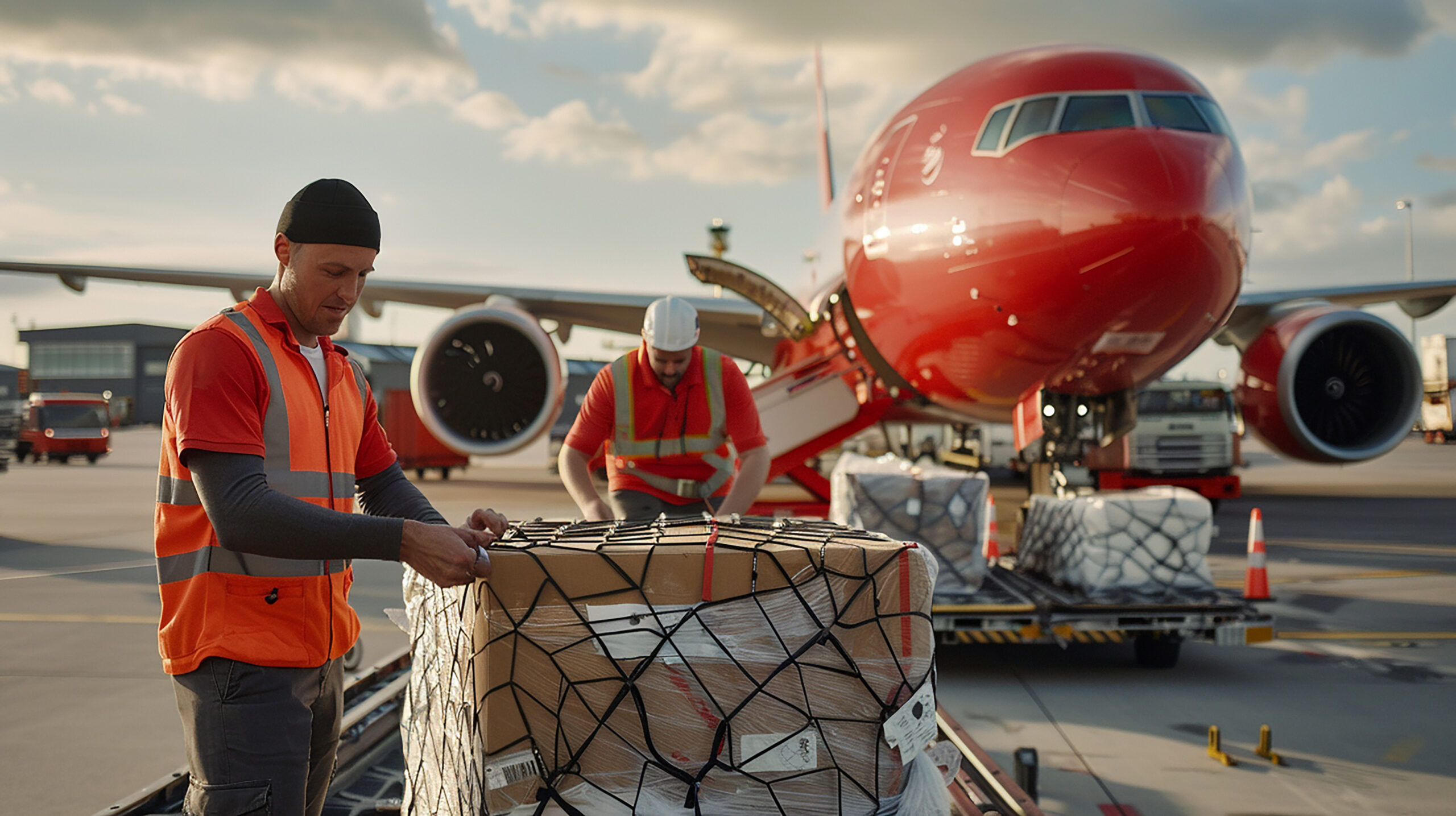
    Will Air Freight Customs Clearance Agents Drive the Next Wave of Efficient Air Cargo Operations?

    In today’s fast-moving global economy, speed is everything. Businesses rely heavily on air cargo to move high-value, time-sensitive, and perishable goods across borders. However, behind every successful shipment lies a complex regulatory process. This is where Air Freight Customs Clearance Agents play a vital role.

    As international trade regulations evolve and supply chains become more digitised, the role of customs professionals is no longer limited to paperwork. Instead, they are becoming strategic partners in improving efficiency, reducing risks, and ensuring compliance. But can they truly drive the next wave of efficient air cargo operations? Let’s explore.

    Understanding Air Freight Customs Clearance

    Air freight customs clearance is the process of obtaining permission from customs authorities for goods to enter or leave a country by air. It ensures that shipments comply with national laws, tariffs, taxes, and documentation requirements.

    The process typically involves:

    • Preparing and submitting customs declarations
    • Verifying commercial invoices and packing lists
    • Classifying goods under the correct tariff codes
    • Calculating and paying duties and taxes
    • Managing inspections and regulatory approvals
    • Ensuring compliance with import/export restrictions

    Without proper handling, shipments may face delays, penalties, storage charges, or even seizure.

    Why Efficiency in Air Cargo Matters More Than Ever

    Air cargo is chosen for speed and reliability. Industries such as pharmaceuticals, electronics, automotive parts, and e-commerce depend on precise delivery timelines. A single delay at customs can disrupt entire supply chains.

    Efficient customs clearance impacts:

    • Delivery timelines
    • Inventory management
    • Customer satisfaction
    • Cost control
    • Regulatory compliance

    As global trade volumes increase, customs processes must evolve. This is where professional Air Freight Customs Clearance Agents become essential contributors to operational excellence.

    The Expanding Role of Air Freight Customs Clearance Agents

    Traditionally, customs agents were seen primarily as intermediaries handling documentation. Today, their role is far broader and more strategic.

    1. Regulatory Expertise and Compliance Management

    International trade regulations are constantly changing. Importers and exporters must comply with customs laws, trade agreements, restricted goods lists, and security protocols.

    Air Freight Customs Clearance Agents ensure:

    • Accurate classification under HS codes
    • Correct valuation of goods
    • Proper origin documentation
    • Compliance with trade agreements
    • Adherence to security and safety standards

    This reduces the risk of audits, fines, and shipment delays.

    2. Digital Transformation and Automation

    Customs authorities worldwide are adopting electronic systems for declarations and risk assessments. Automation and pre-arrival processing are becoming standard practices.

    Professional agents leverage:

    • Electronic data interchange (EDI) systems
    • Automated customs declarations
    • Real-time tracking tools
    • Risk management software

    By using technology effectively, Air Freight Customs Clearance Agents help reduce processing times and improve accuracy.

    3. Risk Mitigation and Documentation Accuracy

    Errors in documentation are one of the most common causes of customs delays. Even small mistakes in invoice descriptions, valuation, or classification can result in inspections or penalties.

    Experienced agents:

    • Review documentation thoroughly
    • Ensure compliance before submission
    • Anticipate potential red flags
    • Coordinate with freight forwarders and airlines

    This proactive approach minimises operational disruptions.

    4. Duty and Tax Optimisation

    Customs duties and taxes represent a significant cost component in international trade. Understanding tariff structures and available relief schemes can lead to cost savings.

    Air Freight Customs Clearance Agents assist businesses by:

    • Advising on tariff classifications
    • Identifying eligibility for duty relief programmes
    • Ensuring accurate valuation
    • Managing temporary import procedures

    This strategic guidance helps companies remain competitive.

    5. Handling Complex and Sensitive Shipments

    Certain goods require additional regulatory approvals. These may include:

    • Pharmaceuticals
    • Food and perishable items
    • Dangerous goods
    • High-value electronics
    • Dual-use or controlled products

    Such shipments demand specialised knowledge and strict compliance procedures. Professional customs agents ensure that all regulatory checks are completed before cargo movement, preventing costly delays.

    How Agents Contribute to the Future of Air Cargo

    The next wave of efficient air cargo operations will likely be defined by:

    • Increased automation
    • Enhanced data transparency
    • Faster customs processing
    • Stronger compliance frameworks
    • Integration of AI and predictive analytics

    Air Freight Customs Clearance Agents are positioned at the centre of this transformation. Their ability to combine regulatory knowledge with digital systems makes them critical to modern logistics networks.

    As trade becomes more interconnected and regulated, the need for reliable expertise will continue to grow.

    Partnering with the Right Expertise

    For businesses operating in international markets, working with experienced professionals can make a significant difference. Companies such as Global Customs Clearance provide specialised support to ensure smooth customs processing for air cargo operations. Their expertise helps businesses navigate regulatory requirements with confidence.

    Choosing the right customs partner not only prevents delays but also strengthens operational resilience. With increasing compliance expectations, working with professionals such as Global Customs Clearance ensures that shipments move efficiently through customs procedures.

    So, will Air Freight Customs Clearance Agents drive the next wave of efficient air cargo operations? The answer is increasingly yes.

    As global trade grows more complex, customs clearance is no longer a back-office function. It is a strategic element of supply chain management. From regulatory compliance and documentation accuracy to digital integration and risk mitigation, Air Freight Customs Clearance Agents play a critical role in ensuring seamless cargo movement.

    Their expertise helps businesses reduce delays, control costs, and maintain compliance in a rapidly evolving trade environment. As technology continues to reshape logistics, customs professionals will remain essential drivers of efficiency, reliability, and operational success in air cargo.


    FAQs

    1. What do Air Freight Customs Clearance Agents do?

    They manage the customs process for goods transported by air, including documentation preparation, classification, duty calculation, compliance verification, and coordination with customs authorities.

    2. Why is customs clearance important in air freight?

    Customs clearance ensures that shipments comply with national regulations. Without proper clearance, goods may face delays, fines, or seizure.

    3. How can customs clearance agents reduce shipment delays?

    By ensuring accurate documentation, correct classification, and compliance with regulations before submission, agents minimise the risk of inspections and penalties.

    4. Do Air Freight Customs Clearance Agents help with duty savings?

    Yes. They can advise on tariff codes, relief schemes, and proper valuation methods that may reduce overall duty and tax costs.

    5. How will customs clearance evolve in the future?

    The future of customs clearance will likely involve greater digitalisation, automation, real-time data exchange, and stricter compliance standards, making professional expertise even more essential. 
  • Are You Losing Money Due to Poor Customs Handling Without a Customs Clearance Agency in the UK?

    Are You Losing Money Due to Poor Customs Handling Without a Customs Clearance Agency in the UK?

    In today’s fast-moving global trade environment, even a small customs error can lead to significant financial loss. From unexpected duties and storage charges to shipment delays and penalties, poor customs handling can quietly erode your profits. If your business imports or exports goods, working with a professional Customs Clearance Agency UK could be the difference between smooth operations and costly disruptions.

    This blog explores how customs clearance works, where businesses typically lose money, and why expert handling is essential for protecting your bottom line.

    Customs Clearance in the UK

    Customs clearance is the process of preparing and submitting documentation required to facilitate the import or export of goods across international borders. In the UK, this process involves compliance with HMRC regulations, accurate classification of goods, duty and VAT calculations, and electronic submission through customs systems.

    Since Brexit, customs procedures have become more detailed for UK–EU trade, increasing the administrative burden on businesses. Even experienced importers can find the evolving regulatory environment challenging to manage independently.

    A Customs Clearance Agency UK ensures that all necessary declarations are accurate, complete, and submitted on time—reducing risks and preventing unnecessary financial losses.

    Where Businesses Commonly Lose Money

    Many companies underestimate the complexity of customs procedures. Here are some of the most common areas where poor handling leads to avoidable expenses:

    1. Incorrect Commodity Codes

    Every product imported into the UK must be assigned a commodity code. This code determines the rate of duty and VAT applicable. Misclassification can result in:

    • Overpayment of duties
    • Underpayment leading to fines
    • Customs audits and shipment delays

    An experienced customs specialist ensures accurate classification, helping you avoid both overcharges and compliance risks.

    2. Errors in Documentation

    Incomplete or incorrect paperwork is one of the leading causes of shipment delays. Key documents typically include:

    • Commercial invoices
    • Packing lists
    • Bills of lading or airway bills
    • Certificates of origin
    • Import/export declarations

    Even minor inconsistencies—such as mismatched values or descriptions—can result in cargo being held at the border. Storage fees and demurrage charges can quickly add up.

    A reliable Customs Clearance Agency UK reviews documentation thoroughly before submission, preventing these costly mistakes.

    3. Delays at the Border

    Time is money in logistics. When goods are delayed due to compliance issues, businesses face:

    • Storage and demurrage fees
    • Missed delivery deadlines
    • Disrupted supply chains
    • Dissatisfied customers

    For manufacturers and retailers operating on tight timelines, delays can impact production schedules and sales targets.

    Professional customs agents streamline the process by ensuring all declarations are correct before goods arrive at the port, significantly reducing the likelihood of hold-ups.

    4. Incorrect Duty and VAT Calculations

    Duty and VAT are calculated based on:

    • Product classification
    • Country of origin
    • Customs value of goods
    • Applicable trade agreements

    Incorrect calculations can result in overpayment or penalties for underpayment. Additionally, businesses may miss opportunities to benefit from preferential trade agreements or duty relief schemes.

    A knowledgeable Customs Clearance Agency UK understands tariff structures and available relief options, helping businesses optimise costs while remaining fully compliant.

    5. Non-Compliance and Penalties

    Failure to comply with UK customs regulations can trigger:

    • Financial penalties
    • Investigations by HMRC
    • Revocation of authorisations
    • Reputational damage

    Customs regulations are detailed and subject to change. Keeping up with updates requires expertise and continuous monitoring.

    By working with a professional team, businesses reduce compliance risks and operate with greater confidence.

    The Role of a Customs Clearance Agency

    A professional customs agency provides comprehensive support across the entire clearance process, including:

    • Import and export declarations
    • Tariff classification
    • Duty and VAT calculation
    • Advice on regulatory requirements
    • Liaison with HMRC
    • Transit documentation
    • Special procedures such as inward or outward processing

    Beyond documentation, customs experts act as advisors. They help businesses understand their obligations, identify potential cost-saving opportunities, and maintain smooth cross-border operations.

    Why Expertise Matters More Than Ever

    The UK’s customs landscape has become increasingly complex. Regulatory changes, evolving trade agreements, and digital customs systems require technical knowledge and practical experience.

    Attempting to manage customs in-house without adequate expertise can strain internal resources and increase the likelihood of costly mistakes. Businesses that rely on professional services benefit from:

    • Faster clearance times
    • Reduced administrative burden
    • Lower risk exposure
    • Improved cash flow management

    For companies involved in regular international trade, partnering with a dedicated Customs Clearance Agency UK is often more cost-effective than handling processes internally.

    Supporting Business Efficiency and Growth

    Efficient customs clearance is not just about compliance—it is about enabling growth. When shipments move smoothly across borders:

    • Supply chains remain stable
    • Inventory levels are predictable
    • Customer satisfaction improves
    • Operational costs stay under control

    For businesses looking to expand internationally, reliable customs handling provides a strong operational foundation.

    At Global Customs, the focus is on delivering structured and compliant clearance solutions tailored to each client’s requirements. Their experience in UK customs procedures allows businesses to navigate regulatory complexities with greater ease.

    By ensuring accurate documentation and proactive compliance management, Global Customs helps reduce financial risks associated with poor customs handling.

    Are you losing money due to poor customs handling? If your business is experiencing shipment delays, unexpected charges, or compliance concerns, the answer may be yes.

    Customs clearance is a highly specialised process that demands accuracy, regulatory knowledge, and attention to detail. Even small errors can result in significant financial consequences. Partnering with a professional Customs Clearance Agency UK helps safeguard your operations, protect your profits, and ensure smooth international trade.

    In a competitive global marketplace, efficient customs management is not optional—it is essential. Investing in expert support today can prevent costly mistakes tomorrow and position your business for long-term success.

  • What Do Customs Clearance Agents UK Actually Do for Freight Forwarders and Importers?

    What Do Customs Clearance Agents UK Actually Do for Freight Forwarders and Importers?

    In today’s fast-moving global trade environment, freight forwarders and importers face increasing regulatory pressure, tighter border controls, and complex documentation requirements. Whether goods are arriving by sea, air, or road, customs compliance is no longer just a procedural formality—it is a critical part of supply chain management.

    This is where Customs Clearance Agents UK play a central role. But what exactly do they do, and why are they so essential for smooth import and export operations? Let’s break down the full scope of customs clearance and the value these professionals bring to businesses operating in the UK.

    The Role of Customs Clearance Agents

    At its core, customs clearance is the process of preparing and submitting documentation required to facilitate the import or export of goods across international borders. However, the process involves much more than simply filing paperwork.

    Customs Clearance Agents UK act as intermediaries between businesses and customs authorities, ensuring that goods comply with all applicable laws, regulations, and tax requirements. Their primary goal is to ensure shipments move efficiently while avoiding penalties, delays, or compliance issues.

    They work closely with freight forwarders, shipping lines, transport companies, and import/export businesses to coordinate documentation, duties, and regulatory approvals.

    1. Preparing and Submitting Customs Declarations

    One of the most critical responsibilities of customs agents is preparing accurate customs declarations. Every shipment entering or leaving the UK must be declared correctly to customs authorities.

    This includes:

    • Commodity classification (HS codes)
    • Accurate product descriptions
    • Customs valuation
    • Country of origin details
    • Duty and VAT calculations

    Incorrect declarations can lead to shipment delays, inspections, fines, or even seizure of goods. Professional agents ensure documentation is complete and compliant before submission.

    2. Tariff Classification and Duty Calculation

    Determining the correct tariff classification is one of the most complex aspects of customs clearance. Each product must be assigned a Harmonised System (HS) code that determines the applicable duty rate.

    Misclassification can result in:

    • Overpayment of duties
    • Underpayment and penalties
    • Post-clearance audits

    Customs Clearance Agents UK possess in-depth knowledge of tariff schedules and trade agreements. They ensure the correct classification is applied, helping importers manage costs while staying compliant.

    3. Managing Duty and VAT Payments

    When goods enter the UK, customs duties and import VAT may be payable. Agents:

    • Calculate the exact amount due
    • Advise on deferment accounts
    • Coordinate timely payment to avoid clearance delays
    • Ensure VAT documentation is correctly processed for accounting purposes

    For freight forwarders handling multiple consignments daily, having a customs expert manage duty payments reduces operational strain and prevents bottlenecks.

    4. Ensuring Regulatory Compliance

    Customs regulations extend beyond tariffs and taxes. Many goods are subject to additional controls, such as:

    • Sanitary and phytosanitary regulations
    • Health and safety certifications
    • Licensing requirements
    • Controlled goods approvals
    • Anti-dumping measures

    Failure to comply with these requirements can result in significant delays or financial losses. Professional agents stay updated on evolving UK trade laws and ensure all regulatory obligations are met before shipment arrival.

    5. Liaising with Customs Authorities

    Customs queries and inspections are common in international trade. When issues arise, customs agents communicate directly with border authorities to:

    • Clarify discrepancies
    • Submit additional documentation
    • Resolve compliance concerns
    • Facilitate inspections

    This direct liaison role protects freight forwarders and importers from unnecessary complications and ensures faster resolution of any challenges.

    6. Supporting Freight Forwarders with Operational Efficiency

    Freight forwarders manage transportation, warehousing, and logistics coordination. Adding complex customs procedures to their responsibilities can create operational strain.

    By partnering with Customs Clearance Agents UK, freight forwarders can:

    • Focus on logistics operations
    • Reduce administrative workload
    • Improve shipment turnaround times
    • Offer complete end-to-end services to clients

    Specialist providers like Global Customs Clearance support freight and logistics companies by ensuring all customs procedures are handled accurately and efficiently.

    7. Handling Post-Brexit Trade Requirements

    Since the UK’s exit from the European Union, cross-border trade procedures have become more complex. Businesses must now navigate:

    • Full customs declarations for EU trade
    • Rules of origin compliance
    • Changes in VAT treatment
    • Border control documentation

    Customs specialists help importers and freight companies adapt to these regulatory changes, ensuring trade flows smoothly between the UK and EU markets.

    8. Reducing Delays and Minimising Risk

    Border delays can disrupt supply chains, impact delivery schedules, and damage client relationships. Even minor errors in documentation can result in costly holdups.

    Professional customs agents:

    • Conduct pre-clearance checks
    • Verify documentation before goods arrive
    • Anticipate compliance issues
    • Reduce the likelihood of inspections

    Their proactive approach minimises risk and ensures faster cargo release at ports and airports.

    9. Providing Expert Guidance and Advisory Services

    Beyond transaction processing, customs agents serve as advisors. They help businesses understand:

    • Trade agreements and preferential duty rates
    • Customs warehousing options
    • Temporary admissions
    • Inward and outward processing relief
    • Import/export best practices

    For growing businesses entering international markets, this guidance can be invaluable in building a compliant and cost-effective trade strategy.

    Organisations such as Global Customs Clearance work closely with clients to provide tailored advice based on shipment types, industry sector, and trading routes.

    Why Customs Expertise Matters More Than Ever

    In modern international trade, customs clearance is not just a checkpoint—it is a strategic function within supply chain management. Errors can be expensive, time-consuming, and damaging to business credibility.

    For freight forwarders, customs specialists ensure seamless coordination between transport and compliance. For importers, they provide peace of mind that goods will clear without unnecessary obstacles.

    By working with experienced Customs Clearance Agents UK, businesses can streamline operations, remain compliant, and maintain efficient cross-border trade.

    So, what do Customs Clearance Agents UK actually do for freight forwarders and importers?

    They manage documentation, calculate duties, ensure regulatory compliance, communicate with customs authorities, reduce delays, and provide expert advisory support. In short, they act as the backbone of compliant and efficient international trade operations.

    As global trade regulations continue to evolve, partnering with experienced customs professionals is no longer optional—it is essential. With the right expertise in place, businesses can move goods confidently across borders while protecting their time, costs, and reputation. 

  • Post-Brexit Trade: What Changed in Customs Clearance United Kingdom?

    Post-Brexit Trade: What Changed in Customs Clearance United Kingdom?

    The United Kingdom’s departure from the European Union has reshaped the way goods move across borders. Businesses that once traded freely with EU partners must now follow a full range of customs formalities. For many importers and exporters, understanding Customs Clearance United Kingdom procedures has become essential to maintaining smooth supply chains, avoiding penalties, and controlling costs.

    This article explains what changed after Brexit, the processes traders must now follow, and how businesses can remain compliant in a new regulatory environment.

    Life Before Brexit vs. Today

    Before Brexit, trade between the UK and EU member states operated within the single market. Goods moved without customs declarations, routine border checks, or additional duties (subject to certain exceptions like excise goods). Administrative requirements were minimal, allowing faster deliveries and simplified logistics.

    Today, UK–EU trade is treated similarly to trade with the rest of the world. Shipments require customs declarations, commodity codes, valuation, origin evidence, and, in some cases, safety and security filings. This shift has increased paperwork and introduced new responsibilities for traders on both sides.

    The Core Elements of Customs Clearance

    To understand the modern Customs Clearance United Kingdom landscape, it helps to break the process into its key components.

    1. Commodity Classification

    Every product must be assigned a Harmonised System (HS) or commodity code. This code determines duty rates, VAT treatment, licensing requirements, and whether additional controls apply. Errors in classification can lead to overpayments, delays, or compliance risks.

    2. Customs Valuation

    The declared value of goods forms the basis for calculating duties and import VAT. Traders must include elements such as transport, insurance, and certain commissions where applicable. Authorities expect transparent and well-documented calculations.

    3. Rules of Origin

    Under the UK–EU Trade and Cooperation Agreement, zero tariffs may apply if goods meet origin requirements. However, preferential treatment is not automatic. Importers must hold valid proof that products qualify.

    4. Import and Export Declarations

    Electronic submissions through customs systems are mandatory. These declarations capture detailed data about the shipment, including the trader, commodity codes, customs procedure codes, and transport information.

    5. Duties and Taxes

    Depending on classification and origin, businesses may need to pay customs duties, excise, and VAT. Postponed VAT accounting has become an important mechanism for managing cash flow.

    6. Licences and Controls

    Certain goods, such as food products, chemicals, or military items, require additional permissions. Sanitary and phytosanitary measures have become especially important in agri-food trade.

    Border Checks and Delays

    One of the most visible changes since Brexit is the introduction of routine border formalities. Goods may be held for documentary verification or physical inspection. Even minor discrepancies can lead to delays, which affect delivery commitments and storage costs.

    Preparation is therefore critical. Accurate paperwork, pre-lodged declarations, and reliable data exchange between supply chain partners significantly reduce disruption.

    New Responsibilities for Businesses

    Brexit has shifted accountability. Traders can no longer assume that logistics providers will automatically manage compliance. Importers and exporters are legally responsible for the accuracy of submitted information.

    Companies must now:

    • Maintain detailed records for audits
    • Understand Incoterms and who acts as importer of record
    • Monitor regulatory updates
    • Train staff involved in shipping and procurement

    Working knowledge of Customs Clearance United Kingdom rules is no longer optional; it is a core business function.

    Financial and Operational Impact

    The introduction of customs procedures has influenced both cost structures and timelines. Businesses may face:

    • Administrative expenses
    • Brokerage and representation fees
    • Duty liabilities
    • Longer lead times

    At the same time, organisations that adapt quickly can create competitive advantages through efficient planning and compliance reliability.

    The Role of Professional Expertise

    Given the complexity of post-Brexit trade, many companies seek professional assistance to ensure declarations are accurate and submitted on time. Specialists can support classification, origin analysis, customs warehousing, transit movements, and communication with border authorities.

    Global Customs works with traders to clarify obligations, reduce errors, and help shipments move efficiently through ports and terminals. Their experience across diverse sectors allows businesses to navigate changing regulations with greater confidence.

    Technology and Digital Transformation

    Automation has become a vital part of modern customs management. Electronic data interchange, document management systems, and integrated logistics platforms improve visibility and reduce manual mistakes. Traders who invest in digital tools often achieve faster processing and better audit readiness.

    Staying Compliant in a Changing Environment

    Customs regulations continue to evolve. Transitional arrangements are phased out, new border models are introduced, and international agreements may modify duty structures. Businesses must stay informed and review their procedures regularly.

    Engaging with knowledgeable partners such as Global Customs can help organisations remain updated while focusing on their core operations.

    Brexit fundamentally transformed how goods move between the UK and its trading partners. What was once frictionless now requires structured documentation, careful classification, and strict compliance management. Understanding each element of Customs Clearance United Kingdom is essential for avoiding delays, reducing financial exposure, and protecting commercial relationships.

    While the system may appear complex, preparation, accurate information, and professional guidance make successful cross-border trade entirely achievable. Businesses that treat customs as a strategic priority will be best positioned to thrive in the post-Brexit trading era. 

  • Customs Glossary: Key Terms Every Importer & Exporter Should Know

    Customs Glossary: Key Terms Every Importer & Exporter Should Know

    Why a Customs Glossary Matters

    Customs terminology can feel overwhelming — especially when you’re dealing with declarations, duty calculations, port procedures, and international regulations. Our Customs Glossary is designed to give you clear, simple explanations of the most important terms you’ll encounter in global trade.

    Whether you’re new to importing or exporting, or you simply want a reliable reference point, this glossary helps you understand the language of customs so you can trade with confidence.

    Essential Customs Terms Explained

    Bill of Lading (B/L)

    A transport document issued by a carrier. It acts as:

    • A receipt for goods
    • A contract of carriage
    • A document of title (depending on type)

    Used mainly for sea freight.

    C88 / SAD (Single Administrative Document)

    The main customs declaration form used for imports and exports in the UK. Now submitted electronically via CDS.

    CDS (Customs Declaration Service)

    The UK’s digital platform for submitting import and export declarations, replacing CHIEF.

    Commodity Code / HS Code

    A numerical code used to classify goods for customs purposes. Determines:

    • Duty rates
    • VAT
    • Restrictions
    • Licensing requirements
    • Origin rules

    Customs Duty

    A tax charged on imported goods based on their commodity code, value, and origin.

    Customs Warehouse

    A bonded facility where goods can be stored without paying duty or VAT until released into free circulation.

    Deferment Account

    An account that allows importers to defer payment of duty and VAT, usually settling monthly instead of per shipment.

    Duty Relief

    Schemes that reduce or eliminate import duties under specific conditions (e.g., IP, OP, RGR, TA).

    EORI Number

    A unique identification number required for businesses trading with the UK or EU. Needed for customs declarations.

    EX‑A

    An export declaration used for goods leaving the UK. Required for most commercial exports.

    Free Circulation

    Goods that have cleared customs and had all duties and taxes paid. They can move freely within the UK.

    Incoterms

    International commercial terms that define responsibilities between buyers and sellers, including:

    • Who pays for transport
    • Who handles customs
    • Who carries risk

    Examples: EXW, FOB, CIF, DDP.

    Inward Processing (IP)

    A duty relief scheme allowing goods to be imported for processing or repair without paying duty or VAT.

    LRN (Local Reference Number)

    A unique reference used when creating a T1 transit document. Identifies the transit movement before release.

    MRN (Movement Reference Number)

    A unique number assigned to customs declarations, transit documents, and export entries. Used to track shipments.

    Outward Processing (OP)

    Allows goods to be exported for repair or processing and then re‑imported with reduced or zero duty.

    Preferential Origin

    A status that allows goods to qualify for reduced or zero duty under Free Trade Agreements.

    Quay Rent / Demurrage

    Charges applied when containers remain at the port or terminal beyond the free period.

    Returned Goods Relief (RGR)

    Allows goods previously exported from the UK to be re‑imported without paying duty or VAT.

    T1 Transit Document

    A customs document that allows goods to move through the UK or EU under customs control without paying duty until they reach their final destination.

    Temporary Admission (TA)

    Allows goods to enter the UK temporarily without paying duty or VAT, provided they are re‑exported.

    VAT Postponed Accounting

    Allows import VAT to be accounted for on a VAT return instead of paying it at the border.

    How This Glossary Helps Your Business

    Understanding customs terminology helps you:

    • Communicate clearly with carriers, agents, and suppliers
    • Avoid misunderstandings and delays
    • Stay compliant with customs regulations
    • Make informed decisions about duty relief and procedures
    • Improve your overall supply chain efficiency

    This glossary is designed to be a practical, everyday reference for anyone involved in international trade.

    Explore More in Our Knowledge Hub

    Our knowledge Hub also includes:

    • HS Code Guides
    • Duty Relief Guides
    • Port Guides
    • Step‑by‑step customs tutorials
    • Practical compliance checklists

    If you need help with any customs term or process, our specialists are here to support you.

    Get in touch for expert customs advice and guidance.

  • Importer Checklists: Your Essential Guide to Smooth, Compliant UK Imports

    Importer Checklists: Your Essential Guide to Smooth, Compliant UK Imports

    Why Importer Checklists Matter

    Importing goods into the UK involves multiple moving parts — customs rules, documentation, port procedures, duty calculations, and supplier coordination. A single missing detail can cause delays, extra charges, or even customs intervention. Our Importer Checklists give you a clear, step‑by‑step framework to prepare every shipment correctly, reduce risk, and keep your supply chain running smoothly.

    Whether you’re a first‑time importer or managing high‑volume operations, these checklists help you stay organised, compliant, and confident.

    The Complete Importer Checklist

    1. Business & Compliance Setup

    Before importing, ensure your business is properly registered and authorised:

    • UK EORI number
    • VAT registration (if applicable)
    • Access to CDS (Customs Declaration Service)
    • Deferment account or payment method for duty/VAT
    • Any required licences or certificates
    • Clear understanding of Incoterms and responsibilities

    These are the foundations of compliant importing.

    2. Product Classification Checklist

    Correct classification determines duty, VAT, restrictions, and origin eligibility.

    • Identify the correct HS/commodity code
    • Confirm duty and VAT rates
    • Check for import controls or licensing
    • Review rules of origin
    • Confirm if preferential duty applies
    • Ensure product descriptions match the tariff

    Misclassification is one of the most common causes of customs delays.

    3. Supplier Documentation Checklist

    Accurate supplier documents are essential for smooth clearance.

    • Commercial invoice
    • Packing list
    • Bill of lading / airway bill
    • Certificates of origin (if claiming preference)
    • Product specifications
    • Safety or compliance certificates (if required)
    • Any licences or permits

    Ensure all details match — quantities, values, weights, and descriptions.

    4. Customs Declaration Checklist

    Before submitting an import declaration, verify:

    • Correct HS code
    • Accurate customs value
    • Incoterms match the invoice
    • Correct origin declared
    • Duty reliefs applied (if eligible)
    • Correct procedure codes (IP, OP, RGR, TA, warehousing)
    • Accurate weights, quantities, and descriptions
    • MRN and references match transport documents

    A well‑prepared declaration avoids queries and delays.

    5. Port & Transport Requirements

    Each port and carrier has its own processes. Check:

    • Arrival notices
    • Terminal handling charges
    • Port references (e.g., container numbers, VBS bookings)
    • Haulier instructions
    • T1 or transit requirements
    • Storage deadlines to avoid quay rent or demurrage

    Good coordination prevents costly delays.

    6. Duty & VAT Checklist

    Before goods arrive, confirm:

    • Duty rate based on HS code
    • VAT rate
    • Preferential origin eligibility
    • Whether you’re using postponed VAT accounting
    • Whether a deferment account is needed
    • Any applicable duty relief schemes

    Correct planning helps manage cash flow and avoid overpayments.

    7. Post‑Clearance Checklist

    After goods are released, ensure:

    • All documents are stored for audit
    • Duty/VAT payments are correct
    • Any amendments are submitted promptly
    • Records meet HMRC retention rules
    • Preferential origin evidence is kept
    • Duty relief conditions are met (e.g., re‑export deadlines)

    Good record‑keeping protects your business during audits.

    Common Importing Mistakes to Avoid

    Many importers run into issues because of:

    • Incorrect HS codes
    • Missing or inaccurate invoices
    • Misunderstood Incoterms
    • Incorrect origin declarations
    • Missing licences or certificates
    • Poor communication with suppliers
    • Not preparing for port‑specific requirements
    • Failing to meet duty relief conditions

    A structured checklist helps prevent these costly errors.

    How Our Importer Checklists Support Your Business

    Using our checklists ensures:

    • Faster customs clearance
    • Fewer delays and queries
    • Lower risk of penalties
    • Accurate duty and VAT payments
    • Better communication with suppliers and hauliers
    • Stronger compliance and audit readiness

    They’re practical, easy to follow, and suitable for businesses of all sizes.

    Explore More in Our Knowledge Hub

    Our knowledge Hub also includes:

    • HS Code Guides
    • Duty Relief Guides
    • Port Guides
    • Customs Glossary
    • Step‑by‑step import and export tutorials

    If you need help preparing for your next import, our customs specialists are ready to support you.

    Get in touch for expert customs advice and importer guidance.

  • CDS vs CHIEF Guides: Understanding the UK’s Customs System Transition

    CDS vs CHIEF Guides: Understanding the UK’s Customs System Transition

    Why This Guide Matters

    For decades, UK customs declarations were processed through CHIEF (Customs Handling of Import and Export Freight). That changed with the introduction of CDS (Customs Declaration Service), the UK’s modern platform for managing import and export declarations.

    The transition from CHIEF to CDS affects every importer, exporter, and customs agent. Understanding the differences helps businesses stay compliant, avoid delays, and prepare for future changes in UK customs processes.

    This guide breaks down the key differences between CDS and CHIEF in a clear, practical way.

    What Is CHIEF?

    CHIEF was the UK’s long‑standing customs system used to process import and export declarations. It served the industry for over 30 years but had limitations:

    • Outdated technology
    • Limited flexibility
    • Not aligned with modern international data standards
    • Difficult to scale for post‑Brexit trade volumes

    CHIEF has now been fully replaced by CDS for imports and exports.

    What Is CDS?

    CDS (Customs Declaration Service) is the UK’s new digital platform for customs declarations. It is designed to:

    • Support modern international data standards (WCO, EU UCC)
    • Handle higher volumes of trade
    • Provide more detailed data for compliance
    • Integrate with government systems
    • Offer improved reporting and payment options

    CDS is now the only system for submitting UK import and export declarations.

    Key Differences: CDS vs CHIEF

    1. Data Requirements

    CDS requires more detailed data than CHIEF, including:

    • Additional procedure codes (APCs)
    • More granular commodity information
    • Detailed valuation breakdowns
    • Clearer origin and preference data
    • Expanded document codes

    This improves compliance but requires more preparation.

    2. Declaration Structure

    CHIEF used a “box‑based” format.
    CDS uses a data element (DE) structure aligned with international standards.

    Examples:

    • CHIEF Box 44 → CDS DE 2/3
    • CHIEF Box 8 → CDS DE 3/1

    This means declarations look different and require updated software or agent knowledge.

    3. Payment Methods

    CDS introduces new and more flexible payment options:

    • Immediate card payments
    • Duty deferment accounts (new setup required)
    • Cash accounts
    • Postponed VAT accounting (PVA)
    • Guarantee management

    Businesses must set up their CDS payment accounts before importing.

    4. Procedure Codes

    CHIEF used a single 4‑digit procedure code.
    CDS uses:

    • A 4‑digit customs procedure code (CPC)
    • A 3‑digit additional procedure code (APC)

    This allows more precise declaration types but requires correct combinations.

    5. Documentation & Codes

    CDS uses updated document codes and formats.
    Some CHIEF codes no longer apply.

    Examples:

    • New document codes for origin
    • Updated preference codes
    • Revised licence and certificate references

    6. User Interface & Access

    CHIEF access was managed through older HMRC systems.
    CDS requires:

    • Government Gateway login
    • CDS financial dashboard setup
    • Authorisation for software or agents
    • Access to the Trader Dress Rehearsal (TDR) environment for testing

    Benefits of CDS Over CHIEF

     More accurate and detailed declarations

    Better compliance and fewer errors.

     Modern, scalable system

    Built for post‑Brexit trade volumes.

     Improved financial management

    Real‑time duty/VAT visibility and flexible payment options.

     Better integration with other HMRC systems

    Streamlined processes for traders and agents.

    Challenges Businesses Face With CDS

    • More complex data requirements
    • New codes and declaration formats
    • Need to update internal processes
    • Additional training for staff
    • Setting up CDS financial accounts
    • Ensuring software compatibility

    Many businesses underestimate the preparation needed.

    How to Prepare for CDS (If You Haven’t Already)

    • Ensure your EORI is active
    • Set up your CDS financial accounts
    • Review your HS codes and valuation methods
    • Update internal documentation templates
    • Train staff on CDS data elements
    • Confirm your customs agent is CDS‑ready
    • Review procedure codes and APC combinations

    Preparation reduces the risk of rejected declarations.

    How We Support CDS Declarations

    We help businesses transition smoothly by providing:

    • Full CDS import and export declarations
    • Guidance on data elements and codes
    • Support with duty reliefs and procedure codes
    • Setup help for CDS financial accounts
    • Compliance checks before submission
    • Ongoing customs support and troubleshooting

    Our team ensures your declarations are accurate, compliant, and processed without delays.

    Explore More in Our Knowledge Hub

    Our Knowledge Hub also includes:

    • HS Code Guides
    • Duty Relief Guides
    • Port Guides
    • Importer Checklists
    • Customs Glossary

    If you need help with CDS declarations or understanding the differences from CHIEF, our customs specialists are ready to support you.

    Get in touch for expert CDS guidance and customs compliance support.

  • How to Avoid Port Delays: A Practical Guide for Importers & Exporters

    How to Avoid Port Delays: A Practical Guide for Importers & Exporters

    Why Port Delays Happen

    Port delays are one of the most common — and costly — issues in international trade. They can be caused by missing documents, incorrect customs data, haulier issues, port congestion, or simple miscommunication between parties. The good news is that most delays are avoidable with the right preparation and processes.

    This guide gives you clear, practical steps to keep your goods moving through UK ports without unnecessary hold‑ups, storage charges, or demurrage.

    1. Get Your Documentation Right First Time

    Most port delays come down to incorrect or incomplete paperwork. Before your goods arrive, ensure:

    • Commercial invoice is accurate
    • Packing list matches the shipment
    • HS/commodity codes are correct
    • Origin is declared correctly
    • Certificates or licences are included (if required)
    • Transport documents match the declaration
    • Container numbers and weights are correct

    A single mismatch can trigger a customs query or inspection.

    2. Submit Customs Declarations Early

    Late or incorrect declarations are a major cause of port delays. To avoid issues:

    • Submit import/export declarations before arrival
    • Ensure all data elements in CDS are correct
    • Use the correct procedure and additional procedure codes
    • Apply duty reliefs correctly (if applicable)
    • Double‑check values, weights, and descriptions

    Early submission gives time to resolve any queries before the vessel lands.

    3. Communicate Clearly With Your Haulier

    Hauliers often arrive at ports without the correct references or instructions. To avoid this:

    • Provide MRN numbers
    • Provide port references (e.g., VBS bookings, container IDs)
    • Confirm whether a T1 is required
    • Share arrival notices and release references
    • Ensure the haulier knows the correct terminal

    Clear communication prevents wasted trips and delays at the gate.

    4. Understand Port‑Specific Requirements

    Every UK port has its own systems and quirks. For example:

    • Felixstowe uses VBS and strict slot bookings
    • Southampton has specific RoRo and container processes
    • London Gateway relies heavily on digital systems
    • Tilbury has multiple terminals with different rules
    • Liverpool requires accurate arrival references

    Knowing the port’s procedures helps you avoid avoidable bottlenecks.

    5. Ensure T1 / Transit Documents Are Correct

    If your goods are moving under transit:

    • Ensure the T1 is created before arrival
    • Provide the LRN to the haulier
    • Confirm the office of departure
    • Ensure the destination office will discharge the T1
    • Check that the haulier understands transit requirements

    Incorrect or missing T1 documents can stop a truck at the port instantly.

    6. Avoid Common Errors That Trigger Inspections

    Customs may intervene if they spot:

    • Incorrect HS codes
    • Suspiciously low values
    • Incomplete descriptions
    • Missing licences
    • Incorrect origin claims
    • Weight discrepancies
    • Dangerous goods without proper documentation

    Accurate data reduces the risk of inspections and holds.

    7. Monitor Vessel Arrivals & Port Congestion

    Ports can become congested due to:

    • Weather
    • Strikes
    • Peak season
    • Terminal closures
    • High container volumes

    Tracking vessel ETA and port status helps you plan haulier arrivals and avoid unnecessary waiting time.

    8. Keep Your Supplier Aligned

    Many delays originate at the source. Make sure your supplier:

    • Provides documents early
    • Uses correct HS codes
    • Matches invoice and packing list details
    • Confirms container loading accuracy
    • Shares shipping documents promptly

    A well‑organised supplier reduces downstream problems.

    9. Use a Reliable Customs Agent

    A knowledgeable customs partner helps you avoid:

    • Incorrect declarations
    • Missed duty relief opportunities
    • Port queries
    • Transit errors
    • Documentation mismatches

    Expert support keeps your goods moving and protects you from compliance issues.

    10. Prepare for Post‑Clearance Requirements

    Even after release, you must:

    • Store documents for audit
    • Check duty/VAT payments
    • Submit amendments if needed
    • Meet duty relief conditions
    • Track T1 discharges

    Good post‑clearance management prevents future delays and penalties.

    Common Causes of Port Delays

    • Incorrect HS codes
    • Missing MRN or port references
    • Late customs declarations
    • Incorrect container numbers
    • Miscommunication with hauliers
    • Missing licences or certificates
    • Transit documents not raised
    • Supplier errors
    • Port congestion

    Most of these can be prevented with good preparation.

    How We Help You Avoid Port Delays

    We support businesses with:

    • Fast, accurate customs declarations
    • T1 transit documents
    • Port‑specific guidance
    • Supplier document checks
    • Haulier coordination
    • Compliance reviews
    • Real‑time support during clearance

    Our goal is simple: keep your goods moving and eliminate avoidable delays.

    Explore More in Our Knowledge Hub

    You can also read:

    • Importer Checklists
    • Port Guides
    • HS Code Guides
    • Duty Relief Guides
    • Customs Glossary

    If you want help preventing port delays on your next shipment, our customs specialists are ready to support you.

    Get in touch for expert customs and port‑clearance guidance.

  • How to Classify Goods Correctly: A Practical Guide for Importers & Exporters

    How to Classify Goods Correctly: A Practical Guide for Importers & Exporters

    Why Correct Classification Matters

    Correctly classifying your goods is one of the most important steps in international trade. Your HS/commodity code determines:

    • Duty rates
    • VAT liability
    • Import/export restrictions
    • Licensing requirements
    • Rules of origin eligibility
    • Safety and compliance obligations
    • Statistical reporting

    A single incorrect code can lead to delays, penalties, overpayment of duty, or even seizure of goods. This guide gives you a clear, structured approach to classifying goods accurately and confidently.

    1. Understand What HS Codes Are

    HS Codes (Harmonised System Codes) are internationally recognised product classifications. They follow a global structure:

    • 6 digits – International HS code
    • 8 digits – EU Combined Nomenclature (CN)
    • 10 digits – UK Tariff code

    Example:
    8525 80 91 – Digital cameras

    Understanding this structure helps you navigate the tariff more effectively.

    2. Gather Full Product Information

    Accurate classification starts with understanding the product. You need:

    • What the product is
    • What it’s made of
    • How it works
    • Its purpose or function
    • Technical specifications
    • Composition breakdown (if mixed materials)
    • Whether it’s part of a set or kit

    The more detail you have, the easier it is to classify correctly.

    3. Use the UK Trade Tariff

    Search the tariff using:

    • Keywords
    • Product descriptions
    • Material type
    • Function
    • Industry category

    When reviewing a code, check:

    • Duty rate
    • VAT rate
    • Import/export measures
    • Licensing requirements
    • Additional notes

    Always read the full chapter and heading notes — they often contain crucial details.

    4. Apply the General Rules of Interpretation (GRIs)

    The GRIs are the legal rules used to classify goods. They help you decide:

    • Which heading best describes the product
    • How to classify mixed‑material goods
    • How to classify sets or kits
    • How to classify incomplete or unassembled items

    Most classification disputes come down to incorrect application of these rules.

    5. Check Explanatory Notes

    The WCO and UK explanatory notes provide deeper guidance on:

    • Borderline products
    • Technical definitions
    • Industry‑specific classifications
    • Exceptions and exclusions

    These notes are invaluable for complex or unusual goods.

    6. Consider the Product’s Primary Function

    Many products could fit multiple headings. In these cases, classify based on:

    • The product’s main purpose
    • How it is normally used
    • What gives it its essential character

    This is especially important for:

    • Multi‑function devices
    • Kits and sets
    • Composite goods

    7. Avoid Common Classification Mistakes

    Many traders run into problems because they:

    • Copy supplier codes without checking
    • Choose codes based on duty rate rather than description
    • Use Google instead of the official tariff
    • Ignore chapter and section notes
    • Misclassify multi‑component goods
    • Fail to update codes after tariff changes

    Correct classification protects your business from costly errors.

    8. Review Rules of Origin

    HS codes are essential for determining whether goods qualify for preferential duty rates under Free Trade Agreements.

    Rules of origin may require:

    • A specific HS code shift
    • A minimum percentage of local content
    • A specific manufacturing process

    Incorrect classification can invalidate your origin claim.

    9. Keep Evidence for Audit

    HMRC may request proof of how you classified your goods. Keep:

    • Product specifications
    • Technical sheets
    • Supplier descriptions
    • Classification notes
    • Internal decision records

    Good documentation protects you during audits.

    10. Seek Professional Support When Needed

    Some products are genuinely complex to classify, including:

    • Electronics
    • Machinery
    • Chemicals
    • Textiles
    • Multi‑component goods
    • Kits and sets

    A customs specialist can help you avoid disputes, delays, and penalties.

    How We Help You Classify Goods Correctly

    We support businesses with:

    • Full HS code classification
    • Verification of supplier‑provided codes
    • Classification for new product lines
    • Support with complex or technical goods
    • Rules of origin guidance
    • Ongoing compliance reviews

    Our goal is simple: accurate classification, full compliance, and no surprises at the border.

    Explore More in Our Knowledge Hub

    You can also read:

    • HS Code Guides
    • Importer Checklists
    • Duty Relief Guides
    • Port Guides
    • Customs Glossary

    If you need help classifying your goods correctly, our customs specialists are ready to support you.

    Get in touch for expert classification and customs compliance guidance

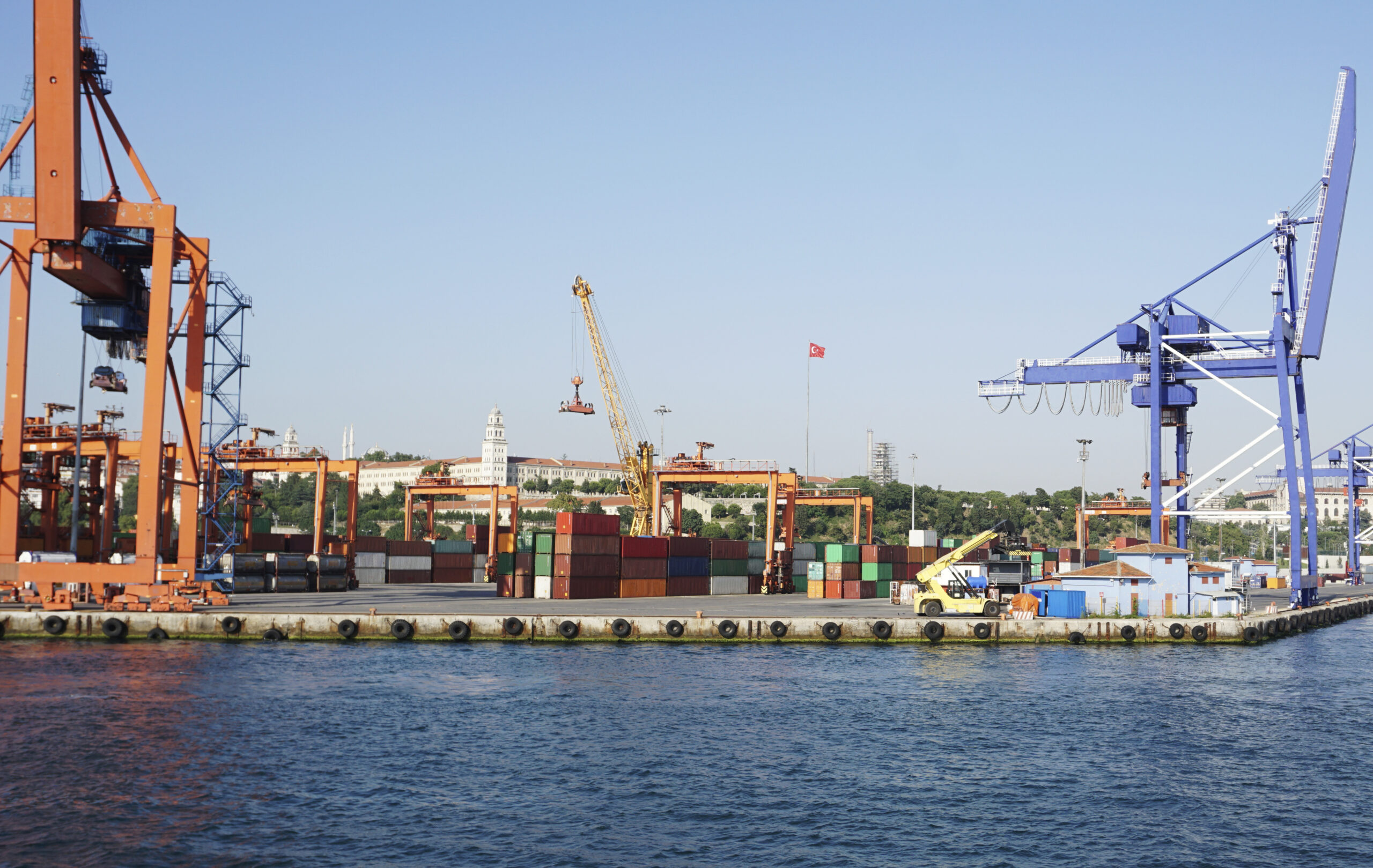
  • Why Is Felixstowe a Critical Hub for Efficient Customs Clearance in the UK?

    Why Is Felixstowe a Critical Hub for Efficient Customs Clearance in the UK?

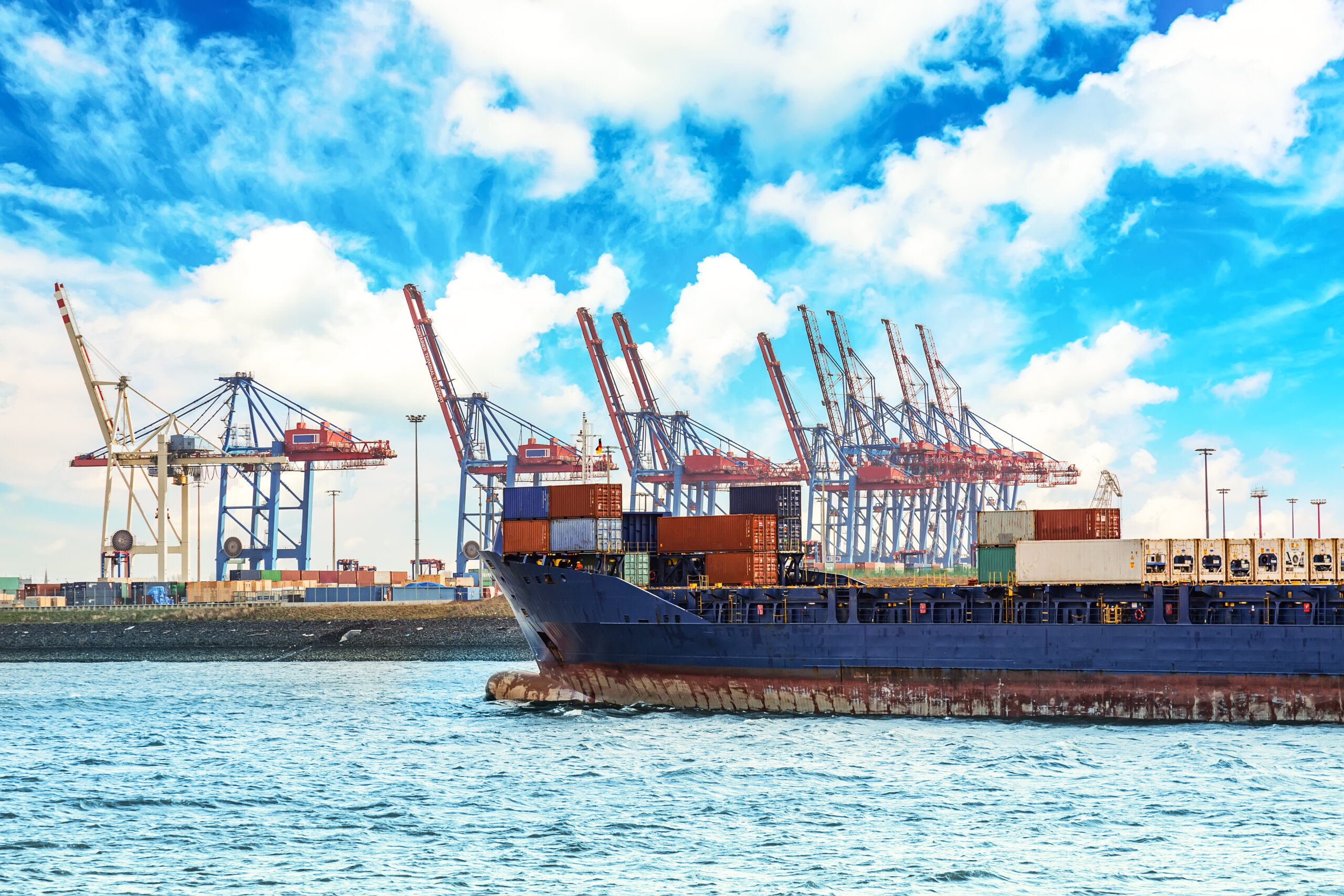
    Felixstowe is widely recognised as the UK’s largest and busiest container port, handling a significant share of the nation’s international trade. Its strategic location, advanced infrastructure, and strong integration with customs systems make it a vital hub for efficient imports and exports. For businesses involved in global trade, understanding why this port plays such a central role in Customs clearance Felixstowe can help improve compliance, reduce delays, and streamline supply chains.

    Strategic Location and Global Connectivity

    Felixstowe’s location on the east coast of England places it at the heart of the UK’s international trade routes. The port offers direct connections to major global markets, including Asia, Europe, and North America. These extensive shipping links allow goods to move efficiently between the UK and overseas destinations, making Felixstowe a preferred entry and exit point for containerised cargo.

    The port’s proximity to key distribution hubs and motorway networks also supports faster onward transportation, which is especially valuable for time-sensitive goods. This logistical advantage contributes significantly to the speed and reliability of customs clearance operations.

    Advanced Port Infrastructure and Technology

    One of the main reasons Felixstowe is critical to efficient customs clearance is its modern infrastructure. The port is equipped with state-of-the-art container handling facilities, automated systems, and digital tracking technologies. These features enable high cargo throughput while maintaining accuracy and security.

    Customs processes at Felixstowe benefit from integrated IT systems that allow documentation to be submitted electronically in advance. This pre-arrival processing helps reduce congestion and enables customs authorities to assess shipments more efficiently, minimising delays once goods arrive at the port.

    Alignment with UK Customs Systems

    Felixstowe is fully aligned with UK customs frameworks, including HMRC requirements and post-Brexit trade regulations. The port works closely with customs authorities to ensure that import and export procedures are carried out in compliance with current legislation.

    For traders, this means that declarations, duty calculations, VAT assessments, and compliance checks can be handled in a structured and transparent manner. Efficient Customs clearance Felixstowe relies heavily on accurate documentation, such as commercial invoices, packing lists, commodity codes, and certificates of origin. The port’s established processes support smooth handling of these requirements.

    Expertise in Handling Diverse Cargo Types

    Felixstowe handles a wide range of goods, from consumer products and industrial machinery to food items and controlled goods. This diversity has led to strong expertise in managing different customs requirements, including special procedures for bonded goods, temporary imports, and excise products.

    The port is also well-equipped to manage inspections and examinations when required. Designated facilities allow customs checks to be carried out efficiently without disrupting overall cargo flow, which is crucial for maintaining supply chain continuity.

    Role in Post-Brexit Trade Operations

    Since the UK’s exit from the European Union, customs clearance has become more complex for many businesses. Felixstowe has played a key role in adapting to these changes by implementing systems and processes that support new import and export controls.

    These include safety and security declarations, customs declarations for EU trade, and additional compliance checks. The port’s ability to manage increased documentation and regulatory requirements has reinforced its position as a dependable hub for international trade in the post-Brexit landscape.

    Importance of Compliance and Risk Management

    Efficient customs clearance is not just about speed; it also involves compliance and risk management. Felixstowe’s customs environment emphasises accuracy, transparency, and adherence to regulations. Incorrect declarations or missing information can lead to delays, penalties, or inspections.

    By operating within a well-regulated port environment, traders are encouraged to maintain high standards of compliance. This reduces the likelihood of disruptions and supports smoother clearance processes over the long term.

    Supporting Supply Chain Efficiency

    Customs clearance at Felixstowe is closely linked to overall supply chain performance. Faster clearance times mean reduced storage costs, improved delivery schedules, and better inventory management. The port’s efficiency helps businesses maintain predictable lead times, which is essential for planning and customer satisfaction.

    Companies that understand the customs landscape at Felixstowe are better positioned to anticipate requirements, manage risks, and optimise their logistics operations. Working with experienced customs specialists, such as Global Customs, can further support businesses in navigating these processes effectively.

    Felixstowe’s status as a critical hub for efficient customs clearance in the UK is built on its strategic location, advanced infrastructure, regulatory alignment, and adaptability to changing trade rules. Its ability to handle high volumes of diverse cargo while maintaining compliance makes it an essential gateway for international trade.

    For businesses involved in importing or exporting goods, understanding how Customs clearance Felixstowe works is key to avoiding delays and ensuring smooth operations. With the right knowledge, preparation, and professional support from firms like Global Custom Clearance Ltd., traders can confidently navigate customs procedures and keep their supply chains moving efficiently.