Category: Uncategorized

  • What Documents Are Essential for Hassle-Free Customs Clearance UK?

    What Documents Are Essential for Hassle-Free Customs Clearance UK?

    Smooth international trade depends on one critical factor: accurate and complete documentation. Whether you are importing goods into the UK or exporting products overseas, having the right paperwork in place is essential for avoiding delays, penalties, and unexpected costs. Understanding the documents required for Customs Clearance UK helps businesses stay compliant with regulations while ensuring goods move efficiently through borders.

    This guide explains the key documents involved in customs clearance, why they matter, and how proper preparation can make the entire process hassle-free.

    Why Documentation Matters in Customs Clearance UK

    Customs authorities rely on documentation to verify the nature, value, origin, and compliance of goods. Even minor errors or missing paperwork can lead to inspections, shipment holds, or fines. Accurate documentation ensures transparency, supports duty calculations, and helps customs officials assess risks effectively.

    For businesses involved in regular international trade, understanding documentation requirements is not just a legal obligation—it’s a strategic advantage.

    Commercial Invoice: The Core Document

    The commercial invoice is one of the most important documents in customs clearance. It provides detailed information about the transaction between the buyer and seller.

    A complete commercial invoice should include:

    • Seller and buyer details
    • Description of goods
    • Quantity and unit value
    • Total invoice value
    • Currency used
    • Country of origin

    Customs officials use this document to assess duties and taxes, making accuracy essential for Customs Clearance UK compliance.

    Packing List: Supporting Shipment Details

    The packing list complements the commercial invoice by outlining how the goods are packed. While it does not include pricing information, it helps customs officers verify shipment contents during inspections.

    A packing list typically includes:

    • Number of packages
    • Weight and dimensions
    • Packaging type
    • Reference to the commercial invoice

    Clear packing lists reduce the risk of physical inspections and speed up clearance.

    Bill of Lading or Air Waybill

    Transport documents play a vital role in customs clearance by acting as proof of shipment.

    • Bill of Lading (BOL): Used for sea freight
    • Air Waybill (AWB): Used for air freight

    These documents confirm shipment details, the carrier involved, and the destination. They also serve as contracts between the shipper and the transport provider.

    Customs Declaration

    A customs declaration formally notifies UK customs about the goods entering or leaving the country. It includes information such as:

    • Commodity codes
    • Customs value
    • Import or export procedure codes
    • Origin of goods

    Declarations must be accurate and submitted electronically through the UK’s customs systems. Errors in declarations are one of the most common causes of customs delays.

    Certificate of Origin

    The certificate of origin confirms where goods were manufactured. This document is essential for determining whether goods qualify for reduced duties or preferential trade agreements.

    In Customs Clearance UK, certificates of origin are especially important for trade with countries that have specific agreements with the UK.

    Import and Export Licences

    Some goods require special licences before they can be imported or exported. These may include:

    • Controlled goods
    • Agricultural products
    • Chemicals
    • Dual-use items

    Failing to obtain the required licence can result in shipment seizure or refusal at the border.

    EORI Number

    An Economic Operator Registration and Identification (EORI) number is mandatory for businesses trading internationally with the UK. Without an EORI number, goods cannot be cleared through customs.

    Every business involved in Customs Clearance UK should ensure their EORI registration is valid and up to date.

    Additional Supporting Documents

    Depending on the nature of the goods, additional documents may be required, such as:

    • Insurance certificates
    • Health and safety certificates
    • Product conformity documents
    • VAT documentation

    These documents support compliance with UK regulations and industry-specific standards.

    Common Documentation Mistakes to Avoid

    Many customs delays are caused by preventable errors. Common mistakes include:

    • Incorrect commodity codes
    • Mismatched invoice and packing list details
    • Missing signatures or dates
    • Inaccurate valuation of goods

    Double-checking documentation before submission significantly reduces clearance issues.

    How Professional Support Can Help

    Managing customs documentation can be complex, particularly for businesses trading across multiple borders. Professional customs specialists ensure paperwork is accurate, compliant, and submitted on time. Companies like Global Custom Clearance Ltd support businesses by simplifying documentation processes and helping avoid costly delays.

    Hassle-free Customs Clearance UK begins with understanding and preparing the right documents. From commercial invoices and packing lists to licences and certificates, every document plays a role in ensuring smooth border clearance. Businesses that invest time in accurate documentation not only stay compliant but also improve supply chain efficiency and reliability.With proper preparation and expert guidance from experienced providers such as Global Customs Clearance Ltd, customs clearance becomes a structured, predictable process—allowing businesses to focus on growth rather than paperwork.


  • What Documents Are Mandatory for Fast Customs Clearance?

    What Documents Are Mandatory for Fast Customs Clearance?

    When it comes to international trade, delays in customs clearance can lead to increased costs, missed deadlines, and operational disruptions. Understanding the required documentation is crucial for ensuring smooth and fast processing of shipments at UK ports, including London Gateway. Proper preparation can save both time and money while maintaining compliance with customs regulations.

    In this guide, we’ll explore the key documents mandatory for fast customs clearance and explain their importance. This will provide a comprehensive overview for importers, exporters, and businesses dealing with cross-border shipments.

    1. Commercial Invoice

    The commercial invoice is one of the most critical documents for customs clearance. It serves as a formal record of the transaction between the buyer and seller, detailing the value, quantity, and description of the goods. Customs officials use this document to assess duties and taxes.

    A standard commercial invoice should include:

    • Seller and buyer information
    • Detailed description of goods
    • Quantity and unit of measure
    • Total invoice value
    • Currency of transaction
    • Incoterms (terms of delivery and responsibility)

    Having an accurate and complete commercial invoice ensures that customs officials can process the shipment without delays.

    2. Packing List

    While the commercial invoice provides a financial overview, the packing list offers detailed information about the contents of each package. It is essential for verifying the shipment’s contents and facilitating inspections if required.

    Key elements of a packing list include:

    • Package dimensions and weight
    • Quantity of items in each package
    • Description of the items
    • Marks and numbers on packages

    The packing list helps customs authorities quickly identify goods, reducing the chance of inspection delays.

    3. Bill of Lading or Airway Bill

    The Bill of Lading (BOL) for sea shipments or the Airway Bill (AWB) for air shipments is a transport document issued by the carrier. It serves as a contract of carriage and proof of ownership of the goods.

    This document is vital for customs clearance as it:

    • Confirms the shipment’s route and transport method
    • Identifies the shipper, consignee, and carrier
    • Acts as proof of shipment for the importer/exporter

    Properly issued and accurate transport documents prevent miscommunication between carriers and customs officials, helping your shipment move faster.

    4. Import/Export Declarations

    In the UK, import and export declarations must be submitted to HM Revenue & Customs (HMRC). These declarations provide detailed information about the shipment, enabling the assessment of tariffs, duties, and compliance with trade regulations.

    For imports, the Customs Declaration Service (CDS) requires:

    • Commodity code classification
    • Value of goods
    • Origin of goods
    • Applicable duties and VAT

    Completing these declarations accurately is critical. Mistakes can lead to delayed clearance, penalties, or even shipment seizure.

    5. Certificates of Origin

    Certain goods require a certificate of origin to confirm the country where the product was manufactured. This document is particularly important when preferential trade agreements or reduced duty rates apply.

    The certificate of origin should clearly state:

    • The exporter’s name and address
    • The importer’s name and address
    • Detailed description of goods
    • Country of origin

    Providing this document correctly ensures eligibility for duty reductions and smooth customs processing.

    6. Other Supporting Documents

    Depending on the type of goods, additional documentation may be required, including:

    • Insurance certificates: To show that the shipment is insured during transit.
    • Health and safety certificates: Required for food, plants, animals, or chemical products.
    • Licenses and permits: Certain products, like pharmaceuticals or controlled items, need regulatory approval.
    • Pro-forma invoices: Often used for shipments with no commercial value or samples.

    Having all necessary supporting documents ready reduces the risk of delays and ensures compliance with customs regulations.

    Tips for Fast Customs Clearance

    1. Accuracy is Key: Double-check all information on invoices, declarations, and transport documents.
    2. Use Digital Submissions: Submit documents electronically through the HMRC Customs Declaration Service for faster processing.
    3. Classify Goods Correctly: Incorrect tariff codes can cause delays or fines.
    4. Keep Copies of Documents: Having backup copies can help resolve any discrepancies quickly.
    5. Work with Experienced Customs Brokers: Professional guidance ensures that all paperwork is in order and can expedite clearance at London Gateway and other ports.

    Fast and efficient customs clearance depends on meticulous preparation of documentation. The commercial invoice, packing list, transport documents, import/export declarations, certificates of origin, and other supporting documents are all essential for ensuring smooth processing. By organizing these documents accurately and working with experienced customs clearance providers, businesses can avoid delays, minimize costs, and maintain compliance with UK trade regulations.

    For companies importing or exporting through London Gateway, partnering with trusted professionals like Global Cust ensures that every document is prepared correctly and your shipments clear customs swiftly. With the right approach, customs clearance can become a straightforward and predictable part of your supply chain. 

  • Customs Clearance Delays: What Every Business Should Know

    Customs Clearance Delays: What Every Business Should Know

    Customs clearance is a crucial step in the international shipping process. It ensures that goods moving across borders comply with all the regulations of the importing country. While the process is designed to be systematic, many businesses and individuals face delays when their shipments get held up at customs. Understanding why this happens can help companies navigate international logistics more efficiently and avoid costly setbacks.

    Understanding Customs Clearance

    Customs clearance involves the preparation and submission of documents required to facilitate the import or export of goods. Customs authorities review these documents to ensure compliance with trade regulations, tariffs, and taxes. The process is not only about assessing duties but also about enforcing safety, security, and legal requirements.

    The key steps typically include:

    • Submission of a customs declaration
    • Payment of import duties and taxes
    • Verification of documents and product classification
    • Inspection of goods if necessary

    Delays occur when any of these steps face challenges, errors, or discrepancies.

    Common Reasons Shipments Get Stuck

    1. Incomplete or Incorrect Documentation

    One of the most common reasons shipments are delayed is missing or inaccurate paperwork. Customs requires precise documentation such as commercial invoices, packing lists, bills of lading, and certificates of origin. Even small errors, like a mismatched item description or incorrect quantity, can trigger additional verification and hold your shipment.

    2. Misclassification of Goods

    Every product falls under a specific tariff code, which determines the duties and taxes applicable. Misclassifying goods—either unintentionally or due to lack of knowledge—can result in customs questioning the shipment, causing significant delays. Proper classification ensures faster processing and avoids penalties.

    3. Non-Compliance with Import Regulations

    Different countries have different rules regarding restricted or prohibited goods. Items such as chemicals, electronics, food products, or medical equipment may require special permits or certifications. Failure to provide these can lead to shipments being held until compliance is verified.

    4. Insufficient Duties and Taxes

    Customs clearance is closely tied to the payment of duties and taxes. If there’s a discrepancy in the declared value of goods or if the required payments are not made, customs will withhold the shipment. Ensuring accurate valuation and timely payment helps prevent delays.

    5. Random or Targeted Inspections

    Customs authorities often perform inspections, either randomly or based on certain risk factors. Inspections can include physical checks, scanning, or sampling of products. While inspections are standard practice, they can delay shipment clearance, especially if the documentation is not in order.

    6. Suspicion of Fraud or Security Risks

    Shipments may also get held if customs authorities suspect fraudulent activity or potential security risks. This could involve counterfeit goods, misdeclared shipments, or items that may pose safety concerns. Clearance in such cases requires additional investigation and verification.

    7. Logistical Errors and Miscommunication

    Sometimes delays are simply due to administrative or logistical errors, such as misrouted shipments, missing paperwork, or delays in communication between shipping companies and customs brokers. Timely coordination with customs clearance agents is essential to avoid such bottlenecks.

    How Businesses Can Prevent Delays

    1. Work with Experienced Customs Brokers

    Partnering with a reputable customs clearance company can make a significant difference. Experienced brokers are familiar with documentation requirements, tariffs, and regulatory updates. Companies like Global Cust UK provide expert guidance, ensuring shipments comply with all necessary rules and are processed efficiently.

    2. Maintain Accurate and Complete Documentation

    Before shipping, double-check that all invoices, certificates, and permits are accurate and complete. This includes product descriptions, quantities, and correct tariff codes. Investing time in documentation upfront can prevent major delays later.

    3. Stay Updated on Regulations

    International trade regulations are dynamic and vary by country. Keeping abreast of import restrictions, permit requirements, and tax changes can prevent shipments from getting stuck at customs.

    4. Declare Goods Transparently

    Honesty in declaring the value and nature of goods is essential. Misdeclaration, whether intentional or accidental, can result in fines, confiscation, or extended delays. Proper valuation and full disclosure ensure smooth clearance.

    5. Plan for Potential Inspections

    Even with perfect documentation, some shipments may be inspected. Businesses should allow extra time in their shipping schedules to accommodate possible inspections. Communicating with your customs broker can help streamline the process if inspections occur.

    Customs clearance is an essential yet complex part of international trade. Shipments can get held up for multiple reasons, including incomplete documentation, misclassification of goods, regulatory non-compliance, unpaid duties, inspections, or logistical errors. Businesses can significantly reduce delays by working with experienced customs brokers, maintaining accurate records, staying updated on regulations, and planning ahead.

    Understanding the challenges of customs clearance not only helps in avoiding shipment delays but also ensures compliance, cost savings, and smoother international operations. Companies like Global Cust UK specialize in navigating these complexities, providing guidance and expertise to keep goods moving efficiently across borders.

    By proactively addressing potential obstacles and leveraging professional support, businesses can turn customs clearance from a potential headache into a streamlined part of their international supply chain.

  • What Are the Benefits of Partnering with Customs Clearance Limited in the UK?

    What Are the Benefits of Partnering with Customs Clearance Limited in the UK?

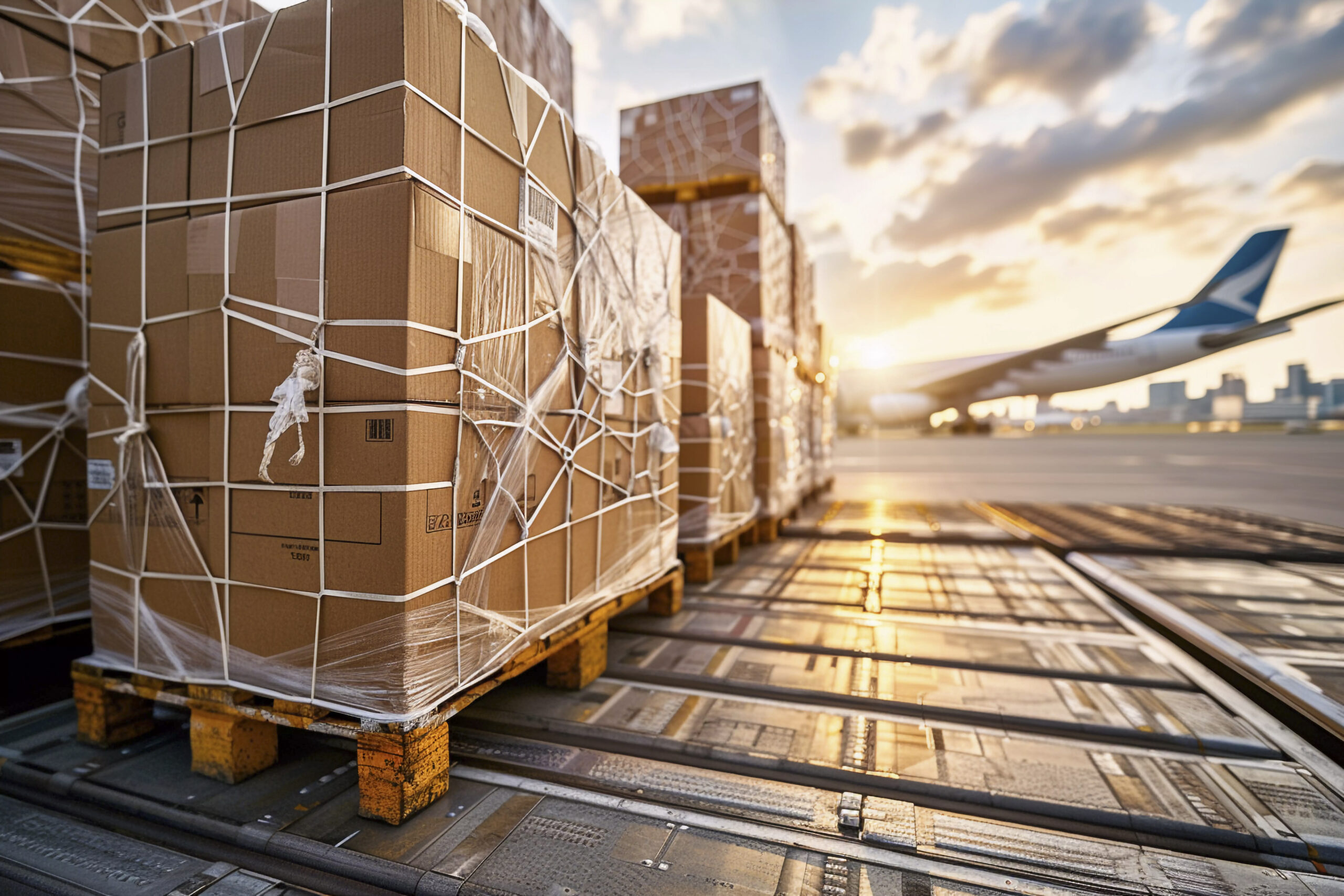
    In today’s globalized economy, the movement of goods across borders is more frequent and complex than ever before. For businesses involved in importing or exporting products, navigating the intricate web of customs regulations can be daunting. This is where specialized services, like those offered by Customs Clearance Limited UK, play a crucial role. Partnering with a reliable customs clearance provider ensures that your shipments move smoothly, compliantly, and efficiently, allowing your business to focus on growth rather than paperwork.
    Understanding Customs Clearance

    Before diving into the benefits, it’s essential to understand what customs clearance entails. Customs clearance is the process of preparing and submitting the necessary documentation required to facilitate the import or export of goods across international borders. This process involves complying with customs regulations, paying duties and taxes, and ensuring that shipments meet all legal requirements. Errors or delays in customs clearance can result in fines, shipment holds, or even legal complications, which is why expert guidance is invaluable.

    Key Benefits of Partnering with Customs Clearance Experts

    1. Expertise in Compliance and Regulations

    One of the primary advantages of working with a customs clearance company is their expertise in compliance. UK customs regulations are constantly evolving, and businesses must adhere to strict rules regarding product classifications, import duties, VAT, and trade agreements. Professionals at a customs clearance firm have extensive knowledge of these regulations and can accurately classify goods, calculate duties, and ensure that all paperwork is completed correctly. This reduces the risk of errors that could result in costly delays or penalties.

    2. Time Efficiency and Faster Processing

    Customs procedures can be time-consuming, especially for businesses handling multiple shipments. Partnering with a dedicated customs clearance provider streamlines the process, ensuring that documentation is submitted promptly and accurately. By leveraging their experience and industry connections, these experts can expedite approvals, helping your goods reach their destination faster. This time efficiency is critical for businesses that rely on timely deliveries, such as those in retail, manufacturing, or e-commerce sectors.

    3. Cost Savings and Accurate Duty Management

    Incorrectly calculated duties or taxes can lead to overpayments, which directly affect your bottom line. Customs clearance professionals ensure that duties, tariffs, and VAT are accurately assessed, often identifying opportunities for savings through trade agreements or duty relief programs. This level of precision not only prevents unnecessary costs but also minimizes the financial risks associated with non-compliance.

    4. Risk Mitigation and Legal Protection

    International trade carries inherent risks, including shipment delays, customs inspections, and regulatory changes. By partnering with a specialist, you gain access to risk mitigation strategies. Experienced customs brokers understand potential pitfalls and can advise on how to handle inspections, audits, or documentation discrepancies. Their guidance reduces the likelihood of fines, legal issues, and other complications that can disrupt your supply chain.

    5. Simplified Documentation and Paperwork

    The paperwork involved in customs clearance can be extensive, covering commercial invoices, packing lists, import/export declarations, certificates of origin, and other regulatory documents. A professional service provider manages this documentation from start to finish, ensuring that everything is accurate and compliant. This alleviates the administrative burden on your team, allowing them to focus on core business operations rather than complex paperwork.

    6. Access to Advanced Technology

    Many customs clearance providers leverage technology to simplify the import/export process. Digital platforms for submission, tracking, and reporting streamline communication between your business and customs authorities. This transparency allows you to monitor your shipments in real time, anticipate potential issues, and maintain better control over your supply chain.

    7. Customized Solutions for Your Business

    Every business has unique needs when it comes to customs clearance. Some deal with high volumes of shipments, while others handle sensitive or perishable goods. A reputable customs clearance service can tailor solutions to match your specific requirements, providing specialized support for different industries, product types, and trade routes. This flexibility ensures that your business receives the precise level of support it needs.

    8. Improved International Trade Relationships

    Reliable and efficient customs clearance fosters smoother business relationships with international partners. Timely shipments, accurate documentation, and compliance with local regulations contribute to trust and credibility with suppliers, clients, and logistics providers. This can be a competitive advantage in industries where delivery speed and reliability are critical.

    Partnering with Customs Clearance Limited UK offers a host of benefits that extend far beyond simply handling paperwork. From ensuring regulatory compliance and reducing financial risks to improving shipment efficiency and streamlining international trade processes, their expertise is an invaluable asset for businesses operating in a global marketplace. By entrusting customs clearance to experienced professionals, companies can save time, reduce costs, and focus on what matters most – growing their business. In a complex and ever-changing trade environment, expert guidance in customs clearance is not just an advantage; it’s a necessity. 

  • Why Do Some Shipments Get Stuck? Secrets of Liverpool Customs Clearance Revealed

    Why Do Some Shipments Get Stuck? Secrets of Liverpool Customs Clearance Revealed

    When it comes to international trade, time is money. Delays in shipping can disrupt supply chains, frustrate customers, and increase costs for businesses. One of the most common reasons shipments get held up is issues with customs clearance Liverpool. Understanding the factors that cause delays and how the customs process works can help businesses and individuals navigate import and export procedures more efficiently.

    Understanding Customs Clearance

    Customs clearance is the process of getting shipments approved by government authorities for entry or exit across borders. In Liverpool, as a major port city, customs clearance plays a crucial role in ensuring that goods comply with UK and international trade regulations. Every shipment must be reviewed to confirm that the right duties, taxes, and documentation are in place.

    A smooth customs clearance process depends on three main elements: accurate documentation, compliance with regulations, and proper classification of goods. Missing or incorrect paperwork, misclassification, or non-compliance can cause shipments to be delayed or even returned.

    Common Reasons Shipments Get Stuck

    Several factors can cause shipments to be held at customs in Liverpool:

    1. Incomplete or Incorrect Documentation

    One of the most common reasons for delays is paperwork errors. Importers must submit the correct documents, which typically include:

    • Commercial invoice
    • Bill of lading or airway bill
    • Packing list
    • Certificates of origin
    • Import/export licenses (if applicable)

    Even a small error, such as a mismatch in product descriptions or declared value, can trigger additional inspections.

    2. Incorrect Tariff Classification

    Every product imported into the UK must have a Harmonized System (HS) code for duty calculation. Misclassifying goods or under-declaring their value can lead to customs scrutiny. Liverpool customs officials are meticulous in verifying that the right duties are applied, and errors in classification can result in shipment holds.

    3. Non-Compliance with UK Regulations

    Different products may be subject to specific regulations, such as food safety standards, chemical restrictions, or electronics compliance. If a shipment does not meet these standards, customs may halt it until verification is completed. Non-compliant goods may even be refused entry or destroyed.

    4. Suspicious or Random Inspections

    Customs authorities conduct random inspections as part of security and regulatory measures. Even if all documentation is correct, a shipment might be selected for a physical inspection. This is routine but can add days or weeks to the clearance process.

    5. Payment of Duties and Taxes

    Import duties, VAT, and other taxes must be settled before goods are released. Delays can occur if there is confusion about payment responsibilities or if payments are not made on time. Proper calculation and timely submission of payments help prevent unnecessary delays.

    6. Incomplete Customs Declarations

    Electronic customs declarations are the standard procedure in Liverpool. A partially completed declaration or technical errors in submission can result in shipments being flagged for review. Accuracy and attention to detail are key.

    How to Ensure Smooth Customs Clearance in Liverpool

    Understanding potential pitfalls is the first step to avoiding delays. Businesses can take several measures to streamline the customs clearance process:

    1. Work with Experienced Customs Brokers

    Professional customs brokers have in-depth knowledge of customs clearance Liverpool procedures and requirements. They can help prepare accurate documentation, classify goods correctly, and ensure compliance with regulations. Companies like Global Cust specialize in helping businesses navigate complex customs procedures efficiently.

    2. Maintain Accurate and Complete Records

    Keeping detailed and organized records of invoices, licenses, and shipment details is essential. Accuracy in documentation reduces the risk of delays and demonstrates compliance during inspections.

    3. Understand Product Regulations

    Different goods are subject to various rules and restrictions. Staying informed about product-specific regulations, import licenses, and safety standards helps prevent unexpected holds at customs.

    4. Plan for Duties and Taxes

    Calculating duties and taxes in advance and ensuring prompt payment can prevent delays in shipment release. Many businesses incorporate these costs into their logistics planning to avoid surprises.

    5. Monitor Shipments and Communicate Proactively

    Tracking shipments and maintaining communication with carriers and customs brokers allows businesses to respond quickly if issues arise. Early action can significantly reduce clearance times.

    The Role of Liverpool as a Major Port

    Liverpool is one of the UK’s busiest ports for imports and exports, handling a wide variety of goods from electronics and machinery to food and chemicals. Its strategic location and well-developed infrastructure make it a key hub for international trade. However, the high volume of shipments also means that customs officials are vigilant, and adherence to procedures is essential to avoid delays.

    Delays in customs clearance are often frustrating, but they are usually preventable with proper planning and understanding of the process. The secrets of Liverpool customs clearance revolve around accurate documentation, compliance with regulations, correct classification of goods, and timely payment of duties and taxes. Working with experienced customs brokers, such as Global Cust, can simplify the process, ensuring shipments move smoothly and efficiently.

    By understanding why shipments get stuck and taking proactive steps, businesses can avoid unnecessary delays, reduce costs, and maintain a reliable supply chain. Knowledge, preparation, and the right support are the keys to mastering customs clearance in Liverpool. 

  • What Makes Air Freight Customs Clearance Agents Essential in Modern Global Trade?

    What Makes Air Freight Customs Clearance Agents Essential in Modern Global Trade?

    In today’s fast-paced global economy, businesses rely heavily on air freight to move goods quickly across borders. From high-value electronics and pharmaceuticals to urgent spare parts and perishables, air cargo plays a critical role in keeping supply chains active. However, the speed of air transport alone is not enough. Without efficient customs clearance, even the fastest shipment can face costly delays. This is where Air Freight Customs Clearance Agents become indispensable to modern global trade.

    Understanding Air Freight Customs Clearance

    Air freight customs clearance is the process of ensuring that goods transported by air comply with all import and export regulations of the destination country. This involves submitting accurate documentation, calculating duties and taxes, coordinating inspections, and obtaining approval from customs authorities. Because air freight operates on tight schedules, even small errors can disrupt timelines and increase costs.

    Air Freight Customs Clearance Agents act as intermediaries between businesses, airlines, and customs authorities. Their role is to manage regulatory requirements efficiently so that cargo moves smoothly from the airport to the consignee.

    • Managing Complex Documentation Requirements

    One of the most important responsibilities of Air Freight Customs Clearance Agents is handling documentation. Air shipments typically require airway bills, commercial invoices, packing lists, certificates of origin, import or export licenses, and sometimes additional regulatory permits depending on the nature of the goods.

    Customs authorities expect complete and accurate paperwork. Any discrepancy, such as incorrect product descriptions or mismatched values, can trigger inspections or penalties. Experienced agents ensure that all documents are prepared correctly and submitted on time, reducing the risk of clearance delays.

    • Ensuring Regulatory Compliance

    Customs regulations vary by country and are frequently updated. Compliance is especially critical in air freight due to the higher scrutiny placed on security, safety, and restricted goods. Air Freight Customs Clearance Agents stay informed about changing trade laws, tariff codes, and import restrictions.

    They ensure that goods are classified correctly under the Harmonized System (HS) codes, which directly impact duty rates and eligibility for trade agreements. Proper classification helps businesses avoid overpayment of duties and prevents legal issues related to misdeclaration.

    • Speed and Time-Sensitive Cargo Handling

    Speed is the primary reason businesses choose air freight. Delays at customs can negate this advantage. Air Freight Customs Clearance Agents streamline the clearance process by pre-filing entries, coordinating with customs officers, and resolving queries quickly.

    For time-critical shipments such as medical supplies, temperature-sensitive goods, or just-in-time manufacturing components, professional customs handling is essential. Agents help prioritise urgent cargo and ensure that all compliance steps are completed without unnecessary hold-ups.

    • Risk Management and Cost Control

    Customs clearance involves financial risks, including penalties for non-compliance, demurrage charges, and storage fees at airports. Air Freight Customs Clearance Agents help minimise these risks by ensuring accurate declarations and timely payments of duties and taxes.

    They also advise businesses on cost-effective customs strategies, such as duty relief schemes, temporary admissions, or special customs procedures where applicable. This guidance supports better financial planning and predictable logistics costs.

    • Coordination with Multiple Stakeholders

    Air freight customs clearance requires close coordination among airlines, freight forwarders, airport authorities, customs officials, and transport providers. Managing communication across these parties can be challenging, especially for businesses unfamiliar with customs processes.

    Air Freight Customs Clearance Agents act as a central point of contact, ensuring that information flows efficiently between stakeholders. This coordination helps resolve issues quickly and keeps shipments moving through the supply chain.

    • Supporting International Trade Growth

    As global trade expands, businesses increasingly engage with multiple international markets. Each market brings its own customs requirements, security protocols, and compliance standards. Air Freight Customs Clearance Agents provide the expertise needed to navigate these complexities confidently.

    Their role supports smoother cross-border trade, enabling businesses to focus on growth rather than administrative burdens. For companies importing or exporting regularly, reliable customs support becomes a strategic advantage.

    • Technology and Modern Customs Processes

    Modern customs clearance relies heavily on digital systems and electronic data interchange. Air Freight Customs Clearance Agents use technology to submit declarations, track shipment status, and respond to customs queries in real time. This digital approach improves transparency and reduces manual errors.

    By combining regulatory knowledge with modern systems, agents help businesses adapt to evolving customs environments while maintaining efficiency and compliance.

    Choosing the Right Customs Clearance Partner

    Selecting a knowledgeable customs clearance partner is crucial for businesses involved in air freight. A professional provider understands industry-specific requirements, maintains strong relationships with customs authorities, and prioritises accuracy and speed.

    Companies such as Global Cust support businesses by offering structured customs clearance services designed to meet modern air freight demands. Their expertise helps importers and exporters navigate regulations confidently while maintaining smooth logistics operations.

    In modern global trade, speed, compliance, and accuracy are non-negotiable. Air Freight Customs Clearance Agents play a vital role in ensuring that air cargo moves efficiently across borders while meeting all regulatory requirements. From managing documentation and compliance to reducing risks and coordinating stakeholders, their expertise keeps international trade running smoothly.

    As air freight continues to support time-sensitive and high-value shipments worldwide, the importance of professional customs clearance will only grow. Partnering with experienced providers like Global Cust enables businesses to operate with confidence, minimise delays, and remain competitive in an increasingly connected global marketplace. 

  • How Can a Customs Clearance Agency UK Improve Speed, Accuracy, and Compliance?

    How Can a Customs Clearance Agency UK Improve Speed, Accuracy, and Compliance?

    International trade plays a vital role in the UK economy, connecting businesses to global markets and supply chains. However, moving goods across borders is not as simple as shipping from one destination to another. Customs regulations, documentation requirements, and compliance checks can slow down shipments and create costly errors if not handled correctly. This is where a professional Customs Clearance Agency UK becomes essential.

    By combining regulatory expertise, efficient processes, and technology-driven solutions, a customs clearance agency helps businesses move goods smoothly while staying compliant with UK laws. This blog explains how such agencies improve speed, accuracy, and compliance across every stage of the customs clearance process.

    Understanding the Role of a Customs Clearance Agency in the UK

    A Customs Clearance Agency UK acts as an intermediary between importers or exporters and HM Revenue & Customs (HMRC). Its primary role is to ensure that goods entering or leaving the UK comply with all legal, financial, and regulatory requirements. This includes preparing and submitting customs declarations, classifying goods correctly, calculating duties and taxes, and coordinating inspections when required.

    Given the complexity of post-Brexit trade regulations, customs procedures have become more detailed and time-sensitive. A knowledgeable agency ensures businesses can navigate these requirements without disruption.

    Improving Speed in Customs Processes

    Delays at the border can result in missed deadlines, increased storage costs, and strained customer relationships. A Customs Clearance Agency UK improves speed in several key ways:

    1. Pre-clearance preparation
    Experienced agencies prepare all documentation in advance, ensuring that customs declarations are ready before goods arrive at the port or airport. This proactive approach significantly reduces clearance times.

    2. Familiarity with customs systems
    Customs agencies work daily with systems such as CDS (Customs Declaration Service). Their familiarity allows them to submit accurate declarations quickly and respond promptly to any queries raised by customs authorities.

    3. Efficient coordination
    Agencies coordinate closely with freight forwarders, carriers, and warehouse operators. This streamlined communication prevents bottlenecks and ensures goods move seamlessly from arrival to final delivery.

    4. Rapid issue resolution
    If customs queries arise, an experienced agency can address them immediately, avoiding prolonged holds or inspections.

    Enhancing Accuracy in Documentation and Declarations

    Accuracy is critical in customs clearance. Even small errors can lead to penalties, shipment delays, or audits. A Customs Clearance Agency UK ensures accuracy through structured and detail-oriented processes.

    Correct commodity classification
    Every product must be classified using the correct commodity (HS) code. Misclassification can result in overpayment, underpayment, or non-compliance. Agencies apply their expertise to classify goods correctly based on product specifications and usage.

    Precise valuation of goods
    Customs value affects the calculation of duties and VAT. Agencies ensure that values are declared in line with UK customs valuation rules, including freight, insurance, and additional costs where applicable.

    Comprehensive documentation checks
    From commercial invoices and packing lists to certificates of origin and licences, agencies verify that all documents are complete, consistent, and compliant before submission.

    Audit-ready records
    Maintaining accurate records is essential for future audits or inspections. Agencies help ensure documentation is organised and traceable, reducing risk during compliance checks.

    Ensuring Full Regulatory Compliance

    Compliance is one of the most important aspects of customs clearance. Regulations are constantly evolving, and non-compliance can result in fines, shipment seizures, or reputational damage.

    Keeping up with regulatory changes
    A Customs Clearance Agency UK stays informed about updates to trade agreements, tariff changes, and import/export controls. This knowledge allows businesses to remain compliant without needing to track regulatory updates themselves.

    Managing licences and permits
    Certain goods require special licences or approvals. Agencies identify these requirements early and assist in securing the necessary permissions before shipment.

    Adherence to post-Brexit requirements
    Post-Brexit trade has introduced new rules around rules of origin, VAT treatment, and customs declarations. Agencies ensure businesses comply with these requirements for both EU and non-EU trade.

    Risk mitigation and compliance advice
    Beyond processing paperwork, agencies provide guidance on reducing compliance risks, helping businesses adopt best practices for international trade.

    Supporting Businesses of All Sizes

    Whether a business handles occasional imports or manages high-volume international shipments, a Customs Clearance Agency UK provides scalable support. Small and medium-sized enterprises benefit from expert guidance without needing an in-house customs team, while larger organisations gain efficiency and consistency across complex supply chains.

    Agencies also support businesses across industries, including retail, manufacturing, e-commerce, and logistics, adapting their services to different product types and regulatory needs.

    The Value of Professional Expertise

    Working with a trusted agency such as Global Cust allows businesses to focus on their core operations while customs professionals handle the complexities of border clearance. With structured processes and industry knowledge, agencies help businesses avoid common pitfalls and maintain smooth trade operations. By prioritising efficiency and compliance, Global Cust supports businesses navigating the evolving UK customs landscape.

    Customs clearance is a critical component of international trade that directly affects delivery times, costs, and legal compliance. A professional Customs Clearance Agency UK improves speed by streamlining documentation and communication, enhances accuracy through expert handling of declarations, and ensures compliance by staying aligned with UK customs regulations.

    For businesses trading internationally, partnering with an experienced customs clearance agency is not just a convenience—it is a strategic decision that supports reliability, compliance, and long-term growth in an increasingly regulated global trade environment. 

  • In a High-Scrutiny 2026 Trade Environment, Who Needs Customs Clearance Agents UK the Most?

    In a High-Scrutiny 2026 Trade Environment, Who Needs Customs Clearance Agents UK the Most?

    International trade in 2026 is operating under a level of scrutiny that many businesses have never experienced before. Post-Brexit regulatory adjustments, tighter HMRC compliance checks, increased digital reporting, and heightened security requirements have transformed the way goods move in and out of the United Kingdom. In this environment, customs clearance is no longer a routine administrative step—it is a critical compliance function. This raises an important question for UK traders: who needs Customs Clearance Agents UK the most in 2026?

    Why Customs Clearance Has Become More Complex in 2026

    Customs clearance involves much more than submitting paperwork at the border. It requires accurate classification of goods, correct valuation, proper declaration of origin, compliance with trade agreements, payment of duties and VAT, and adherence to sector-specific regulations. In 2026, authorities are relying heavily on automated risk profiling and data matching, meaning even small errors can trigger inspections, delays, or penalties.

    With stricter enforcement and reduced tolerance for mistakes, businesses must ensure that every shipment meets UK customs requirements precisely. This is where professional customs clearance support becomes essential.

    Importers Handling High-Volume or High-Frequency Shipments

    Businesses importing goods regularly—such as wholesalers, manufacturers, and retailers—are among those who need Customs Clearance Agents UK the most. High shipment volumes increase the likelihood of errors, and even a single compliance issue can disrupt entire supply chains.

    Customs clearance agents help these businesses by managing declarations efficiently, ensuring consistent compliance, and reducing the risk of repeated delays. Their expertise allows high-volume importers to maintain predictable delivery schedules while meeting all regulatory obligations.

    Exporters Trading with the EU and Global Markets

    UK exporters continue to face evolving rules when shipping goods to the EU and other international markets. Rules of origin, export declarations, commodity codes, and licensing requirements must all be handled correctly to avoid border issues on both sides.

    For exporters, customs clearance agents provide vital support by ensuring export documentation is accurate and aligned with destination-country requirements. This reduces the risk of goods being rejected, held, or returned—protecting both revenue and commercial relationships.

    SMEs Without In-House Customs Expertise

    Small and medium-sized enterprises are often the most affected by the complexity of customs procedures. Unlike large corporations, SMEs rarely have dedicated compliance teams or customs specialists on staff. Yet they are subject to the same regulations and penalties as larger organisations.

    For these businesses, working with Customs Clearance Agents UK is often the most practical way to manage compliance. Agents provide access to specialist knowledge without the cost of building internal expertise, allowing SMEs to trade internationally with confidence.

    E-Commerce and Online Sellers Expanding Cross-Border Trade

    E-commerce businesses shipping goods directly to customers across borders face unique customs challenges in 2026. Low-value consignments, consumer returns, VAT treatment, and fast delivery expectations create pressure to get customs clearance right the first time.

    Customs clearance agents help online sellers navigate these challenges by ensuring correct declarations, managing VAT processes, and minimising delays that can negatively affect customer satisfaction. In a competitive e-commerce environment, smooth customs clearance directly impacts brand reputation.

    Businesses Trading Regulated or Sensitive Goods

    Certain goods—such as pharmaceuticals, medical devices, food products, chemicals, and controlled items—are subject to additional scrutiny at the border. These shipments often require licences, certificates, or pre-notifications, and errors can result in serious compliance consequences.

    Companies dealing in regulated goods rely heavily on customs clearance professionals to manage documentation, verify regulatory requirements, and coordinate with relevant authorities. In a high-scrutiny trade environment, this expertise is critical to maintaining lawful operations.

    Companies Seeking to Reduce Risk and Improve Predictability

    Beyond specific industries, any business that values predictability, cost control, and risk reduction benefits from professional customs support. Delays at the border can lead to storage charges, missed delivery deadlines, and strained customer relationships.

    Customs clearance agents play a proactive role by identifying potential issues before goods reach the border, ensuring declarations are accurate, and keeping businesses informed about regulatory changes. This approach supports long-term operational stability.

    The Educational Role of Customs Clearance Agents

    In addition to processing declarations, customs clearance agents often act as educators for their clients. They help businesses understand their responsibilities, explain regulatory changes, and provide guidance on best practices for compliance.

    For companies navigating UK customs in 2026, working with experienced providers such as Global Cust can help clarify complex requirements and support informed decision-making. By staying up to date with regulations and procedures, agents contribute to better compliance across the supply chain.

    In the high-scrutiny trade environment of 2026, customs clearance is a critical function that affects businesses of all sizes and sectors. Importers, exporters, SMEs, e-commerce sellers, and companies trading regulated goods all face increased compliance demands and reduced tolerance for errors. For these organisations, Customs Clearance Agents UK are not just service providers—they are essential partners in managing risk, maintaining compliance, and keeping goods moving smoothly across borders.

    By understanding who needs customs clearance support the most and why, businesses can make informed choices that protect their operations and support sustainable international trade. Working with experienced specialists like Global Cust enables companies to navigate complexity with confidence in an increasingly regulated global marketplace. 

  • Can Delays Be Avoided? Understanding Customs Clearance in the United Kingdom for 2026 Trade

    Can Delays Be Avoided? Understanding Customs Clearance in the United Kingdom for 2026 Trade

    International trade with the UK continues to evolve, and for businesses involved in importing or exporting goods, customs procedures play a critical role in ensuring smooth operations. As trade volumes increase and regulations become more refined, understanding Customs Clearance United Kingdom processes in 2026 is essential to avoiding unnecessary delays, penalties, and supply chain disruptions. This guide explains how customs clearance works, what causes delays, and how businesses can prepare effectively.

    What Is Customs Clearance in the United Kingdom?

    Customs clearance is the formal process of declaring goods to UK customs authorities when they enter or leave the country. It ensures that shipments comply with legal, safety, and tax requirements before being released for delivery. In the UK, this process is managed primarily by HM Revenue & Customs (HMRC).

    For 2026 trade, customs clearance remains a structured but document-intensive process. Every shipment must be accurately declared, assessed for duties and VAT, and verified against trade regulations. Even small errors can lead to inspections, delays, or additional costs.

    Why Do Customs Delays Occur?

    Despite advances in digital systems, customs delays remain a common challenge. Some of the most frequent causes include:

    • Incomplete or inaccurate documentation, such as missing invoices or incorrect commodity codes
    • Incorrect customs valuation, leading to reassessment of duties and taxes
    • Non-compliance with UK import regulations, including licensing or certification requirements
    • Random or risk-based inspections by customs authorities
    • Poor communication between traders, freight forwarders, and customs agents

    In 2026, increased data checks and compliance monitoring mean that accuracy and preparation are more important than ever.

    Key Documents Required for UK Customs Clearance

    Understanding documentation requirements is central to avoiding clearance issues. Typical documents include:

    • Commercial invoice with full shipment details
    • Packing list outlining the contents of the consignment
    • Import or export declaration submitted electronically
    • Transport documents such as airway bills or bills of lading
    • Certificates of origin or conformity where applicable

    Each document must be consistent and aligned with UK customs regulations. Errors across documents are one of the main triggers for clearance delays.

    Customs Declarations and Digital Systems

    The UK continues to rely on digital declaration platforms to manage trade flows efficiently. Traders or their appointed agents must submit accurate declarations that include commodity codes, customs values, and origin details.

    For businesses unfamiliar with these systems, working with experienced customs professionals can reduce the risk of errors. As Customs Clearance United Kingdom procedures become increasingly data-driven, timely and correct submissions are essential to ensure smooth processing.

    Duties, VAT, and Financial Compliance

    Customs clearance is not only about paperwork—it also involves financial obligations. Importers must calculate and pay:

    • Customs duties based on commodity classification
    • Import VAT, which may be reclaimable depending on the business structure
    • Any additional levies or excise duties for controlled goods

    Failure to pay the correct amounts can result in shipments being held until discrepancies are resolved. In 2026, automated systems cross-check declared values more rigorously, making transparency critical.

    Compliance and Regulatory Considerations

    The UK maintains strict standards on product safety, environmental compliance, and trade controls. Certain goods may require:

    • Import licenses
    • Health or phytosanitary certificates
    • Product conformity markings
    • Security and safety declarations

    Non-compliance with these regulations can lead to rejected entries or enforced re-exportation. Staying updated on regulatory changes is a vital part of modern customs planning.

    How Businesses Can Minimise Delays

    While some inspections are unavoidable, many delays can be prevented through proactive measures:

    • Prepare documents in advance and verify all details
    • Use correct commodity codes and ensure accurate valuation
    • Maintain clear records for audits and inspections
    • Work with knowledgeable customs professionals
    • Monitor regulatory updates that affect your industry

    Professional service providers such as Global Customs Clearance Ltd support businesses by handling declarations, compliance checks, and communication with customs authorities, helping to reduce risk and improve efficiency.

    The Role of Customs Experts in 2026 Trade

    With growing trade complexity, customs experts play a crucial role in ensuring compliance and continuity. They act as intermediaries between businesses and HMRC, managing declarations, advising on regulations, and responding to customs queries.

    Engaging a specialist like Global Customs Clearance Ltd allows businesses to focus on core operations while ensuring that their shipments meet all legal and procedural requirements.

    Customs delays are not inevitable. With a clear understanding of Customs Clearance United Kingdom processes and careful preparation, businesses can significantly reduce the risk of disruptions in 2026 trade. Accurate documentation, regulatory awareness, and professional support are the foundation of efficient customs clearance. As global trade continues to evolve, investing time in understanding customs procedures is not just beneficial—it is essential for long-term success.

  • Will Digital Transformation Redefine Customs Clearance Southampton in the Future?

    Will Digital Transformation Redefine Customs Clearance Southampton in the Future?

    Global trade is evolving rapidly, and ports across the UK are feeling the impact of new technologies, regulatory shifts, and rising customer expectations. As one of the country’s most important maritime gateways, Southampton plays a vital role in imports and exports. This raises an important question for businesses and logistics professionals alike: Will digital transformation redefine Customs clearance in Southampton in the coming years?

    To answer this, it is essential to understand how customs clearance works today, the challenges it faces, and how digital solutions are shaping its future.

    Customs Clearance in Southampton

    Customs clearance is the process of ensuring goods comply with all import and export regulations before entering or leaving the UK. At Southampton, this involves documentation checks, duty and tax calculations, compliance with HMRC requirements, and coordination between freight forwarders, customs brokers, shipping lines, and port authorities.

    Given the port’s high cargo volumes and diverse trade routes, efficiency and accuracy are critical. Any delays in customs clearance can lead to increased storage costs, supply chain disruptions, and dissatisfied customers. This is why digital transformation is becoming increasingly relevant.

    Why Digital Transformation Matters Now

    In recent years, customs authorities and logistics providers have faced mounting pressure to process goods faster while maintaining strict compliance. Traditional paper-based systems and manual data entry are no longer sufficient in a high-volume, time-sensitive environment.

    Digital transformation addresses these challenges by introducing automation, data integration, and real-time visibility. For Customs clearance Southampton, this means smoother workflows, fewer errors, and improved coordination across all stakeholders.

    Key Digital Technologies Shaping the Future

    Several digital tools are already influencing customs processes, and their role is expected to expand further in the coming years:

    1. Automated Customs Declarations
    Advanced software can now prepare and submit customs declarations electronically, reducing reliance on manual input. Automation helps ensure data accuracy, speeds up submissions, and minimises the risk of costly errors or penalties.

    2. Integrated Data Platforms
    Digital platforms allow seamless data sharing between importers, exporters, customs agents, and HMRC systems. This integration improves transparency and ensures that all parties are working with consistent, up-to-date information.

    3. Artificial Intelligence and Risk Assessment
    AI-driven systems can analyse shipment data to identify potential compliance risks before goods reach the border. By flagging anomalies early, businesses can resolve issues proactively and avoid delays.

    4. Real-Time Tracking and Visibility
    Digital tracking tools provide live updates on shipment status, customs progress, and clearance timelines. This level of visibility helps businesses plan inventory and logistics more effectively.

    Impact on Compliance and Regulation

    Compliance is a core aspect of customs clearance, and digital transformation is strengthening this area significantly. Automated systems can be programmed to reflect the latest tariff codes, trade agreements, and regulatory changes. This reduces the likelihood of non-compliance due to outdated information.

    For Southampton-based trade, where shipments often involve complex supply chains and international regulations, digital compliance tools offer a more reliable and consistent approach than manual processes.

    Benefits for Importers and Exporters

    The digitalisation of customs clearance brings tangible benefits to businesses of all sizes:

    • Faster Clearance Times: Reduced paperwork and quicker processing mean goods move through the port more efficiently.
    • Cost Efficiency: Fewer delays and errors translate into lower demurrage, storage, and administrative costs.
    • Improved Decision-Making: Access to real-time data allows businesses to plan logistics and manage risks more effectively.
    • Enhanced Transparency: Clear digital records make audits and compliance checks simpler and more manageable.

    For companies operating through Customs clearance Southampton, these advantages can significantly improve overall supply chain performance.

    Challenges in the Digital Transition

    While the benefits are clear, digital transformation is not without challenges. Implementing new systems requires investment, staff training, and process adjustments. Smaller businesses may initially find the transition complex, especially if they are used to traditional methods.

    Data security and system integration are also key considerations. Ensuring that sensitive trade and financial information is protected will remain a priority as digital platforms become more interconnected.

    The Role of Expert Customs Support

    As customs processes become more digital, the role of experienced customs professionals remains essential. Technology supports efficiency, but expert knowledge is still required to interpret regulations, manage exceptions, and provide strategic guidance.

    This is where service providers like Global Cust add value by combining digital systems with professional expertise, helping businesses navigate both current requirements and future changes. As digital adoption increases, Global Cust continues to support compliant and efficient customs processes through Southampton.

    Looking Ahead: A Digitally Driven Future

    The future of Customs clearance in Southampton is undoubtedly digital. As technology continues to evolve, customs procedures will become faster, more transparent, and more data-driven. Businesses that embrace digital tools early will be better positioned to manage regulatory complexity and remain competitive in global trade.

    In conclusion, digital transformation is not just redefining customs clearance; it is reshaping how trade flows through Southampton. By improving efficiency, compliance, and visibility, digital solutions are setting a new standard for customs operations in the years ahead. For importers and exporters alike, understanding and adapting to this transformation will be key to long-term success.